
Over 4 million Ugandan women rely on unsafe menstrual materials, experts warn
The impact is particularly evident among school-going girls. Data shared at the symposium shows that nearly one in five adolescent girls in Uganda misses school during menstruation, a situation worsened by inadequate water, sanitation and hygiene facilities in many schools.
Participants at the workshop pose for a group photo. (Photo by Miriam Namutebi)
_______________
More than four million Ugandan women and girls are still relying on unsafe menstrual materials, exposing a persistent gap between policy commitments and everyday realities, stakeholders have warned.
The concern emerged during the Menstrual Health Symposium 2026 held on April 8, 2026, in Kampala, where experts said access to safe and affordable menstrual products remains out of reach for millions, particularly in rural and low-income communities.
The symposium, convened by the United Nations Population Fund and the Uganda National Bureau of Standards, brought together stakeholders who said progress in menstrual health has been uneven and insufficient to meet the scale of need.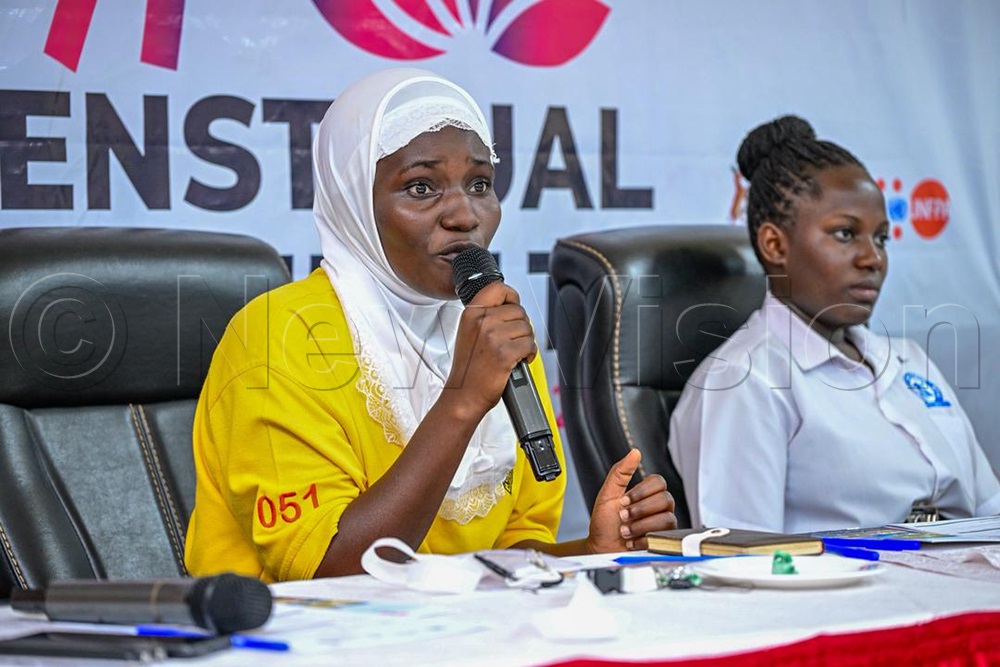
(Photo by Miriam Namutebi)
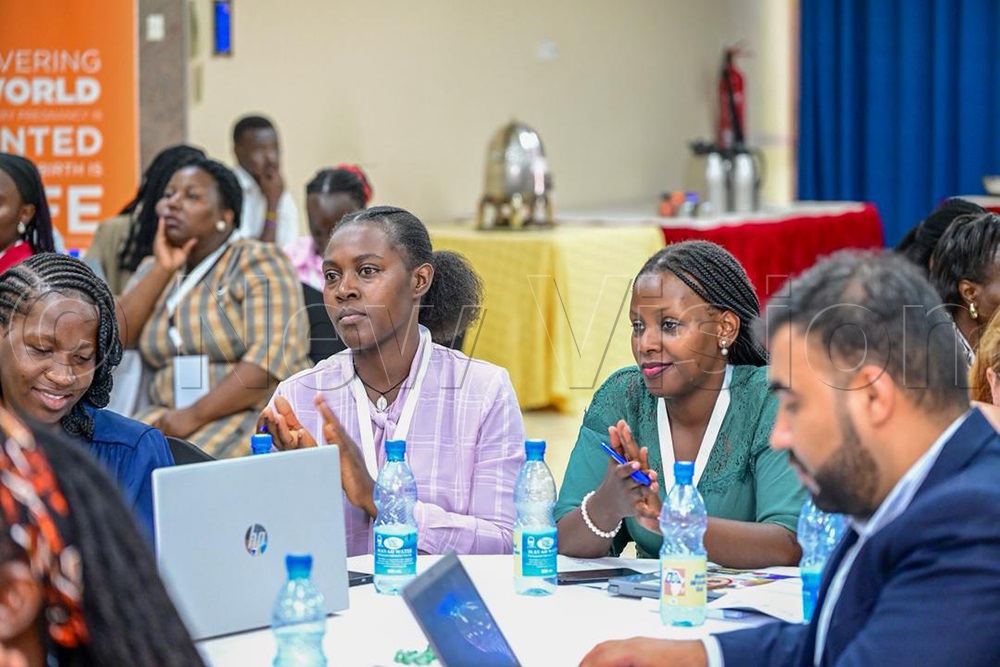
Participants at the workshop. (Photo by Miriam Namutebi)
“Over four million women and girls are still relying on non-purpose-made materials. That tells us the market is not yet working for everyone,” said Sofia Grinvalds, a menstrual health markets expert with the Sanitation and Hygiene Fund.
These materials, including old cloth, mattress foam and tissue paper, are not only uncomfortable but also increase the risk of infections and undermine dignity, health and participation in daily life.
Policy gaps persist
Uganda has made notable strides in recent years, such as zero-rating menstrual products and increasing political recognition of menstrual health as a development issue. However, experts said these measures have not translated into affordability at the household level.
“There is still a clear policy-to-practice gap. While products may be tax-exempt, structural inefficiencies in the supply chain, regulatory bottlenecks, and rising operational costs for businesses continue to drive up prices,” she noted during the symposium.
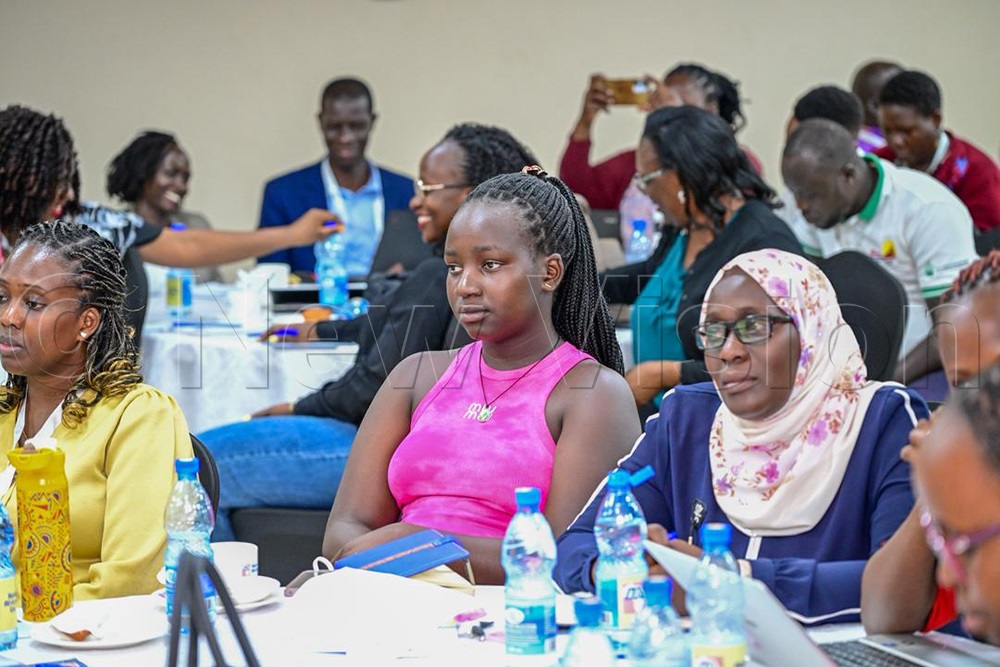
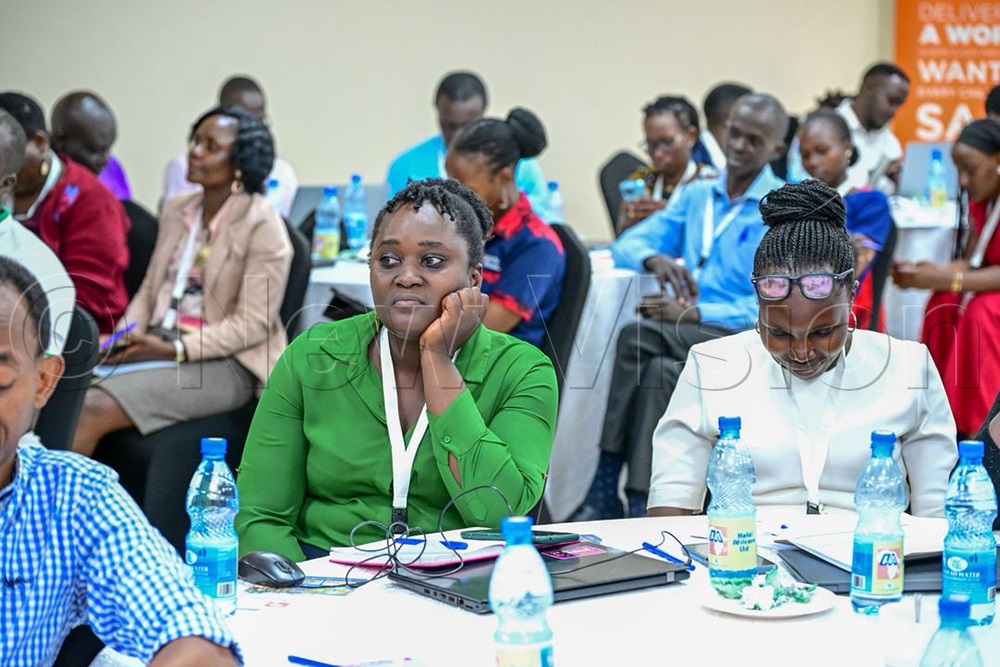
Micro, small and medium enterprises, which are central to local production and distribution, continue to face disproportionate regulatory and fiscal burdens, limiting their ability to scale and offer affordable alternatives.
“The goal is to align fiscal policy with public health and equity objectives,” Daniel Alemu, deputy representative, UNFPA, said, stressing that affordability must be addressed across the entire value chain, not only through tax policy.
He emphasised the need for coordinated action beyond discussions and pilot programmes.
“This is a moment for alignment,” Alemu said, calling for stronger collaboration between government, industry and civil society to improve market efficiency and expand access.
Without such reforms, experts warned, millions of women and girls will continue to be left behind and forced to manage menstruation without safe and reliable products.
School attendance affected
The impact is particularly evident among school-going girls. Data shared at the symposium shows that nearly one in five adolescent girls in Uganda misses school during menstruation, a situation worsened by inadequate water, sanitation and hygiene facilities in many schools.
Experts said these challenges are systemic and have wider implications for education outcomes, gender equality and long-term economic prospects.
“When girls miss school, it affects their performance, confidence, and future opportunities. "Menstrual health is not just a hygiene issue; it is a development issue,” said a representative from the standards body.
Beyond access, stakeholders pointed to inefficiencies across the menstrual health market, from production to distribution, which continue to limit reach, especially in remote areas.
Despite these challenges, Uganda’s growing population and rising demand for menstrual products present an opportunity for local innovation and enterprise.
“There is a strong ecosystem emerging. But without the right regulatory and financial support, it cannot meet the needs of the most vulnerable,” said Grinvalds.
The Uganda National Bureau of Standards is working to strengthen regulations to ensure products meet safety, quality and environmental standards.
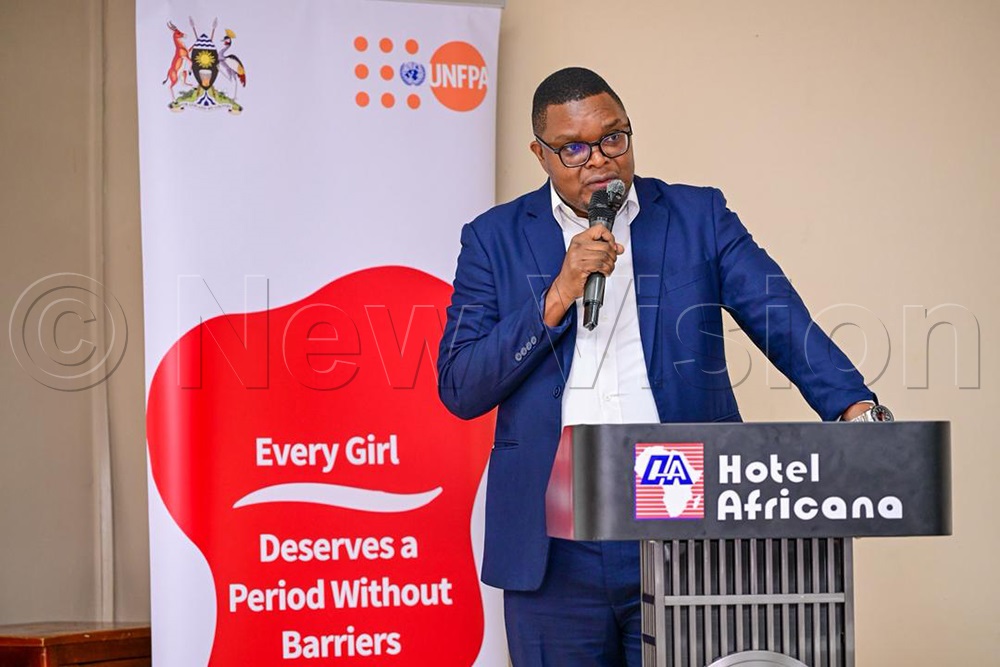
Hajji Aziz Mukota, representing the standards body UNBS. (Credit: Miriam Namutebi)
“Standards are essential for consumer protection. These products are used on the body, so they must meet strict safety and quality requirements,” said Hajji Aziz Mukota, representing the standards body UNBS.
Uganda is also participating in global efforts led by the International Organisation for Standardisation to develop international guidelines for menstrual products, signalling a shift towards active involvement in global standard-setting.