
NCD risk factors rise as health ministry warns of 35% death burden
Physical activity is one of the important measures to fight non-communicable diseases. (Photos by John Musenze)
________________
Uganda is facing a rise in risk factors for non-communicable diseases (NCDs), with high blood glucose, overweight and obesity, alcohol consumption and sedentary lifestyles all increasing over the past decade, the Ministry of Health has warned.
An analysis of Uganda’s 2014 and 2023 NCD risk factor surveys by researchers from Makerere University and the Ministry of Health shows that several major drivers of diabetes, heart disease and cancer have worsened.
The findings come as Uganda marked the National Day of Physical Activity, with the Ministry of Health calling for stronger action against lifestyle-related risks.
According to the analysis, the prevalence of high blood glucose more than doubled, rising from 1.5% in 2014 to 3.3% in 2023. Overweight and obesity also increased from 19.3% to 24.1%, while current alcohol consumption rose from 28.5% to 31.1% over the same period.
Sedentariness, which involves spending prolonged periods sitting, reclining or lying down while awake, recorded one of the largest increases, rising from 26.6% in 2014 to 31.9% in 2023. The researchers said the increase in sedentariness was observed across the country, except in the eastern region.
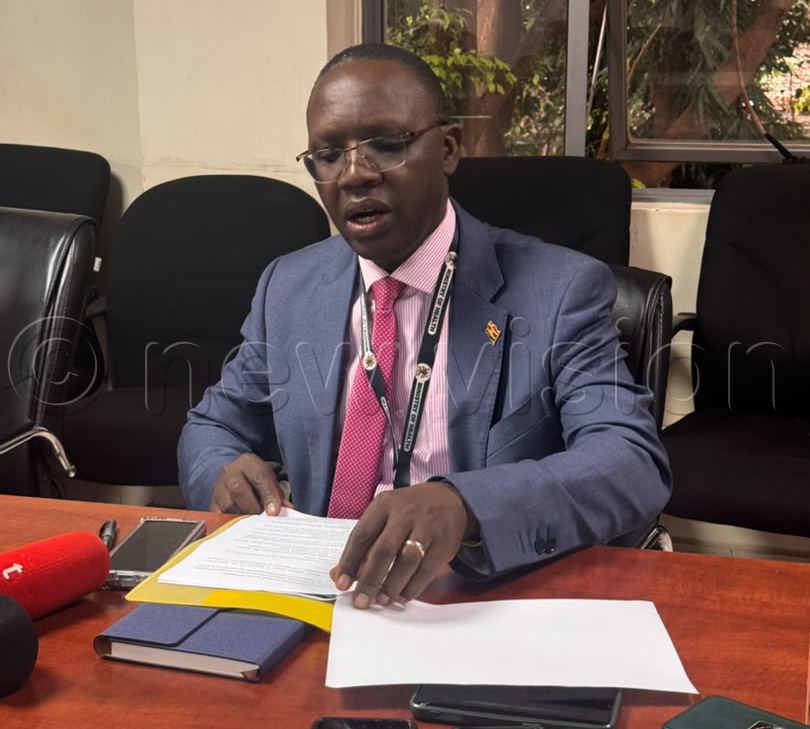
Dr Daniel Kyabayinze, the Director of Public Health at the Ministry of Health, speaking to journalists on August 6.
The trend was also recorded in rural areas, where sedentariness increased from 24.7% in 2014 to 31.9% in 2023. The findings raise concern because NCDs already account for about 35% of deaths in Uganda, according to the Ministry of Health.
Dr Charles Oyoo Akiya, the commissioner for NCDs at the Ministry of Health, said the findings demonstrate the need to address physical activity and other lifestyle-related risk factors together rather than treating them as isolated problems.
He distinguished between physical inactivity and sedentariness, saying a person can meet recommended exercise levels while still spending excessive amounts of time sitting.
“For sedentarism, the focus is on the total amount of movement time spent sitting. It is too much sitting, regardless of exercise,” he said.
On the other hand, physical inactivity refers to failing to achieve the recommended amount of physical activity needed for health. The distinction is significant because, despite the rise in sedentariness, the proportion of Ugandans classified as having inadequate physical activity fell from 5.0% in 2014 to 3.6% in 2023.
However, prolonged sitting can remain a health concern even among people who exercise regularly. The researchers said the four-hour threshold used to assess sedentariness was based on evidence linking more than four hours of sedentary time with increased risks of cardiovascular and cancer mortality, as well as type 2 diabetes.
Dr Daniel Kyabayinze, the director of public health at the Ministry of Health, said physical activity remains an important tool in preventing and controlling NCDs.
“Physical activity is one of the important measures to fight non-communicable diseases, which are an increasing health problem today,” he said.
Globally, NCDs account for about 41 million deaths annually, representing around 74 percent of all deaths, according to the Ministry.
In Uganda, the Ministry estimates that an individual has a 22% probability of dying prematurely from one of the five major NCDs.The Ministry used this year’s National Day of Physical Activity to promote increased physical activity under the theme “Get Active, Stay Healthy: Physical Activity for Healthy Wellbeing.”
The national celebrations were held on August 7 at Kaunda Grounds in Gulu city.
Dr Kyabayinze said the growing burden of NCD risk factors requires Ugandans to move beyond focusing on exercise alone and address other behaviours, including alcohol consumption, unhealthy weight gain and prolonged sedentary time.