
Misinformation biggest threat to Ebola response, warns Atwine
Speaking after a meeting with World Health Organisation (WHO) director-general Dr Tedros Adhanom Ghebreyesus and development partners in Kampala on June 9, 2026, to review the country’s Ebola response, Atwine said tackling misinformation must be central to outbreak control efforts.
Ministry of Health permanent secretary Dr Diana Atwine speaking during a meeting with World Health Organisation (WHO) director-general Dr Tedros Adhanom Ghebreyesus and development partners in Kampala. (Credit: Ministry of Health)
__________________
Misinformation and false beliefs about Ebola are emerging as one of the biggest threats to Uganda’s efforts to contain the ongoing outbreak, health ministry permanent secretary Dr Diana Atwine has warned.
Atwine said misconceptions that Ebola is a scam or the result of witchcraft are reducing public risk perception and encouraging behaviours that could accelerate transmission.
Speaking after a meeting with World Health Organisation (WHO) director-general Dr Tedros Adhanom Ghebreyesus and development partners in Kampala on June 9, 2026, to review the country’s Ebola response, Atwine said tackling misinformation must be central to outbreak control efforts.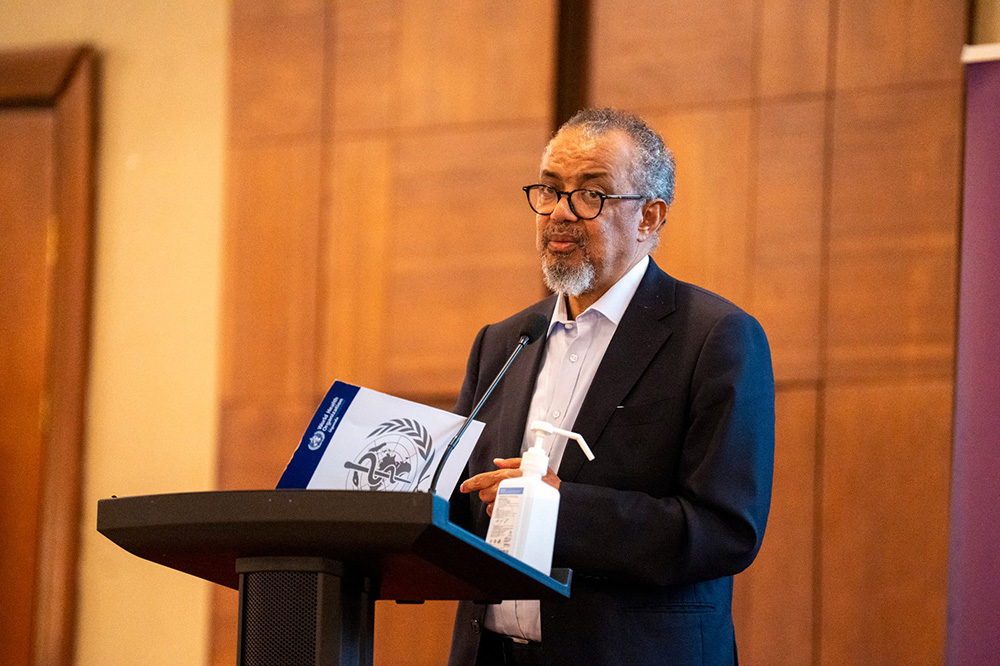
World Health Organisation (WHO) director-general Dr Tedros Adhanom Ghebreyesus addressing stakeholders during the meeting. (Credit: Ministry of Health)
"A key strategy for ending this outbreak quickly is to collectively combat misinformation through continuous awareness and communication," she said.
"False beliefs that Ebola is a scam or the result of witchcraft are lowering risk perception, leading to dangerous behaviours that can fuel transmission and even put response teams at risk."
Atwine warned that the greatest danger facing the response is the possibility of widespread community transmission. She said that while Uganda has strengthened surveillance, border screening, testing and contact tracing systems, community spread could overwhelm even strong public health systems.
Uganda has so far confirmed 19 Ebola cases, with five recoveries and two deaths. The majority of infections are linked to cross-border transmission from the Democratic Republic of Congo (DRC), where the outbreak remains concentrated.
Health authorities fear that if communities fail to recognise symptoms, report suspected cases or follow public health guidance, the virus could spread further. Atwine urged Ugandans to take the outbreak seriously and actively participate in prevention efforts.
She called on the public to report suspected cases, observe infection prevention measures, and educate families and communities about the dangers of Ebola.
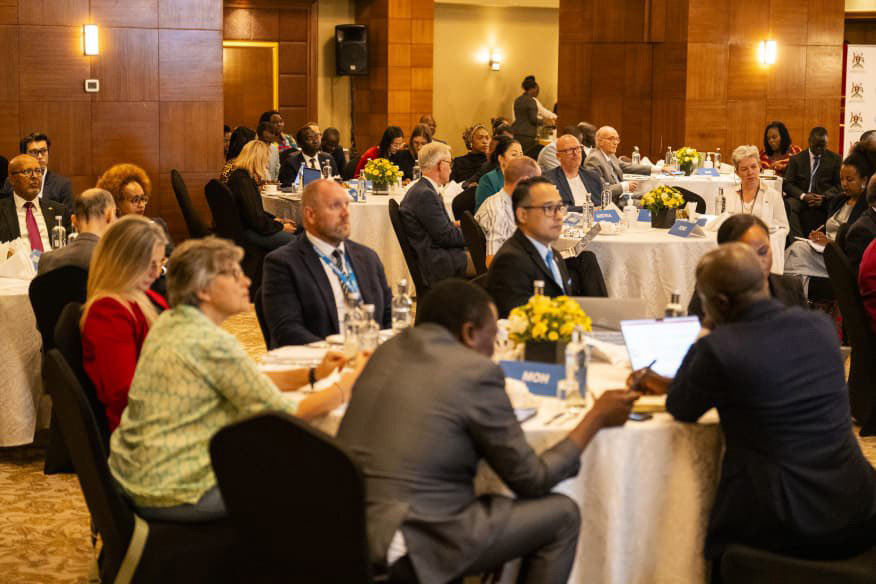
Stakeholder attending a meeting on Ebola respobse with World Health Organisation (WHO) director-general Dr Tedros Adhanom Ghebreyesus. (Credit: Ministry of Health)
"We must all recognise the seriousness of the threat, adhere to the preventive measures in place, report any suspected cases, and actively educate our families and communities," she said.
"By protecting others, we protect ourselves, because once Ebola spreads within communities, it can affect anyone. It can find its way to anyone."
WHO praises Uganda’s response
The warning came as WHO director-general Dr Tedros Adhanom Ghebreyesus commended Uganda’s response, describing surveillance, testing and case management systems as effective in limiting the spread of the virus.
During his visit, Tedros reviewed preparedness measures and met government officials, including President Yoweri Museveni and development partners supporting the response.
He praised Uganda’s early detection of imported cases and swift declaration of the outbreak, saying vigilance had helped contain transmission.
According to the WHO chief, Uganda’s experience in handling previous Ebola outbreaks has strengthened its emergency response capacity and enabled rapid action against new cases.
Tedros also stressed the importance of transparency during outbreaks, saying countries that openly report cases should not face unnecessary travel restrictions.
He added that strong surveillance systems and open information sharing are essential to controlling outbreaks and maintaining international confidence. He further emphasised continued cooperation between Uganda and the DRC, noting that cross-border coordination remains critical to ending the outbreak.
Health officials say most confirmed Ebola cases in Uganda have been linked to movement across the border from the DRC, underscoring the need for sustained regional collaboration.