
Health workers trained to handle cancer’s emotional burden
“Even health workers are somehow affected in the face of cancer care. Practically, depression, hopelessness, isolation, and poor adherence to treatment are some of the things we have seen,” Nakirulu said.
Dr Rachel Kansiime, a clinical psychologist, pioneer psycho-oncologist in Uganda, and founding president of the Association of Psycho-Oncologists of Uganda, organised the training. (Photos by John Musenze)
________________
Health workers from Mulago National Referral Hospital and the Uganda Cancer Institute have undergone mental health training to help them better support cancer patients, caregivers and fellow medical staff struggling with depression, anxiety, grief and emotional trauma linked to cancer treatment and care.
The training comes amid growing concern among specialists that cancer care in Uganda has largely focused on chemotherapy, surgery and medication, while the emotional and psychological burden carried by patients, caregivers and healthcare workers continues to receive little attention despite its impact on treatment and recovery.
The week-long training on interpersonal group therapy was conducted in partnership with StrongMinds Uganda and brought together about 27 participants, including doctors, nurses, social workers, palliative care teams, cancer survivors, volunteers and patient navigators involved in supporting patients undergoing cancer treatment at major facilities.
Speaking at the closure of the training on May 8, 2026, at Mulago National Referral Hospital, Dr Annet Nakirulu, a paediatric haematologist-oncologist at Mulago National Specialised Hospital, said many healthcare workers are trained to diagnose and treat cancer but often lack the skills needed to address the emotional distress patients and caregivers experience throughout treatment.
“As doctors, we tend to make the diagnosis, start treatment, and deal with the physical side effects of cancer treatment. But there is more to cancer care,” Nakirulu said.
Emotional toll
Nakirulu explained that children receiving cancer treatment often endure repeated hospital admissions, painful medical procedures and uncertainty about survival, leaving many emotionally exhausted and fearful about the future, especially adolescents who sometimes associate cancer diagnosis with prolonged suffering, hopelessness and eventual death.
“Chemotherapy itself has several side effects, and some adolescents and caregivers tend to associate cancer with death or prolonged suffering,” she said, noting that emotional suffering frequently affects treatment adherence and overall well-being among children and families navigating the difficult cancer journey.
She said parents and caregivers commonly experience anxiety, financial strain, emotional exhaustion and helplessness while supporting children through lengthy treatment cycles, adding that the psychological burden of cancer also significantly affects doctors, nurses, counsellors and other frontline health workers involved in patient care.
“Even health workers are somehow affected in the face of cancer care. Practically, depression, hopelessness, isolation, and poor adherence to treatment are some of the things we have seen,” Nakirulu said.
In 2025, the country recorded an estimated 35,968 new cancer cases and more than 20,000 deaths annually, many linked to late diagnosis and limited access to treatment. Cervical, breast and prostate cancers remain the most common, with nearly 80% of patients dying within the first year of diagnosis.
Nakirulu said the number of diagnosed childhood cancer cases has continued to rise over recent years due to increased awareness, improved diagnostic capacity, growing expertise among health workers and better access to medicines and specialised oncology services within Uganda’s referral health facilities.
Some of the 27 health workers who were part of the one week long training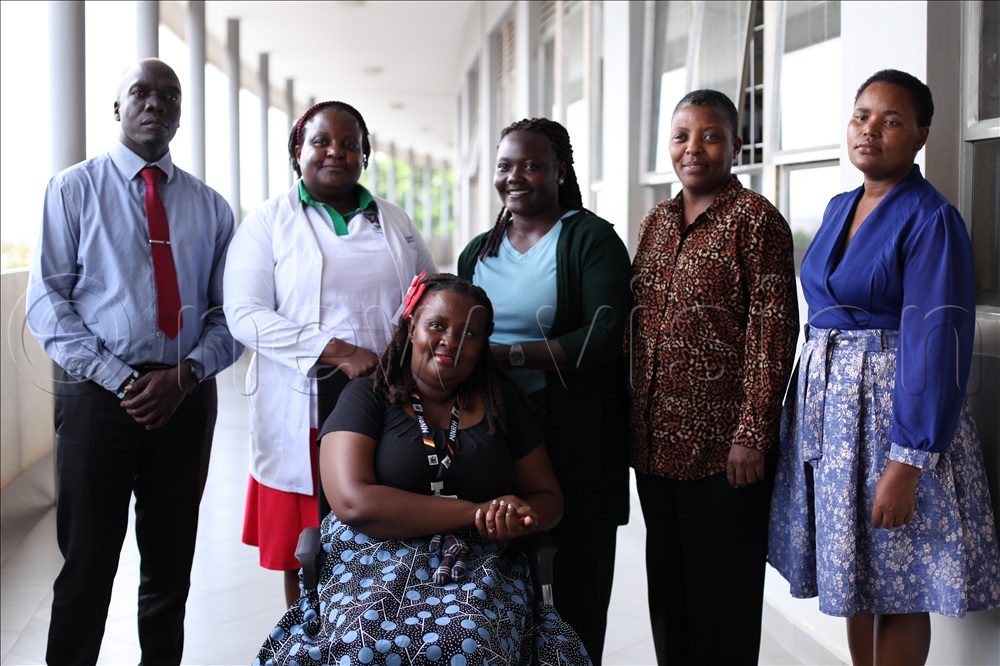
“At the beginning, we had about 300 children in our oncology unit, but now we are seeing beyond 400 diagnosed cases annually. The burden is increasing,” she said, warning that the growing patient numbers require more holistic approaches to cancer treatment and support services.
Holistic cancer care
She stressed that cancer management must move beyond treating physical symptoms and instead address the emotional, psychological and social realities facing patients and families who often spend months or years navigating treatment, uncertainty, financial hardship and fears surrounding survival and death.
“We are seeing that management has to be holistic. It cannot only focus on physical treatment,” Nakirulu said, adding that health workers must learn to recognise signs of emotional distress early enough to provide timely mental health support to patients and caregivers.
Susan Winifred Adikini, a clinical psychologist and quality assurance coordinator at StrongMinds Uganda, said the training was organised to equip healthcare workers with practical mental health skills needed to identify, assess and support cancer patients struggling with depression, anxiety, grief and emotional distress during treatment.
Adikini explained that participants were trained in interpersonal group therapy, an evidence-based psychological intervention designed to help individuals cope with emotional difficulties by strengthening social support systems, improving communication and helping patients process experiences related to illness, grief, fear and uncertainty.
“Oftentimes, health workers are able to attend to the medical needs of patients, but what happens to the depression, anxiety, and mental health needs?” Adikini asked.
She said the training is expected to improve emotional support services within cancer treatment units while also helping patients adhere better to medication, attend appointments consistently and maintain hope throughout treatment, factors experts say significantly influence recovery and long-term treatment outcomes.
“We hope that as healthcare workers are equipped with these skills, they will be able to tackle the emotional burden that affects cancer victims,” Adikini said, noting that psychosocial support remains a critical but underdeveloped component of cancer care services in Uganda.
Dr Rachel Kansiime, a clinical psychologist, pioneer psycho-oncologist in Uganda and founding president of the Association of Psycho-Oncologists of Uganda, who organised this training, said cancer affects far more than the physical body because patients frequently struggle with depression, anxiety, trauma and overwhelming emotional distress after diagnosis.
“Cancer as a disease not only affects the physical being of patients. Cancer has a mental health aspect,” Kansiime said, explaining that patients and caregivers often experience fear, uncertainty, grief and emotional exhaustion throughout the course of treatment and recovery.
She explained that caregivers usually go through the same emotional cycle as patients because they witness pain, difficult procedures, side effects, uncertainty and death, often leaving them emotionally drained and psychologically overwhelmed while trying to support loved ones undergoing cancer treatment.
“When somebody is taking care of a patient with cancer, they go through the same cycle as the patient does,” Kansiime said.
Push for support
Kansiime said psycho-oncology focuses on addressing the emotional, psychological, social and mental health needs of cancer patients and caregivers, including spouses, siblings, relatives, volunteers and neighbours who become part of the long and emotionally demanding treatment process experienced by many families.
She warned that healthcare workers involved in cancer care are increasingly becoming “silent patients” because of the emotional toll associated with constant exposure to suffering, severe illness and death, conditions that contribute to anxiety, burnout, depression and post-traumatic stress among medical teams.
“We are not only looking at the patients. The caregivers are also affected. You cannot be attending to patients, and every other day you are having people pass on and remain the same,” Kansiime said.
Kansiime said the training forms part of wider efforts to integrate mental health and psychosocial support into Uganda’s cancer care system through partnerships, advocacy and specialised training programmes aimed at strengthening emotional support services within oncology units and regional cancer treatment centres.
She revealed that the newly formed Association of Psycho-Oncologists of Uganda, expected to officially launch in July, plans to advocate for mental health support to become a formal part of cancer treatment and policy discussions across healthcare institutions in the country.
Kansiime noted that the current training mainly involved health workers from Mulago National Referral Hospital and the Uganda Cancer Institute, Uganda’s main specialised cancer treatment facilities, although there are already plans to expand similar training programmes to regional cancer centres, including Mbarara and Gulu.
She explained that one of the strengths of interpersonal group therapy is that it can also be delivered by trained community volunteers, survivors, caregivers and non-specialists, making it easier to expand mental health support services even in settings with limited numbers of trained psychologists.
Kansiime appealed to government, development partners, civil society organisations and well-wishers to support efforts aimed at integrating psychosocial care into cancer treatment programmes, saying emotional support can significantly improve treatment outcomes, recovery and quality of life for patients and caregivers alike.