
More Ugandans dying of NCDs as screening culture remains low, experts warn
The warning was sounded during a free medical camp organised by the Ministry of Health in partnership with the Bweranyangi Old Girls’ Association (BWOGA) at All Saints Church, Nakasero in Kampala on May 23, 2026.
More Ugandans dying of NCDs as screening culture remains low, experts warn
_________________
Health officials have warned that more Ugandans are dying from non-communicable diseases (NCDs) such as cancer, hypertension and diabetes because many people rarely go for routine medical screening and only seek treatment after complications develop.
The warning was sounded during a free medical camp organised by the Ministry of Health in partnership with the Bweranyangi Old Girls’ Association (BWOGA) at All Saints Church, Nakasero in Kampala on May 23, 2026.
Speaking at the camp, the permanent secretary in the Ministry of Health, Diana Atwine, said many Ugandans are unknowingly living with life-threatening illnesses, only discovering them when they are already in advanced stages.
“Many of our people are hypertensive, but they don’t know at all. Many of our people have diabetes and have no idea. Many of our women, by the time they come to us, have advanced cancer of the cervix. Some come with breast cancer already in stage three,” Dr Atwine said.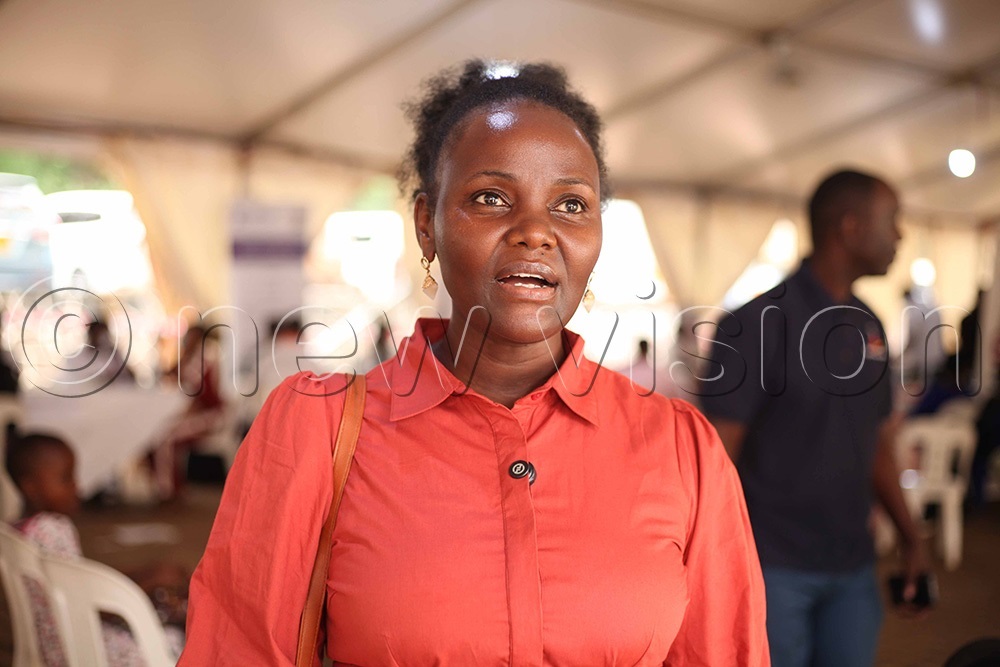
Bweranyangi Old Girls’ Association (BWOGA) chairperson Eng. Irene Atwine said the association was deeply troubled by the number of members dying from cancer and other illnesses. (Photo by John Musenze)
She said the growing number of sudden deaths linked to stroke, heart attacks and untreated chronic illnesses was a sign that Ugandans were neglecting routine check-ups.
“Have you heard of people collapsing suddenly these days? Someone falls in the bathroom and dies, another collapses in bed. Hypertension causes heart attacks and strokes, yet all these conditions can be treated if detected early,” she said.
Dr Atwine urged Ugandans to adopt a culture of regular screening instead of waiting for symptoms or free outreach camps.
“People should not wait for medical camps because by the time the camp comes, maybe complications have already developed. It is always good to go for routine check-up even when you feel fine,” she said.
“Hepatitis B is killing people. By the time symptoms appear, the liver is already damaged,” she warned.
Dr Atwine revealed that during recent health screening exercises involving food handlers ahead of national events, health teams discovered several workers with hepatitis B and tuberculosis. She stressed that non-communicable diseases continue to quietly claim many more lives across the country.
“Health is wealth. Whatever we are doing circles around health,” she said.
Deaths spark concern
The medical camp was initiated after members of BWOGA experienced increasing deaths among former students from diseases that organisers say could have been prevented through early diagnosis.
BWOGA chairperson Eng. Irene Atwine said the association was deeply troubled by the number of members dying from cancer and other illnesses.
“We had been experiencing a lot of deaths from our members, our old girls dying because of cancer and other diseases that can actually be prevented if detected early,” she said.
She said the association approached the Ministry of Health for support to organise a large-scale screening outreach targeting both former students and the wider public.
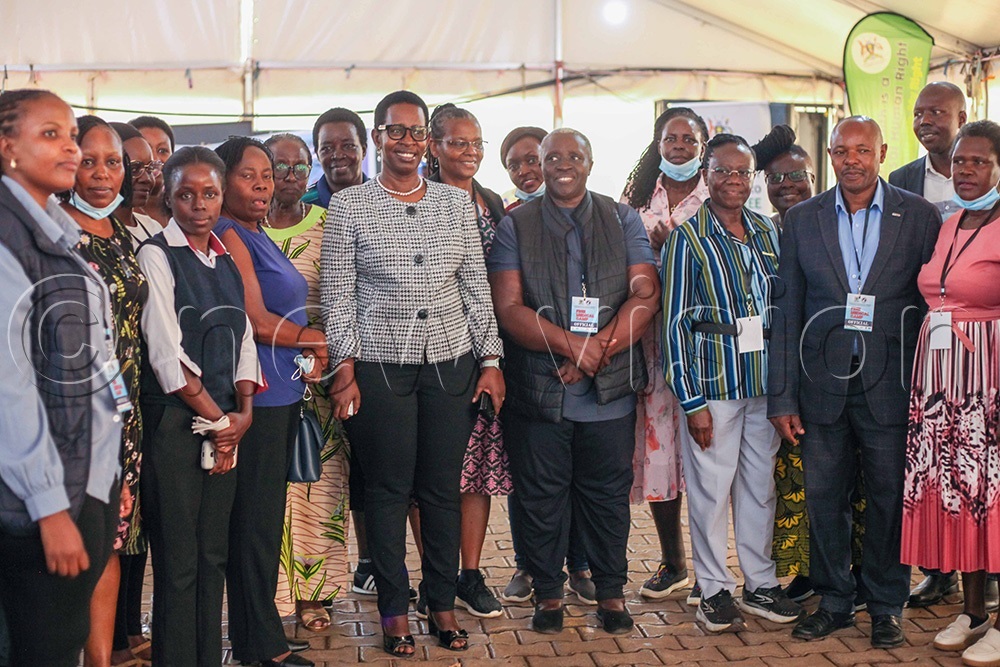
Some of the organising committee members from Bweranyangi Old Girls’ Association (BWOGA) pose with Diane Atwine, the Permanent Secretary at the Ministry of Health. (Photo by John Musenze)
The outreach offered free cancer screening, diabetes and hypertension checks, tuberculosis and hepatitis B testing, mental health counselling, eye testing, cardiovascular assessment and general medical consultations.
Mental health concerns
The camp also placed strong emphasis on mental health, which officials said remains widely ignored despite rising stress levels among workers, students and health professionals.
Dr Hafsa Lukwata, Assistant Commissioner for Mental Health and Control of Substance Use at the Ministry of Health, said many Ugandans were struggling silently due to toxic workplaces, economic pressure and inability to cope with stress.
“There is no health without mental health. If your mental health is not well, then you are not well,” Dr Lukwata said.
She said the ministry was increasingly focusing on mental health support in schools after rising concerns over stress and emotional breakdown among young people.
“Young people today struggle with resilience. Many cannot cope with daily stress and pressures,” she said.
Dr Lukwata also acknowledged mounting pressure on health workers, saying long working hours and staff shortages were affecting their mental well-being.
“Our interns sometimes work for over 24 hours continuously. Nurses are overwhelmed because staffing numbers are low yet patient numbers are high,” she said.