
Health ministry, KOFIH chart path to sustain Uganda’s donated medical equipment
Dr. Posiano Mwebe, Medical Superintendent of Butenga Health Centre IV in Bukomansimbi district, appealed to the Ministry of Health to extend NOMAD to lower-level health facilities.
Stakeholders after the dissemination meeting in Kampala, on June 23, 2026. (Courtesy Photo)
KAMPALA - The Ministry of Health (MoH) and the Korea Foundation for International Healthcare (KOFIH) Uganda have reaffirmed their commitment to strengthening the management and long-term sustainability of donated medical equipment.
The renewed commitment follows the dissemination of findings from an integrated evaluation of KOFIH-donated medical equipment in five beneficiary health institutions across Uganda.
The findings were presented at a stakeholder meeting in Kampala on June 23, 2026. The meeting brought together senior officials from the Ministry of Health, KOFIH Uganda, and the Office of the Prime Minister, alongside representatives of beneficiary health facilities, District and City Health Officers, the Uganda Cancer Institute, the National Tuberculosis Reference Laboratory, development partners, and biomedical engineering experts, who jointly validated the findings and agreed on practical recommendations.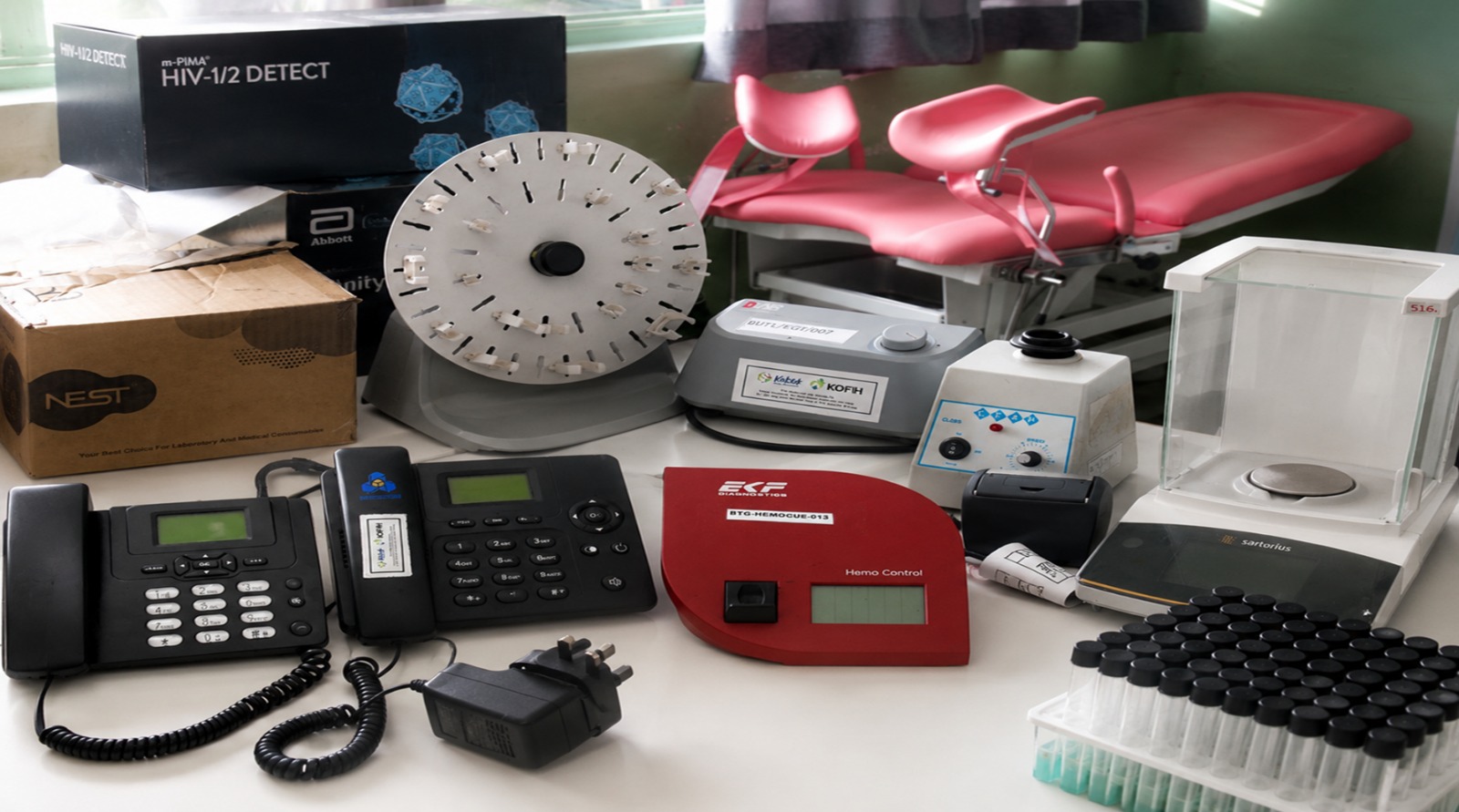
Some of the laboratory and diagnostic equipment assessed during the evaluation.
Decade of investment and question of sustainability
For more than a decade, KOFIH has supported Uganda’s health sector with essential medical equipment for diagnostic, treatment, and specialised services. These investments have measurably improved service delivery, particularly in referral hospitals and lower-level health facilities.
As the equipment ages, however, questions have emerged about its maintenance, functionality, utilisation, and long-term sustainability.
What the evaluation found
The evaluation assessed a sample of 244 KOFIH-donated items across the five institutions. Key results include:
▪️Functionality: 81.2% of the sampled equipment was functional and actively supporting healthcare delivery.
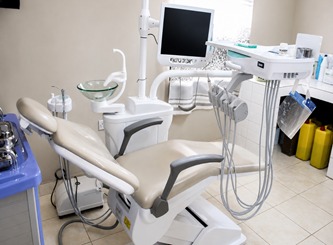
A donated dental unit in service.
▪️Governance: Nearly all facilities maintained asset registers, equipment committees, and maintenance agreements, reflecting strong accountability practices.
▪️Gaps: maintenance financing remains limited, biomedical engineers are in short supply at district level, and equipment registration in the National Health Infrastructure Inventory Management System (NHIIMS–NOMAD) is incomplete.
From findings to action: Scaling up digital tracking
Stakeholders endorsed the expansion of the NHIIMS–NOMAD platform as a national tool for real-time monitoring of medical equipment, and called for greater investment in biomedical engineering capacity, dedicated maintenance budgets, and stronger partnerships so that donated equipment continues to deliver quality care and better health outcomes for Ugandans.
Building on the evaluation, NOMAD will also be rolled out to National Referral Hospitals and specialised health institutions across the country to strengthen equipment tracking, monitoring, reporting, and decision-making.
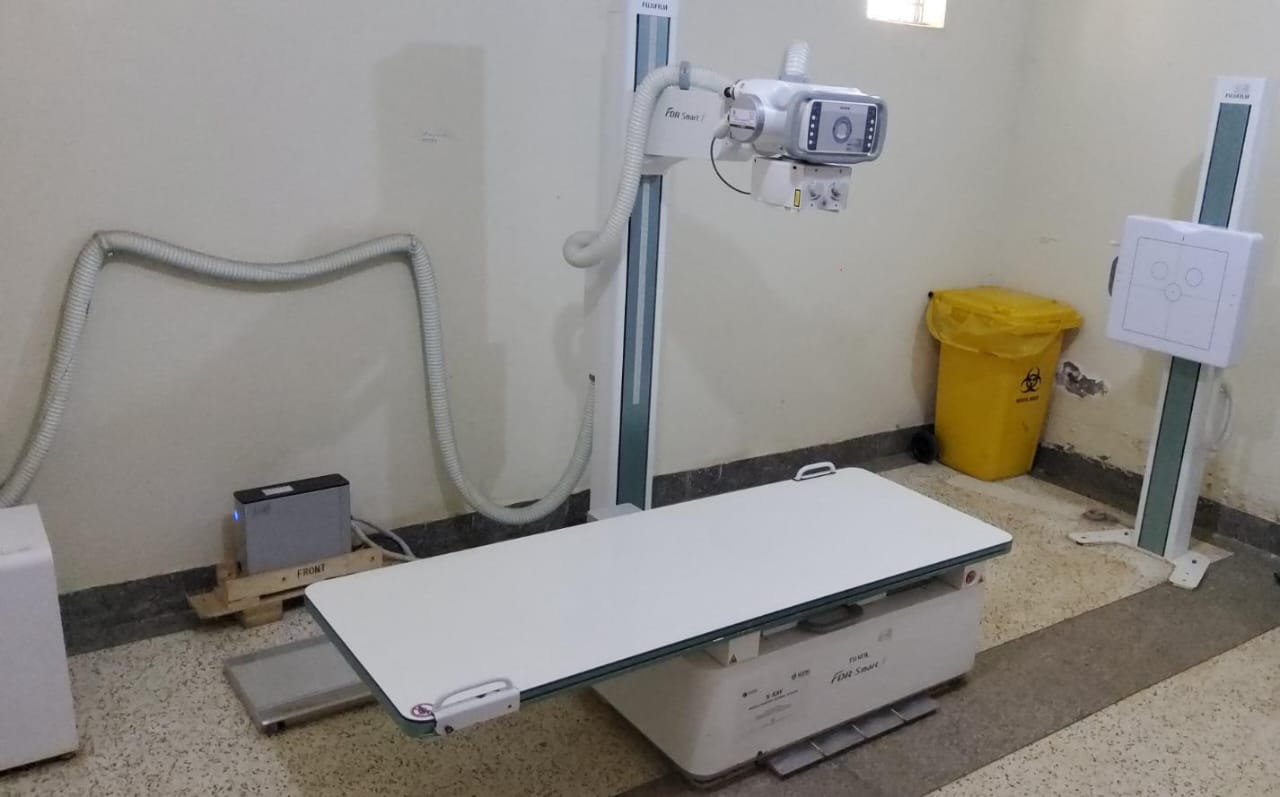
A donated digital X-ray unit installed at Butenga Health Centre IV.
Building local capacity for the long term
Eng. Tadeo Byabagambi, Assistant Commissioner for Biomedical Engineering at the Ministry of Health, recommended that the Ministry and KOFIH Uganda finalise plans for a National Medical Equipment Incubation Centre to drive knowledge transfer, local manufacturing of spare parts, and standardised equipment specifications.
He further proposed an automated medical equipment management system to track equipment across its full life cycle from procurement to maintenance and to support equitable distribution across facilities, for use by the Ministry, KOFIH Uganda, facility managers, and biomedical engineers.
Participants also underscored the need for sustained investment in equipment maintenance, continuous training and certification of biomedical engineers to service high-end equipment, and stronger knowledge transfer from engineers trained in South Korea.
What next
The evaluation findings will be tabled before the Ministry of Health Technical Working Group and Top Management to align them with national policy, ensuring the recommendations translate into lasting improvements in how Uganda manages donated medical equipment.