
Govt, partners launch nutrition campaign as 2 million children remain malnourished
“Many children are not eating the right foods. "They may have something to eat, but it is not balanced,” said Zakaria Fusheini, UNICEF’s nutrition manager in Uganda.
Dr Samalie Namukose, Assistant Commissioner for Nutrition, said the initiative comes at a critical time when malnutrition continues to pose a serious threat to Uganda’s health, education and economic development. (Credit: Miriam Namutebi)
KAMPALA - The government, through the Ministry of Health in partnership with UNICEF, has launched a nationwide nutrition campaign aimed at tackling malnutrition, as an estimated two million Ugandan children remain chronically undernourished.
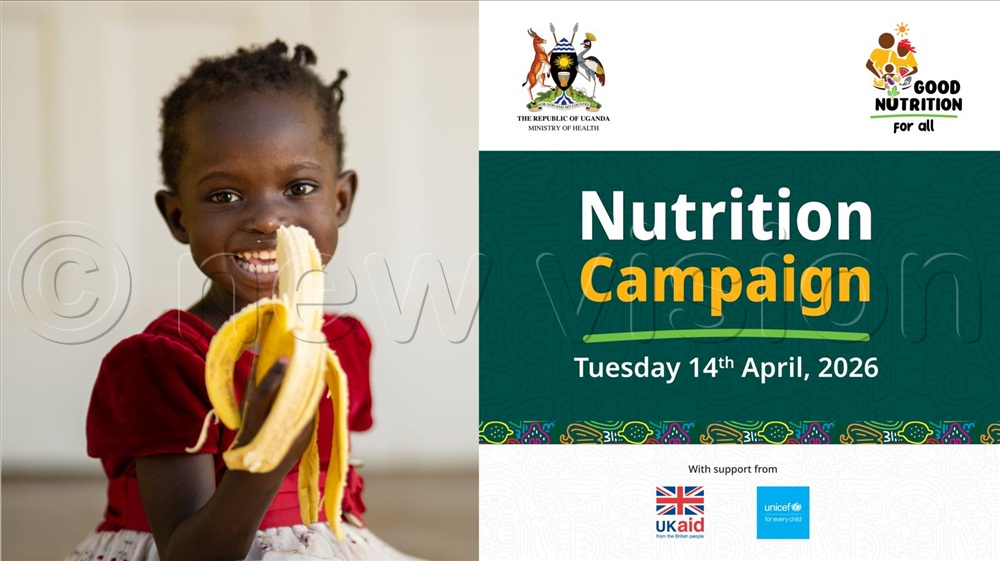
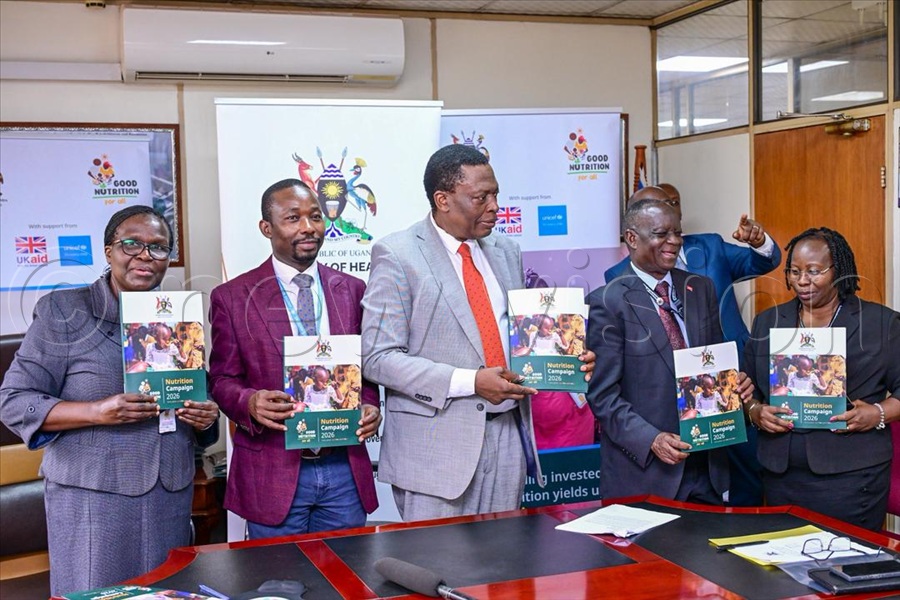
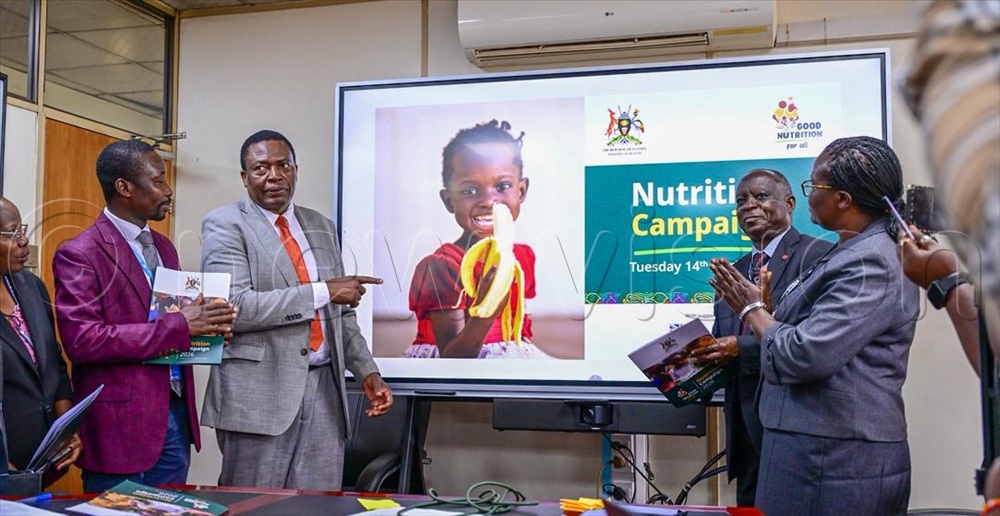
Launched on April 14 under the theme “Nutrition for All", the campaign will begin with a one-month pilot across the country before being scaled up, seeking to promote better feeding practices, raise awareness and drive behaviour change at household and community levels.
Dr Samalie Namukose, Assistant Commissioner for Nutrition, said the initiative comes at a critical time when malnutrition continues to pose a serious threat to Uganda’s health, education and economic development.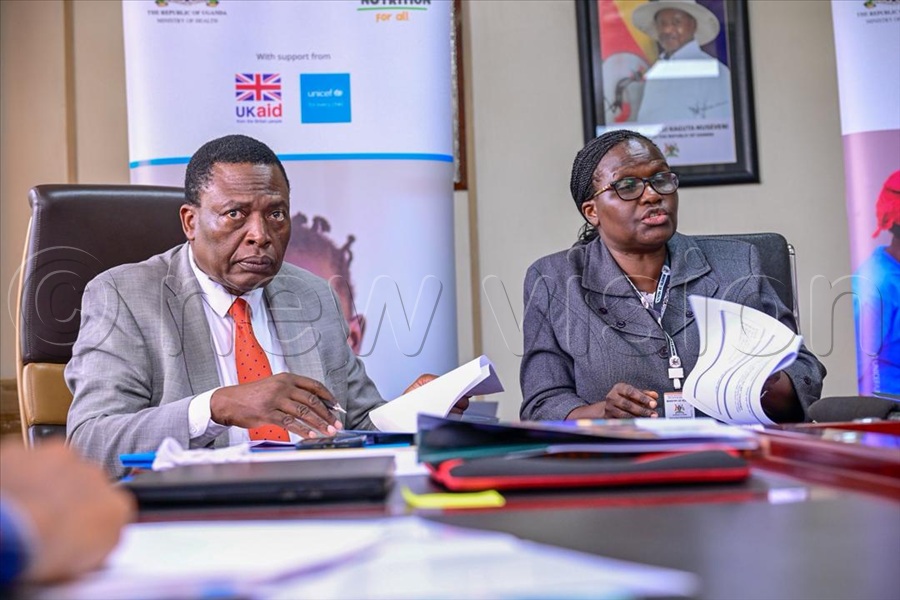
Dr Charles Olaro, Director General of Health Services Ministry of Health and Dr.Samalie Namukose, Assistant Commissioner Nutrition. (All Photos by Miriam Namutebi)
“Malnutrition is not only a health issue; it is an economic and social development issue. If we do not address stunting, we risk lagging behind as a country,” Namukose said at the launch.
According to government data, 26 per cent of children under five are stunted for their age due to chronic undernutrition, while four per cent are wasted, meaning they are dangerously thin and require urgent care.
The burden is highest among women and children, particularly in regions such as Karamoja, Toro and refugee-hosting districts.
Dr Namukose noted that although Uganda has made some progress in reducing stunting from 29 per cent to 26 per cent in recent years, the pace of improvement remains too slow.
Dr Charles Olaro, Director General of Health Services, who officiated this launch, emphasised that the main driver of malnutrition in Uganda is poor dietary diversity, with many households relying heavily on starchy foods and lacking adequate intake of proteins and essential nutrients.
“You can have food on your plate and still be malnourished. What matters is the quality and diversity of that food,” said Dr Charles Olaro, Director General of Health Services.
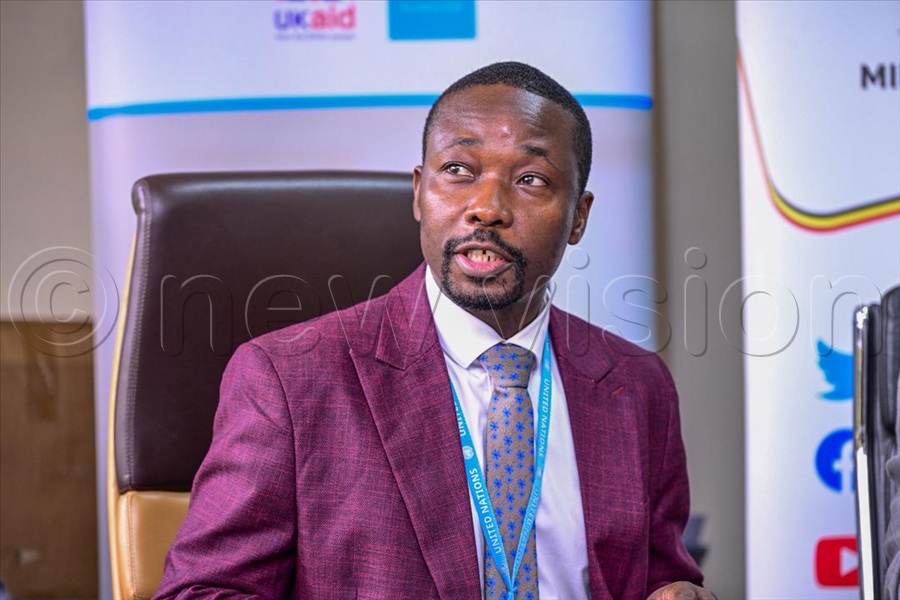
Zakaria Fusheini, Nutrition Manager UNICEF Uganda.
He warned that poor nutrition in early childhood has long-term consequences, including impaired brain development, poor school performance and reduced productivity later in life. He added that nutrition is a key determinant of a country’s human capital and future economic growth.
“As we launch this campaign, we must ensure that every child has access to a nutritious diet and a healthy start to life,” Olaro said.
UNICEF Uganda country director Dr Robin Nandy, who was represented by the UNICEF nutrition manager Zakaria Fusheini, also raised concern that nearly 90 per cent of children in Uganda are affected by what is termed 'child food poverty', meaning they do not receive the diverse diets needed for proper growth.
“Many children are not eating the right foods. "They may have something to eat, but it is not balanced,” said Zakaria Fusheini, UNICEF’s nutrition manager in Uganda.
He explained that the campaign aims to shift the focus from treating malnutrition to preventing it, especially during the first 1,000 days of life, from pregnancy to a child’s second birthday, when proper nutrition is most critical.
The campaign will use a mix of media platforms, including radio, television, print and community outreach programmes, to deliver nutrition messages.
Health workers and village health teams are expected to play a central role in engaging communities and promoting better feeding practices using locally available foods.
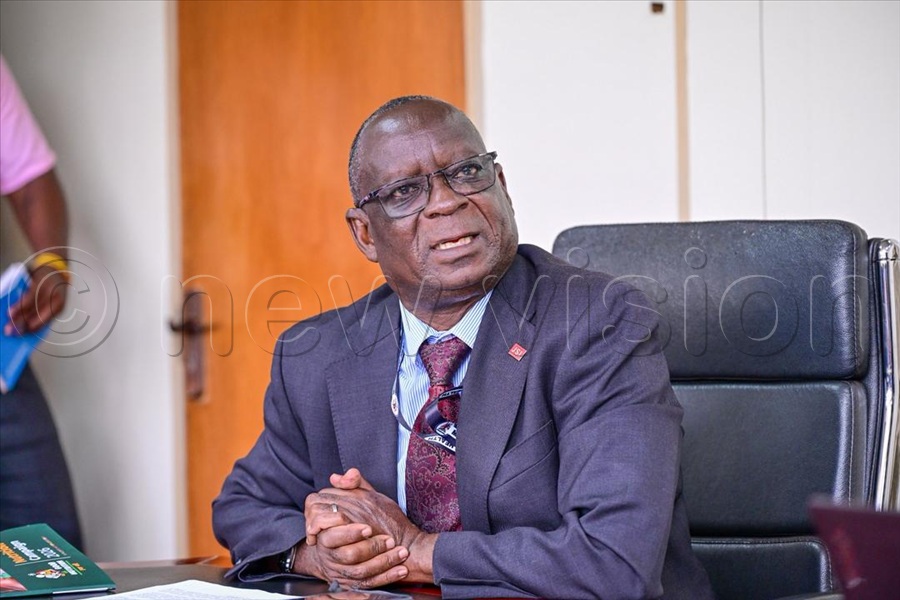
Dr George Upenytho, Public Health Nutritionist Ministry of Health.
Experts also stressed the need for increased investment in nutrition, describing it as one of the most cost-effective ways to improve national development outcomes.
“Investing in nutrition is investing in the future of this country,” Fusheini said, noting that global evidence shows every dollar invested in nutrition can yield significant returns in health, education and productivity.
Development partners echoed the urgency of sustained action, warning that despite progress, the country remains off track in reducing stunting at the required pace.
They also highlighted challenges such as limited funding, food insecurity, climate shocks and poor feeding practices, which continue to drive malnutrition across the country.
The campaign called on parents, communities, leaders and the media to play an active role in promoting proper nutrition, particularly for children and mothers.