
Africa CDC commends Uganda for latest Ebola outbreak response
Kaseya commended President Museveni for his swift political leadership and commitment, including the mobilisation of emergency resources and support towards the regional response
Ministry of Health's permanent secretary, Dr Diana Atwine (right). (Credit: Maria Wamala)
__________________
The Africa Center for Disease Control and Prevention (Africa CDC) has applauded the government of Uganda for the strong support towards the Ebola Bundibugyo Virus disease outbreak in eastern DR Congo.
"I would like to commend President Museveni for his swift political leadership and commitment, including the mobilisation of emergency resources and support towards the regional response," said Dr Jean Kaseya, the director general of the Africa CDC. On Saturday, he also commended Uganda for providing the support and for continuing to demonstrate that no country can face outbreaks like this alone.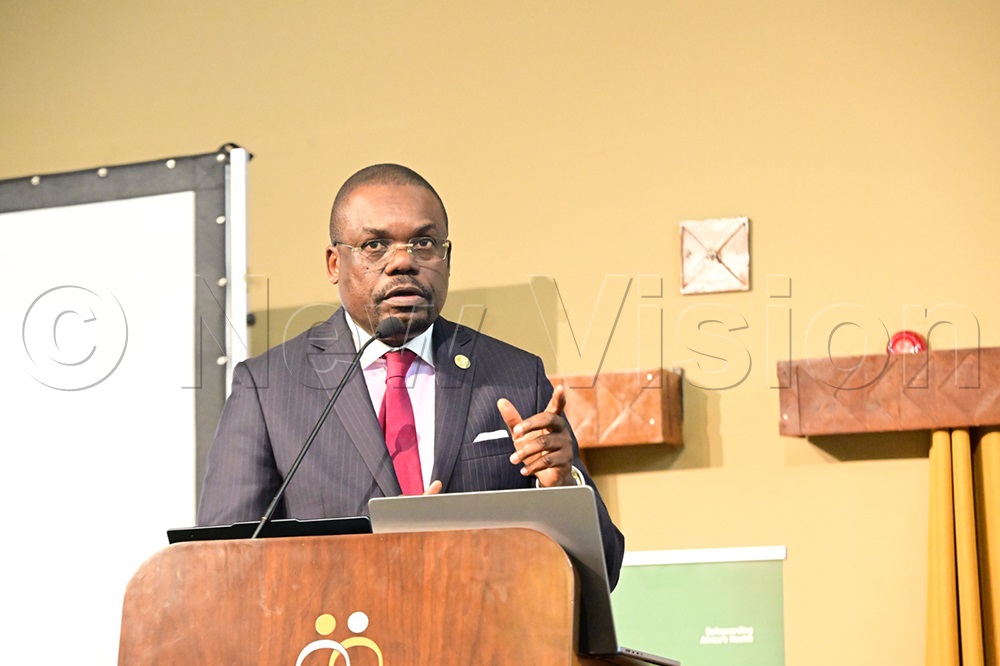
Dr Jean Kaseya, the director general of the Africa CDC. (Credit: Maria Wamala))
“This is exactly the kind of regional solidarity and collective responsibility we need to advance Africa’s health security and sovereignty agenda," he noted on May 23, during a high-level meeting on cross-border coordination on the Bundibugyo Ebola Virus outbreak in DR Congo.
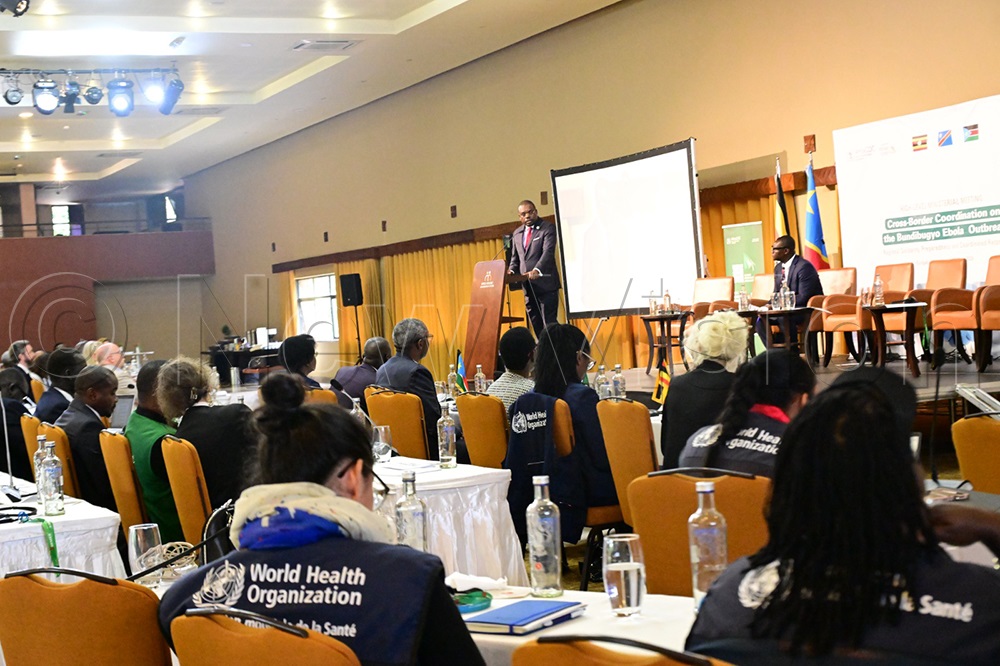
Under the theme "Regional Solidarity, Preparedness, and Coordinated Response", the meeting opened at Speke Resort Conventional Centre, Munyonyo, Kampala on May 23, 2026.
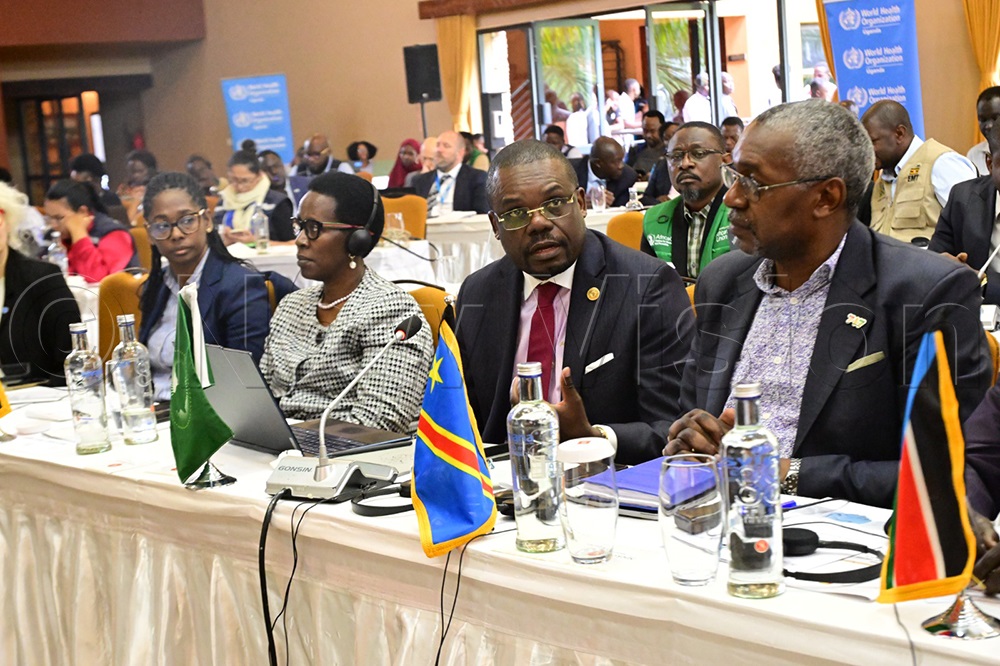
The meeting organised by the World Health Organisation and the Africa Centre for Disease Control and Prevention (Africa CDC) attracted senior officials and technical experts from the health ministries of Uganda, the Democratic Republic of the Congo, and South Sudan to discuss and lay out a strategy on how to deal with the Ebola epidemic that is ravaging the region.
(Credit: Maria Wamala)
(Credit: Maria Wamala)
Dr Kaseya further noted that Uganda's acceptance to host the regional Incident Management Support Team coordination hub in Kampala is a strong demonstration of leadership, solidarity, and commitment to protecting the health and lives of our people.
Through this arrangement, Kampala will serve as an important operational coordination platform bringing together the Africa CDC, WHO, UNICEF, humanitarian organisations, technical experts, and partners supporting this response, he noted.
This coordination mechanism, according to Dr Kaseya, will strengthen information sharing, technical deployments, operational planning, and rapid response activities across affected and at-risk countries in our region.
He also thanked all partners, ambassadors, technical teams, humanitarian organisations, and member states for their solidarity and commitment.
“Let us move from discussion to action. Let us ensure that the decisions taken here translate into concrete support for affected communities and stronger protection for our region. Together, through solidarity, coordination, and collective responsibility, we can contain this outbreak and safeguard the health and future of our people,” he noted.
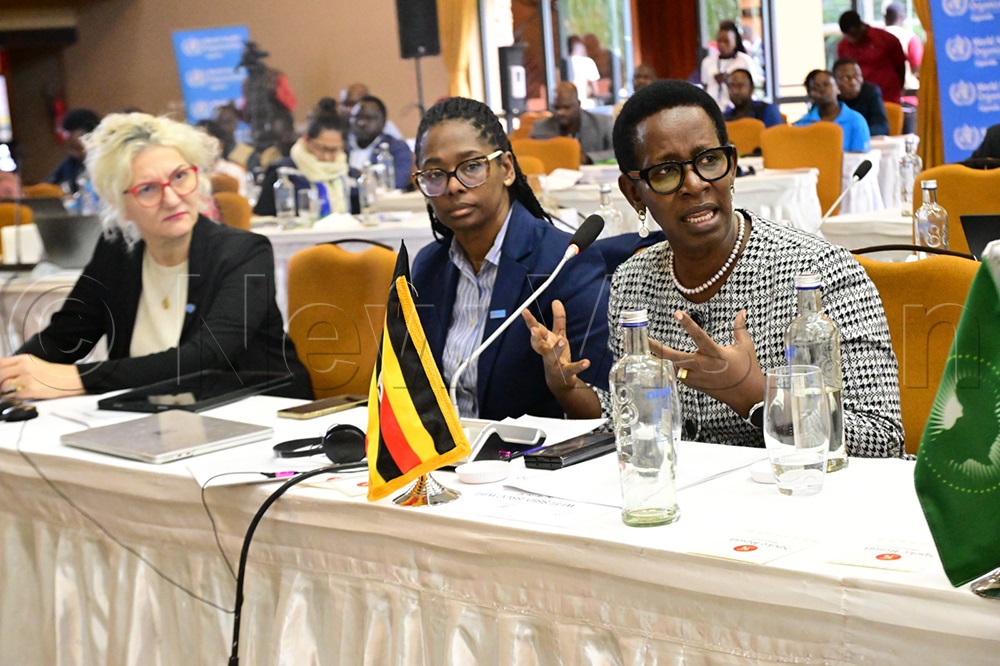
Ministry of Health's permanent secretary, Dr Diana Atwine. (Credit: Maria Wamala)
The Ministry of Health's permanent secretary, Dr Diana Atwine, called for urgency in responding to the Ebola Bundibugyo outbreak.
“We need to be very fast in whatever we are doing because every single day that we get an Ebola patient not isolated, it means results in a multiplier effect,” Dr Atwine said.
Participants at the meeting included representatives from key international and regional partners, including UNICEF, Africa CDC, UK FCDO, the European Union, and the World Bank.
The Ebola burden
Ebola is a rare, severe, and often fatal viral illness in humans and non-human primates.
The signs and symptoms of the disease include sudden onset of fever, fatigue, muscle pain, headache, vomiting, diarrhea, yellowing of the eyes, and unexplained bleeding, which manifests as a late symptom.
As of May 23, 2026, a total of five confirmed cases of Ebola Virus Disease have been recorded in the country of Uganda, according to data from the Ministry of Health.
Ebola Virus Disease (EVD) remains one of the most severe and lethal infectious diseases known to affect humans, with case fatality rates that can exceed 50% in the absence of prompt and effective intervention.
On May 15, 2026, the Minister of Public Health, hygiene, and Social Welfare of the DRC officially declared the 17th EVD epidemic in the country's history following laboratory confirmation of the Bundibugyo strain, a species of
Ebolavirus was last seen in Uganda in 2007-2008 and in the DRC in 2012. The outbreak was first signaled on May 5, 2026, through social media reports of an unusual cluster of deaths in the Mongbwalu Health Zone, Ituri Province, an area situated just 70 kilometers from Bunia, the provincial capital, and characterised by high population mobility, active mining activity, and frequent cross-border movements toward Uganda.