
Research proposes solution to private schools’ financial woes
Dusengimana argues that financially sustainable schools are better positioned to invest in infrastructure, support teachers, improve the learning environment and contribute to Uganda’s development.
Dusengimana's model will help secondary schools stay afloat. (Credit: Ritah Mukasa)
A new financial management model could help Uganda’s private secondary schools improve profitability, liquidity, infrastructure investment and long-term sustainability despite operating with limited resources, according to research by Stephen Dusengimana.
Dusengimana, a lecturer, researcher and finance professional, developed the Integrated Cost Management Performance Model (ICMPM) after three years of investigating how private secondary schools can manage their limited resources more effectively.
Using Kagadi district as a case study, he established that cost-management practices play a key role in determining the financial performance of private secondary schools.
Dusengimana completed his Doctor of Philosophy (PhD) in Accounting and Finance at Nkumba University with graduation slated for October 24, 2026.
Research findings
His research, titled Cost Management Practices and Financial Performance of Private Secondary Schools in Uganda, emphasises that budgeting, financial reporting and cost control are key determinants of financial performance.
Dusengimana believes that an institution’s success does not depend only on the money it receives, but also on how effectively it plans, controls, accounts for and utilises its financial resources.
“These findings indicate that schools perform better when budgets are transparent, financial reports are complete, and cost management procedures are standardised,” Dusengimana says.
However, his research found that some schools lacked regular budget reviews, effective variance monitoring, comprehensive financial reporting, external audits, stakeholder involvement and systematic cost-effectiveness assessments.
To address these gaps, Dusengimana developed the Integrated Cost Management Performance Model.
How the model works
The ICMPM integrates budgeting, financial reporting, cost control, transparency, accountability and performance monitoring into a co-ordinated framework for improving financial management in schools.
The model provides a practical framework that school proprietors, headteachers, bursars and governing bodies can use to make informed financial decisions, minimise resource wastage, strengthen accountability and promote institutional growth.
Dusengimana teaches accounting, finance and business-related courses at universities and other tertiary institutions. He has served at Bugema University, Victoria University and Lincoln University in Malaysia.
Since 1993, when the Government liberalised the education sector, thousands of schools have been established by private investors. According to the Uganda Bureau of Statistics, there are over 4,000 private secondary schools in the country.
However, many of these operate under financial constraints arising from limited resources.
Dusengimana argues that financially sustainable schools are better positioned to invest in infrastructure, support teachers, improve the learning environment and contribute to Uganda’s development.
His research shows that effective cost management should not simply focus on reducing expenditure. Instead, it should ensure that available resources are directed towards improving teaching and learning, investing in school infrastructure, maintaining financial stability and promoting long-term institutional sustainability.
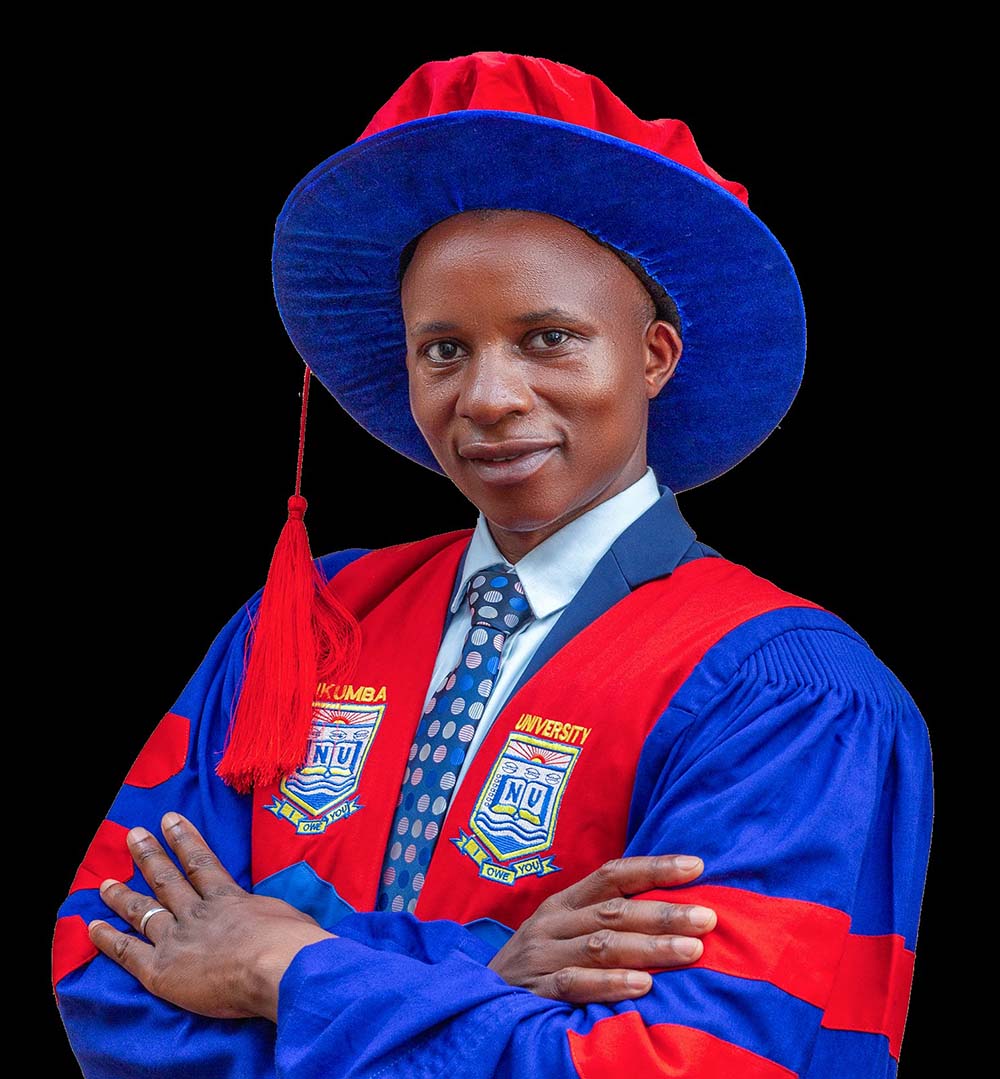
Stephen Dusengimana
Recommendations
Dusengimana recommends that private secondary schools adopt an integrated and transparent approach to financial management.
He says schools should prepare realistic annual budgets, involve relevant stakeholders in the budgeting process and regularly compare actual expenditure with budgeted figures.
School administrators should also ensure that financial reports are complete, accurate, consistent and prepared on time.
“The adoption of the ICMP model will provide schools with a practical framework for coordinating the above activities,” he says.
Dusengimana also tasks education stakeholders, including the education ministry, school proprietors and governing bodies, with strengthening financial management training and accountability mechanisms in private schools.
School leaders and finance personnel should receive continuous professional development in budgeting, financial reporting, cost control and strategic financial planning.
PhD journey
Dusengimana began his PhD journey in 2023. As a self-sponsored student, he faced many challenges but remained focused.
However, the experience taught him financial discipline, personal sacrifice, careful planning and perseverance. Above all, he says, faith in God, support from his family and supervisors, and his determination to achieve his goal sustained him throughout the journey.
“I learned that setbacks are not necessarily signs of failure but opportunities to learn, improve, and grow,” he says.
Future plans
Over the next 10 years, Dusengimana envisions living a purpose-driven life as an established scholar, senior academic and researcher.
He plans to contribute to curriculum development, mentor young researchers and publish research in reputable academic journals.
Dusengimana also intends to promote his model in educational institutions while undertaking further research to assess its effectiveness in different contexts.
“I want my contribution to be measured not only by academic qualifications or professional positions but by the people I mentor, the institutions I strengthen, and the practical solutions my research provides to society,” he says.
Advice to aspiring PhD candidates
Dusengimana’s message to people hoping to pursue doctoral studies is simple: “Be prepared for a demanding journey, but do not fear to start.”
A PhD, he says, requires more than intelligence or academic ability. It demands discipline, patience, resilience, intellectual curiosity, financial planning and a genuine desire to contribute new knowledge.
First, aspiring candidates should choose a research topic that addresses a meaningful problem and about which they are passionate.
Second, they should plan their finances and time carefully. Doctoral studies can be financially and emotionally demanding, particularly for self-sponsored candidates balancing employment and family responsibilities.
He advises candidates to develop realistic budgets, establish research timetables and make consistent progress.
Third, candidates should maintain good relationships with their supervisors. They should be receptive to criticism, submit their work on time, ask questions whenever they need clarity and remember that corrections are part of academic development.
Dusengimana also advises aspiring researchers to read widely, write regularly, keep proper records of their research and maintain academic integrity.
They should build a support system, take care of their wellbeing and learn to manage the pressure that comes with demanding academic work.