
Govt lifts ban on school trips, academic tours
Muyingo called on school proprietors, governing boards, headteachers, transport providers and parents to work together to ensure that learner safety remains the highest priority. The Ministry is expected to provide further details on implementation of the new guidelines as schools prepare for the return of educational trips.
Every trip and bus must have a teacher in charge, while schools are required to notify the police of the destination, number of learners travelling, mode of transport and contacts of the headteacher and accompanying teacher.
KAMPALA - The Ministry of Education and Sports has lifted a ban on school trips and academic trips.
Officials said that the resumption of trips will commence next year in February during term one.
The acting education minister, Dr John Chrysostom Muyingo, said an inter-ministerial committee comprising relevant ministries, departments and agencies had developed new guidelines to improve the safety of learners during school trips.
The committee, Muyingo added, also reviewed safety arrangements following fatal road accidents involving learners.
“I am pleased to report that the inter-ministerial committee comprising relevant ministries, departments and agencies has been working together developing comprehensive guidelines for safety transformation of learners during school trips. We have sat together, and we have developed those guidelines. The committee has done a good job. This signature is already available to sign, and we have agreed by the end of this academic term,” Muyingo said during a meeting with stakeholders on Thursday.
The guidelines are expected to be signed before the end of the current academic term, paving the way for schools to resume visits to tourist attractions and other educational sites in February next year.
Government suspended all school trips on July 17, 2026, following a series of fatal road accidents involving learners, including a crash that claimed the lives of nearly 20 pupils from King David Junior School in Makindye.
Announcing the progress made in reviewing the safety measures, Muyingo said the committee had completed its work and developed comprehensive guidelines to address the risks associated with school travel
"We have sat together, and we have developed those guidelines. The committee has done a good job. This signature is already available to sign. We have agreed that by the end of this academic term, schools can begin safe travel to tourist attractions and other study trips," Muyingo said.
The suspension was intended to give government time to review existing arrangements and strengthen the regulatory framework governing school tours and educational excursions.
Schools were also required to conduct risk assessments, obtain necessary approvals, inform parents about travel arrangements, avoid overnight journeys, ensure drivers were well rested and maintain appropriate teacher-to-learner supervision throughout trips.
The July suspension followed growing concerns about the safety of learners travelling for school activities.
The King David Junior School tragedy in Makindye, in which more than 20 children died as pupils returned from a study tour to Sipi Falls, heightened public concern, with grieving parents questioning the safety arrangements made by schools organising excursions.
The tragedies prompted government to suspend all school trips indefinitely as the Ministry of Education worked with the Uganda Police, the Ministry of Works and Transport and other agencies to review safety arrangements.
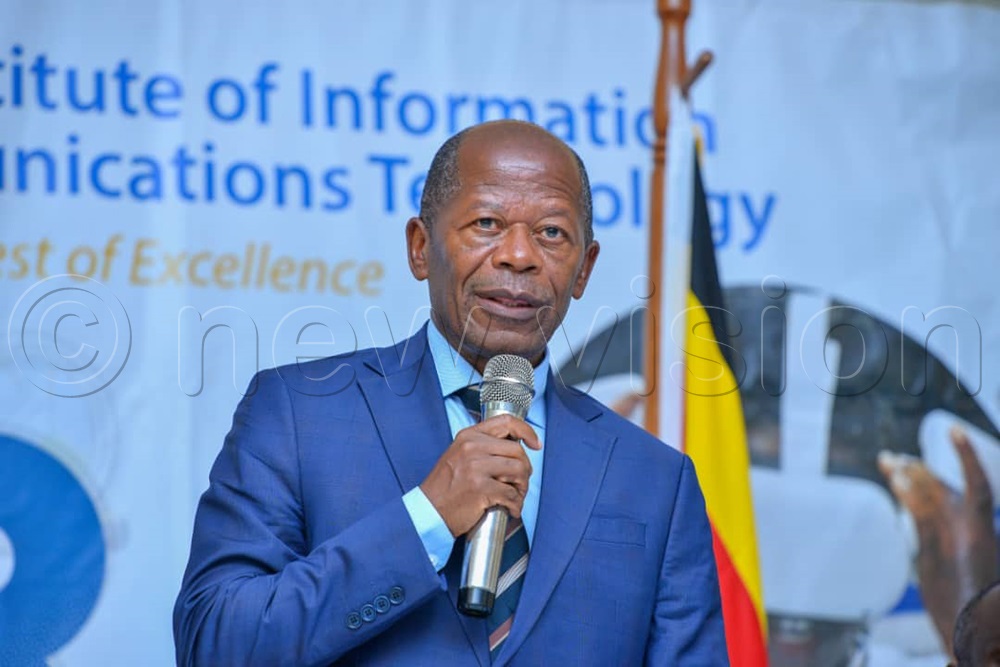
The committee, Muyingo added, also reviewed safety arrangements following fatal road accidents involving learners.
‘Trips are back’
However, the planned resumption is welcomed by schools that consider educational visits an important part of learning.
School trips give learners opportunities to connect classroom lessons with practical experiences through visits to historical sites, industries, museums, national parks and other educational institutions.
"We thank the ministry for reviewing the suspension and allowing school trips to resume. Children learn a lot when they visit places and see what their teachers explain in class. We only ask schools to follow the safety guidelines because the lives of our children must come first," Namuvu said.
On her part, Evelyn Nakatudde, one of the directors of Bright Primary School in Kayunga, also welcomed the development, saying educational excursions complement classroom teaching and expose learners to practical experiences that are important in today's curriculum.
"We thank the ministry for recognising the importance of educational trips. Learners need practical exposure to understand some of the things they study in class. Visits to historical sites, industries and other learning institutions broaden their knowledge. However, schools must take responsibility for ensuring that every trip is properly organised and safe," Nakatudde said
Guidelines
Muyingo called on school proprietors, governing boards, headteachers, transport providers and parents to work together to ensure that learner safety remains the highest priority. The Ministry is expected to provide further details on implementation of the new guidelines as schools prepare for the return of educational trips.
Under the guidelines issued by the education ministry, schools are required to obtain approval from their governing bodies before organising educational trips. Each visit must have a clear educational purpose, and schools must assess the safety of the proposed destination and communicate travel arrangements to parents and other concerned stakeholders in advance
The guidelines also require schools to use vehicles that are mechanically sound, properly licensed and within the recommended passenger capacity. Drivers must hold valid driving licences and comply with traffic regulations.
Every trip and bus must have a teacher in charge, while schools are required to notify the police of the destination, number of learners travelling, mode of transport and contacts of the headteacher and accompanying teacher.
Schools must also plan journeys to ensure learners do not travel beyond 6:00pm, with clear stopovers and overnight arrangements factored in before departure. Nursery and kindergarten children are not permitted to participate in school trips, while lower primary learners may only travel under special circumstances and with maximum caution from school management.
The guidelines further require schools to provide adequate supervision throughout the journey and ensure that a teacher is present in the vehicle transporting learners.
Schools are also expected to have first-aid arrangements and trained personnel for co-curricular activities. The requirements are intended to ensure that educational visits do not expose learners to unnecessary risks.