Why SMEs are failing to meet demand for products
The other challenge, according to Mukeshiyaremye, is the increased non-tariff barriers, for example, where one country is using a different standard from the rest for the same product, making it hard for SMEs to access markets.
Vice-President Jessica Alupo shares a group picture with dignitaries from AU and the government of Uganda at the closure of the African Industrialisation week at Munyonyo on November 20, 2025. (Photos by Maria Wamala)
________________
Much as the private sector in Africa is dominated by small and medium-sized enterprises (SMEs), which create 50% employment opportunities and contribute 90% growth to the economies, they are still bogged down by poor standards.
This is because SMEs are largely informal, with low productivity, which is hindering their growth and competitiveness. The observation is made through their failure to improve their visibility and competitiveness.
The other challenge, according to Mukeshiyaremye, is the increased non-tariff barriers, for example, where one country is using a different standard from the rest for the same product, making it hard for SMEs to access markets.
“And even when they go, they can't enter such markets. There is a cost for testing, inspection and certification. So, there are those different barriers to market access,” she said.
The other challenge is information asymmetry, where one cannot have information on different market requirements while in different countries, and yet such information guides the requirements needed, the standards needed, and the technical regulation needed for an intending exporter and trader.
Nwanne Vwede-Obahor, the United Nations Development Programme's (UNDP) Resident Representative for Uganda at the opening of the African Industrialization Week at Speke Resort Munyonyo on November 17, 2025. 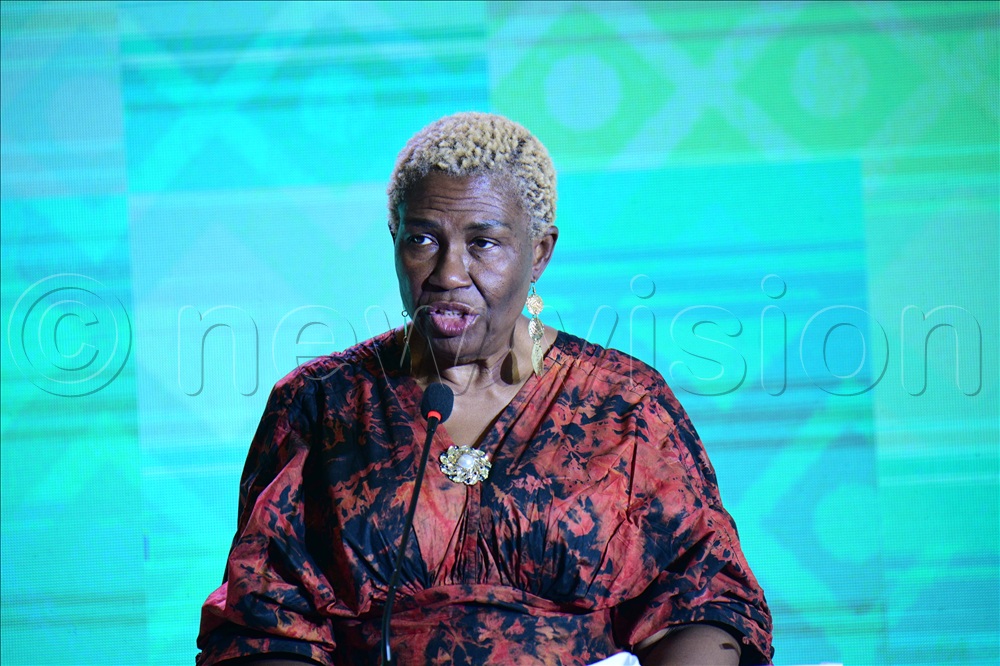
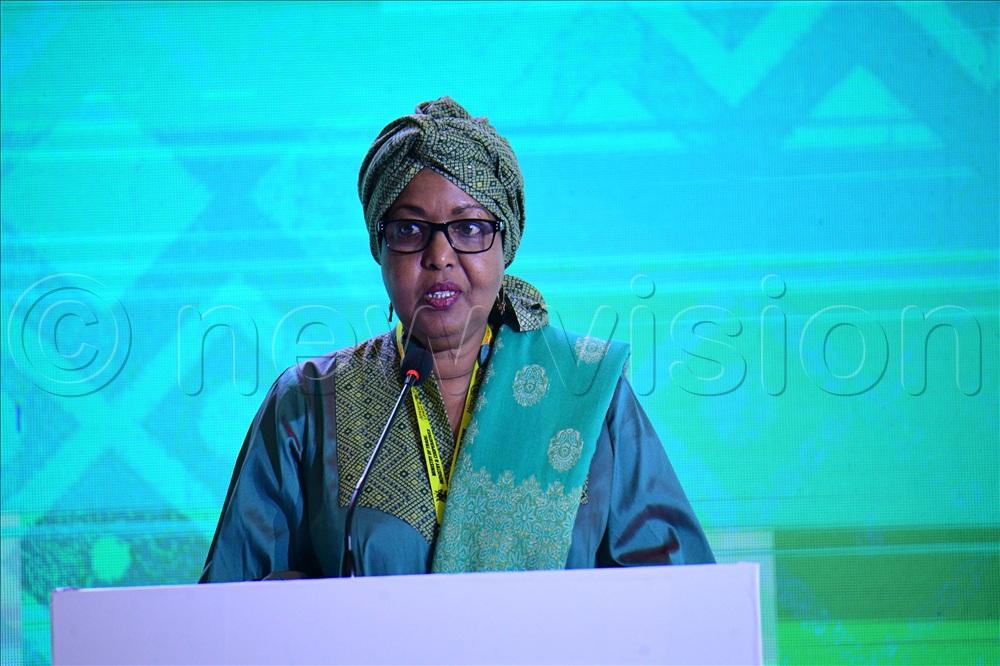
Rt.Hon.Grace.M.Kabayo Secretary General of the Pan African Women organisation (PAWO) & Senior presidential adviser at the opening of the African Industrialization Week at Speke Resort Munyonyo on November 17, 2025. 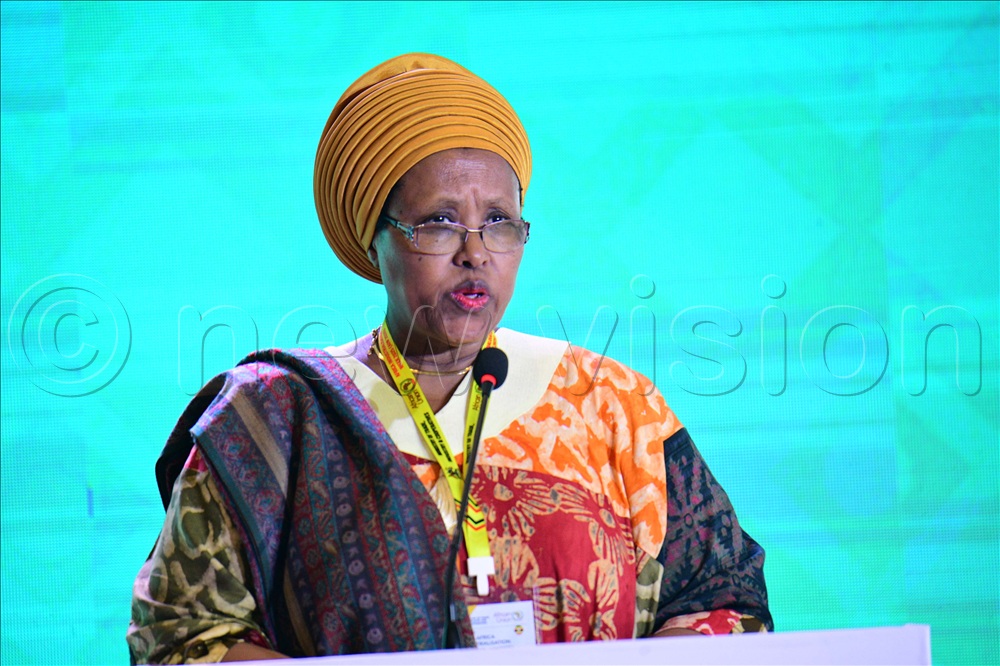
With the above challenges in place, experts are now tasking SMEs to take charge of their businesses by focusing on the quality of the products they produce to navigate the above challenges.
For this to work out, SME owners will have to invest in good manufacturing and management practices within the organisations.
“You need to maintain a safe and healthy workplace for your employees. You should have well-trained and motivated employees. You need to know the processes and these have to be written down, the procedures need to be there, and the employees need to be trained,” she added.
She added that the above tasks will also require the full involvement of senior management, adding that a study they conducted recently shows that 80% of defects are due to a lack of direct involvement of top management.
Commenting on the presentation, the principal certification officer at the Uganda National Bureau of Standards, Vincent Kasozi, said they have created an MSME division aimed at supporting small manufacturers, starting with a minimum capital of about shillings one million (about $300).
He explained the certification fees, which in total amount shillings 200,000 per product, can be paid at shillings 21 per sample.
Ron Osman, Director for Industry, Minerals, Entrepreneurship and Tourism (IMET) at the African Union Commission at the opening of the African Industrialization Week at Speke Resort Munyonyo on November 17, 2025.