
Business
FAO business support programme targets 90 wood-based enterprises
“The four-month incubation programme will lay a foundation for the development and expansion of these businesses and help harness the immense, often underestimated potential of the wood sector. Our commitment as FAO is to support business growth and job creation within the wood sector,” he said.
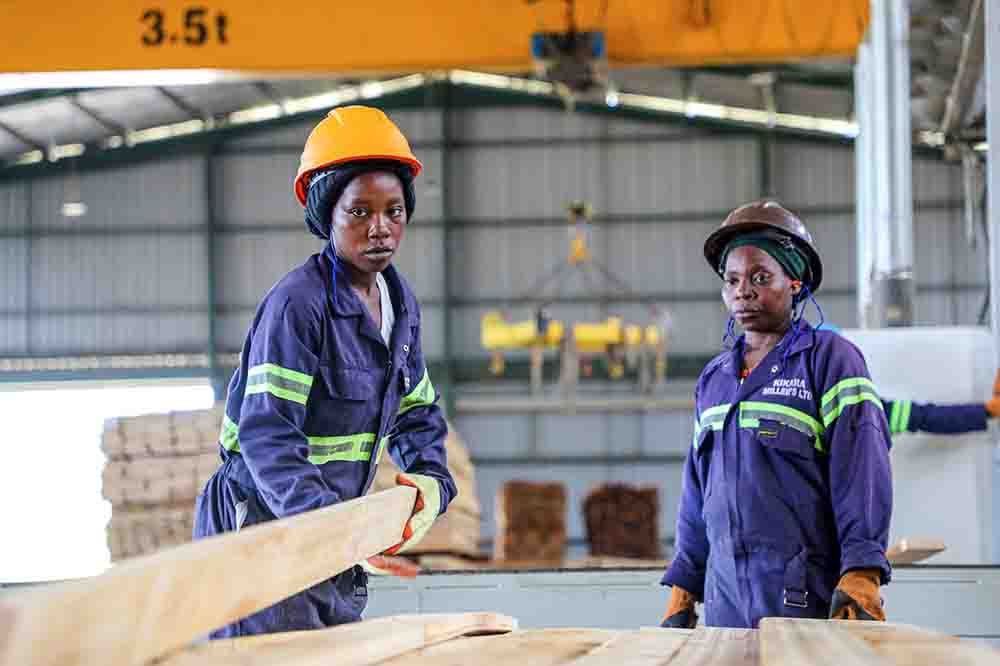
Enterprises to be selected include saw millers, timber dealers, transporters, carpentry and furniture businesses, joinery workshops, interior wood product manufacturers, and enterprises involved in wood waste utilisation and value addition SMEs. (Courtesy Photo)
By: Prossy Nandudu, Journalist @New Vision
A total of 90 forestry and wood value chain small and medium enterprises in Uganda are to receive business development services under a four-month business incubation programme.
The initiative by the Food and Agriculture Organization (FAO) is designed to build more competitive and sustainable businesses.
The aim is to enhance the sector’s contribution to economic growth and environmental stewardship, stimulate demand for sustainable wood products and also drive innovation.
Leonidas Hitimana, the forestry team lead at FAO Uganda, unveiled the list of selected enterprises to stakeholders at Hotel Africana in Kampala on Thursday.
He said the programme will support enterprises across different segments of the wood-based value chain.
Enterprises to be selected include saw millers, timber dealers, transporters, carpentry and furniture businesses, joinery workshops, interior wood product manufacturers, and enterprises involved in wood waste utilisation and value addition SMEs.
Leading business experts will deliver tailored coaching and mentorship to the businesses.
The enterprises will receive support in financial management, business planning, market access, investment readiness, product development, cost management, and profitability improvement.
Hitimana highlighted the limited access to affordable finance, ambiguity in sector regulation and limited access to high-value export markets as some of the key challenges for the wood industry.
“The four-month incubation programme will lay a foundation for the development and expansion of these businesses and help harness the immense, often underestimated potential of the wood sector. Our commitment as FAO is to support business growth and job creation within the wood sector,” he said.
Leading business experts will deliver tailored coaching and mentorship to the businesses.
The enterprises will receive support in financial management, business planning, market access, investment readiness, product development, cost management, and profitability improvement.
Hitimana highlighted the limited access to affordable finance, ambiguity in sector regulation and limited access to high-value export markets as some of the key challenges for the wood industry.
“The four-month incubation programme will lay a foundation for the development and expansion of these businesses and help harness the immense, often underestimated potential of the wood sector. Our commitment as FAO is to support business growth and job creation within the wood sector,” he said.
'Graduation model'
Jalia Kobusinge, adviser for Sustainable Development Sector, represented the European Union Delegation in Uganda.
She highlighted the importance of sustainable forest-based value chains in supporting jobs, rural development, climate resilience, and green growth.
“Forests must be protected not only as ecosystems, but also as drivers for sustainable jobs, rural development, climate resilience, and green growth. We believe in forest-based value chains that are sustainable, inclusive, gender-sensitive, and create decent employment opportunities,” she said.
Representing the permanent secretary of the Ministry of Water and Environment, Irene Nanyondo, a forest officer at the ministry, said strengthening enterprises along the value chain is critical for Uganda’s economic transformation.
“As Government, we view this initiative as a graduation model for SMEs. We expect enterprises to progressively move from informal operations to formal, compliant businesses; from producing raw materials to manufacturing value-added products; from serving local markets to becoming competitive regional and international suppliers,” she said.