
Uganda seeks investors to boost mineral value addition
Uganda is seeking partnerships in mineral exploration, extraction, processing, infrastructure and technology, with a focus on developing an industry that creates jobs, supports local enterprises and expands export earnings.
The country's delegation is led by Dorothy Samali Hyuha, Uganda's High Commissioner to Australia, alongside Vincent Kedi, commissioner for mineral licensing and administration at the Ministry of Energy and Mineral Development, and Humphrey Asiimwe, chief executive officer of the Uganda Chamber of Mines and Petroleum.
SYDNEY - Uganda is seeking international investors to establish mineral processing industries and strengthen domestic value addition as the country seeks to earn more from its mineral resources beyond the extraction of raw materials.
The investment drive is being pursued at the International Mining and Resources Conference and Expo (IMARC 2026), which opened on October 27 and runs until October 29, 2026, at the International Convention Centre in Sydney, Australia.
Uganda is seeking partnerships in mineral exploration, extraction, processing, infrastructure and technology, with a focus on developing an industry that creates jobs, supports local enterprises and expands export earnings.
The country's delegation is led by Dorothy Samali Hyuha, Uganda's High Commissioner to Australia, alongside Vincent Kedi, commissioner for mineral licensing and administration at the Ministry of Energy and Mineral Development, and Humphrey Asiimwe, chief executive officer of the Uganda Chamber of Mines and Petroleum.
Hyuha said Uganda wanted investors whose partnerships would contribute to domestic industrial development, technology transfer and local capacity building
“We welcome investors who recognise that Uganda's mineral wealth presents opportunities beyond extraction. We want partnerships that strengthen local capacity, encourage value addition, transfer technology and position Uganda more competitively within international mineral supply chains,” she said.
Uganda's mineral potential includes gold, copper, cobalt, iron ore, graphite, rare earth elements and other industrial minerals, offering opportunities for investment in processing, manufacturing and related services.
Hyuha said Uganda's participation in IMARC was intended to connect the country's investment opportunities with international financiers, mining operators and technology providers.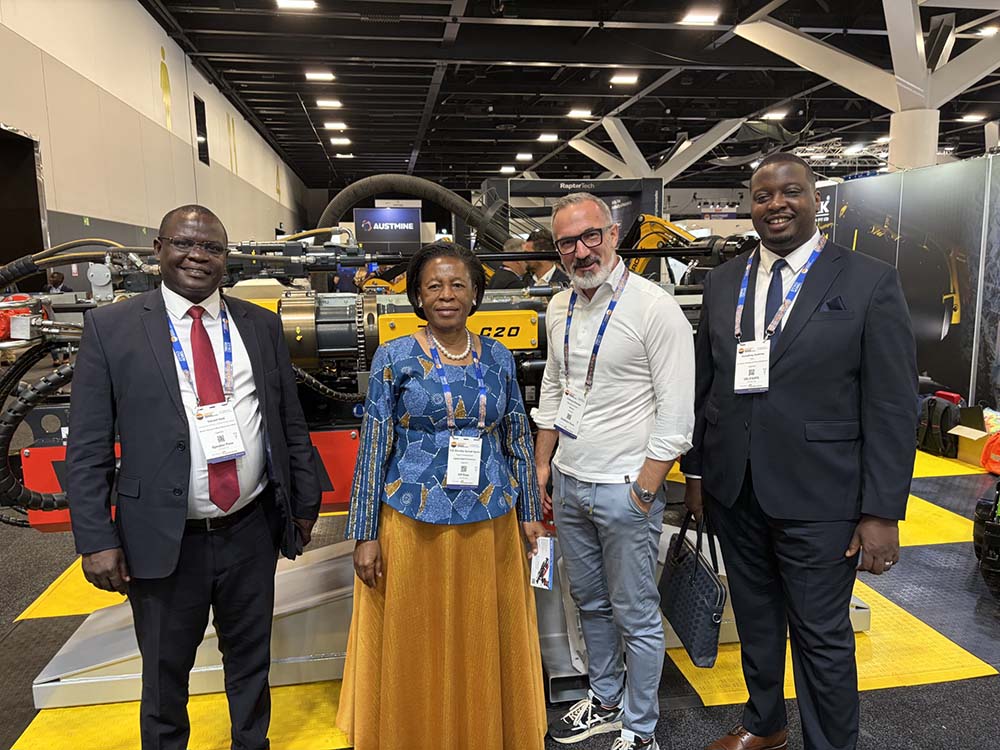
Kedi said Uganda needed to move beyond measuring the performance of its mining sector by the volume of minerals extracted and place greater emphasis on processing, skills development and industrial linkages.
“Our presence at IMARC 2026 is about positioning Uganda where global investment decisions are being shaped. We have come to engage the investors, technology providers and industry leaders whose expertise and capital can help unlock the potential of Uganda's minerals sector,” she said.
“Economic diplomacy must deliver more than visibility. It must create connections between Uganda's opportunities and the institutions capable of financing, developing and sustaining productive enterprises,” Hyuha said.
Beyond mineral extraction
Kedi said Uganda needed to move beyond measuring the performance of its mining sector by the volume of minerals extracted and place greater emphasis on processing, skills development and industrial linkages.
“The future of Uganda's mining sector cannot be defined solely by the quantity of minerals extracted. We must increasingly focus on value addition, mineral processing, skills development and opportunities for Ugandan enterprises to participate in the industry,” he said.
Kedi said geological resources alone were insufficient to build a competitive mining industry, pointing to the need for investment, technical expertise, infrastructure and commercially viable projects
He said investor confidence would depend on credible geological information, regulatory clarity and confidence in project viability.
The value-addition drive could create opportunities for Ugandan businesses to supply mining equipment and services, participate in mineral supply chains and develop specialised skills.
However, establishing processing industries also requires reliable energy, transport infrastructure, appropriate technology, skilled workers and sufficient mineral supplies to sustain operations.
Asiimwe said Uganda must demonstrate the commercial viability of its mineral projects to compete for international mining capital.
Private sector role
Asiimwe said Uganda must demonstrate the commercial viability of its mineral projects to compete for international mining capital.
“The global mining industry is highly competitive, and investment capital follows credible opportunities. Uganda must therefore present more than a list of mineral resources. We must demonstrate the commercial potential of our projects, the opportunities for partnership and the value proposition for investors seeking to enter emerging mineral markets,” he said.
Asiimwe said engagement with international mining operators, financiers, equipment manufacturers and technical partners could help bridge the gap between investor interest and actual project development
He said the country wanted investments that would create wider economic opportunities for Ugandans.
“The investment we seek should build an industry, not merely develop individual mines. We want to see Ugandan companies participating in supply chains, young people acquiring specialised mining skills and mineral development generating wider economic opportunities,” he said.
Mining technology
IMARC brings together investors, policymakers, mining companies and technology providers to discuss financing, project development, mineral supply chains and sustainable mining.
The conference opened with participation from senior Australian government officials, including New South Wales Premier Chris Minns, NSW Minister for Natural Resources Courtney Houssos and Australian Federal Resources Minister Madeleine King.
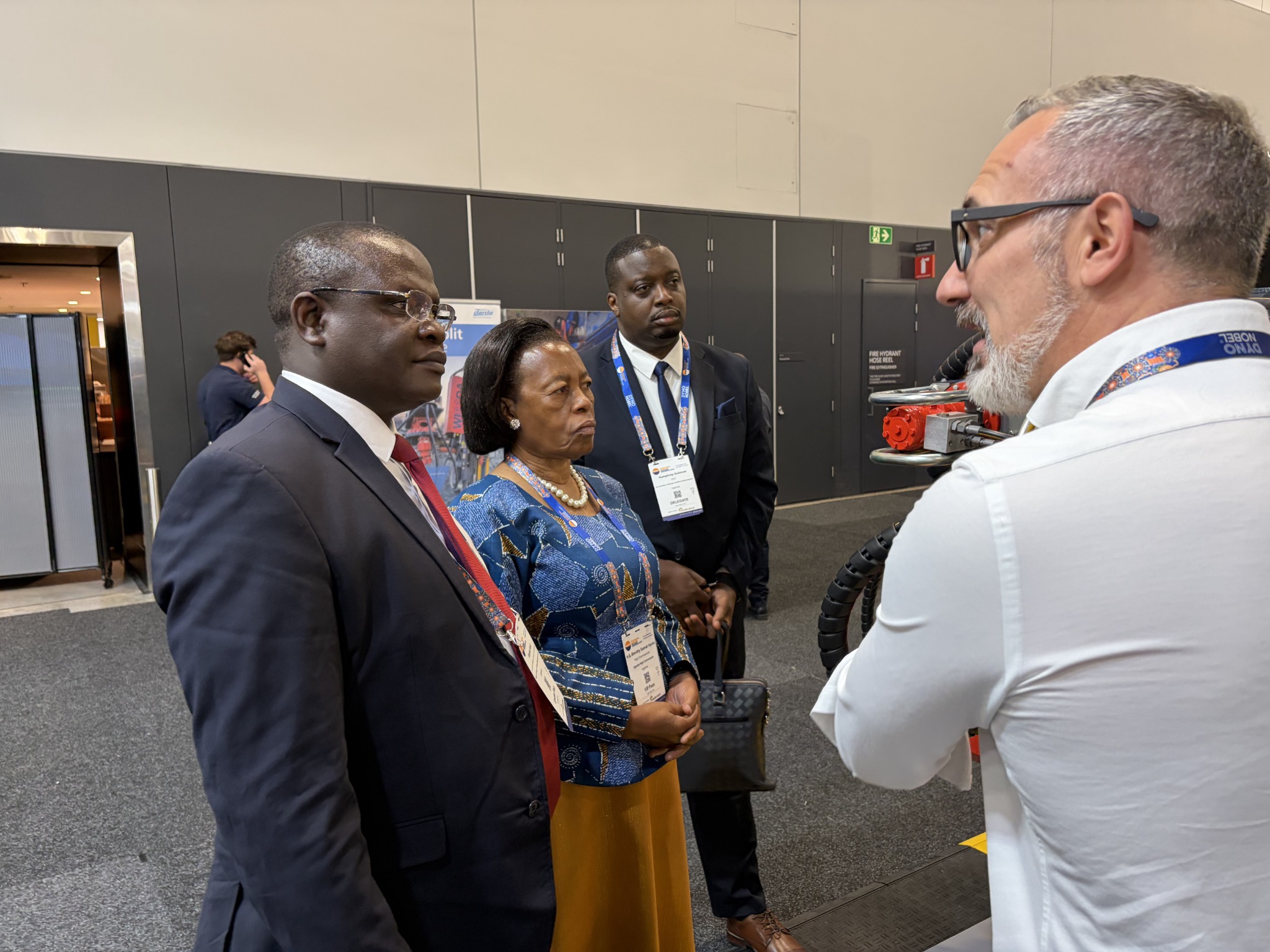
Uganda's delegation also visited the SensorMine exhibition stand, where technologies relevant to modern mining operations were showcased.
The engagement offers opportunities to explore digital technologies, operational monitoring and other innovations that could support efficient mineral development.