
Uganda's Integrated Water Resources Management plan at 64% — Stakeholders
Jeannette Wijnants, the Country Director, Welthungerhilfe (WHH), said they were delighted to support the water ministry in implementing IWRM.
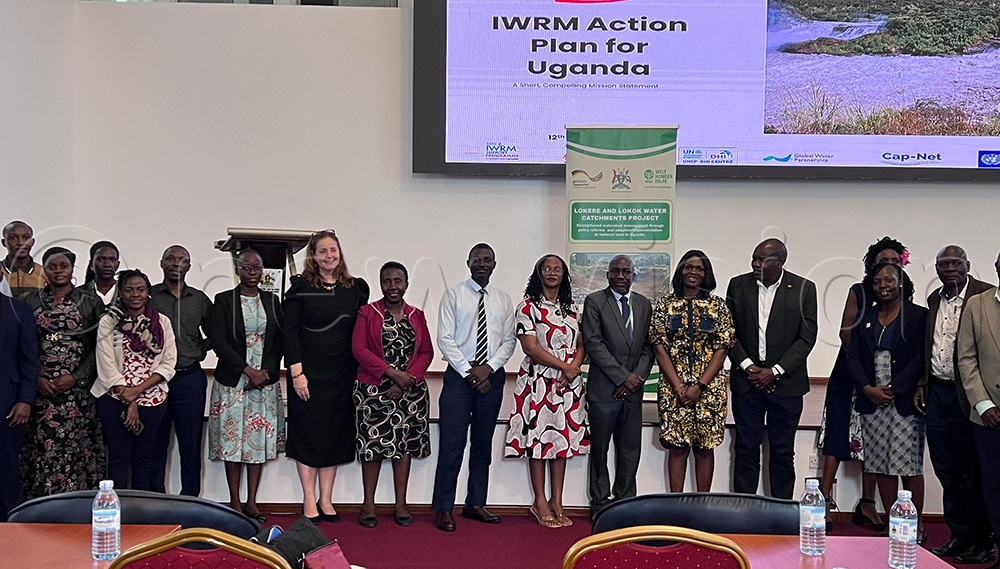
During the Thursday (March 12, 2026) stakeholders consultative meeting, Eng. Albert Orijabo (L), the Assistant Commissioner, Ministry of Water and Environment, said they had gathered at the ministry’s offices at Luzira in Kampala to prepare a national IWRM plan for Uganda.
KAMPALA - Uganda’s Integrated Water Resources Management (IWRM) plan is progressively improving, with government optimistic to reach the Sustainable Development Goal (SDG) 6 target of clean water and sanitation for all by 2030.
IWRM is a process that promotes the coordinated development and management of water, land and related resources in order to maximise economic and social welfare in an equitable manner without compromising the sustainability of vital ecosystems.
During the Thursday (March 12, 2026) stakeholders consultative meeting, Eng. Albert Orijabo, the Assistant Commissioner, Ministry of Water and Environment, said they had gathered at the ministry’s offices at Luzira in Kampala to prepare a national IWRM plan for Uganda.
Prior, the country has had four consultative meetings in the regions where the water ministry has concentrated structures, namely in Fort Portal, Mbarara, Lira, and Mbale, stressed Orijabo.
“So, we did the regional consultations. For today, we are here for the national level stakeholders,” he said.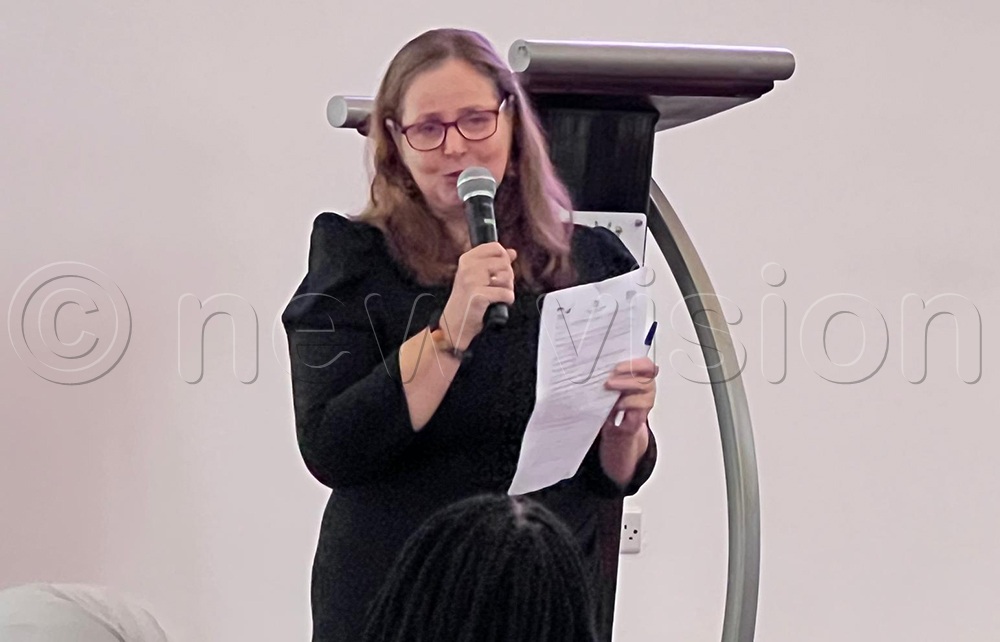
Wijnants said for the past six years, they had worked on strengthening catchment communities around the Lokere and Lokok water catchment areas.
“Uganda is implementing what we call IWRM. It’s a framework that brings in different stakeholders, different partners, to ensure that we can manage water resources of this country at the lowest appropriate level. As you are aware, everywhere we need water for industry, minerals, and tourism. We need water for everyone’s consumption, including ecosystem services.
But these honourable resources are excessively threatened, including climate change, anthropogenic factors, and encroachment of the ecosystems. So, because of these threats and the high demand for water and environmental services, their management can no longer be carried out by government alone. It has to be done by the different stakeholders, different players at all levels,” said Orijabo.
He said all Ugandans at the district, national, and all levels have roles to play so that the country can address challenges of encroachment, pollution, and demand for services.
Biggest challenge
However, Orijabo stressed that one of the biggest challenges as the country implements IWRM is the impact of climate change, “The floods that are happening in the region, prolonged period of droughts, so climate change is real, and the drivers of climate change are natural and manmade factors.
We have another challenge of excessive encroachment on the eco-systems, people are building into wetlands, actually some of the flooding is occasioned by encroachment and settlement in ecosystems of wetlands, we have a challenge of enforcement, yes, we can’t be everywhere all the time so, we need the communities to come and support us, so these challenges can only be jointly addressed.”
He added, “We expect behavioural changes, the public, depending on where you are, reduce managerial waste, make sure it is well disposed of or recycle it and free encroachment of these eco-systems because we are all the same people.”
Delighted to support govt
Jeannette Wijnants, the Country Director, Welthungerhilfe (WHH), said they were delighted to support the water ministry in implementing IWRM.
“We are delighted to have supported this important policy on IWRM, part of our role as an international NGO, with funding from the German government is to really bring all the different stakeholders together,” said Wijnants.
She said for the past six years, they had worked on strengthening catchment communities around the Lokere and Lokok water catchment areas.
“So now for this national level policy, it is part of our roles to also bring those voice perspectives or recommendations from the people in those different districts around catchments areas to bring, and ensure that their recommendations are included in the national policy, and also once the policy really becomes effective, we are here to work closely with the Government of Uganda, with academia, with different network and stakeholders to ensuring that the policy is started to action, so that we really see results,” Wijnants said.
Lorna Masika
64% achievement
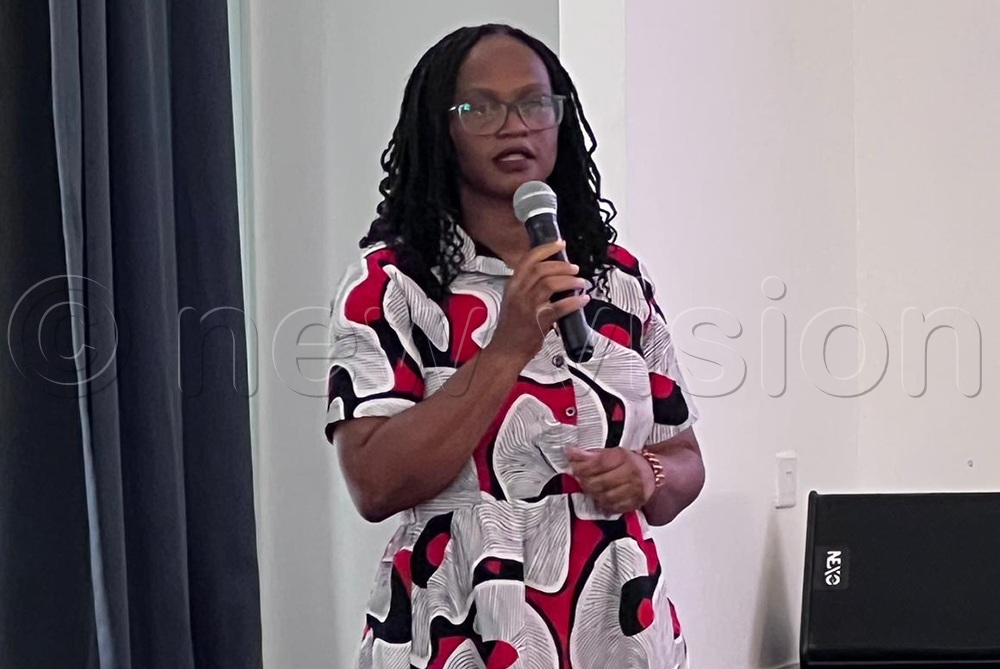
Lorna Masika, the interim regional coordinator for the Global Water Partnership Eastern Africa, said they are collaborating with the water ministry and the UN Environment Programme to support Uganda to develop what she termed the IWRM Plan.
“As you know, Uganda’s achievement is at 64%, and we are currently on track to achieve an 80% target by 2030. However, there are gaps that exist. The purpose of the Action Plan is to bring the gaps in Policy coordination, monitoring and financing towards achieving the SDG 6.5.1 target by 2030,” said Masika.