
Beekeeping will ensure PWDs' financial, social independence, says ex-legislator Mulindwa
“Beekeeping is disability-friendly with minimal input and is not labour-intensive,” Mulindwa said. “All you need is a quiet location such as a forest reserve or an area near swamps where bees can thrive.”
Mulindwa says beekeeping requires minimal labour and capital compared to many other income-generating activities.
Persons with disabilities (PWDs) have been urged to embrace apiary as a pathway to financial independence and social inclusion.
Former Kasambya County Member of Parliament (MP) Patrick Mulindwa says beekeeping is an enterprise which is low-cost, disability-friendly, and environmentally beneficial.
Mulindwa says beekeeping requires minimal labour and capital compared to many other income-generating activities.
Speaking about his advocacy for the sector on March 8, 2026, in Mubende district, Mulindwa, also a PWD, said an apiary can empower PWDs economically while strengthening their participation in community development.
“Beekeeping is disability-friendly with minimal input and is not labour-intensive,” Mulindwa said. “All you need is a quiet location such as a forest reserve or an area near swamps where bees can thrive.”
He explained that a Kenyan top-bar beehive, one of the most commonly used hives, costs between shillings 80,000 and 100,000, making it affordable for groups or cooperatives of farmers.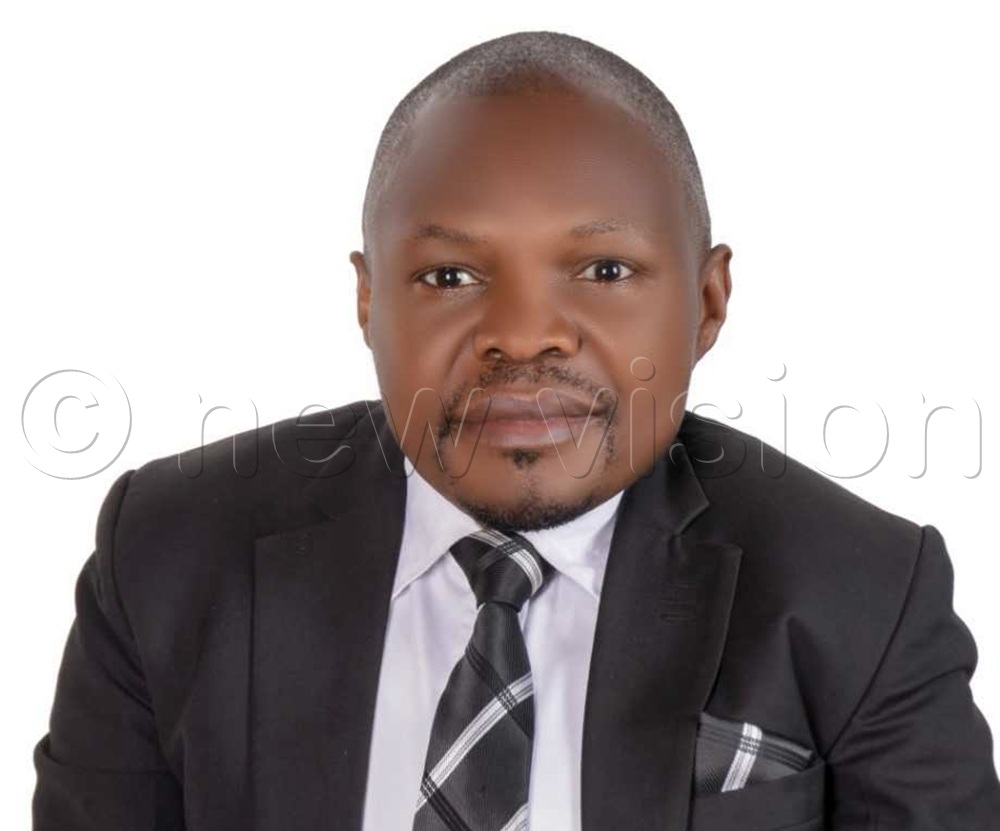
Mulindwa said, while honey is widely known as the main product from beekeeping, the most valuable commodity from bees is bee venom, which has a growing international market due to its use in medical research and treatment, including therapies related to cancer and HIV. (Credit: Rhyman Agaba)
Valuable products
Mulindwa said, while honey is widely known as the main product from beekeeping, the most valuable commodity from bees is bee venom, which has a growing international market due to its use in medical research and treatment, including therapies related to cancer and HIV.
According to him, a litre of bee venom can fetch between shillings 80 million and 120 million on the global market. Unlike honey, which is typically harvested once every six months, bee venom can be collected monthly.
“Bee venom is extracted using a specialised machine. From three to four beehives, you can collect about one gram,” Mulindwa said.
“This means that to obtain one kilogram of bee venom, you would require between 3,000 and 4,000 beehives, which could earn between shillings 80 million and shillings 120 million.”
Beyond bee venom, he said farmers can also earn income from other bee products such as honey and propolis, further increasing the profitability of the venture.
Mulindwa encouraged PWDs to organise themselves in regional groups so they can manage apiary projects collectively, share equipment, and improve production levels.
In Mubende, he revealed that he has already mobilised PWDs to form a savings and credit co-operative (SACCO) focused on apiary farming. He said this model can be replicated in other regions of the country.
“In our SACCO, each share is equivalent to 10 beehives, so members can gradually build their investment while supporting one another,” he said.
Mulindwa added that successful beekeeping requires a few essential inputs, including a small piece of land near vegetation, fencing to protect the apiary, flower gardens to provide nectar for bees, and basic equipment such as protective bee suits, gumboots, smokers, buckets, and processing tools for purifying honey.
Farmers may also need supplementary feeds like cassava flour during periods when natural food sources are limited.
He noted that government and development partners are increasingly recognising the potential of apiculture and are supporting bee farmers with training and essential inputs.
Charles Bitamazire, the chairperson of Mubende's PWD SACCO, lauded Mulindwa for providing coffee trees, eucalyptus trees, and passion fruits during his term.
"All the beneficiaries are still enjoying the fruits of these," Bitamazire said, adding that Mulindwa also enabled many villages to access piped water.
More recently, the former legislator has been praised for ambitious bee-keeping projects now impacting the PWD community. Bitamazire leads a union of 45 PWDs who have each contributed sh300,000, collectively raising sh13.5m.
"We intend to use this money to buy 10 bee hives for each member," he said, projecting that each member could earn a minimum of sh250,000 monthly, with additional income potential from bee venom.
Mulindwa also urged urban PWDs to explore other disability-friendly income opportunities alongside beekeeping, including Wi-Fi services, poultry projects, online businesses, and retail ventures such as selling airtime or electrical materials.
“Some businesses allow people to earn money even from home,” he said. “You can set up infrastructure and receive payments through mobile money, making it convenient for people with disabilities.”
Mulindwa believes that if PWDs adopt such ventures collectively and invest consistently, they can achieve economic empowerment within a short period.
“Let us get involved now,” he said. “If we work together and invest in projects like beekeeping, after six months or a year, many people with disabilities will be financially and socially independent.”