
What we know about Iran-US deal to end war
Under the agreement, the US would lift what Iran describes as a naval blockade on its ports and coastlines, in place since April 13, and "withdraw its forces" from the vicinity of Iran.
A man looks at the damage as residents displaced by the fighting return to Nabatieh in southern Lebanon on June 15, 2026. (AFP)
________________
TEHRAN — Iran and the United States have reached an agreement to end nearly four months of war, paving the way for detailed negotiations on the Islamic republic's nuclear programme and sanctions relief.
Few details have been officially released, but Iranian media have published what they say are elements of the 14-point agreement.
Before the deal was announced, Iran's Foreign Minister Abbas Araghchi said the details would only be disclosed once the agreement is signed.
Frozen assets
Following the announcement, Iran's Mehr news agency republished what it said was the contents of the framework, adding that it was not the final text.
According to Mehr, the agreement provides for a "permanent and immediate cessation of war on all fronts, including Lebanon".
It also envisages the release of $24 billion in frozen Iranian assets during a 60-day negotiation period, with half the amount to be made available before the talks begin.
The draft calls for the suspension of sanctions on the sale of Iranian oil, petrochemical products and their derivatives.
Under the agreement, the US would lift what Iran describes as a naval blockade on its ports and coastlines, in place since April 13, and "withdraw its forces" from the vicinity of Iran.
"The final negotiations will not begin before half of the frozen funds are released, Iran's oil sanctions are suspended, and the naval blockade is lifted," the agency said.
"Once finalised, I undertake to explain the details to the public," he said on Friday.
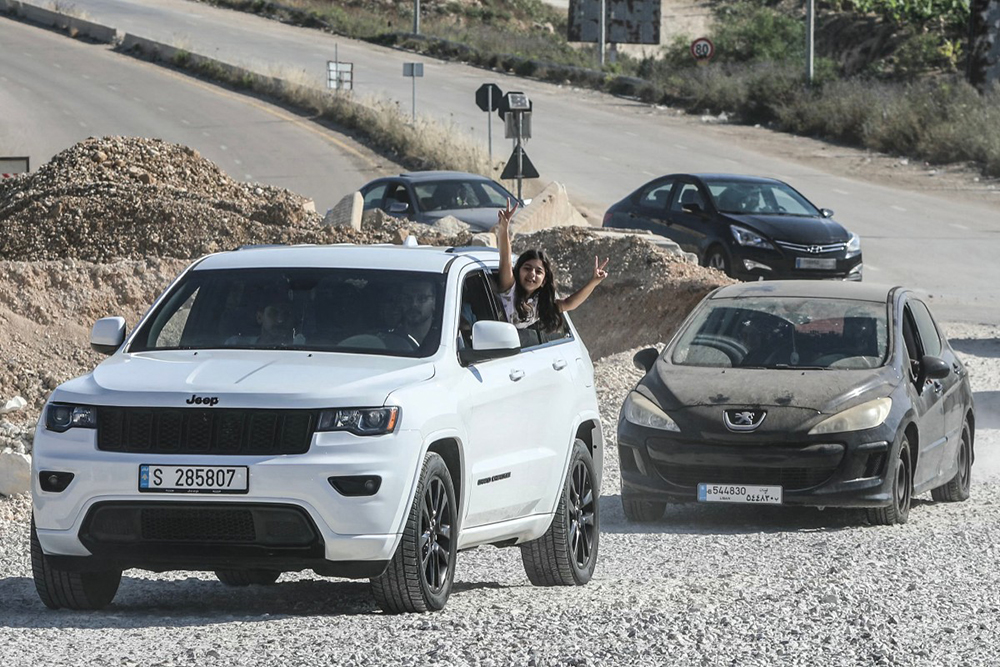
A girl flashes the V-sign from a vehicle as displaced residents cross the Bourj Rahal bridge on their way to their village in southern Lebanon on June 15, 2026. (AFP)
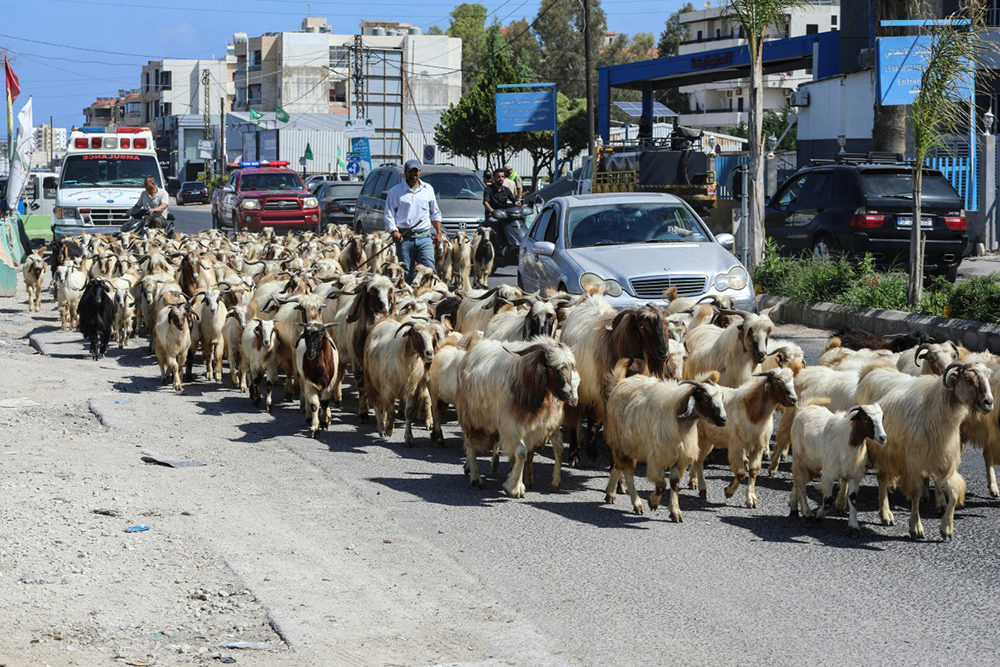
A shepherd displaced by the fighting leads his herd along a road in Tyre as he returns to his home village in southern Lebanon on June 15, 2026. (AFP)
Strait of Hormuz
Upon announcing the agreement, US President Donald Trump said on social media that the crucial Strait of Hormuz would be open "toll free".
Mehr reported that Iran would reopen the waterway "within 30 days under Iranian arrangements", without elaborating.
On Monday, Iran's Fars news agency said that Tehran had added the imposition of maritime service fees in Hormuz in the final moments of negotiations.
"The use of the term 'maritime services' means that the United States has accepted that fees will be paid to Iran," it said, quoting what it said was an informed source.
On Friday, Araghchi said charging tolls would not be acceptable under international law but that Iran would charge service fees, adding that any future arrangements would be implemented in cooperation with Oman.
"Iran has made a firm decision that the administration of the Strait of Hormuz will no longer be the same as before," he said, adding that the waterway remained an Iranian "instrument of deterrence".
The framework is intended as a precursor to 60 days of negotiations on key disputes, including Iran's nuclear programme.
Issues including Iran's enrichment activities, its stockpile of highly enriched uranium, and longstanding US and UN sanctions are expected to be discussed during that period.
Another issue to be discussed is post-war "reconstruction and economic development," according to deputy foreign minister Kazem Gharibabadi, although he did not elaborate.
He added that a mechanism ensuring compliance with the deal would also be discussed.
Araghchi said on Friday that Iran's preferred approach to its stockpile of highly enriched uranium would be "to dilute it inside Iran."
On Monday, the New York Times reported on a phone interview with Trump in which he said talks were ongoing over whether Iran would suspend its enrichment for 20 years but hinted that he might settle for a 15-year suspension.
He also insisted that Iran's uranium enrichment levels could never be used by the military and that it "can never go beyond a certain amount".
What's missing?
It remains unclear whether the negotiations will address Iran's missile programme or its support for groups known collectively as the "Axis of Resistance" opposed to Israel.
Both issues have long been central concerns for Israel.
In its report, Mehr had said that Iran's "missile programme and support for resistance groups have been definitively removed from the agenda."