
South Africa's anti-migrant unrest led over 160,000 to flee
As xenophobic groups pressed their demand for undocumented migrants to leave by June 30, citizens of other African countries flocked to consulates and community halls seeking transport home, many with only what they could carry and fearing for their lives.
A child reacts with her mother after protesters forced the family to leave their apartment during a demonstration calling for the removal of undocumented immigrants in Alexandra on July 18, 2026. (Credit: AFp
JOHANNESBURG — More than 160,000 foreign nationals left South Africa over the past two months as local groups increased violent hostility against undocumented migrants, according to an AFP tally based on figures from the repatriating governments.
The country has seen weeks of nationwide protests, several degenerating into violence that has claimed the lives of at least four migrants, although some foreign governments say the toll is higher.
As xenophobic groups pressed their demand for undocumented migrants to leave by June 30, citizens of other African countries flocked to consulates and community halls seeking transport home, many with only what they could carry and fearing for their lives.
The largest numbers to leave were from Zimbabwe and Malawi, but hundreds more were from countries including Ghana, Kenya, Lesotho, Mozambique, Nigeria and Uganda.
Releasing updated figures on Tuesday, Zimbabwe's cabinet said 108,366 of its people had come home as of July 18, a majority of them self-repatriating.
Malawi announced on Monday that more than 46,890 citizens had returned since early June, with the government providing 699 buses for the long journey home. Six people died in transit.
Nearly 2,000 Mozambicans also returned, according to South African government figures.
Some crossed the border with help from their government after two Mozambican nationals were killed at the end of May in violence following a protest in the southern town of Mossel Bay.
They were the first people to die in South Africa's latest wave of xenophobic violence.
Authorities later confirmed the deaths of an Ethiopian and a Malawian in "anti-foreigner sentiment".
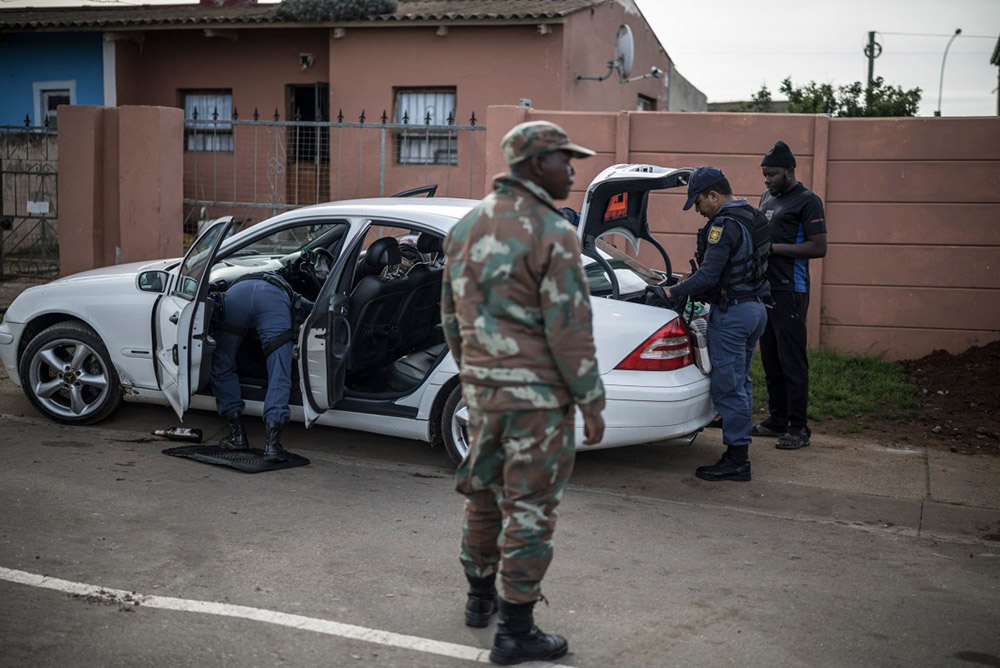
South African Police Service officers conduct a search on the car of a man suspected of harbouring looted items as an officer of the South Africa National Defence Forces (SANDF) stands guard in the Pellsrus township in Jeffreys Bay, on July 18, 2026. (Credit: AFP)
'Afrophobia'
Nigeria has said two of its nationals were killed in "the ongoing xenophobic protests and attacks of migrants".
Ghana said one of its citizens died in a Cape Town township in "anti-immigrant demonstrations linked to ongoing xenophobic attacks".
South African authorities have rejected both allegations, warning of disinformation being spread online.
Nigeria has repatriated around 1,490 nationals, while Ghana has flown home at least 926, according to government figures.
They have also demanded that the issue of "Afrophobia" be discussed at the next African Union summit, while Ghana has postponed a planned visit by South African President Cyril Ramaphosa.
The wealthiest country on the continent, South Africa has long been a destination for documented and undocumented African workers searching for work they cannot find at home.
Vigilante groups claim migrants drive up crime and take jobs from locals, fuelling tensions in townships grappling with poverty, unemployment and weak policing.
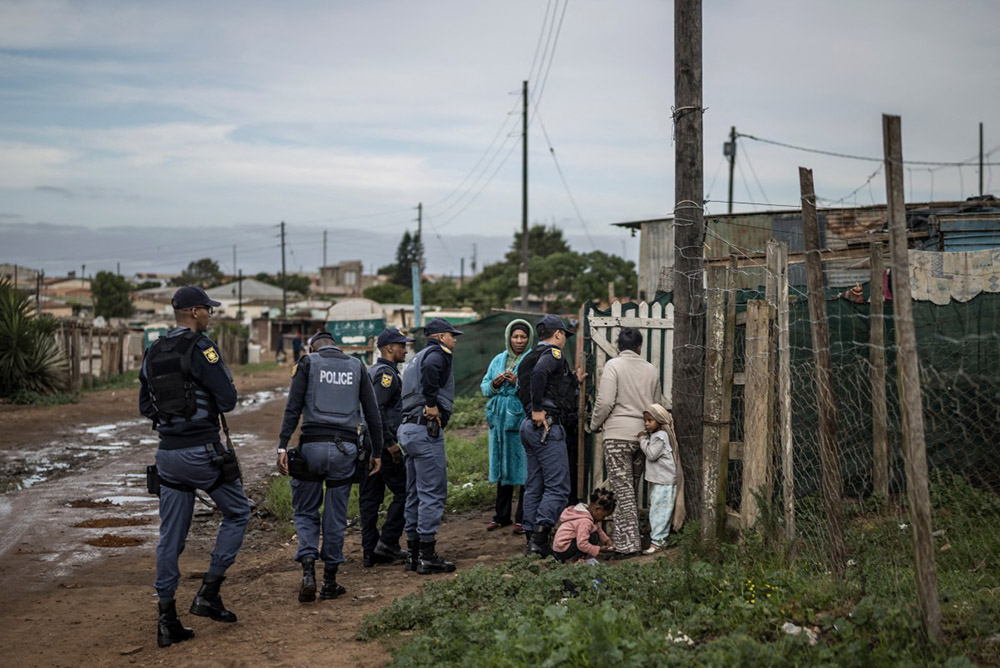
South African Police Service officers hold their hands on their holstered weapons as they conduct a search on the premises of residents suspected of harbouring looted items in the Pellsrus township in Jeffreys Bay, on July 18, 2026. (Credit: AFP)
First coordinated repatriation
Demonstrations, initially low-key in the main, began last year when undocumented foreign nationals were blocked from accessing clinics and hospitals.
Protests intensified ahead of the June 30 "deadline" and have continued since.
The anti-immigrant March and March group has vowed to organise weekly demonstrations until local government elections in November.
Waves of xenophobic violence have swept South Africa over the past decades.
In 2008, 62 people were killed in anti-immigrant riots, and thousands were displaced. Further outbreaks followed in 2015 and 2016.
Violence in 2019 saw armed mobs descend on foreign-owned businesses around Johannesburg, leaving at least 12 people dead — 10 of them South African citizens.
But this is the first time that such threats have prompted several governments to simultaneously organise coordinated voluntary repatriations for thousands of their nationals.