
No disruption to tourism as Uganda tightens Ebola vigilance
The Uganda Tourism Board (UTB) has moved to reassure travellers, tourism partners, investors and the international community following reports of Ebola cases linked to cross-border movement from the DRC.
A Karimojong homestead showcased at Speke Resort Munyonyo is one of the crowd pullers of tourists to Uganda. (Courtesy)
_________________
As travellers arrive through Entebbe International Airport and safari vehicles head towards Uganda's national parks, health authorities are quietly intensifying surveillance measures to protect the country from Ebola outbreaks reported in neighbouring Democratic Republic of Congo (DRC).
Despite heightened vigilance, Uganda's tourism industry remains fully operational, with officials emphasising that the country is safe, open and prepared.
The Uganda Tourism Board (UTB) has moved to reassure travellers, tourism partners, investors and the international community following reports of Ebola cases linked to cross-border movement from the DRC.
According to government figures, Uganda has registered a total of 15 cases associated with cross-border transmission. The affected individuals were promptly identified, isolated and placed under medical care under the supervision of the Ministry of Health.
With the exception of one Congolese national who succumbed to the disease more than two weeks ago, no additional fatalities have been recorded.
"The Government of Uganda, through the Ministry of Health and other relevant agencies, has activated comprehensive measures to prevent further transmission and safeguard public health," UTB said in a statement.
The measures include enhanced screening, contact tracing, monitoring of exposed individuals and temporary restrictions at sections of the Uganda-DRC border.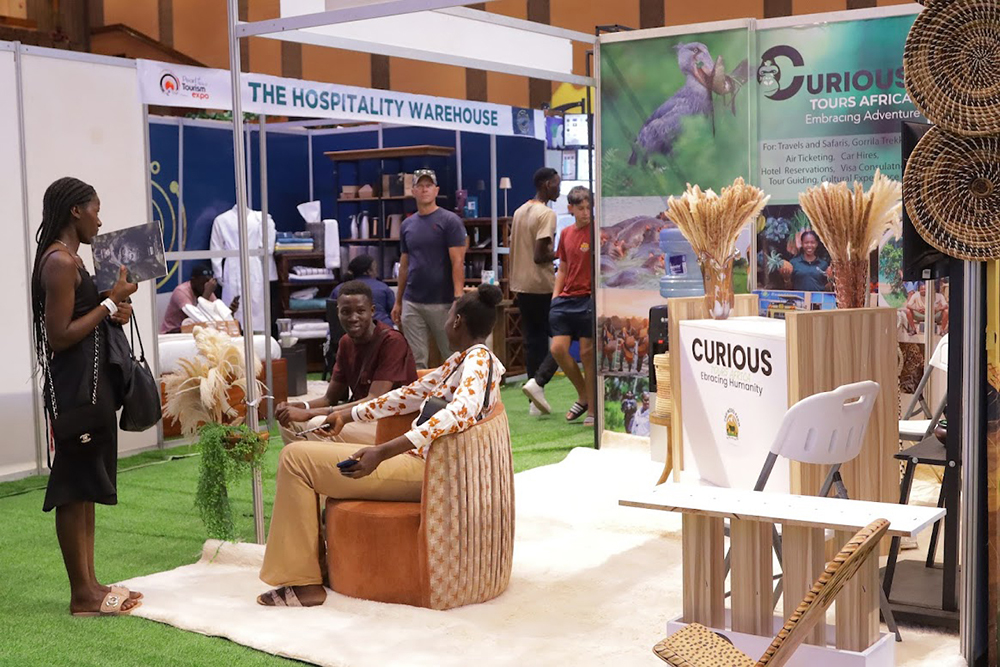
Destination Uganda being sold as a Hospitality Ware House at Speke Resort Munyonyo during POATE 2026. (Courtesy)
Uganda has earned international recognition for its ability to manage public health emergencies, having successfully contained previous outbreaks through rapid response systems and coordinated action.
Health officials say those systems have once again been fully activated.
"Teams are working around the clock to investigate alerts, monitor contacts and respond rapidly whenever a suspected case is reported," Ainebyoona said.
He noted that Uganda maintains strong laboratory testing capacity, isolation facilities, treatment units and trained rapid response teams capable of responding to public health threats.
While health authorities remain on high alert, tourism activities continue uninterrupted.
Mountain gorilla trekkers continue visiting the forests of Bwindi Impenetrable National Park, adventure enthusiasts are rafting on the River Nile in Jinja, and hotels across Kampala continue hosting conferences and business events.
For Uganda, maintaining traveller confidence is critical.
Tourism remains one of the country's leading foreign exchange earners, generating approximately $1.28 billion annually and supporting an estimated 800,000 jobs directly and indirectly. From tour guides and hotel workers to transport operators, farmers and craft vendors, millions depend on the sector's continued growth.
The tourism industry has therefore worked closely with health authorities to ensure visitors remain safe and informed.
Uganda Wildlife Authority (UWA) spokesperson Bashir Hangi said precautionary health measures remain in place at major tourism sites, particularly those involving primate tourism.
"Temperatures are checked at entry points, and visitors are monitored for any signs of illness," Hangi said.
"This precaution is not new. It is part of our long-standing conservation and visitor management strategy," he explained.
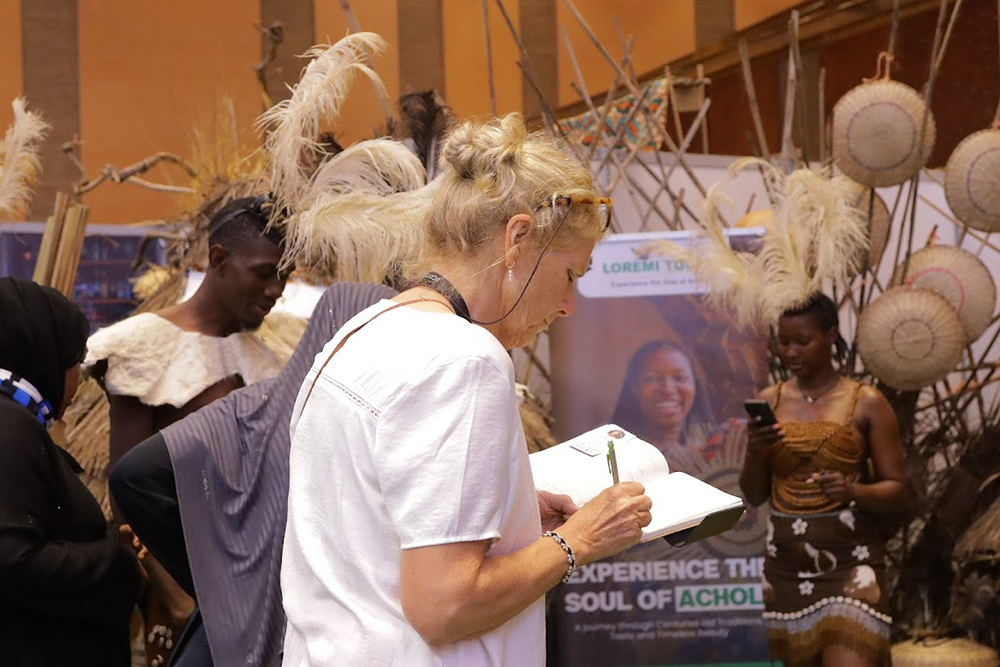
Destination Uganda is endowed with more than 50 diverse culture as exhiboited during POATE at Speke Resort Munyonyo. (Courtesy)
Although some isolated travel cancellations have been reported, tourism leaders say most international visitors continue to rely on official information and scientific guidance rather than speculation.
Uganda Tour Operators Association president Cyvie Tumusiime believes the country's reputation for transparency and preparedness has helped maintain confidence among travellers and international travel partners.
"Uganda has managed public health challenges before and demonstrated its ability to respond effectively. Visitors are reassured when they see systems working and stakeholders communicating openly," Tumusiime said.
That confidence was evident during the recently concluded Pearl of Africa Tourism Expo (POATE) 2026 at Speke Resort Munyonyo, where international buyers, travel influencers and tour operators continued engaging with Uganda's tourism products and destinations.
Industry stakeholders maintain that Uganda's attractions remain as compelling as ever.
From mountain gorillas in Bwindi and wildlife safaris in Murchison Falls and Queen Elizabeth national parks to birdwatching, cultural tourism, boat cruises and culinary experiences, the country continues to attract travellers seeking authentic African experiences.
For tourism leaders, the current situation demonstrates the importance of preparedness, transparency and effective communication.
As Uganda strengthens health surveillance and containment measures, officials remain confident that the country will continue welcoming visitors while safeguarding public health.
The message from both tourism and health authorities is clear: Uganda remains open, vigilant and ready to share the Pearl of Africa with the world.