
Woodball enthusiasm rises, but equipment costs hold back schools
District Sports Officer Lawrence Mukama highlighted this issue during the closing ceremony of a one-day woodball capacity-building workshop for games teachers and secondary school students on Friday.
Uganda Woodball Federation Technical Director Frederick Busulwa takes students of Mbirizi Seed Primary School and games teachers through woodball lessons during a capacity-building workshop at Mbirizi School in Lwengo District. Photos by Johnson Were
Equipment remains the biggest obstacle to the spread of woodball in Uganda, particularly in Lwengo District.
District Sports Officer Lawrence Mukama highlighted this issue during the closing ceremony of a one-day woodball capacity-building workshop for games teachers and secondary school students on Friday.
“As a district we are committed to developing the sport. While football and netball dominate, our biggest challenge is equipment. I appeal to the federation to support us,” Mukama said.
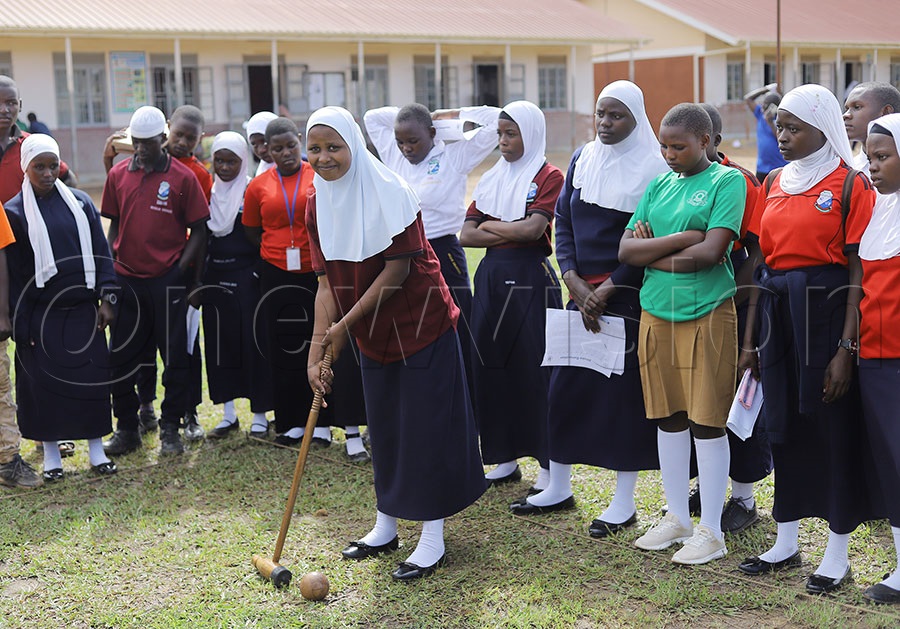
Trainees practice during the woodball Training workshop at Mbirizi Secondary School in Lwengo District
He explained that many schools are eager to play woodball, but the high cost of kits is holding them back. A standard kit, two mallets, a goal, and two balls, costs sh400,000, making it difficult for schools to provide enough equipment for learners.
The concern was echoed by Lukia Baganzi, Deputy Headteacher of Mbirizi Seed Secondary School, who urged the Uganda Woodball Federation to subsidize prices.
“Our learners love the sport, but equipment remains a challenge. We wish the federation could donate some kits or reduce the cost,” Baganzi said.
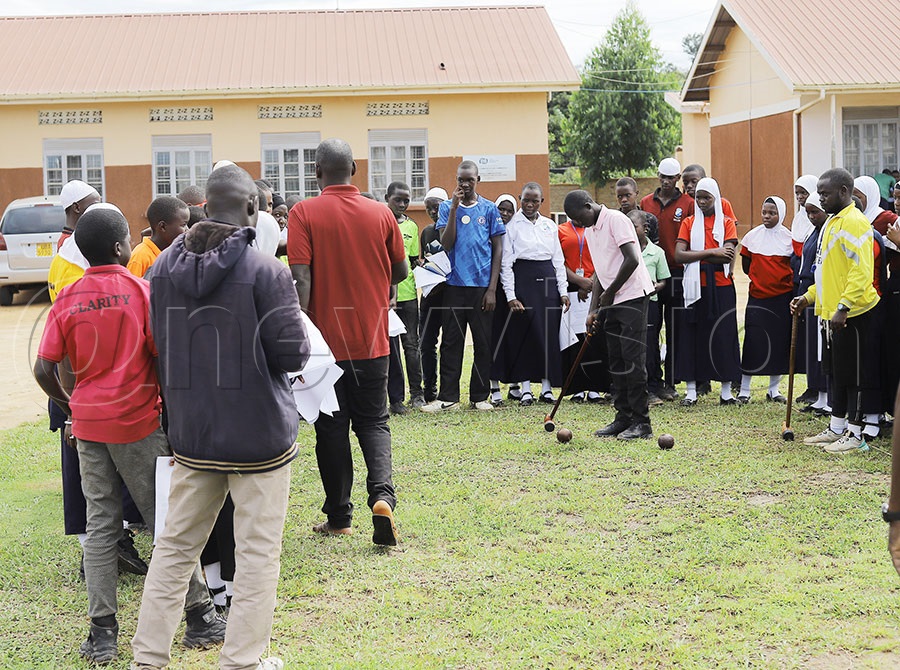
Trainees practice during the woodball Training workshop at Mbirizi Secondary School in Lwengo District
This year, the Uganda Woodball Federation has expanded capacity-building programs across several districts, including Lira, Buikwe, Mubende, Wakiso, and the 12 districts of West Nile, as well as Lwengo. The initiative also involves forming clubs and associations to comply with the 2023 Sports Act.
The act provides for the federation to cover 75percent of the districts of Uganda while association to cover 50 percent.
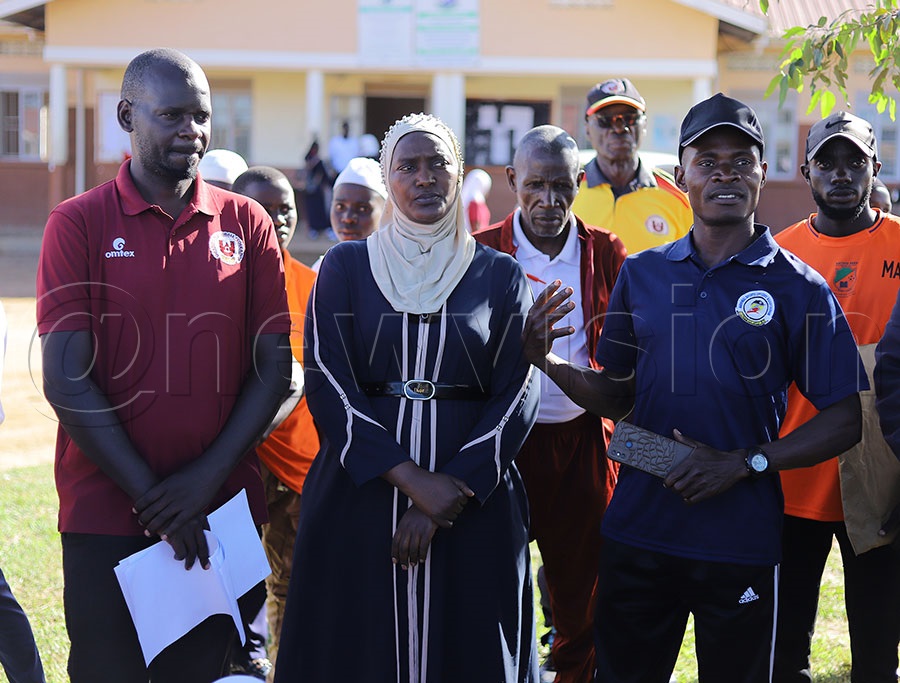
Lwengo District Sports Officer Lawrence Mukama (R) addresses trainees of woodball at Mbirizi Seed Secondary School. Looking on (C) is the school deputy headteacher Lukia Muganzi, and Buganda region woodball coordinator Ali Ahmed Kiwanuka
The Area Coordinator Ahmed Kiwanuka said that the clubs created will help them to build capacity and improve the standard of the game in the region by having competitions in the region.
The workshop was facilitated by George Isabirye and Fredrick Busulwa