
Science & Tech
Technology can make school journeys safer, authorities say
“If children are not safe, schools have no business, parents lose their loved kids, and the government loses valuable future citizens; therefore, road safety is a collective responsibility of all."
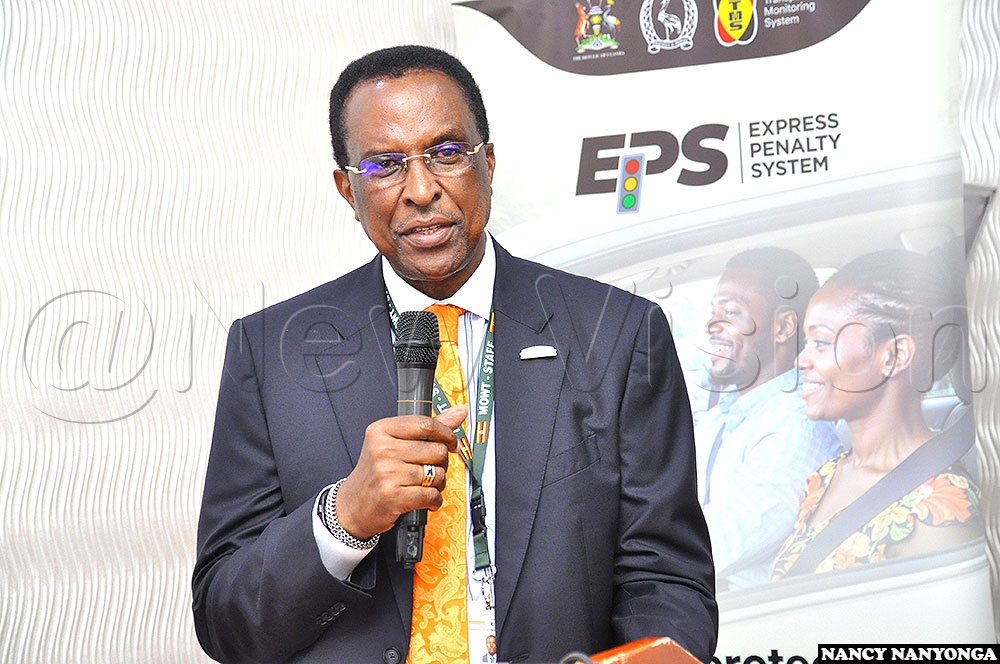
Winstone Katushabe, the commissioner for transport regulation and safety at the works and transport ministry, speaking during a stakeholders’ workshop on improving school transport safety was held at Hotel Africana in Kampala on August 7, 2026. (Credit: Nancy Nanyonga)
By: John Matrix Tiboruhanga, Journalist @
Uganda could turn to technology to strengthen the monitoring and enforcement of school transport safety, with authorities proposing real-time tracking, automated enforcement and digital records to close gaps that have continued to expose learners to road crashes.
The proposal comes amid renewed concern over the safety of school transport following a bus crash mid-last month in Kapchorwa district that killed 23 learners of King David Junior School and the school's director.
On Friday (August 7), a stakeholders’ workshop on improving school transport safety was held at Hotel Africana in Kampala.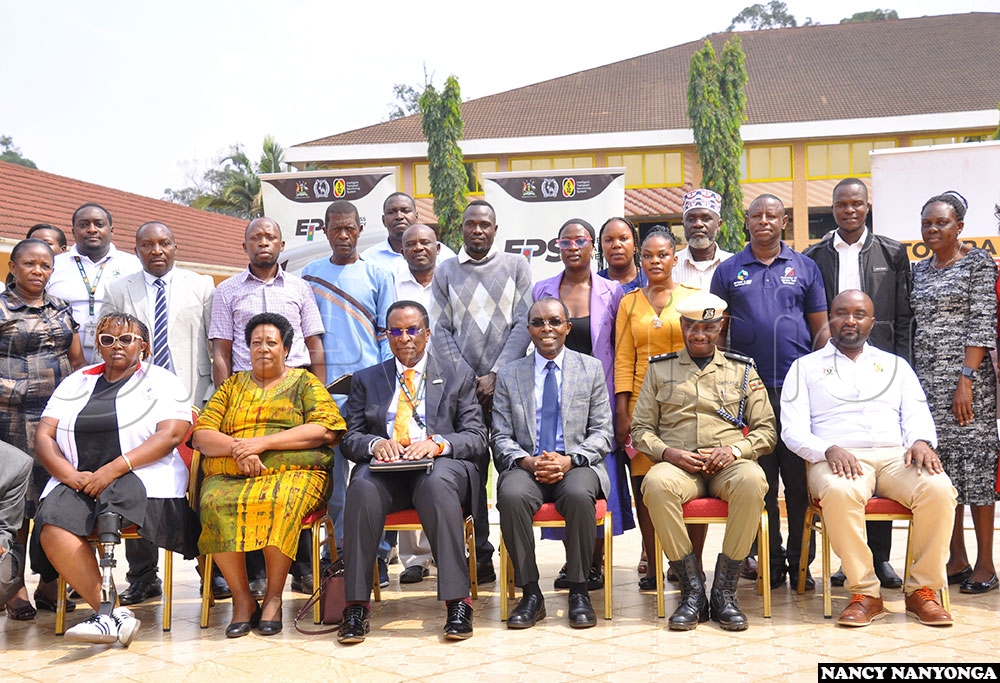
Winstone Katushabe, the commissioner for transport regulation and safety at the works and transport ministry, said unregulated vehicles, poor mechanical conditions, overcrowding, reckless driving, speeding and weak monitoring were undermining school transport safety.
“Traditional traffic enforcement continues to monitor thousands of school vehicles, creating gaps in accountability that may only become visible after an accident,” he told the workshop.
He proposed a four-pillar technology-driven roadmap covering smart enforcement and automated oversight, infrastructure and safe school operator standardisation, mandatory certification, and public transparency and community reporting.
The commissioner urged stakeholders to embrace technology in enforcement to build a proactive safety mechanism capable of identifying risks before they result in crashes.
“Smart enforcement is not merely about issuing fines. It is about building a proactive safety net that ensures every child arrives at school and returns home safely."
Katushabe (pictured below) also called for specialised certification of school-transport drivers, clean driving records, background checks and bi-annual safety audits of vehicles.
The proposed systems could allow authorities and school administrators to know where school vehicles are, how fast they are travelling and whether they are following approved routes.
Uganda already has a national technological platform that could provide a foundation for such a system, including digital number plates, AI-powered CCTV cameras and data-driven monitoring systems designed to improve road safety, traffic management and vehicle traceability.
'Collective responsibility'
Steven Turyarugayo, the public relations officer at the Intelligent Transport Management System (ITMS), said the system was ready to support technology-driven data collection and enforcement.
ITMS is charged with integrating technology into the transport system to monitor vehicle movements, manage traffic and support enforcement of road rules in real time.
Turyarugayo pointed to the Express Penalty System (EPS) as one of the mechanisms that could promote compliance among transport stakeholders and improve the safety of schoolchildren.
“Although we have AI-powered technology, the EPS can support improved vehicle identification, monitoring and enforcement while providing relevant authorities with better tools to promote compliance and accountability,” he said.
Karim Kibuuka, the chief mechanical engineer at the Ministry of Works and Transport and chief guest at the workshop, said learner safety should be treated as a collective responsibility involving government, schools, parents, drivers and other stakeholders.
“If children are not safe, schools have no business, parents lose their loved kids, and the government loses valuable future citizens; therefore, road safety is a collective responsibility of all."
Kibuuka said the government could consider giving tax waivers to schools seeking to acquire buses, provided they comply with school transport guidelines.
He said the guidelines were being discussed by Cabinet before the suspension of school tours is lifted.
Lessons from region
Steven Turyarugayo, the public relations officer at the Intelligent Transport Management System (ITMS), said the system was ready to support technology-driven data collection and enforcement.
ITMS is charged with integrating technology into the transport system to monitor vehicle movements, manage traffic and support enforcement of road rules in real time.
Turyarugayo pointed to the Express Penalty System (EPS) as one of the mechanisms that could promote compliance among transport stakeholders and improve the safety of schoolchildren.
“Although we have AI-powered technology, the EPS can support improved vehicle identification, monitoring and enforcement while providing relevant authorities with better tools to promote compliance and accountability,” he said.
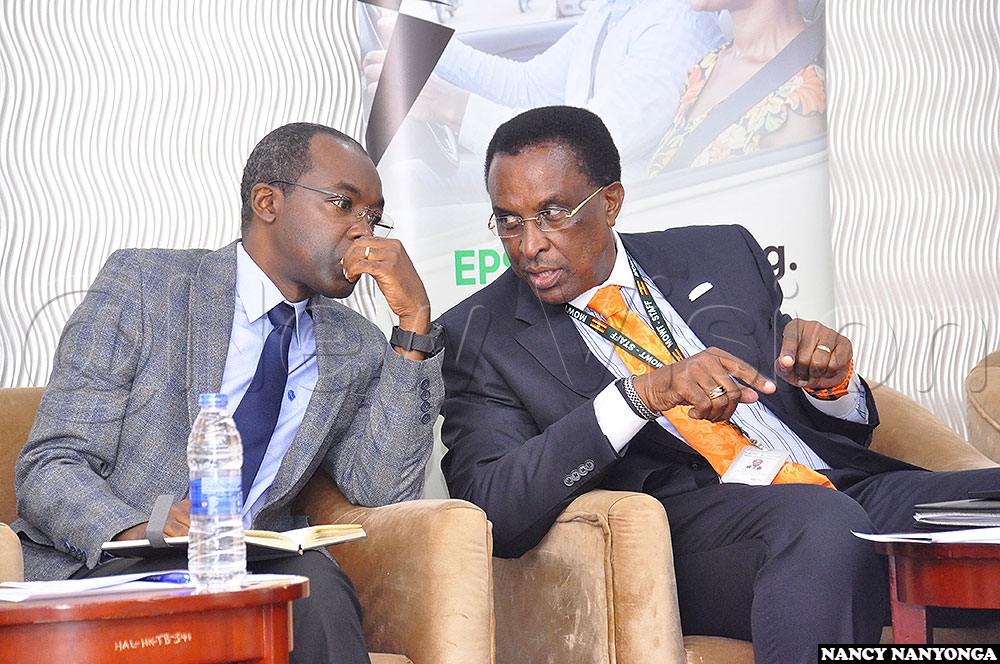
From left, education ministry spokesperson Dennis Mugimba and works & transport ministry commissioner Winstone Katushabe
Karim Kibuuka, the chief mechanical engineer at the Ministry of Works and Transport and chief guest at the workshop, said learner safety should be treated as a collective responsibility involving government, schools, parents, drivers and other stakeholders.
“If children are not safe, schools have no business, parents lose their loved kids, and the government loses valuable future citizens; therefore, road safety is a collective responsibility of all."
Kibuuka said the government could consider giving tax waivers to schools seeking to acquire buses, provided they comply with school transport guidelines.
He said the guidelines were being discussed by Cabinet before the suspension of school tours is lifted.
Lessons from region
The need for stronger school transport systems has become more urgent following the Kapchorwa crash.
The bus carrying pupils of Ndejje-based King David Junior School in Wakiso district was returning from an educational tour to Sipi Falls when the driver reportedly lost control at a spot in Chekwatit village.
The bus veered off the road, struck a large stone and overturned, killing over a score of the occupants.
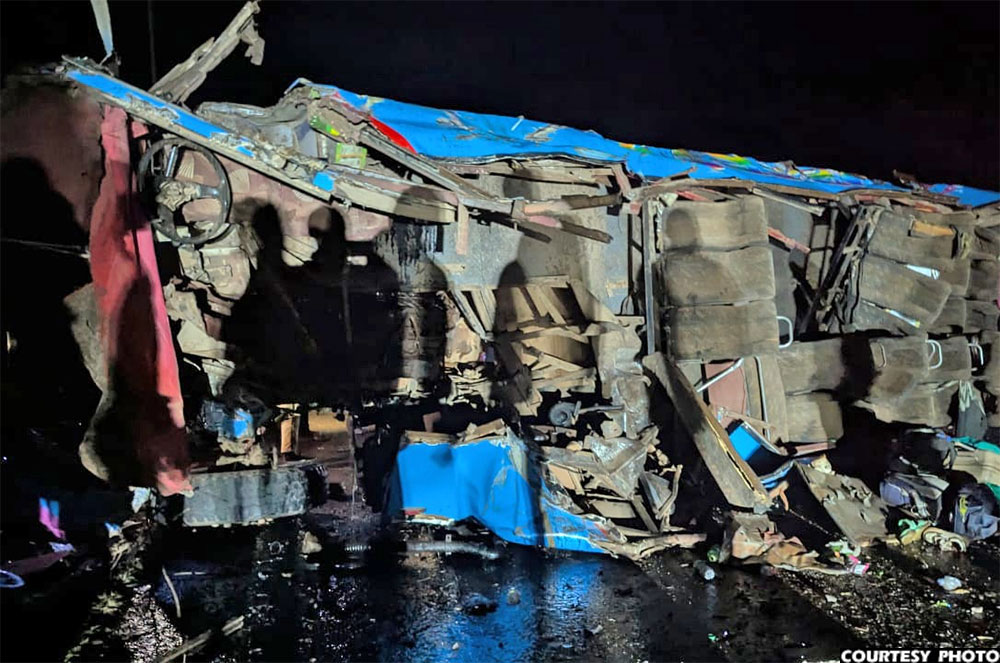
The tragedy renewed questions over whether traditional approaches to monitoring school transport are sufficient to protect learners once vehicles leave school compounds.
Experiences from Kenya, Rwanda, Tanzania and South Africa show that school transport safety requires clear standards, regular inspections and stronger enforcement.
However, Uganda has an additional opportunity to make these standards more visible and enforceable by combining technology with existing road safety measures.
A technology-backed system could make school vehicles traceable, drivers more accountable and serious violations easier to detect and respond to.
Every bus carrying schoolchildren should be traceable. Every driver should be accountable.
Every serious violation should generate an alert, while every school should be able to establish whether its transport provider is compliant with safety requirements.
Uganda cannot monitor every school vehicle by placing a traffic officer beside every road.
Michael Kananura (pictured below), the Uganda traffic police spokesperson, said technology will help in monitoring and enforcement.
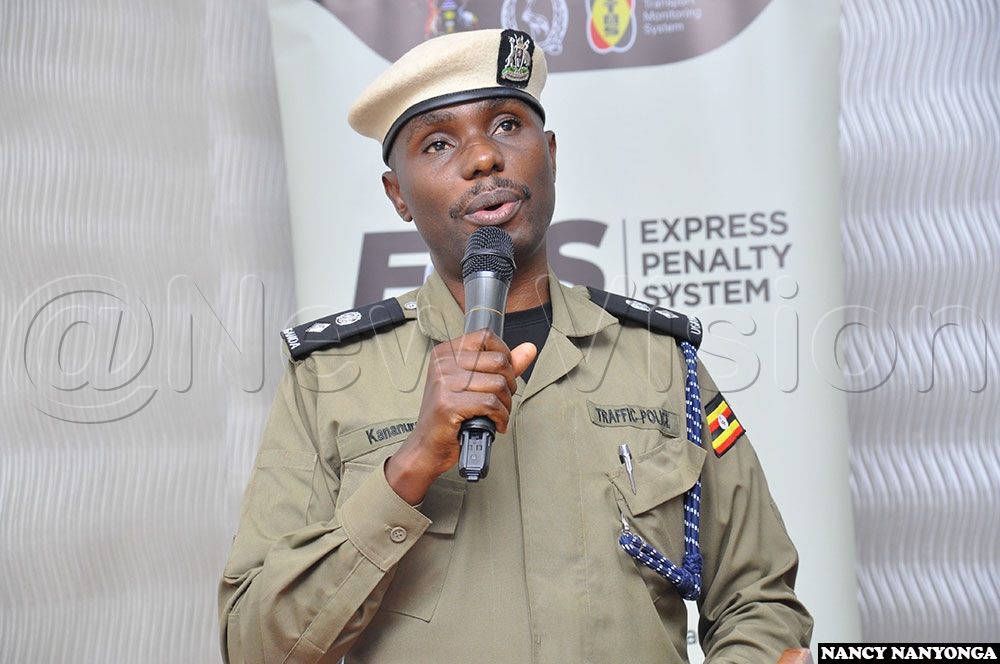
"When it rains, and sometimes at night, our officers cannot remain on the road. This technology will help us in monitoring errant drivers and riders,” he said.
With the right combination of GPS, telematics, CCTV, digital records and human enforcement, authorities could move closer to ensuring that the journey to and from school is as safe as the classroom itself.
The bus carrying pupils of Ndejje-based King David Junior School in Wakiso district was returning from an educational tour to Sipi Falls when the driver reportedly lost control at a spot in Chekwatit village.
The bus veered off the road, struck a large stone and overturned, killing over a score of the occupants.
The tragedy renewed questions over whether traditional approaches to monitoring school transport are sufficient to protect learners once vehicles leave school compounds.
Experiences from Kenya, Rwanda, Tanzania and South Africa show that school transport safety requires clear standards, regular inspections and stronger enforcement.
However, Uganda has an additional opportunity to make these standards more visible and enforceable by combining technology with existing road safety measures.
A technology-backed system could make school vehicles traceable, drivers more accountable and serious violations easier to detect and respond to.
Every bus carrying schoolchildren should be traceable. Every driver should be accountable.
Every serious violation should generate an alert, while every school should be able to establish whether its transport provider is compliant with safety requirements.
Uganda cannot monitor every school vehicle by placing a traffic officer beside every road.
Michael Kananura (pictured below), the Uganda traffic police spokesperson, said technology will help in monitoring and enforcement.
"When it rains, and sometimes at night, our officers cannot remain on the road. This technology will help us in monitoring errant drivers and riders,” he said.
With the right combination of GPS, telematics, CCTV, digital records and human enforcement, authorities could move closer to ensuring that the journey to and from school is as safe as the classroom itself.