
Refugees change communities, one project at a time
Across refugee settlements such as Bidibidi, Omugo, Nakivale, and Kyangwali (Zone 2), he says, women are rebuilding their lives after unimaginable trauma. Young people are pursuing education despite disrupted childhoods, children dreaming of peaceful futures and men striving to restore dignity for their families.
Refugees thrive on the solidarity of Ugandans.
__________________
Uganda is joins the rest of the world this Saturday (June 20) to commemorate World Refugee Day under the theme, Until Everyone is Safe, which reminds the world to protect the rights, safety and dignity of refugees. They have become part of this country, and some are transforming their communities.
Ismail Ibrahim Mohamed, 34, is a Somali refugee living in Kampala. He lost both hands in a bomb blast in Mogadishu, but this disability hasn’t stopped him from rebuilding his life while impacting his community.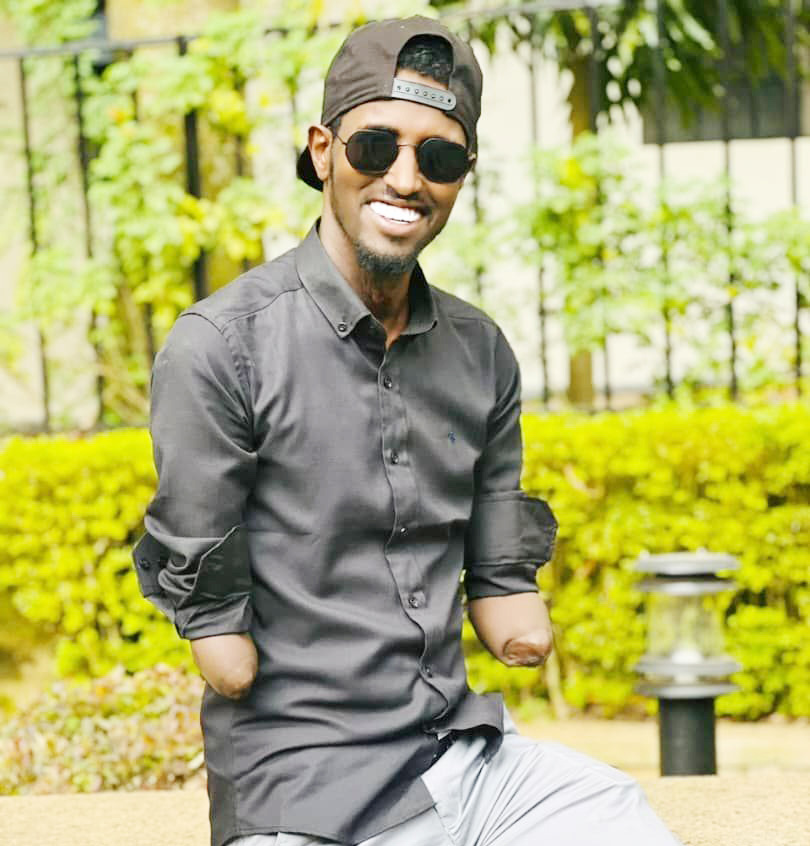
Ismail Mohammed embodies resilience, determination and hard work
For the last three years, Mohamed has been working as a controller at Café Javas, where he oversees daily operations, monitors staff attendance and compliance with procedures. Beyond that, Mohamed is the founder of the Somali Youth Action Network (SOYAN) initiative through which he empowers refugees and young Ugandans. Since 2019, he has been pioneering education, entrepreneurship, health, peace-building and community development initiatives.
For example, he equips young people with hands-on skills in tailoring, carpentry and digital technology to help them earn and thrive. Through his fundraising drives, he has taken many children and adults back to school. In addition, Mohamed promotes inclusion, dignity and sustainable opportunities for both refugees and host communities. “We donate food supplies and organise medical camps where we offer health awareness and mental health support,” he adds.
Nestor Bagalwa, 53, Racheal Muluki, 34, and Djina Nyamukama are refugees from the DR Congo and are contributing to Uganda’s development. Bagalwa is skilling young people at Nestor Welding workshop in Nsambya, which he started in 2016. He trains refugees and Ugandan youths in welding and metal fabrication with support from the Young African Refugees for Integral Development (YARID).
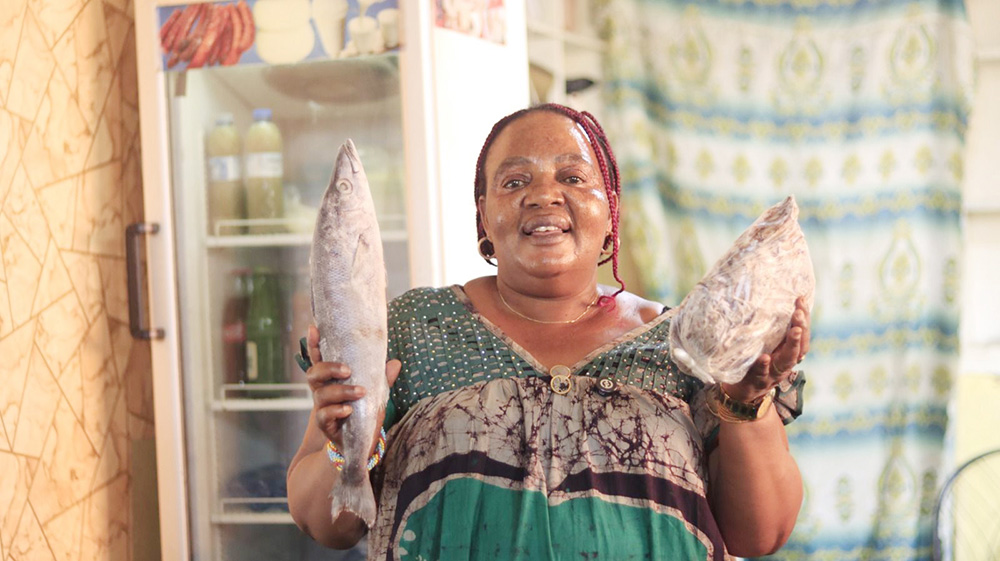
Djina Nyamukama employs six people at her restaurant
Focus on development goals
Refugees’ stories challenge the assumptions often associated with displacement and reveal a deeper truth. Bob Mayonza, who works with refugees under the Pilgrim Centre for Reconciliation Uganda (PCRUG), says, “Refugees are not merely recipients of aid. They contribute to Uganda’s development in diplomacy, governance, peace and economic transformation.”
Across refugee settlements such as Bidibidi, Omugo, Nakivale, and Kyangwali (Zone 2), he says, women are rebuilding their lives after unimaginable trauma. Young people are pursuing education despite disrupted childhoods, children dreaming of peaceful futures and men striving to restore dignity for their families.
Behind every refugee statistic is a human story marked by courage, perseverance and the determination to create a better tomorrow. Since its inception in 2007, (YARID) has impacted over 80,000 refugees and nationals in Kampala district plus Kyaka, Nakivale, and Palabek Refugee settlements.
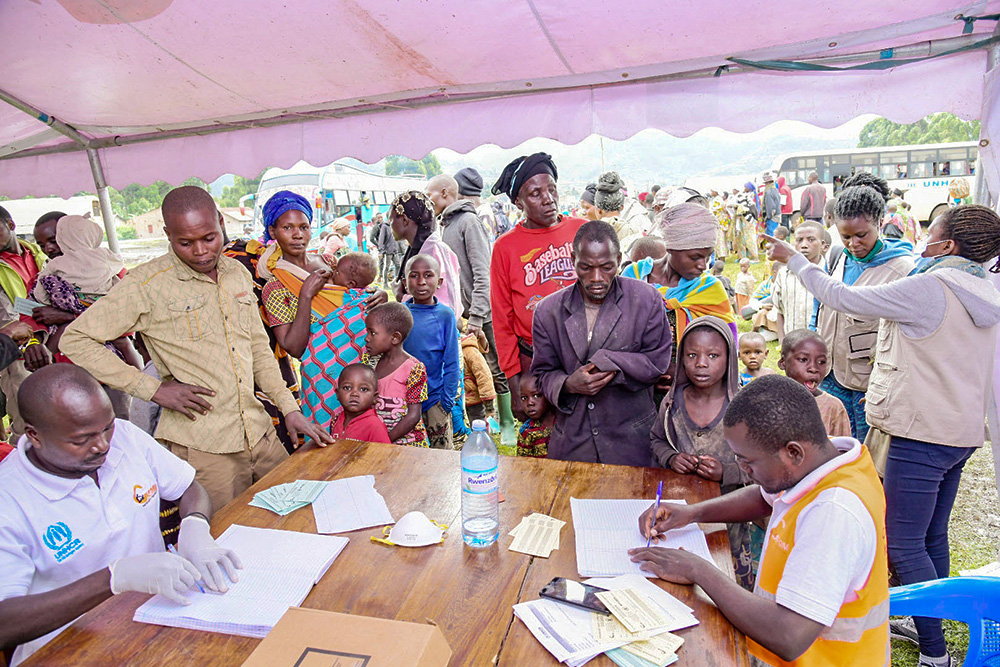
Congolese Refugees being registered at Nakibande transit camp on Wednesday, 30 March 2022 before they were transported to Nakivale settlement camp in Isingiro district. (Photo by Moses Nsubuga)
Many young people have been linked to jobs and internship placements through the Job and Placement Programme. Others have been trained and supported to start their own businesses. Elvis Wanume, education manager, adds that the ‘family business for education’ project has boosted the income levels for many refugee families and host communities, enabling them to educate their children. Farmers are also given climate-smart agricultural techniques, yet families receive food and medical support as well.
In that light, ARD, a Refugee-led organisation of Persons with Disabilities (PWD) in Uganda, promotes disability inclusion, equal opportunities and meaningful participation PWDs in humanitarian and development processes. The programme has strengthened the capacity of humanitarian actors, implementing partners and community stakeholders in refugee settlements and urban refugee communities in Kampala. ARD trains school administrators, teachers and education partners on disability-inclusive education approaches.
Dealing with bottlenecks
Meanwhile, the milestones don’t go without challenges; the ongoing global humanitarian funding crisis being one of them. Across refugee settlements, Muombamugu points out that reductions in humanitarian assistance, including the withdrawal of food rations and cash support, are having severe consequences for refugees. Many are experiencing heightened food insecurity, reduced access to healthcare and essential services and increased safety risks.
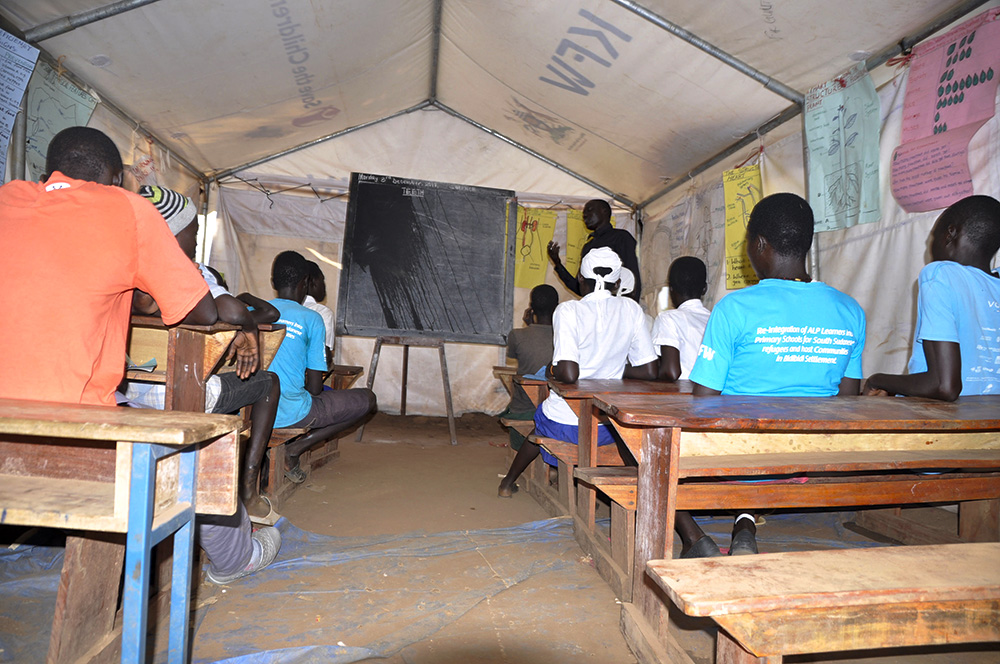
Pupils attending class at Yoyo Primary AEP centre in Bidi Bidi refugee settlement
However, Mayonza thanks host communities for sharing land, resources, schools, healthcare facilities and opportunities with refugee populations. While challenges remain, he says, “The spirit of coexistence demonstrated by many Ugandan communities offers valuable lessons for the world.”
Two million refugees
While presenting the ministry’s policy statement before the committee on Presidential Affairs in March 2026, Assistant Commissioner, Office of the Prime Minister (OPM), Apollo Kivumbi revealed that the refugee population is set to rise to over two million as the country expects to host another 27,000 in the 2026/2027 financial year under the second phase of the Development Response to Displacement Impacts Project (DRDIP) funded by UNHCR.