
Why NRM's Todwong backed independent over flag bearer for Gulu city mayor
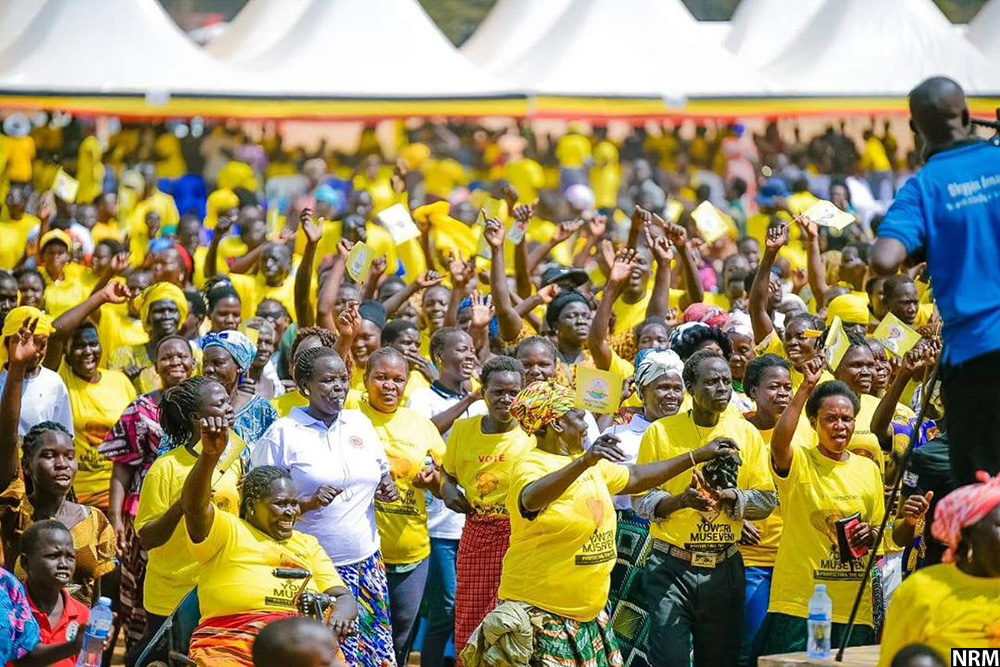
Addressing supporters at Kaunda Ground in Gulu city on January 31, 2026, during celebrations marking the NRM’s performance in the recently concluded elections, Todwong said responsibility for Okwonga’s defeat should rest with him.
Why NRM's Todwong backed independent over flag bearer for Gulu city mayor
_____________________
The secretary general of the National Resistance Movement (NRM), Richard Todwong, has publicly admitted that he played a decisive role in the election of Julius Acire Labeja Gunya as the new mayor of Gulu city, despite Gunya defeating the NRM’s official candidate and incumbent mayor, Alfred Okwonga.
Addressing supporters at Kaunda Ground in Gulu city on January 31, 2026, during celebrations marking the NRM’s performance in the recently concluded elections, Todwong said responsibility for Okwonga’s defeat should rest with him. He explained that he openly supported Gunya instead of backing the party’s designated candidate.
Todwong revealed that Okwonga had earlier written to him formally, indicating that he would not seek re-election as mayor and instead intended to contest for a parliamentary seat. According to Todwong, this decision signalled a lack of organisation, prompting him to look for an alternative candidate to represent the party in the mayoral race.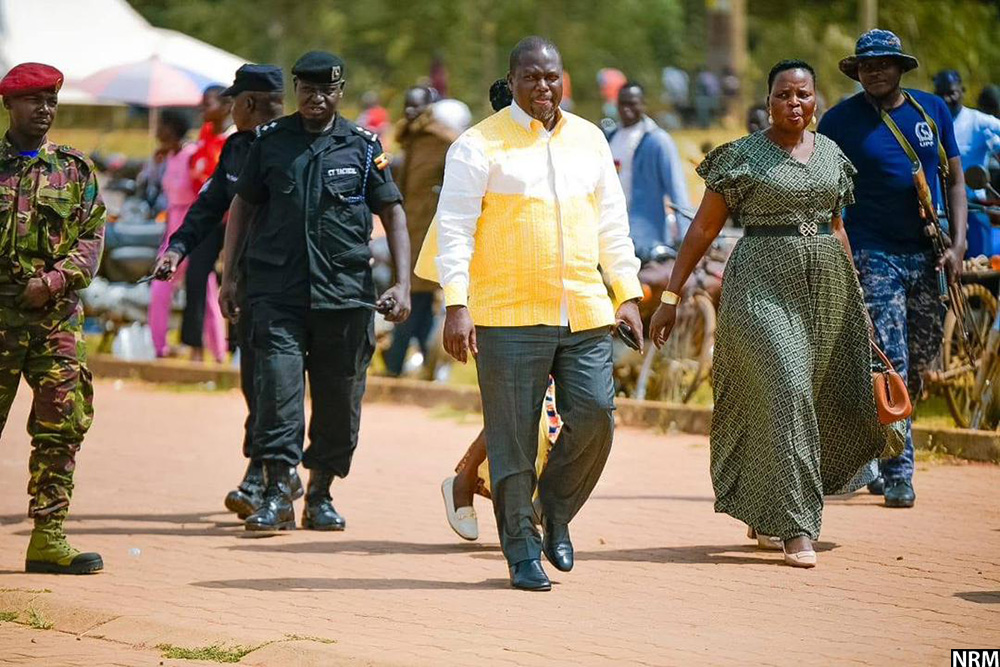
However, Okwonga later reversed his decision and announced that he would defend his mayoral seat, a move Todwong described as further evidence of inconsistency. Todwong said this ultimately strengthened his resolve to support Gunya, whom he praised for his leadership abilities, noting that Gunya had previously worked in his office.
“We initially planned for Gunya to run for Parliament, but circumstances changed, and I decided to support him for mayor,” Todwong said.
Gunya contested as an independent candidate but is widely regarded as leaning towards the NRM. He went on to win the Gulu city mayoral seat.
Todwong also spoke about his long-standing support for Gifter Aber, who was elected mayor of Laroo-Pece Division. He said he had been grooming Aber for leadership, providing her with financial support, which she managed with accountability.
During NRM party structure elections, Todwong encouraged Aber to contest for the party chairperson position in Gulu city, which she won, before later endorsing her for the divisional mayoral race.
He further revealed that he advised Aber to pursue further education, and she is currently enrolled in school.
During the event, Todwong highlighted the NRM’s strong showing in Gulu city, where President Yoweri Museveni secured 79.06 percent of the presidential vote, the highest percentage he received in any city countrywide. Despite this performance, the party lost two parliamentary seats in the city and retained only one, won by Martin Ojara Mapenduzi in Bardege-Layibi.
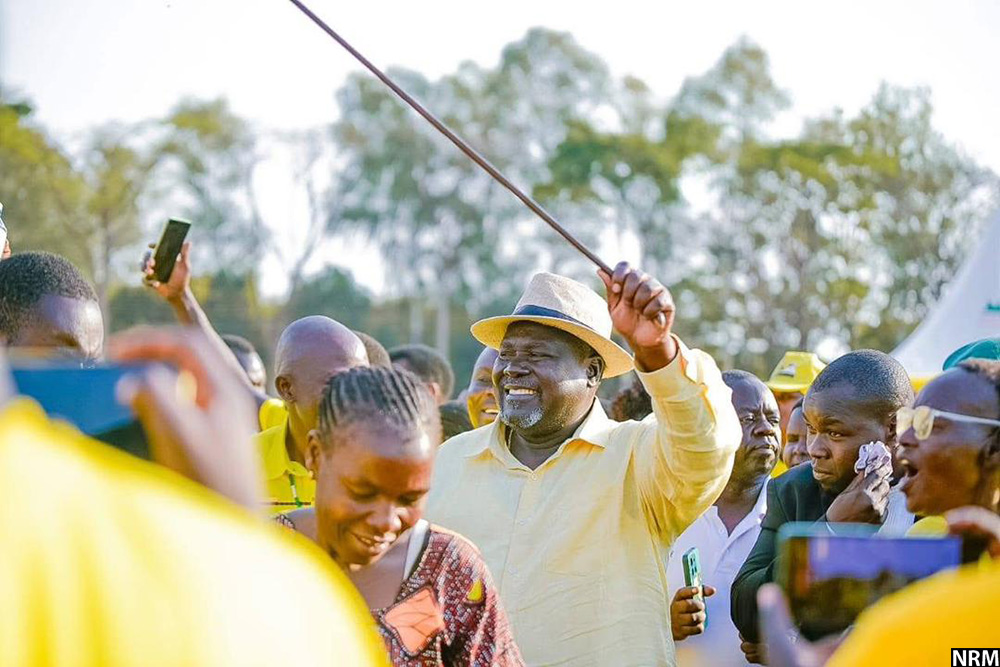
NRM candidates were defeated by the Democratic Party’s Norbert Mao in Laroo-Pece Division and by Betty Aol Ocan of the People’s Front for Freedom (PFF) in the Gulu City Woman MP race.
While the NRM won two division mayoral seats, the city mayoral seat went to Gunya. The Gulu City Council is now dominated by NRM members, with only one opposition councillor, Moris Odong of the Forum for Democratic Change (FDC).
Todwong assured residents that despite public criticism of the newly elected leaders, he remains available to guide them. He emphasised that strong NRM support in Acholi gives him bargaining power within government.
In his remarks, mayor-elect Gunya called for unity and said the campaign period was over, urging leaders to focus on service delivery. He pledged to prioritise economic development and policies that create a favourable business environment.
Aber also pledged effective leadership, dismissing opposition claims of election rigging and insisting her victory was legitimate.
Rev. Fr Erick Okidi, who presided over a thanksgiving mass, prayed for the new leaders and urged them to move beyond politics to focus on serving all citizens regardless of political affiliation. He likened the leaders to the biblical King David, noting that while they may not have been the most obvious choices, they should be respected and given time to lead.
Lt Gen. Charles Otema, commander of the UPDF Reserve Force, said peace in Acholi had created a conducive environment for livelihoods and wealth creation. He attributed the NRM’s support in Gulu city to improvements in road and water infrastructure and said residents were now waiting for promised restocking initiatives.
Otema disclosed strained relations with justice minister Norbert Mao, accusing him of undermining NRM candidates, which he said contributed to the party losing five parliamentary seats in Acholi. He noted that while he had ignored Mao’s calls during the elections, he was now open to dialogue following the NRM’s recovery of a city division mayoral seat.
He urged the newly elected leaders to prioritise development in annexed areas by extending roads, electricity and water services, and offered to mentor them.
Todwong concluded by highlighting the NRM’s growing support in Acholi, attributing earlier resistance to a lack of understanding of the party’s principles. He noted that support began to rise after the return of internally displaced persons in 2011 and continued to grow through subsequent elections.
A comparison of presidential election results shows significant gains for the NRM between 2021 and 2026. Museveni’s support rose from 44.30 percent to 79.06 percent in Gulu city, from 50.39 percent to 84.6 percent in Gulu district, and exceeded 80 percent across most Acholi districts. On average, Museveni secured 84 percent of the vote in the Acholi sub-region in the 2026 election.