
President Museveni’s achievements since 1986
Peace has laid the foundation for economic growth and economic development by among others ensuring physical infrastructure, economic infrastructure and the social infrastructure
President Yoweri Museveni has secured another five-year term in office after winning the presidential election held on Thursday.
President Yoweri Museveni and the National Resistance Movement (NRM) have had the responsibility of looking after Uganda for the last 40 years. During this period, the political establishment had the responsibility to reconstruct the economy, coalesce the internal unity of the people of Uganda, but also fight several insurgencies that had sprung up in various parts of the country blamed on the previous bad politics and some external actors. Over the period, NRM has been able to establish total peace in the whole of Uganda. Peace has laid the foundation for economic growth and economic development by among others ensuring physical infrastructure, economic infrastructure and the social infrastructure upon which development has been dependent. Uganda has become a major economic hub for the region with people from the Democratic Republic of Congo (DRC), Ethiopia, South Sudan, Tanzania and Kenya coming to Uganda to shop even for household items.
Democracy
On democracy, the 1995 Constitution calls for regular elections where the citizens elect their leaders.
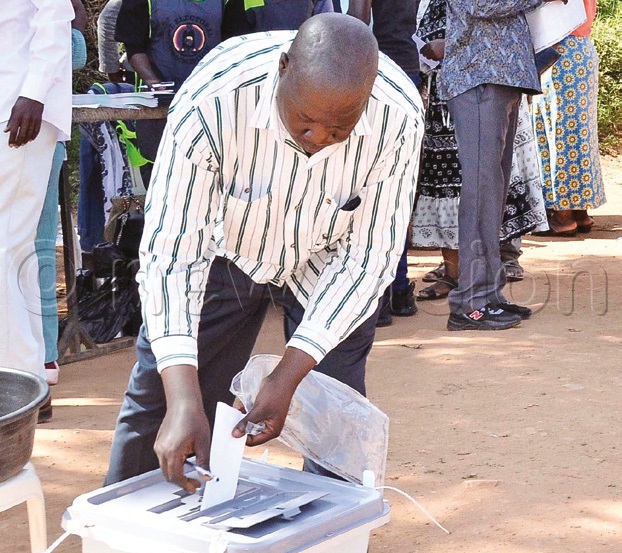
Uganda has emerged as a guarantor of peace in the region intervening to ensure peace in South Sudan, Somalia, Democratic Republic of Congo (DRC), among others.
Health
A health centre III in almost every sub-county and health centre IV in most of the constituencies and a hospital in almost all the districts of Uganda have been established.
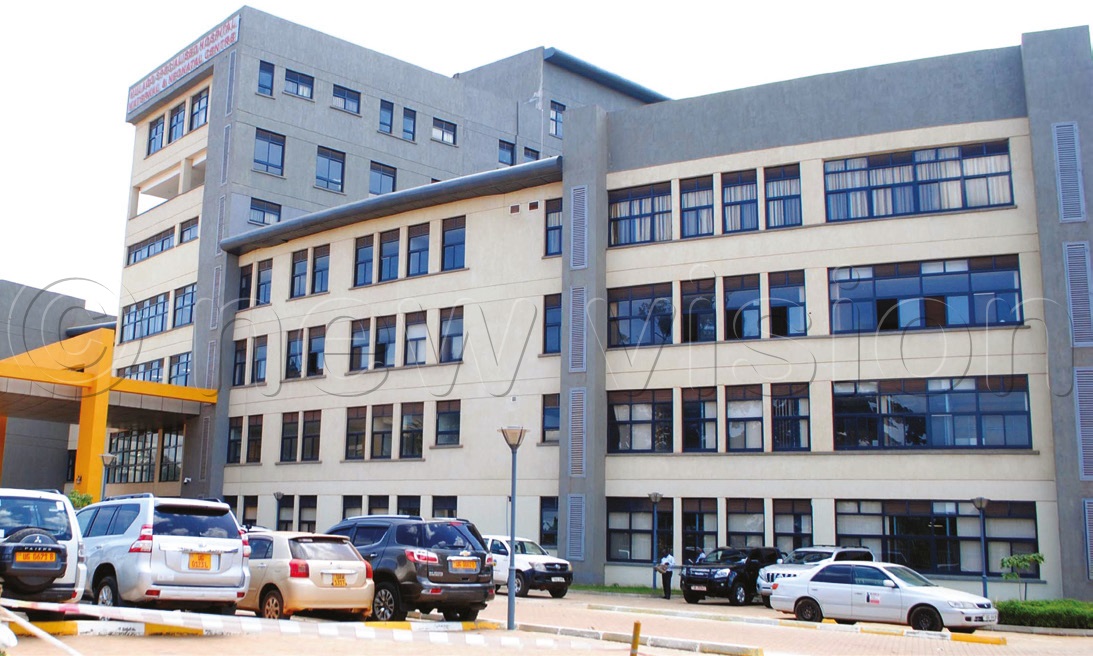
Regional referral hospitals in the various regions of Uganda and the national referral hospitals in Mulago, Kawempe, and on Salaama Road the UPDF National Referral Hospital which is nearing completion. Immunisation of children has seen the population grow to 49.5 million.
Economy
Uganda’s enclave economy was anchored on “3Cs” (coffee, cotton, and copper) and the ‘3Ts’ (tobacco, tea, and tourism) after the Government revived and diversified the economy.
Exports expanded from coffee, tea and cotton, including meat, milk, dairy, simsim, cocoa and many other products.
“Currently, we produce over five billion litres of milk. Milk is one of the exports from Uganda. We also export maize. We are not only relying on coffee, tea and cotton for exports like we used to in the past. We have diversified into other items like meat, milk, dairy, simsim, and many other products,” Dombo said.
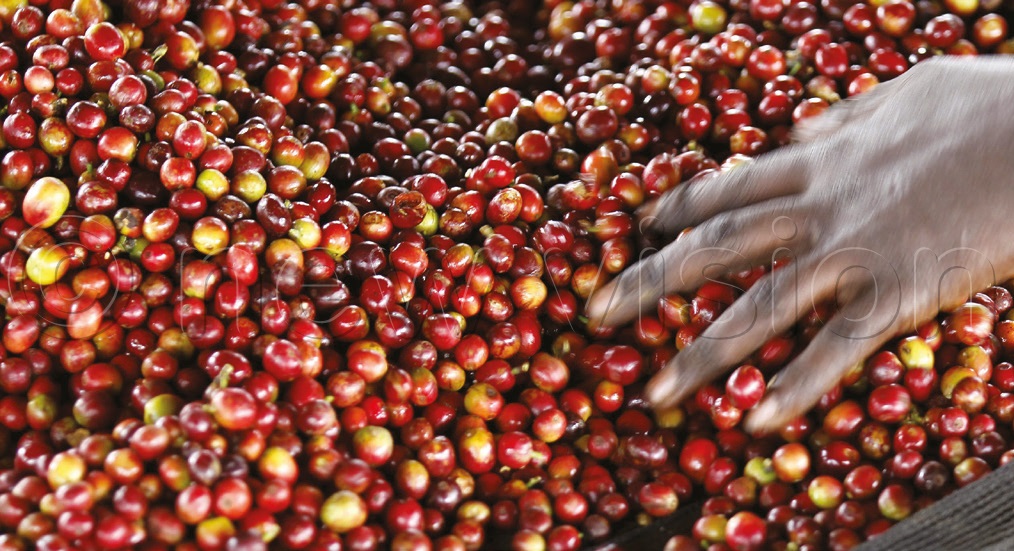
Coffee is one of Uganda’s biggest exports
The private sector is now the biggest employer of more than 2.5 million people. NRM expanded the service sector, judicial, security, social, transport, internet, and hotel industry.
Museveni has not only greatly advocated the East African community’s integration for a bigger market, but also strategic security of the African continent. The economy has expanded from $5.9b by 1986 to about $60b and projected to grow to $500b by 2040.
Poverty levels have reduced from 56% to 16%. Coffee is one of Uganda’s biggest exports
Infrastructure
Social infrastructure has transformed livelihoods, with programmes such as Universal Primary Education (UPE) and Universal Secondary Education (USE) with at least a primary school in almost every parish in the country and a secondary school in almost every sub-county.
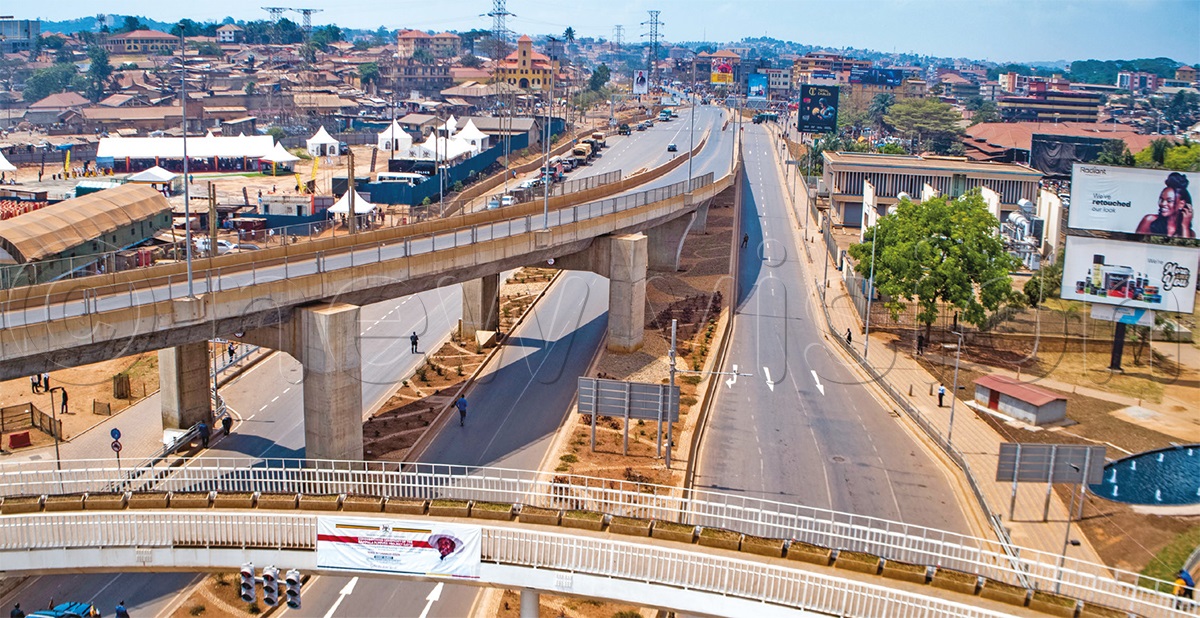
“On the economic infrastructure, the power dams, the telephone network and banking sector, among others have been the bedrock of economic infrastructure. For physical infrastructure, we are looking at things like roads, where major roads are being constructed by the central government and the minor murram roads are being worked on by the local governments. Most of the roads in Uganda are accessible and Ugandans are able to move and also transport their economic merchandise,” Emmanuel Dombo, the NRM director of information, said.
The kilometres of roads have increased from 1,000 in 1986 to 6,850km to date.