
Nandala, residents in Tower of Babel during Greater Masaka campaign
“The problem is not that you don’t work hard,” Nandala told Kyotera residents, “The Government has failed to organise agriculture as a business. When you sell raw coffee, you remain poor.”
Addressing supporters, Nandala framed agriculture as the backbone of the region’s economy, but one that has failed to lift farmers out of poverty. (Credit: alafred Ochwo)
FDC's Nandala questioned the logic behind government-funded coffee factories located far from producers, accusing the state of misdirecting resources while farmers continue to struggle. (All Photos by Alfred Ochwo)
GREATER MASAKA - When Forum for Democratic Change (FDC) presidential candidate James Nathan Nandala Mafabi entered the districts of Kyotera and Rakai as he kicked off his Greater Masaka campaign, his message revolved around coffee value addition by setting up coffee factories in every sub-county.
But as he traversed trading centres and town councils, like in the Biblical Tower of Babel story where people spoke different languages and could no longer understand each other, it became clear that while coffee factories are among the pressing need for a coffee-growing region, voters in the region are weighing those pledges against more immediate, everyday struggles.
Fresh from a week-long campaign in Western Uganda, Nandala started his Masaka trail at Bukunda trading centre in Kyanamukaka sub-county, Kyotera district, before holding several other rallies across the district and later addressing gatherings in Rakai’s Kibaale and Kooki town council on December 16, 2025.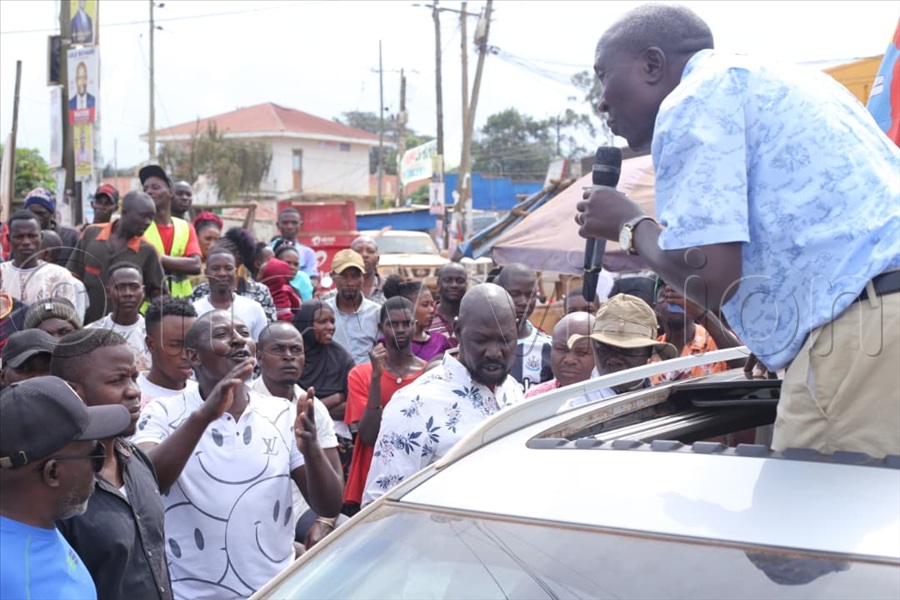
The two districts are largely agricultural, with coffee and bananas anchoring household livelihoods, yet poverty, poor infrastructure and limited social services remain widespread.
Addressing supporters, Nandala framed agriculture as the backbone of the region’s economy, but one that has failed to lift farmers out of poverty.
He blamed this on decades of government neglect, arguing that farmers have been locked in subsistence production and forced to sell raw produce to middlemen at giveaway prices.
“The problem is not that you don’t work hard,” Nandala told Kyotera residents, “The Government has failed to organise agriculture as a business. When you sell raw coffee, you remain poor.”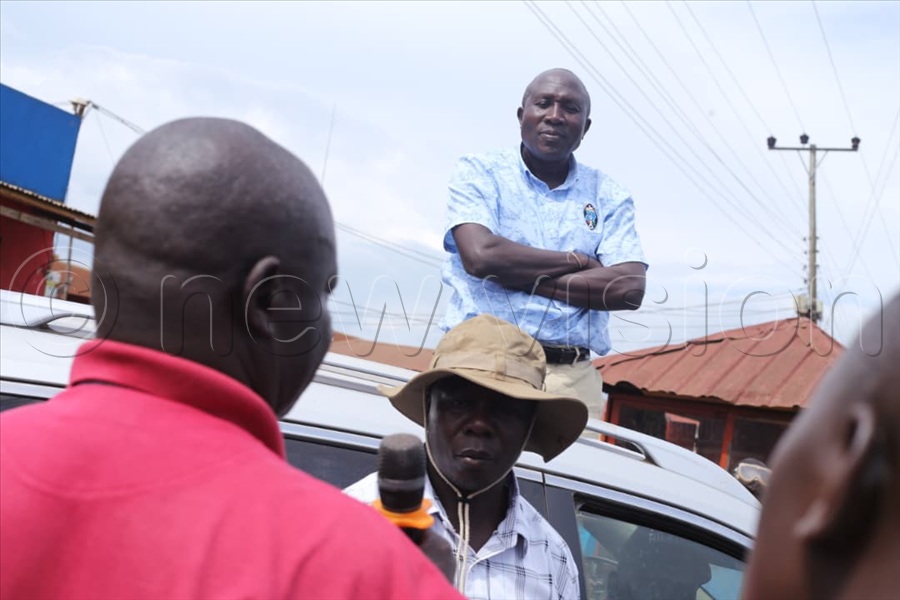
To change this, he promised that an FDC-led government would establish coffee value addition factories in major producing regions such as Greater Masaka. Processing coffee locally, he said, would create jobs, raise farmer incomes and keep more value within communities.
He questioned the logic behind government-funded coffee factories located far from producers, accusing the state of misdirecting resources while farmers continue to struggle.
Nandala further pledged to allocate at least 10 per cent of the national budget to agriculture, with funds directed towards quality seedlings, fertilisers for depleted soils and access to reliable markets linked to global coffee prices.
He also outlined plans to establish co-operative banks and a national agricultural bank offering interest-free loans to farmers, saying this would shield rural families from money lenders who seize land when borrowers default.
“Our people are losing land because of impossible 40-60% interest rates. We want farmers to borrow to invest, not to lose everything they own,” he said.
Despite the candidate outlining long-term agricultural reforms, residents repeatedly brought the conversation back to basic infrastructure and the cost of living. In Kyotera, Nantongo Faridah said feeder roads remain the biggest obstacle to benefiting from farming.
“Our roads are dusty, full of potholes and impassable when it rains. Even if you add value, how do you transport coffee or matooke to buyers?” she said.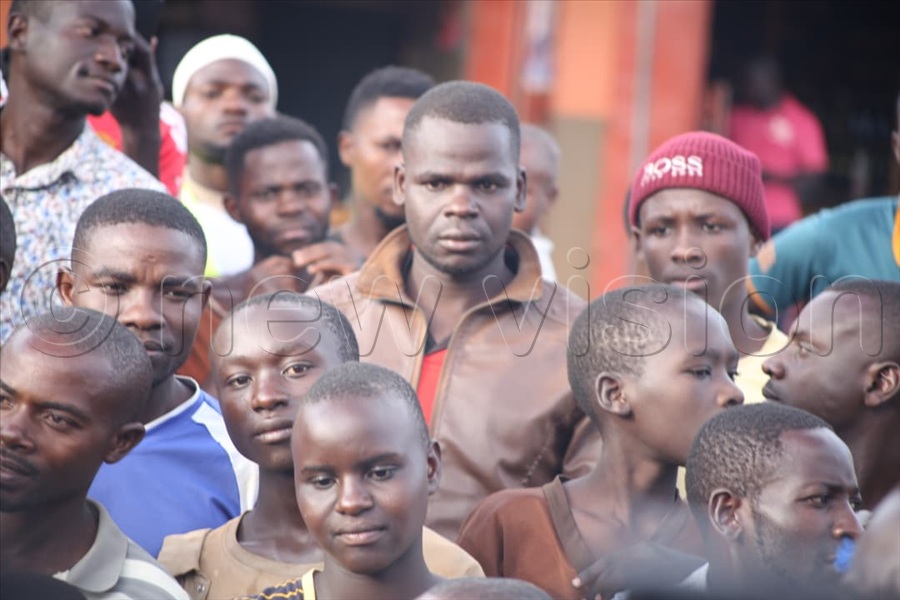
In response, Nandala promised that each district would receive at least 200 kilometres of tarmac roads within five years under an FDC government. He also pledged to complete the long-stalled Masaka–Mutukula highway, a key trade corridor to Tanzania that traders say has disrupted businesses for years.
In Rakai, health concerns dominated discussions. The district, historically linked to Uganda’s first HIV/AIDS cases, still grapples with high infection rates, particularly among young people.
Nandala warned that HIV/AIDS remains a serious threat and called for renewed investment in prevention, research, health worker pay and community sensitisation.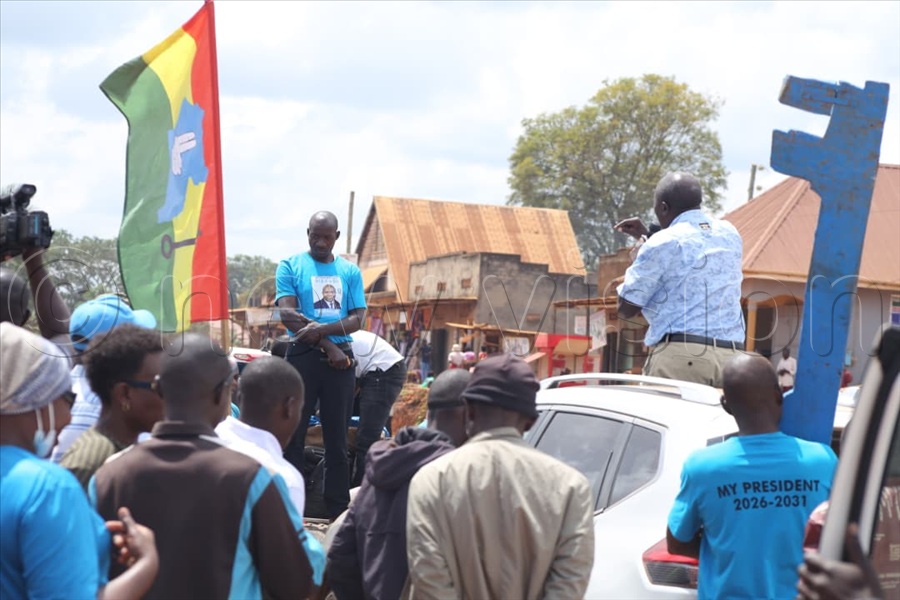
“Fighting HIV is not just about medicine. It’s about funding science, paying health workers well and speaking honestly to our young people.” he said.
Economic pressure was another recurring theme. Denis Ssengabi, a Rakai resident, pointed to rising prices of basic goods against stagnant incomes.
“Soap used to cost shillings 3,000. Now it is 7,000,” he said.
“Life is too expensive. We want a government that fixes the economy.”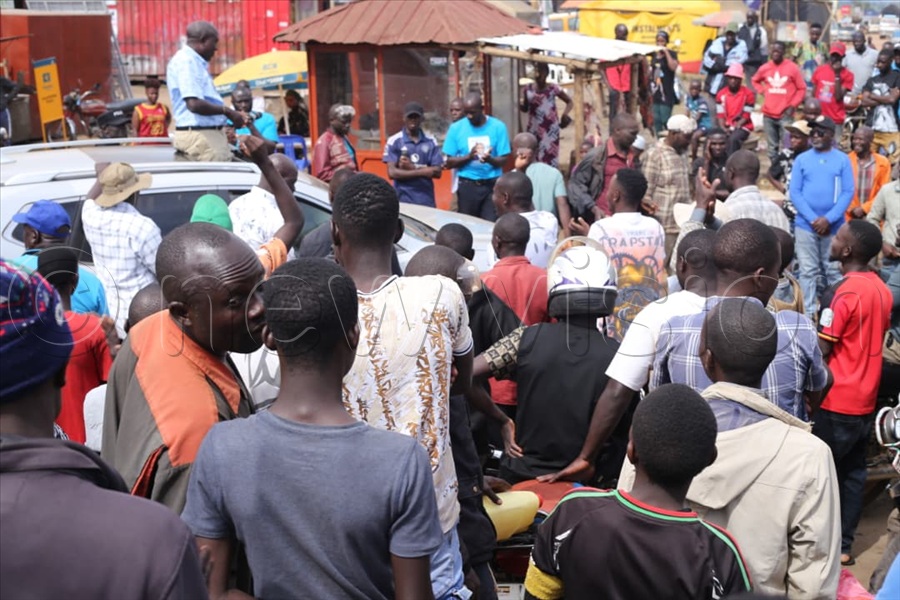
In Kyotera, trader Lawrence Mukiibi said prolonged roadworks, dust and rain along the Masaka–Mutukula road have crippled businesses, while taxes continue to rise.
He urged Nandala to prioritise tax relief for small traders instead of favouring large companies with tax holidays.
Politically, Kyotera remains a difficult terrain for the Opposition. In the last election, the district overwhelmingly voted for President Yoweri Museveni, with the FDC registering a negligible showing.
The party currently has no parliamentary aspirants in the district, underscoring the scale of the challenge Nandala faces.