
Museveni applauds NRM MPs for consensus on speakership race
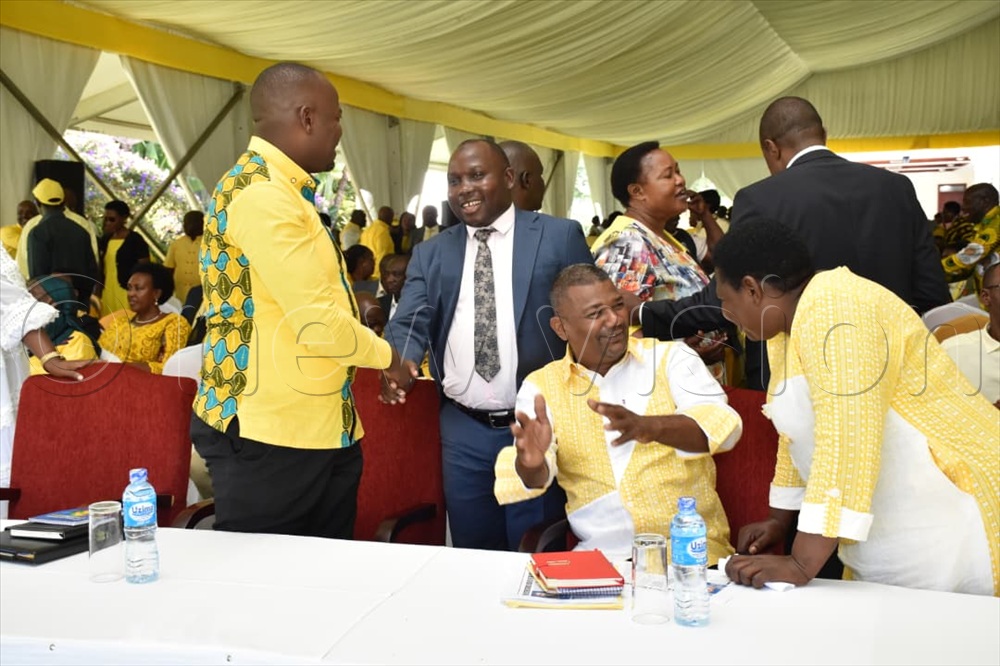
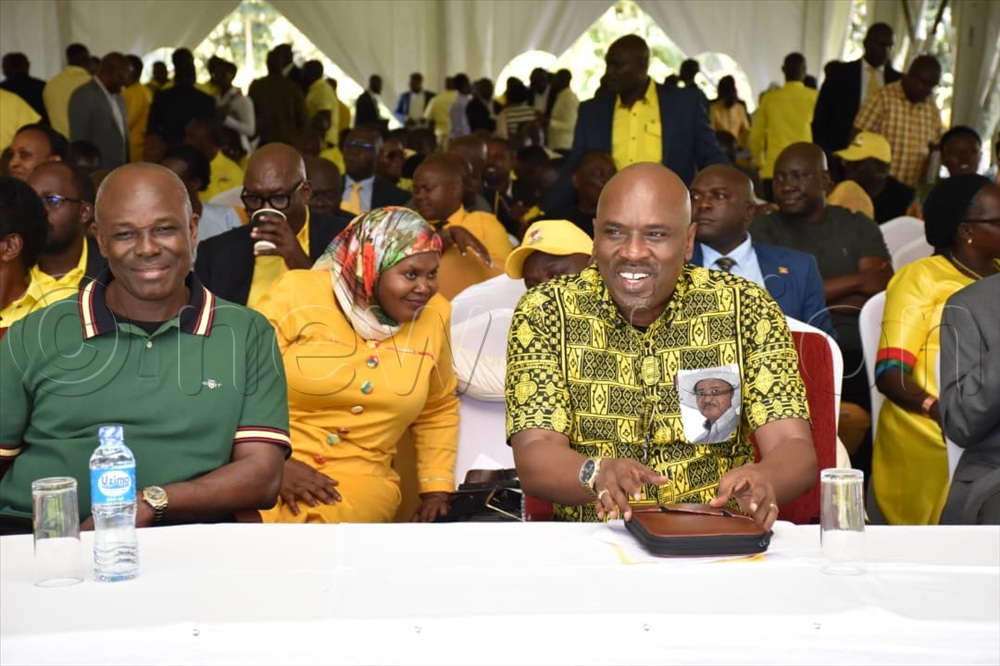
Museveni told legislators during the caucus meeting at State House Entebbe, that he was pleased MPs had embraced unity and avoided chaotic competition over the positions of Speaker and Deputy Speaker.
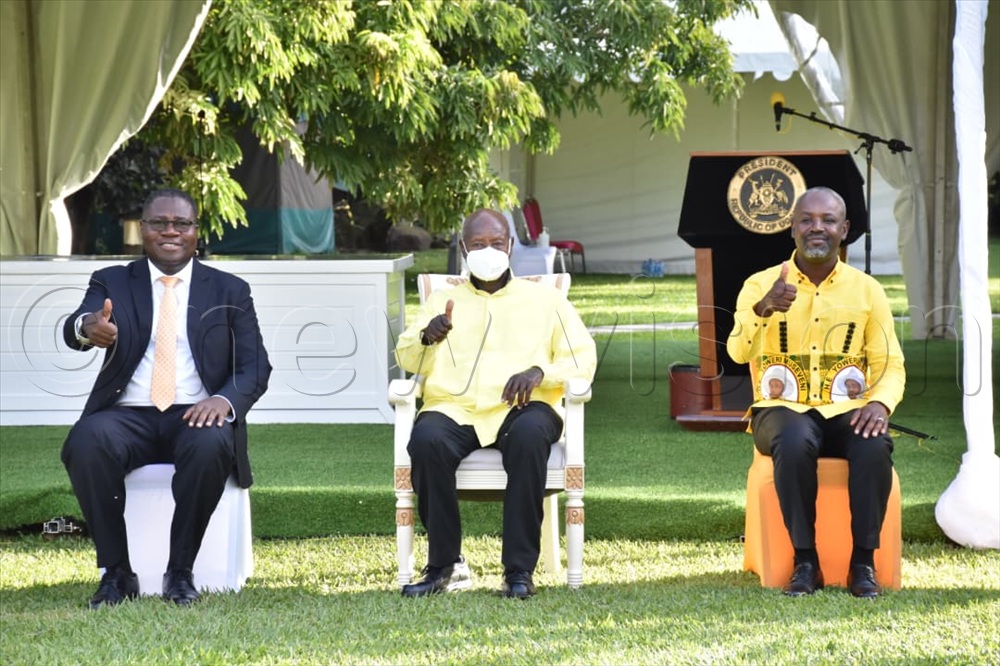
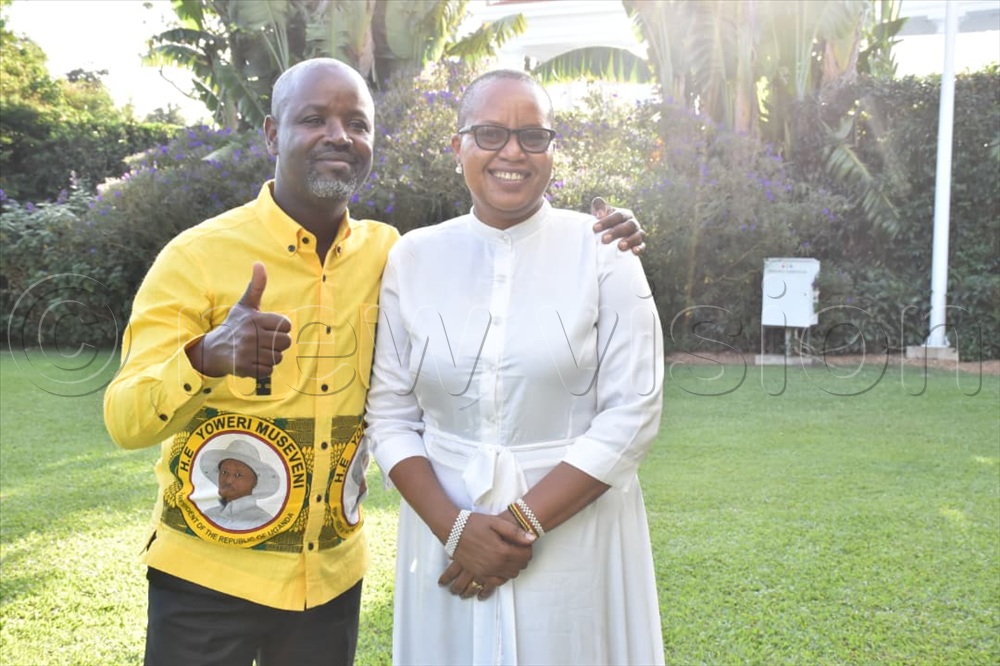
NRM MPs who stepped down in favour of Hon Oboth Oboth and Thomas Tayebwa for speaker and deputy speaker of parliament pose for a photo with President Museveni during an NRM caucus meeting at Entebbe. (Photos by Simon Peter Tumwine)
________________
President Yoweri Museveni has applauded NRM MPs for handling the speakership process through consensus rather than engaging in divisive political battles, which he described as “empaka.”
This followed the unanimous adoption by MPs of the recommendation of the Central Executive Committee (CEC) to front MPs Jacob Oboth Oboth and Thomas Tayebwa as the party’s official candidates for the positions of Speaker and Deputy Speaker, respectively.
The names will be forwarded to Parliament, which is scheduled to elect the Speaker and Deputy Speaker on Monday, May 25, 2026.
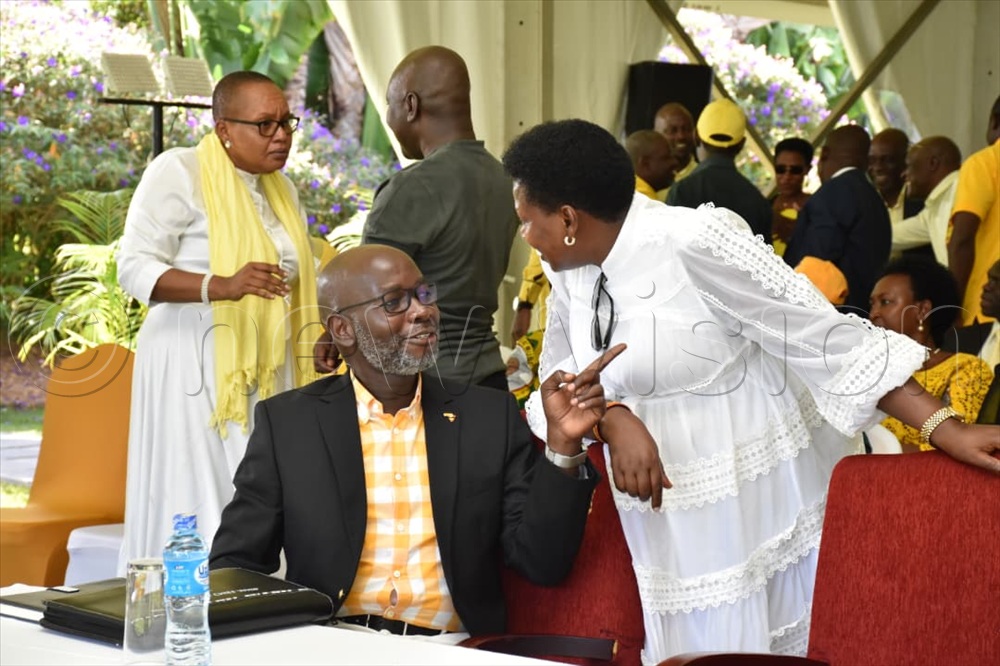
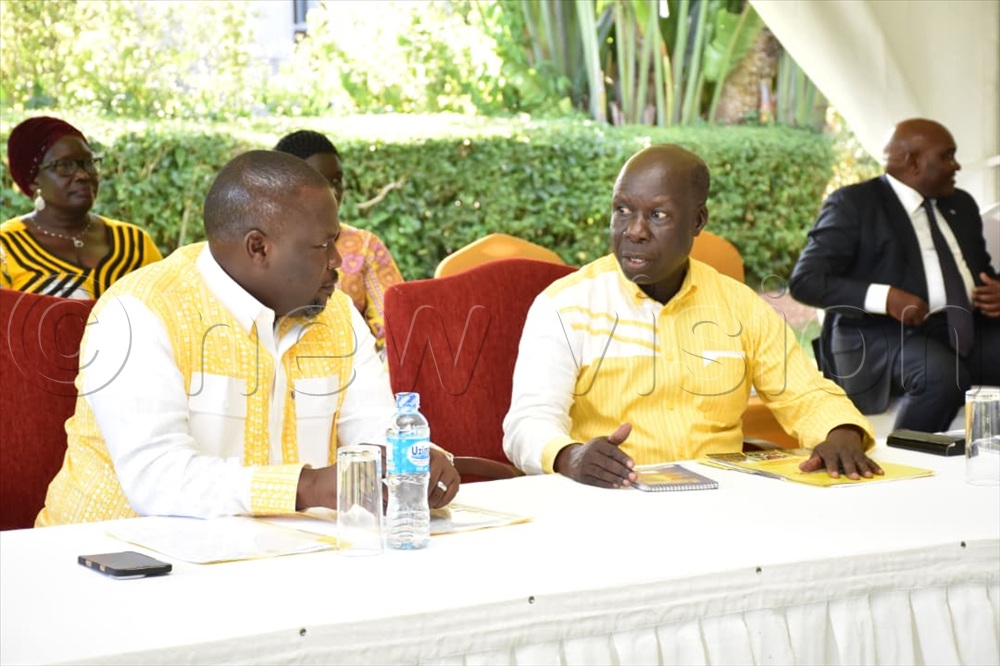
CEC endorsed the two after the other contenders stepped down in their favour.
Museveni told legislators during the caucus meeting at State House Entebbe, that he was pleased MPs had embraced unity and avoided chaotic competition over the positions of Speaker and Deputy Speaker.
“I want to congratulate you on this little operation we are having here of who should be Speaker and who should be Deputy Speaker,” Museveni said.
Drawing from his experience during the liberation struggle, Museveni said leadership was historically based on duty and discipline rather than personal ambition.
“When we were fighting, we did not have people expressing interest that they wanted to fight. You went where you were required to go,” he said.
The President acknowledged that democracy allows leaders to express interest in positions, especially parliamentary committee roles, but cautioned against excessive personal campaigns for top offices.
“Although there is democracy, this battle of ‘me, me, me’ should be handled carefully. You can get lost,” he warned.
Museveni said positions such as Speaker should ideally be filled through consensus rather than confrontational contests characterised by mobilisation, lobbying and factionalism.
“The Speaker should not have empaka,” he said, using the Luganda word commonly associated with fights or unnecessary confrontation.
According to Museveni, unity within leadership structures is essential for political stability and effective service delivery.
He urged MPs to remain disciplined and instead focus their energy on fighting poverty and unemployment in their constituencies through government programmes such as the Parish Development Model, commercial agriculture, artisanship, services and ICT innovation.
Museveni argued that leaders should be judged by their ability to solve societal problems rather than by titles or political manoeuvring.
Focus on wealth creation
President Yoweri Museveni urged MPs to focus on fighting poverty and unemployment through government programmes, commercial agriculture, artisanship, services and ICT innovation rather than political titles and endless competition for positions.
Museveni said Uganda already has wealthy people and that government attention should now be directed towards helping ordinary citizens escape poverty using available government resources.
“I am a rich man, I do not need anything from anybody,” Museveni said, dismissing appeals for personal handouts. He instead directed leaders to guide citizens towards government funds available under programmes such as the Parish Development Model (PDM).
The President said households with one, two or more acres of land should engage in commercial agriculture, while those without land should benefit from other sectors such as artisanship, services and ICT.
He identified artisanship as a major avenue for job creation, saying funds are already available at the constituency level to support people in trades and small-scale enterprises. He encouraged leaders to monitor how these funds are used and to seek additional funding where necessary.
Museveni also highlighted the services sector, including transport, boda bodas, restaurants and entertainment. He praised the support extended to musicians through the Uganda National Musicians Federation led by Eddy Kenzo, noting that government had provided sh10 billion to support musicians.
According to Museveni, similar funding models could be extended to boda boda riders and other service providers through organised associations and zonal structures.
The President further described ICT as an important sector for educated youth, saying innovation hubs across the country are already helping young people develop applications and other technologies that create jobs.
The President challenged leaders to move beyond ceremonial titles and instead solve the practical problems affecting citizens.
“Do not just come here and have titles — Honourable, Right Honourable, Excellency — and solve no problems of society,” he said.
He advised Ugandans to start with small investments instead of pursuing expensive projects that often lead to debt. Using his own example, Museveni recounted how he bought land cheaply in Kisozi in the early 1990s and gradually developed it over time.
He encouraged people to buy small pieces of land where possible and begin modest income-generating activities such as coffee growing.
The President also revealed that government plans to provide free coffee seedlings and later expand the programme to include fruits and cocoa in order to support household incomes.
Museveni argued that poverty eradication and job creation are not only economic priorities but also essential for national stability and security. He warned that unemployed youth are vulnerable to manipulation by political actors.
According to Museveni, many young people seek jobs abroad because they underestimate opportunities available within Uganda. He said some Ugandans are now earning millions of shillings from small-scale enterprises and commercial farming.
“Getting rid of poverty and lack of jobs is not only for wealth and socio-economic transformation, it is also for security and stability,” Museveni said.