
High Court upholds Nagaya's Jinja city mayoral election
In a judgment delivered on November 5, 2026, Justice Vincent Wagona dismissed an election petition filed by National Unity Platform (NUP) candidate Edirisa Kirunda Mubarak, ruling that although electoral irregularities had occurred, they did not substantially affect the outcome of the January 22, 2026 general elections.
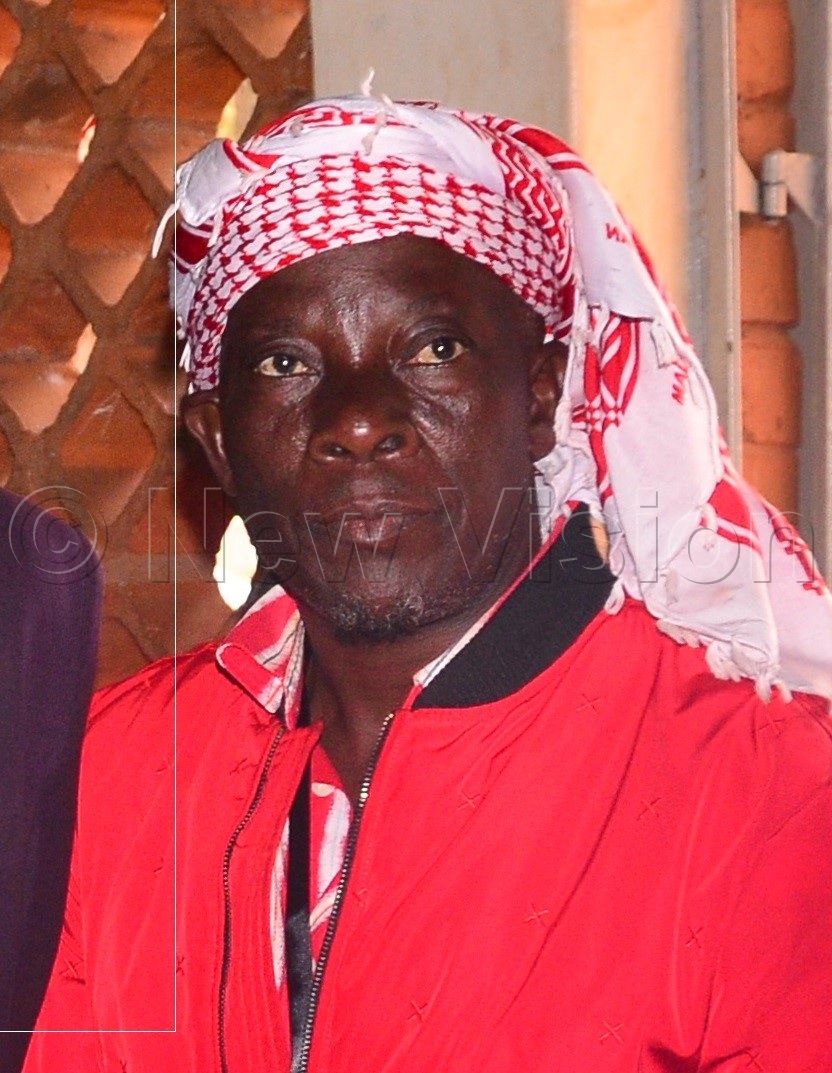
The general tally showed that Nagaya (Pictured), who contested on the National Resistance Movement (NRM) ticket, polled 17,266 votes, while Kirunda obtained 15,783. (Credit: Doreen Musingo)
JINJA - The High Court in Jinja has upheld the election of Jinja city mayor Abdulhafidh Nagaya, despite finding that 323 votes were unlawfully added to his tally and results from nine polling stations were excluded from the final declaration.
The court found that Nagaya's votes had been inflated by 223 at East Secondary School (N-Z) polling station and another 100 at Masese I (BO-KAS)-Lakeside Parkyard.
In a judgment delivered on November 5, 2026, Justice Vincent Wagona dismissed an election petition filed by National Unity Platform (NUP) candidate Edirisa Kirunda Mubarak, ruling that although electoral irregularities had occurred, they did not substantially affect the outcome of the January 22, 2026 general elections.
The general tally showed that Nagaya, who contested on the National Resistance Movement (NRM) ticket, polled 17,266 votes, while Kirunda obtained 15,783.
Justice Wagona noted that the Electoral Commission returning officer, Flavia Nakasi, admitted that the discrepancies resulted from data-entry errors by tally clerks when transferring figures from declaration of results forms to the results tally sheet.
The judge also established that results from nine polling stations had not been included in the final tally, although voting had taken place at most of them.
However, the judge distinguished Buwairama, where voting was interrupted by violence before completion, from the other stations, where completed results were available but had not been included in the final declaration.
The court then examined whether the omitted results could have changed the election outcome. It noted that the petitioner had initially argued that 4,275 registered voters had been disenfranchised. However, the judge rejected the use of registered-voter figures as evidence of actual votes cast, saying the petitioner needed to demonstrate how the omitted votes would have affected the candidates' respective totals.
In his petition, Kirunda had sought to have Nagaya's election declaration and return set aside and an order directing the Electoral Commission to conduct a fresh election for Jinja city mayor.
According to seven certified declaration of results forms produced in court, Kirunda obtained 246 votes against Nagaya's 234, giving the petitioner a net advantage of only 12 votes.
Justice Wagona further noted that the 488 registered voters at Buwairama Mosque Compound could not be treated as votes cast because voting had not been completed following the outbreak of violence.
He consequently ruled that the petitioner had failed to demonstrate that including the omitted results would have reduced Nagaya's winning majority sufficiently to put his victory in doubt. He added that clerical errors and the late arrival of some declaration forms affected only a small fraction of Jinja city's 376 polling stations.
"Although non-compliance with electoral procedure had been established in respect of the two stations where votes were inflated and in respect of the failure to transmit the results of the nine stations, that non-compliance did not affect the result of the election in a substantial manner," Justice Wagona ruled.
The judge nevertheless criticised the Electoral Commission's administrative shortcomings, observing that the returning officer's admission of data-entry errors demonstrated failures that had contributed to the litigation.
On the question of costs, Justice Wagona ruled that each party should bear its own costs
In his petition, Kirunda had sought to have Nagaya's election declaration and return set aside and an order directing the Electoral Commission to conduct a fresh election for Jinja city mayor.
Nagaya had denied the allegations, maintaining that he was lawfully elected and that the irregularities raised by the petitioner did not affect the final outcome.
The Electoral Commission also defended the declaration, arguing that the returning officer had relied on official declaration of results forms received from presiding officers.
The court's final orders dismissed the petition, upheld Nagaya's declaration and return as the validly elected Jinja city mayor, and directed each party to meet its own costs.