
Politics
Ferry delays are costing lives and livelihoods, Kalangala residents tell Nandala
“One ferry is not enough for all these people. If it delays or breaks down like the other one that has been under repair for months, business stops completely. Fish gets spoiled, traders lose money, and patients suffer,” Kizza said.
Nandala also returned repeatedly to the issue of ferries, pledging to increase their number and improve reliability. He questioned the high costs often cited for ferry procurement, accusing the government of inflating prices. (Credit: Alfred Ochwo)
By: John Musenze, Journalists @New Vision
KALANGALA - A delayed ferry crossing at Bukakata landing site on December 19, 2025, became a reminder of the daily struggles faced by Kalangala district residents as presidential candidate James Nathan Nandala Mafabi took his campaign to the island.
By 9.30am, Nandala’s convoy had arrived at Bukakata, ready to cross to Kalangala.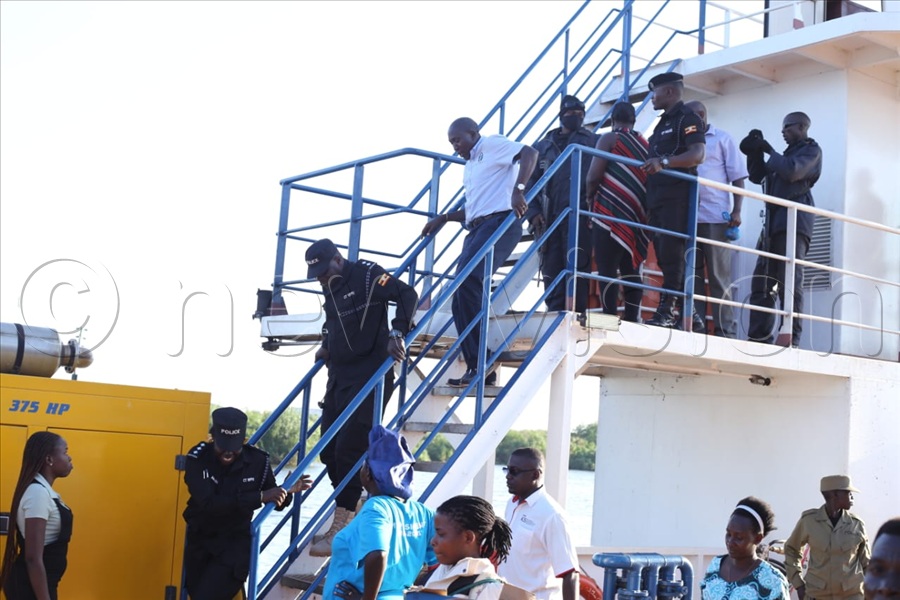
Nandala also pledged to establish fish processing industries near landing sites to improve incomes through value addition. (All Photos by Alfred Ochwo)

However, heavy traffic and the second ferry being serviced in Tanzania left travellers stranded. With only MV Ssese operational, supporters, traders, and commuters waited anxiously as time slipped by. It was not until 10.30am that the ferry docked, allowing Nandala and part of his team to board. Twenty-five minutes later, they finally reached the island.
For island residents, the delay was not unusual. It was a familiar experience that, they say, disrupts business, limits access to health services, and, in some cases, costs lives.
John Kizza, a fish trader who frequently travels between Bukakata and Kalangala, said reliance on a single ferry has made life unpredictable.
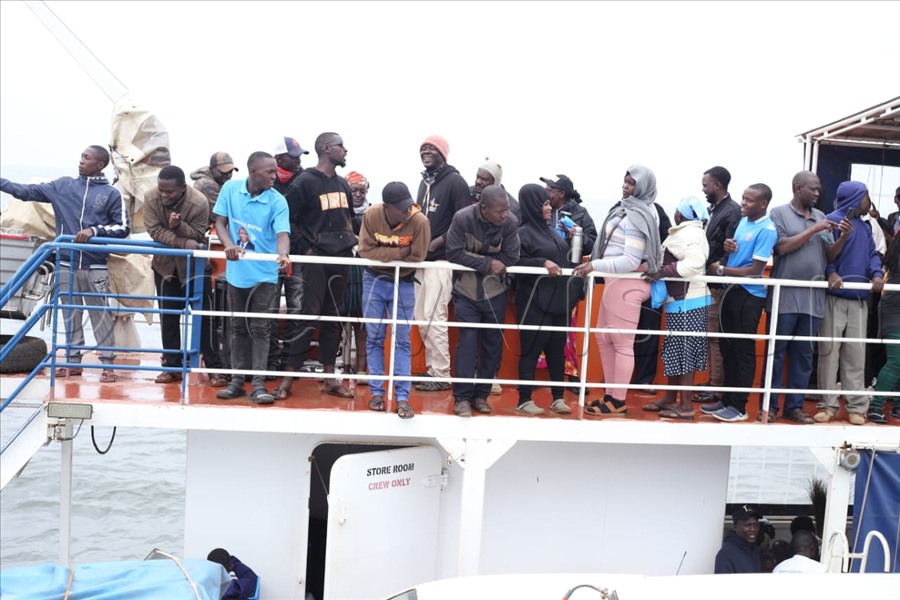
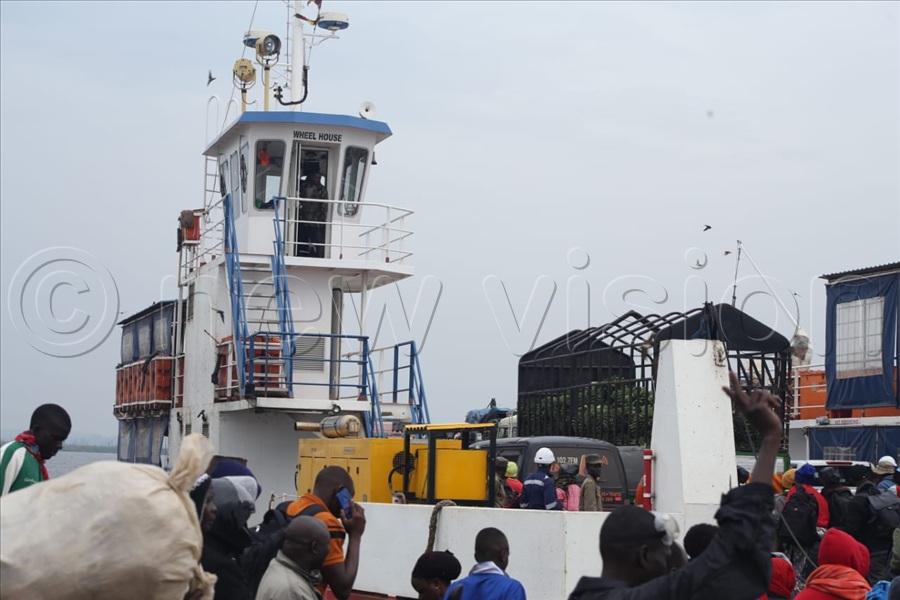
“One ferry is not enough for all these people. If it delays or breaks down like the other one that has been under repair for months, business stops completely. Fish gets spoiled, traders lose money, and patients suffer,” Kizza said.
He added that medical emergencies are particularly dangerous.
“If someone falls sick at night, you don’t know whether they will cross or not. People have died simply because transport failed. Our business and our health are not stable because transport is not reliable.”
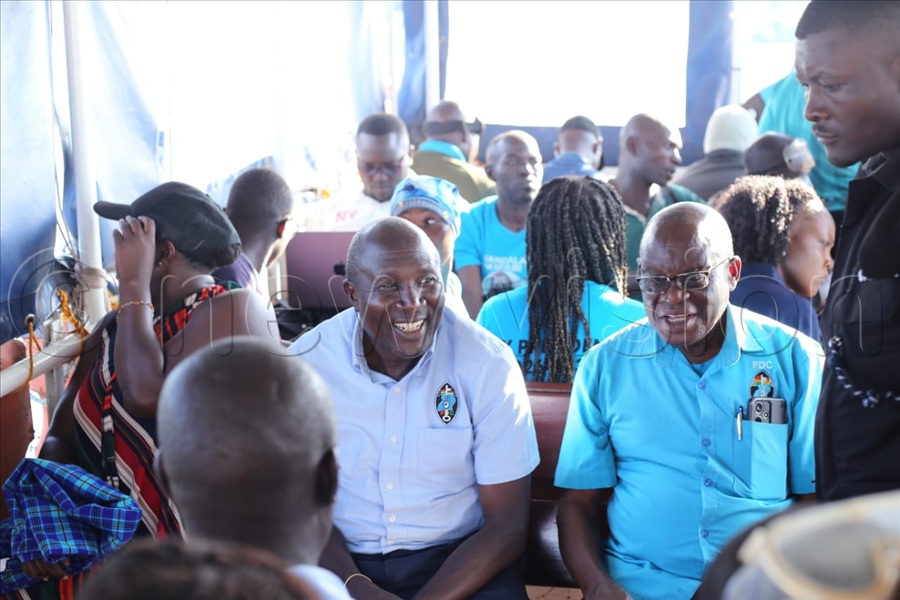
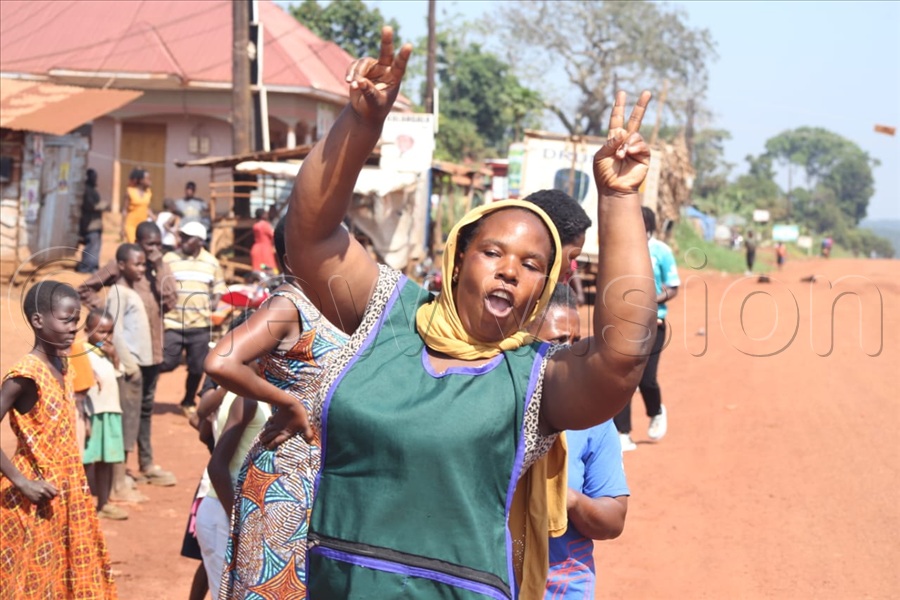
The delay itself quickly became a campaign talking point. Speaking to journalists shortly after arriving on the island, Nandala described ferries as essential infrastructure rather than a luxury.
“A ferry is a road. It should be available all the time,” he said, arguing that unreliable ferry services have crippled trade, emergency response and access to healthcare in island districts.
At rallies in Kalangala town, residents repeatedly returned to the issue of isolation, linking poor transport to the high cost of living and limited access to basic services. While oil palm farming dominated economic discussions, transport was the underlying problem connecting many of the island’s challenges.

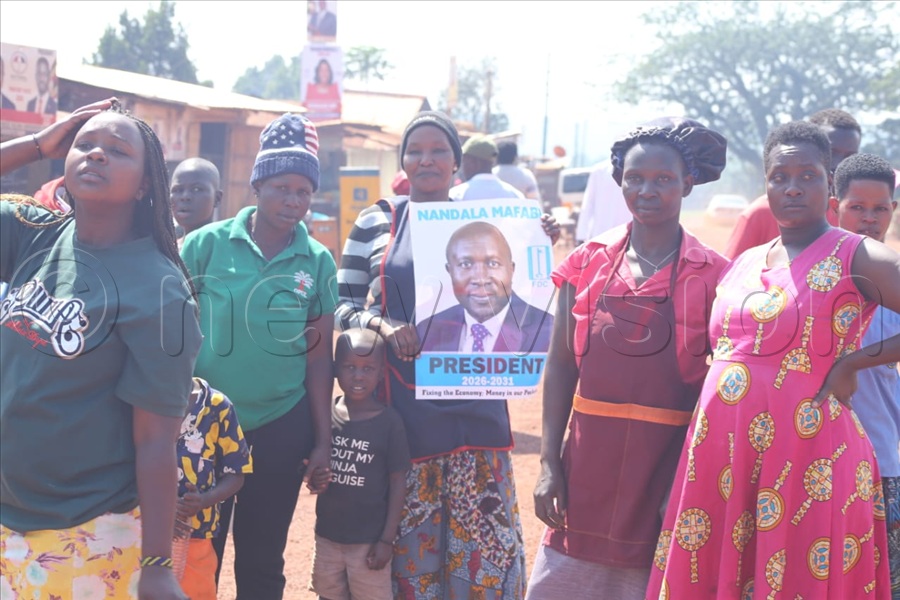
Kalangala has more than 2,000 households engaged in smallholder oil palm farming, but farmers say ferry delays increase transport costs and reduce their bargaining power when selling produce off the island. Others said unreliable crossings make it difficult to reach markets, schools and health facilities on the mainland.
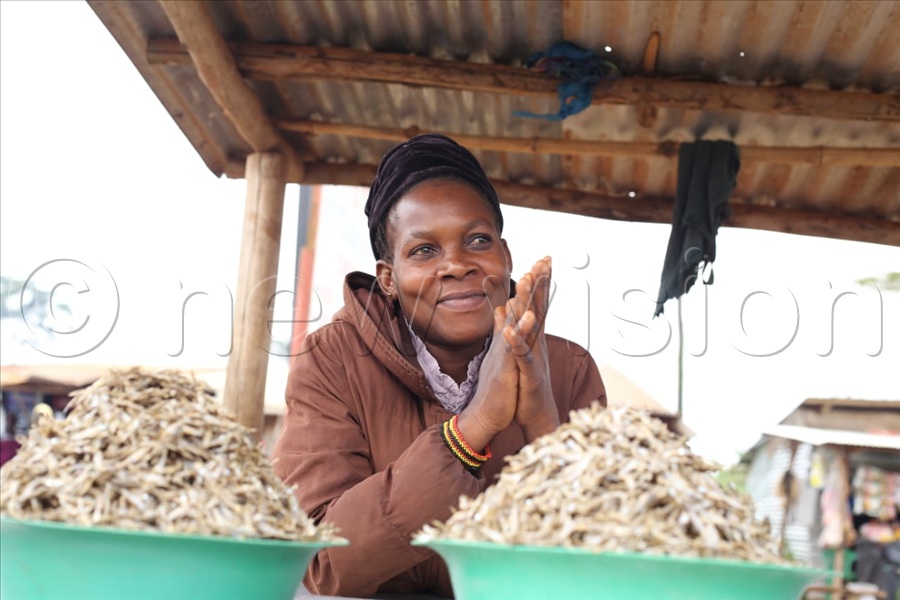
Beyond farming, fishing communities also voiced frustration. At Bukoma Trading Centre and BETA, residents complained about poor roads, weak health services and what they described as persistent harassment of fishermen by the army. Nandala, who is flying the Forum for Democratic Change (FDC) party flag, criticised enforcement practices he said criminalised livelihoods instead of supporting them.
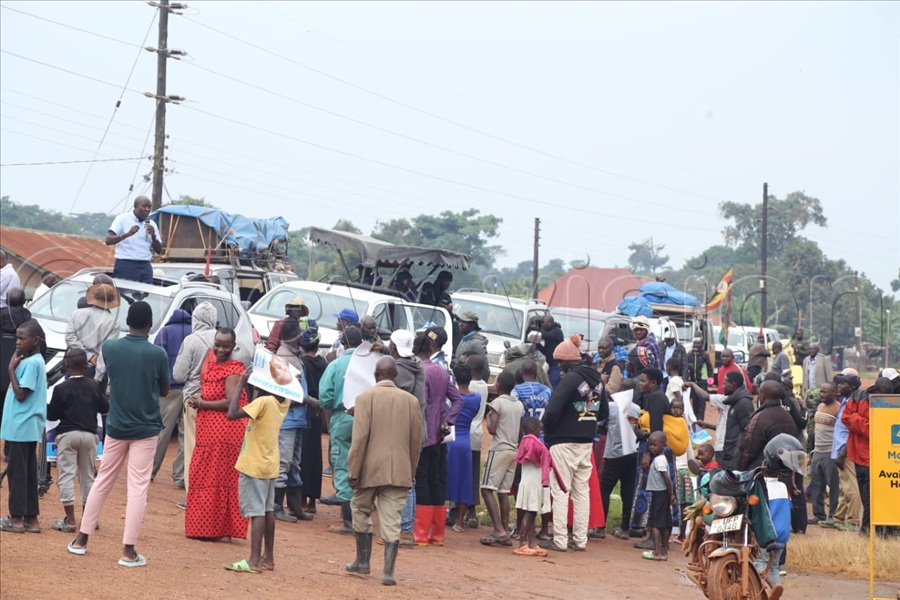
“If people are paying taxes and following the law, why chase them?” he asked.
“That means you want to make people poor. That will end.”
He argued that regulation should focus on providing proper equipment and access to markets, rather than punishment. Under an FDC-led government, he said district farm institutes would be revived to support both farmers and fishermen with inputs, training and market access.
He also pledged to establish fish processing industries near landing sites to improve incomes through value addition.
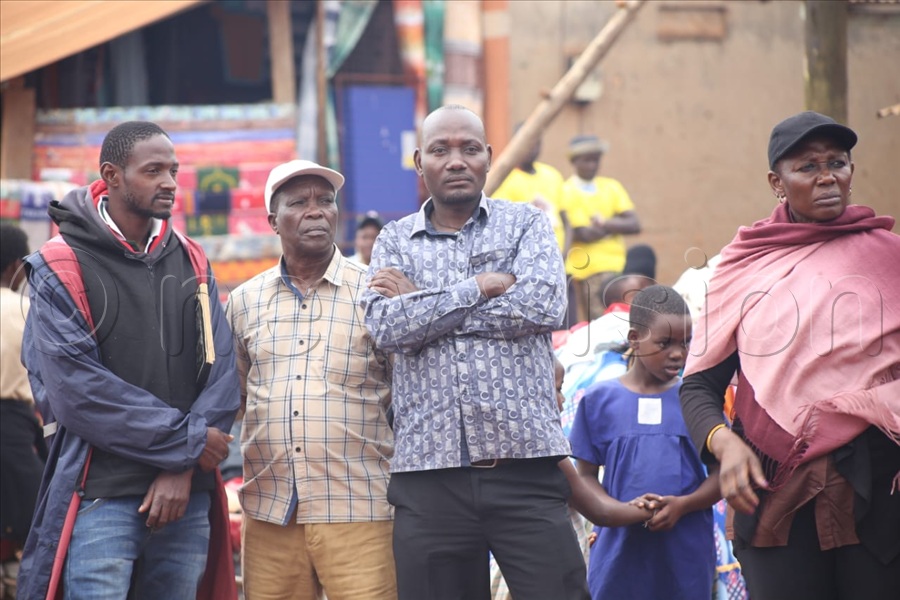
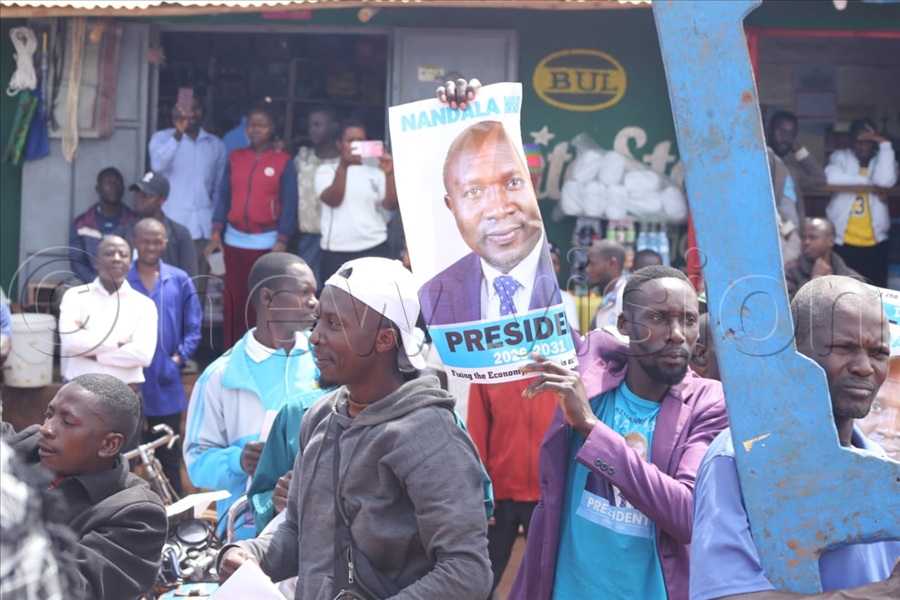
Poor road infrastructure on the island further compounds transport challenges. Residents said the absence of a single tarmac road makes movement difficult, especially during the rainy season.
“When it rains, roads become impassable,” Sarah Nakato, a resident of Bukoma Trading Centre, said.
“Children fail to reach school, pregnant women cannot reach health centres, and businesses stop.”

Health access featured prominently in Nandala’s pledges. Acknowledging the unique challenges of island districts, he promised special arrangements for medical emergencies, including water ambulances and airlifting critically ill patients.
Nandala also returned repeatedly to the issue of ferries, pledging to increase their number and improve reliability. He questioned the high costs often cited for ferry procurement, accusing the government of inflating prices.
“How much is a ferry? Three hundred million to half a billion. These people exaggerate money for purposes of cheating. We will establish two ferries per landing site to ease transportation to our people,” he said.