
FDC’s Nandala resumes campaigns, promises to industrialise Karamoja
At his first major address in the district, Nandala criticised the poor state of roads and the lack of basic social services, saying the situation had kept communities trapped in poverty despite decades of government promises.
Nandala proposed lowering fuel taxes in border areas, harmonising prices and creating jobs for young people to address petty crime. (Credit: Alfred Ochwo)
KARAMOJA - Forum for Democratic Change (FDC) presidential flag bearer James Nathan Nandala Mafabi has resumed presidential campaigns amidst holiday breaks in eastern and Karamoja sub-region campaigns with a strong message centred on poverty eradication, mineral-led industrialisation and what he described as long-standing state neglect of remote communities.
Nandala began his day in Bumuali village, Bunalwere Sub-county in Bulambuli District, where he paid a courtesy visit to the family of the late Michael Napokoli, a longtime friend and political ally.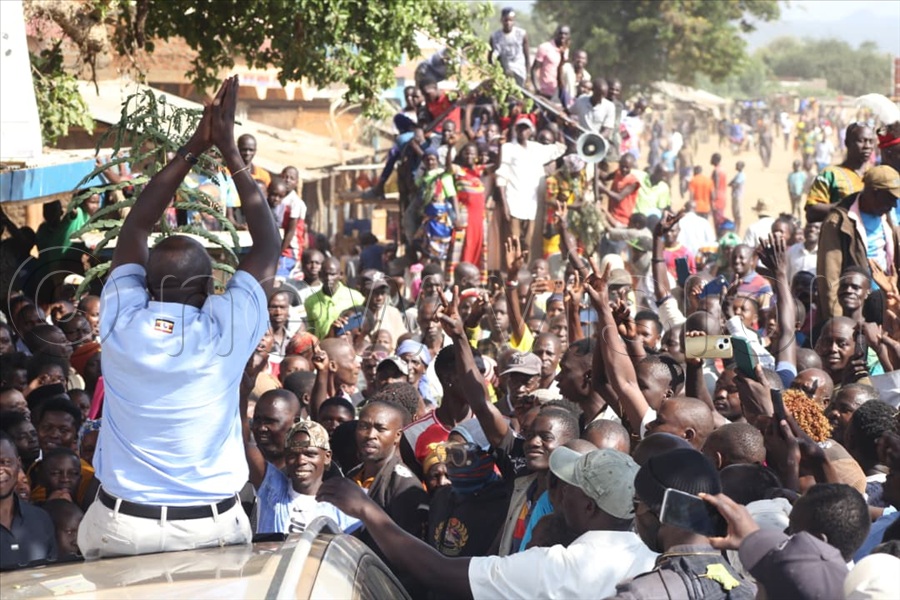
Nandala cited the poor state of trunk roads used to transport minerals out of the region, lack of electricity locally despite power exports to neighbouring countries, and what he described as unequal development priorities. (All Photos by Alfred Ochwo)
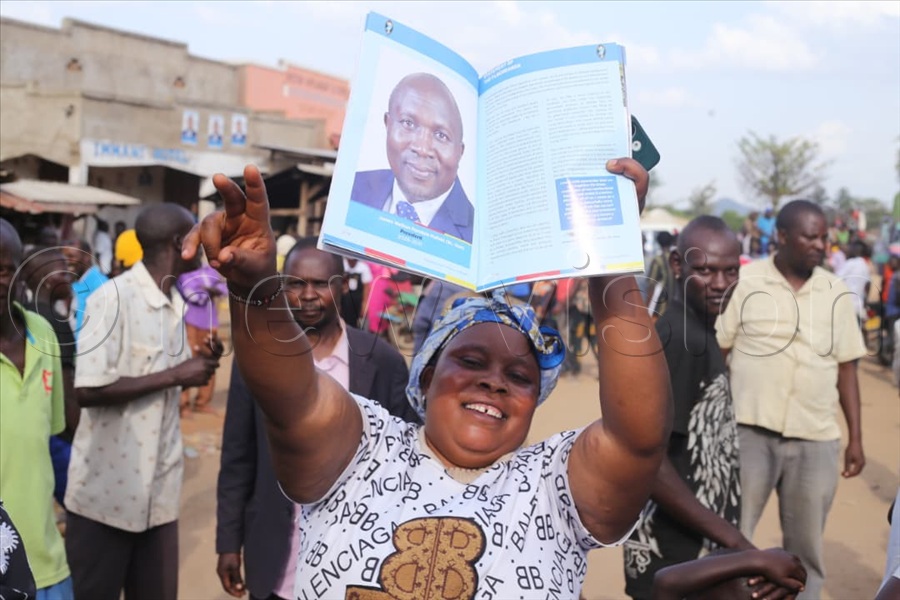
He was received by Napokoli’s widow and family members, who welcomed him with appreciation and respect.
Standing with the family in a quiet moment of remembrance, Nandala paid tribute to the late Napokoli as a man of strong values and integrity. He described him as a trusted friend with whom he shared a close personal relationship, and urged the family to remain united as they continue to honour his legacy.
From Bulambuli, the FDC 20 car convoy proceeded to neighbouring Kween District, making several stopovers along the way.
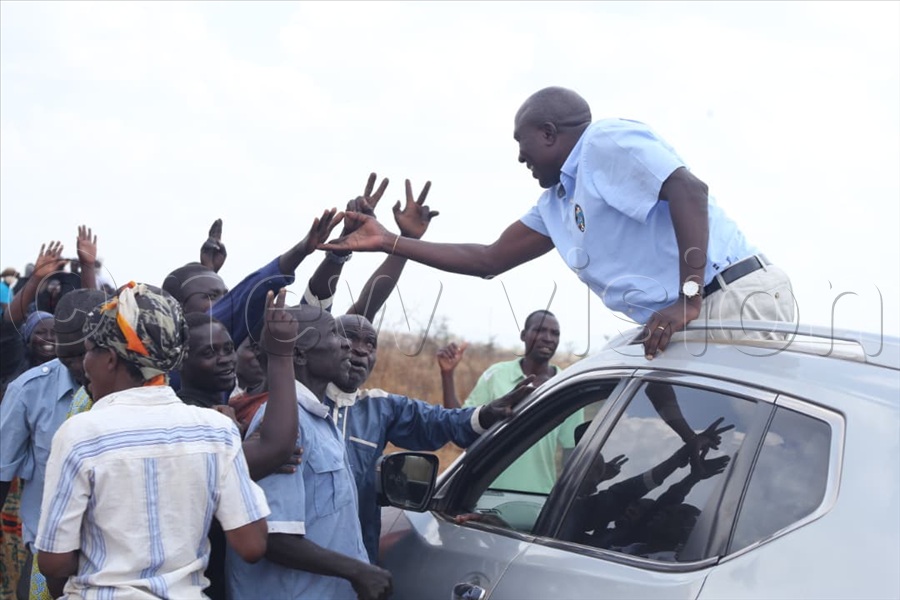
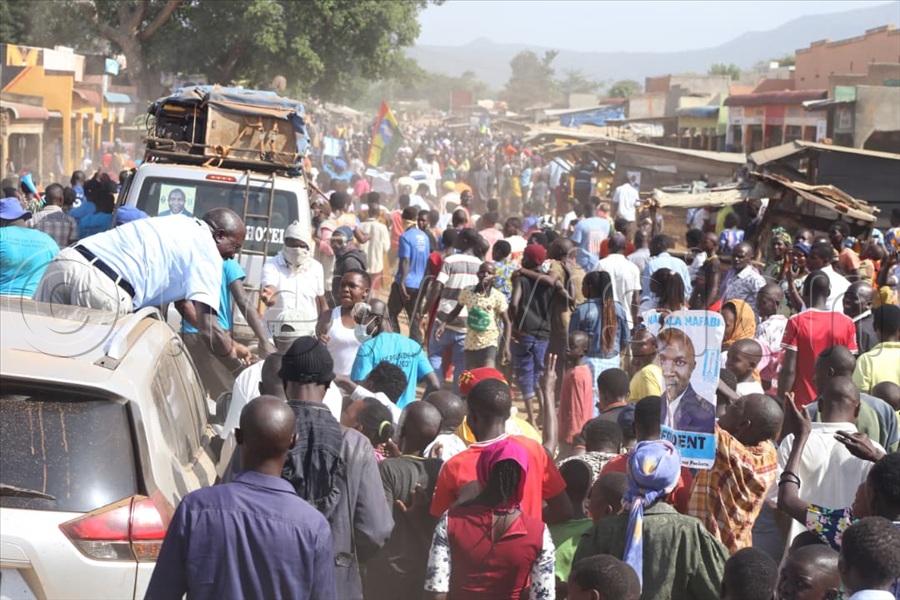
At his first major address in the district, Nandala criticised the poor state of roads and the lack of basic social services, saying the situation had kept communities trapped in poverty despite decades of government promises.
He later moved on to Korita village and Kiriki Trading Centre, where residents raised concerns ranging from widespread poverty, lack of water to limited access to health care, electricity and markets.
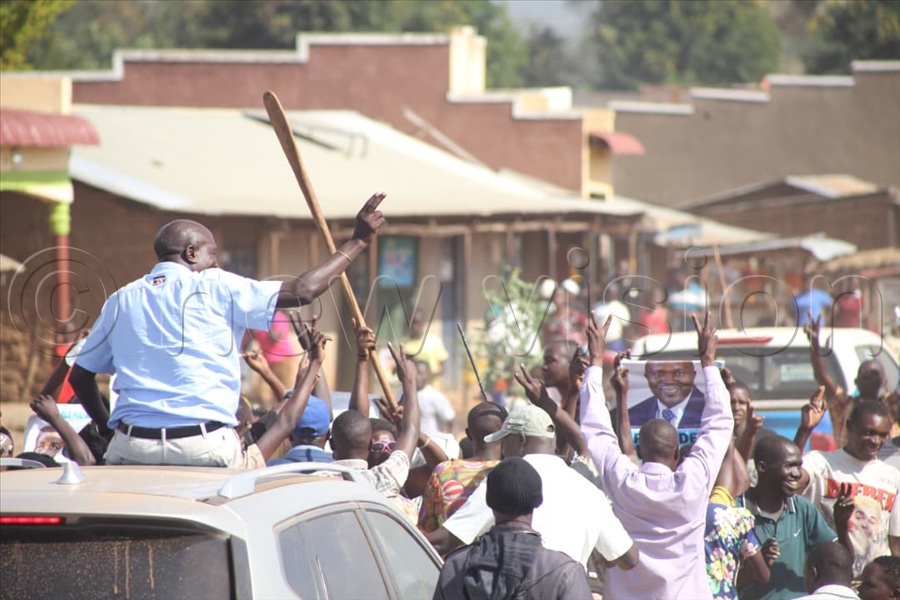
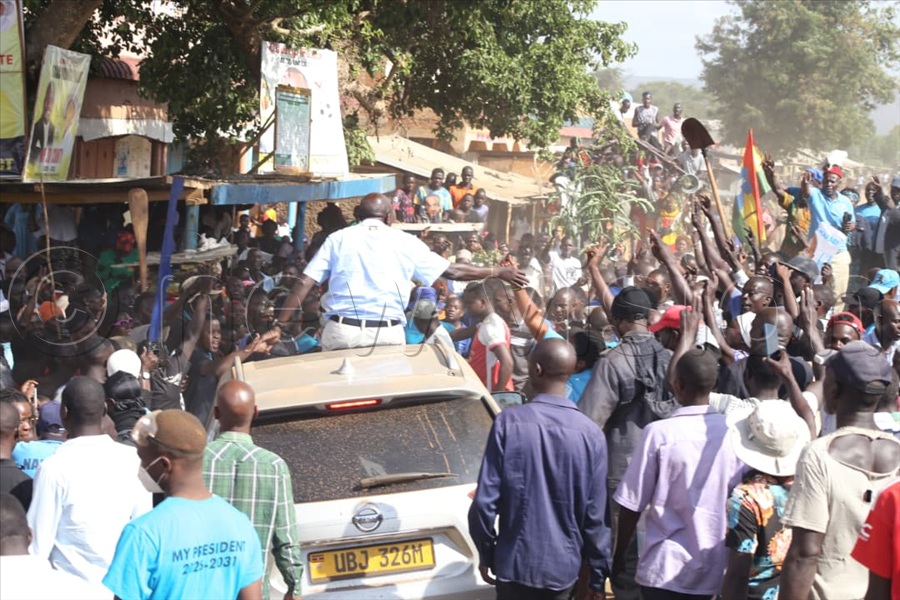
In Kiriki, Nandala received what supporters described as a heroic welcome, as crowds gathered to listen to his message of change.
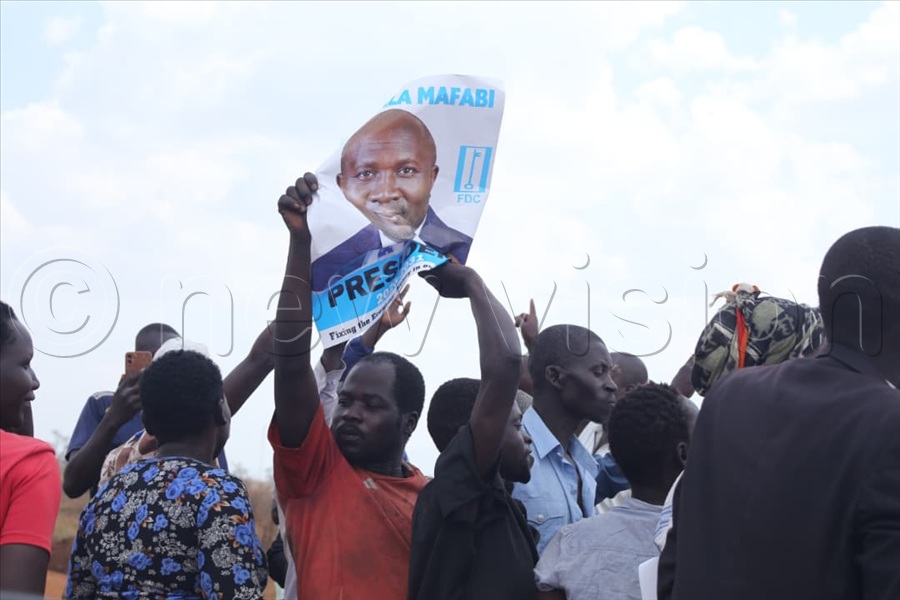
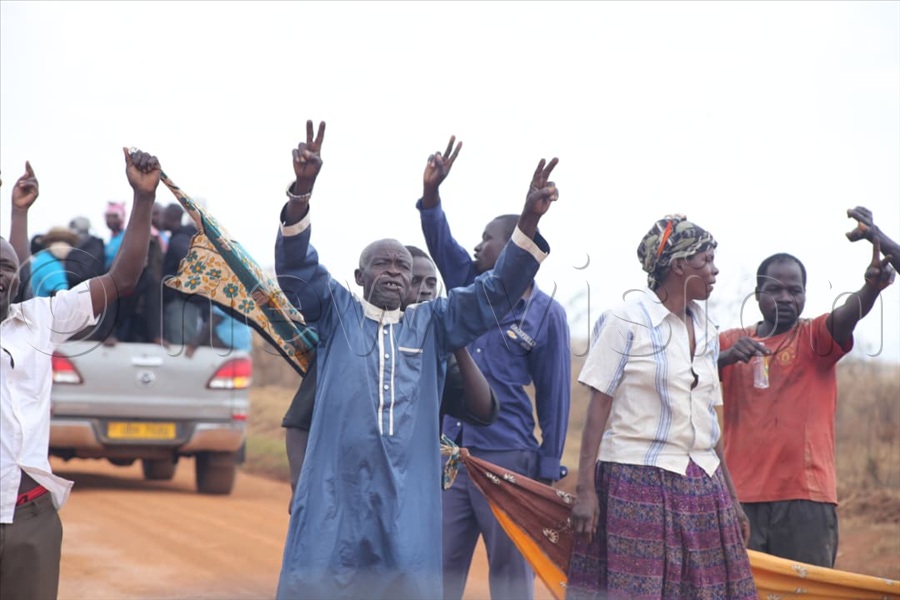
Michael Ongwec, a resident of Kalita trading centre, Kalita subcountry, Amudat district asked Nandala to prioritise provision of clean water because it’s the biggest challenge they have as a region.
“We buy a jerrycan at sh1000, which is a lot of money for us. Anyone who has plans to give us will get our votes. Even the roads are bad, but water is the biggest challenge here.” Ongwec told New Vision.
Addressing residents, Nandala pledged an aggressive national road construction program, saying infrastructure development would be prioritised under an FDC-led government.
“I want to assure you that we are going to make roads across Uganda, including at least 200 kilometres of tarmac every year in every district. And our own people will do this work. If there is no power here, we shall provide power, and it will be cheap and reach your homes. It is time for change, and you need leaders who understand your problems,” he said.
“I am going to turn Karamoja into an industrial region because it already has minerals and raw materials, with the gold, sand and precious stones, we will bring factories here so that locals can benefit from them,” he added
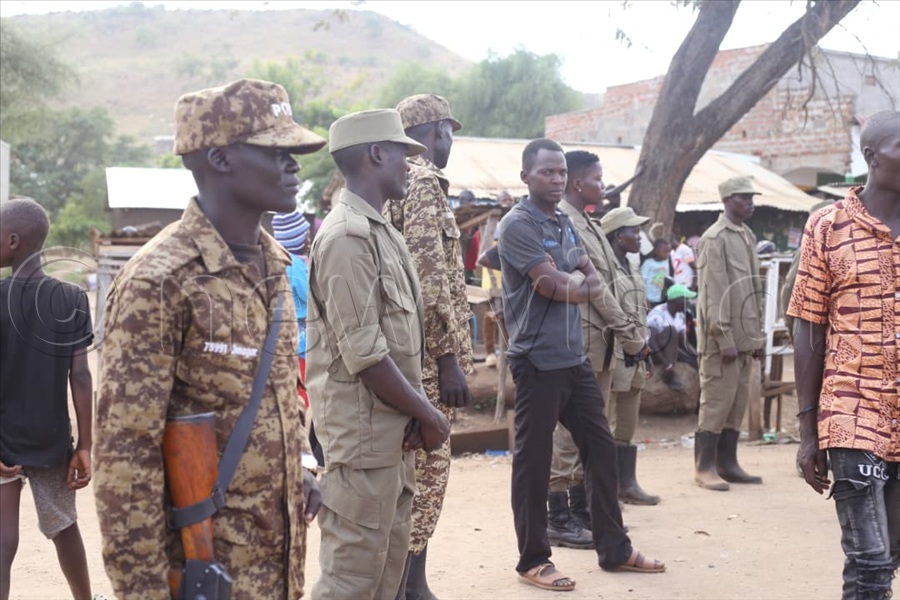
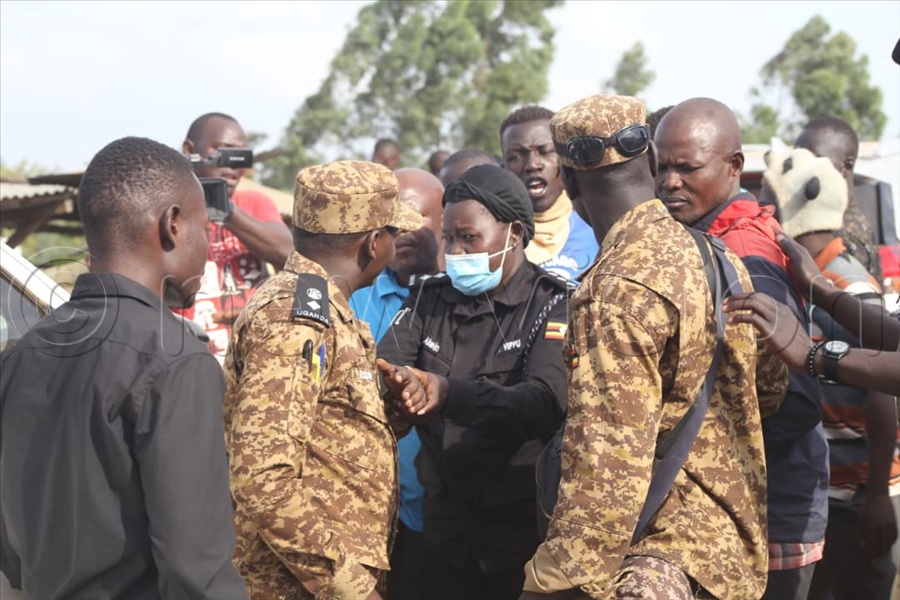
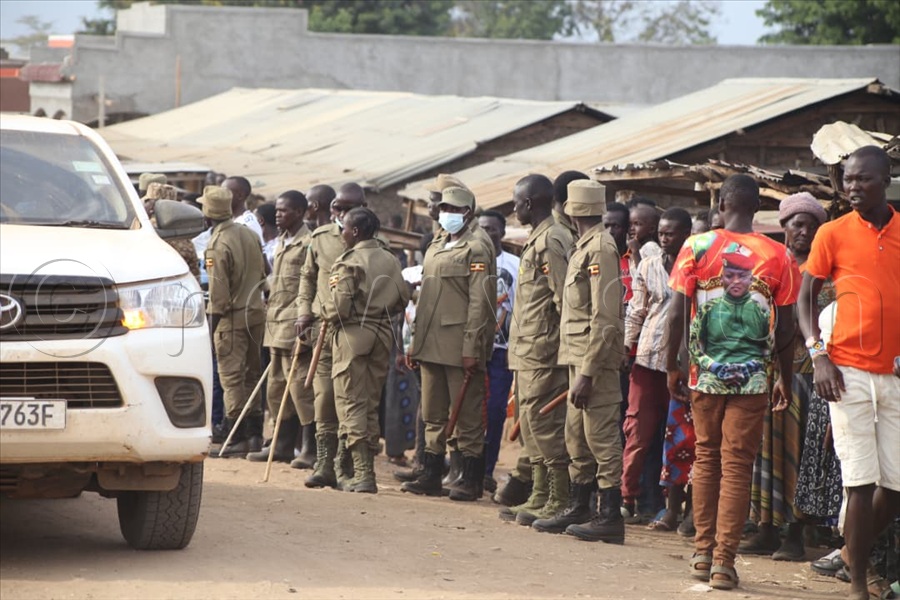
As the convoy crossed the Kiriki bridge into Amudat District, police blocked residents from following the procession. Despite the restriction, Nandala proceeded to Lokaris A village in Karita Sub-county, where he addressed supporters amid a heavy security deployment.
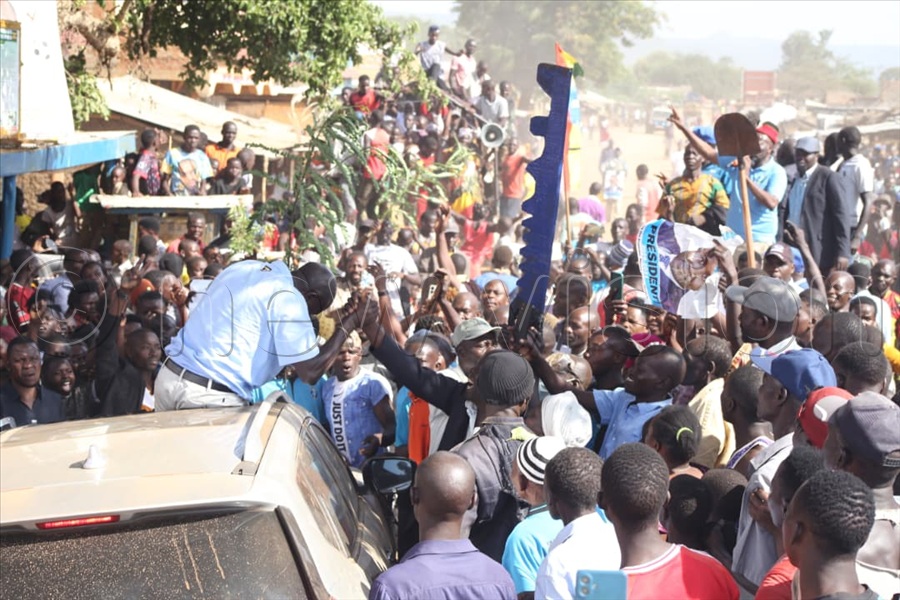
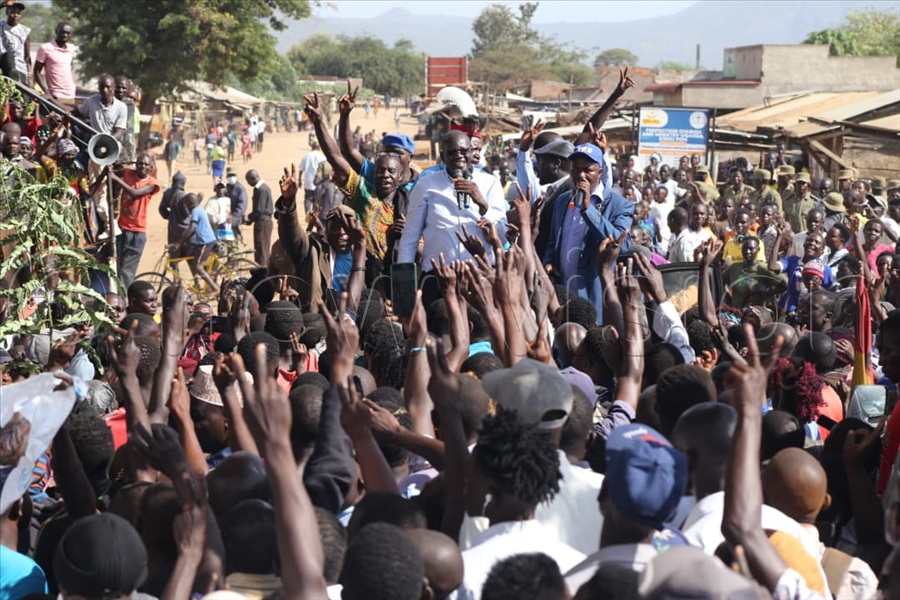
In his speech, he linked insecurity in the Karamoja region to deep-rooted poverty and economic exclusion, arguing that military force alone could not bring lasting peace.
“This insecurity is being caused by poverty. Nobody has come here to properly analyse the problem. These communities coexist and trade across borders. If fuel is cheaper across the border, people will cross. The solution is policy, make life here the same as life across,” Nandala told journalists.
He proposed lowering fuel taxes in border areas, harmonising prices and creating jobs for young people to address petty crime.
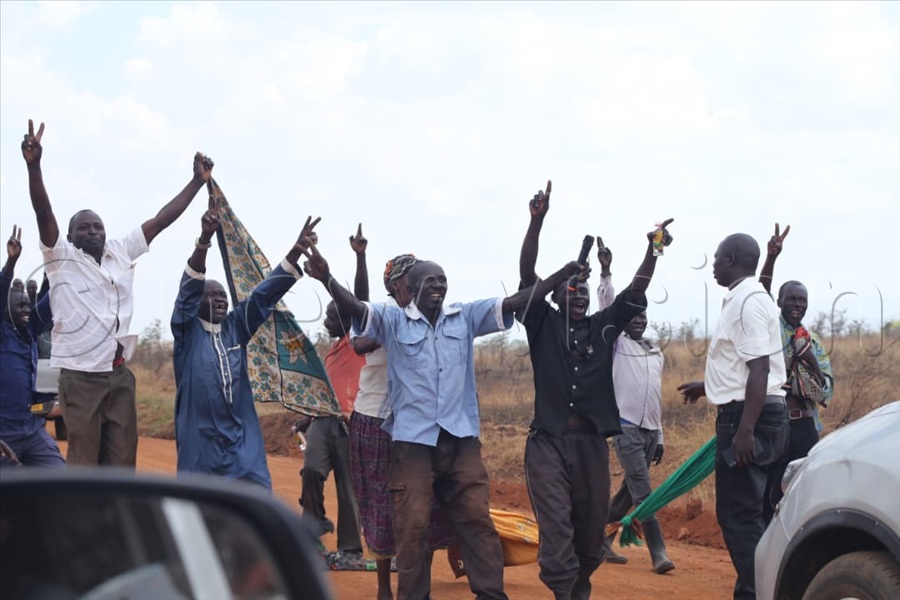
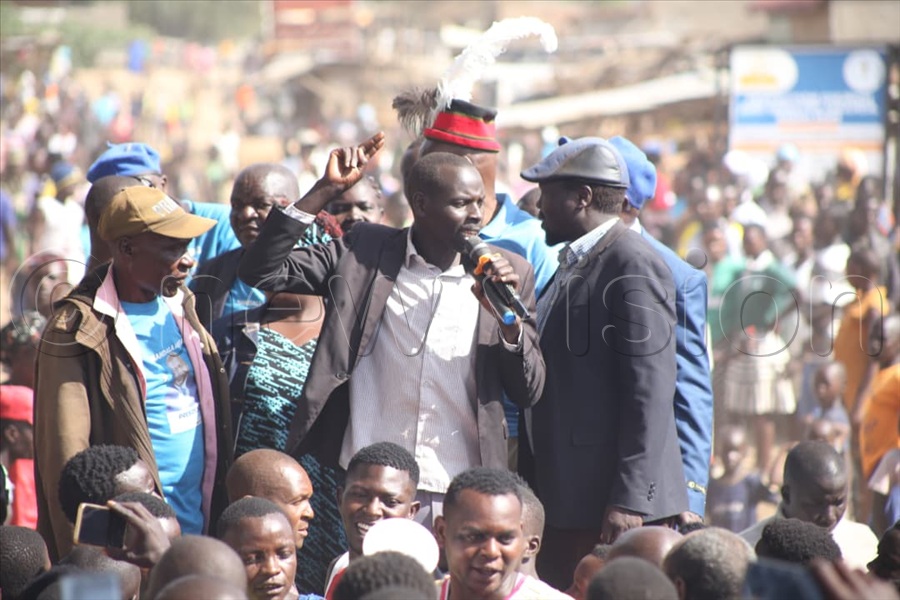
He also condemned the operations of moneylenders in rural communities, describing them as an insurgency that exploits desperation.
“How do you allow people to borrow little money and pay 60% interest in one month? A sane government cannot allow its people to be treated like this,” he asked.
Despite police firing shots in the air to disperse crowds in Karita, many supporters remained at the venue, refusing to leave as Nandala continued his address.
The FDC leader also addressed internal party developments, including the defection of Soroti District FDC chairperson Daniel Eigu, who recently withdrew from a parliamentary race.
Nandala dismissed the move, insisting individuals could leave, but the party remained intact.
“He can withdraw as an individual, but as a party, he cannot withdraw himself. We shall campaign up to the end. Anybody who goes, when he wins, he will come back,” he said.
Turning to Karamoja’s mineral wealth, Nandala accused the government of mismanaging the region’s resources and failing to ensure local communities benefit.
“Karamoja has a lot of minerals, but the people remain poor because they are cheated “Instead of taking stones and many other minerals from here to Tororo to make cement, why not put a factory here? People would get jobs here,” he said.
He cited the poor state of trunk roads used to transport minerals out of the region, lack of electricity locally despite power exports to neighbouring countries, and what he described as unequal development priorities.
“The government has been unfair to these people. This region deserves industry, power, roads and dignity.” Nandala said.
The FDC presidential candidate is scheduled to continue his Karamoja tour on Saturday, December 27, with campaign stops in Moroto and Abim districts, with just 19 days left for Uganda to decide the next five-year government.