
Youth urged to champion peaceful, fair 2026 elections
The dialogue brought together representatives from political parties, civil society, the Uganda Human Rights Commission (UHRC), security agencies and youth leaders from across the country.
Samuel Herbert Nsubuga, Chief Executive Officer of ACTV, interacting with Rebecca Gabu, Assistant Commissioner of Uganda, during the national youth dialogue on violence and torture for elections in Uganda Golf course hotel on October 31, 2025. (Credit: Jeff Andrew Lule)
_____________________
As Uganda prepares for the 2026 general elections, youth leaders and civil society organisations have urged young people to take the lead in ensuring a peaceful, transparent and fair electoral process.
Speaking at a National Youth Dialogue held at Golf Course Hotel in Kampala, African Centre for Treatment and Rehabilitation of Torture Victims (ACTV) chief executive officer Samuel Herbert Nsubuga reminded participants that Uganda’s elections since 2001 have often been marred by violence.
He emphasised the need for meaningful engagement with the youth, who make up nearly 77% of the population.
“The youth must not allow themselves to be used by self-seeking individuals. Instead, they should elect leaders with clear plans for their future. Engaging the youth meaningfully is key to a better election in 2026,” Nsubuga said.
The dialogue brought together representatives from political parties, civil society, the Uganda Human Rights Commission (UHRC), security agencies and youth leaders from across the country.
Nsubuga underscored the importance of civic education, saying it empowers citizens to make informed choices.
“Young people need to understand the electoral process so that when they vote, they do so in an environment that is free, fair, and peaceful,” he said.
He cautioned against the growing threat of misinformation and disinformation, particularly from social media and unverified media reports.
“When false election results or misleading information circulate, it can easily trigger violence, as people may feel cheated,” he warned.
Nsubuga also urged co-operation between youth and security agencies, noting that both share responsibility for maintaining peace.
“The youth should work closely with security organs, and duty bearers must exercise restraint to ensure a violence-free election,” he said.
Reflecting on past incidents, such as the Kawempe byelection, where ACTV treated victims of election-related violence, Nsubuga expressed cautious optimism about the current political climate.
“So far, the campaign period has been largely peaceful. We must sustain this calmness all the way into January and February next year,” he added.
He reminded security officers of their individual accountability under the Prevention and Prohibition of Torture Act, warning that perpetrators of human rights violations would be held personally liable.
“No one should provoke security agencies. Citizens should simply cast their votes and wait calmly for the results,” he advised.
Nsubuga also called on political candidates to lead by example.
“Candidates have a duty to ensure elections are free from torture and violence. Their behaviour sets the tone for their supporters,” he said.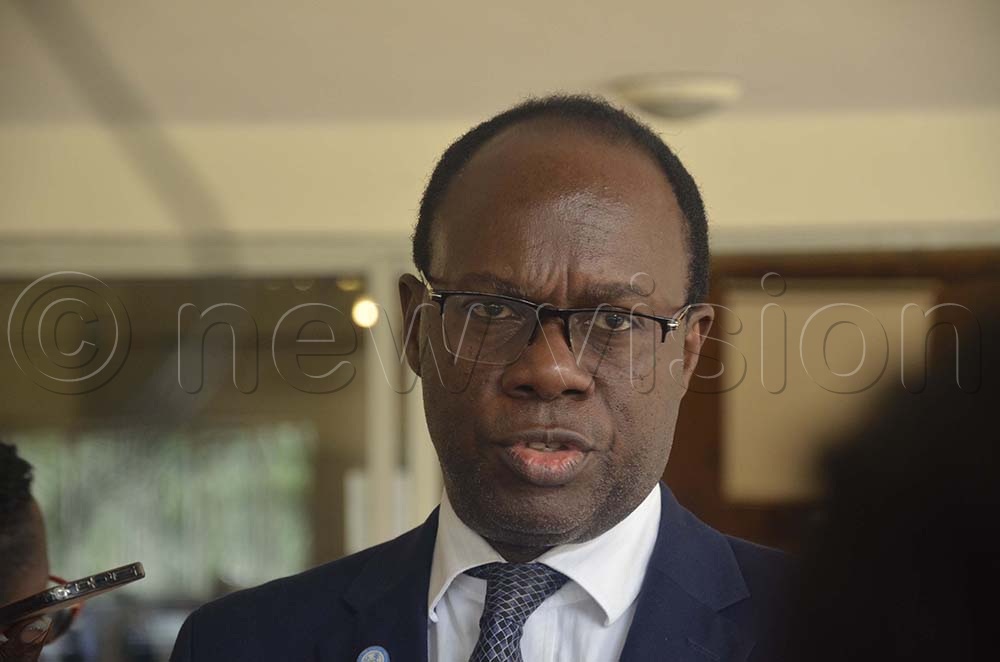
Samuel Herbert Nsubuga, Chief Executive Officer of ACTV, addressing journalists during the national youth dialogue on violence and torture for election in Uganda Golf course hotel on October 31, 2025. (Credit: Jeff Andrew Lule)
Priscilla Nyarugoye, representing the Uganda Human Rights Commission (UHRC), urged both leaders and citizens to uphold peace throughout the electoral season.
“Duty bearers should not give satisfaction to those who want to use elections for selfish gains. Let us choose dialogue over destruction,” she said.
Nyarugoye reaffirmed the Commission’s commitment to safeguarding rights during the elections.
“It is our civic responsibility to ensure every Ugandan can participate in choosing their leaders peacefully. As we approach the 2026 elections, UHRC remains dedicated to promoting freedom of speech and protecting citizens from torture and violence,” she noted.
Daniel Habasa, of the National Resistance Movement (NRM), highlighted ongoing youth empowerment efforts.
“The Youth Livelihood Programme is performing well, with the Government releasing shillings 40.9 billion to support youth entrepreneur groups,” he said.
He urged young people to use government programmes to fight poverty rather than wasting time on political propaganda.
He added that 30% of Parish Development Model funds are allocated to youth.
Gaudius Turyasingura of the Uganda Law Society (ULS) cited the World Justice Project’s Rule of Law Index, where Uganda ranks 126th out of 142 countries, pointing to weaknesses in human rights, accountability, and corruption.
He raised concern over the country’s growing prison population, now about 80,000, with 60% awaiting trial.
Benon Kayunga, from the Electoral Commission, said the EC is addressing misinformation through regular stakeholder training.
During discussions, youth participants pledged to become agents of peace throughout the election period but urged the EC and other agencies to expand civic education efforts nationwide.