
World Gorilla Day: When Uganda protects wildlife, communities thrive
This is the story behind World Gorilla Day, marked every September 24 as a global reminder that the survival of gorillas depends on collective action to protect the animals and the forests they call home.
A mother breast feeding its young one in the Kyaguriro gorilla family of Bwindi. (Photo by Julius Luwemba)
_________________
Deep inside the mist-shrouded forests of southwestern Uganda, where ancient trees rise into the clouds and narrow trails disappear into the undergrowth, a quiet story of survival continues to unfold.
Somewhere in that wilderness, a mountain gorilla moves through the forest with its family. For a few precious moments, a visitor may catch its gaze, watch it forage or see a mother cradle her young. There is no fence between them. No glass separates the human from the animal.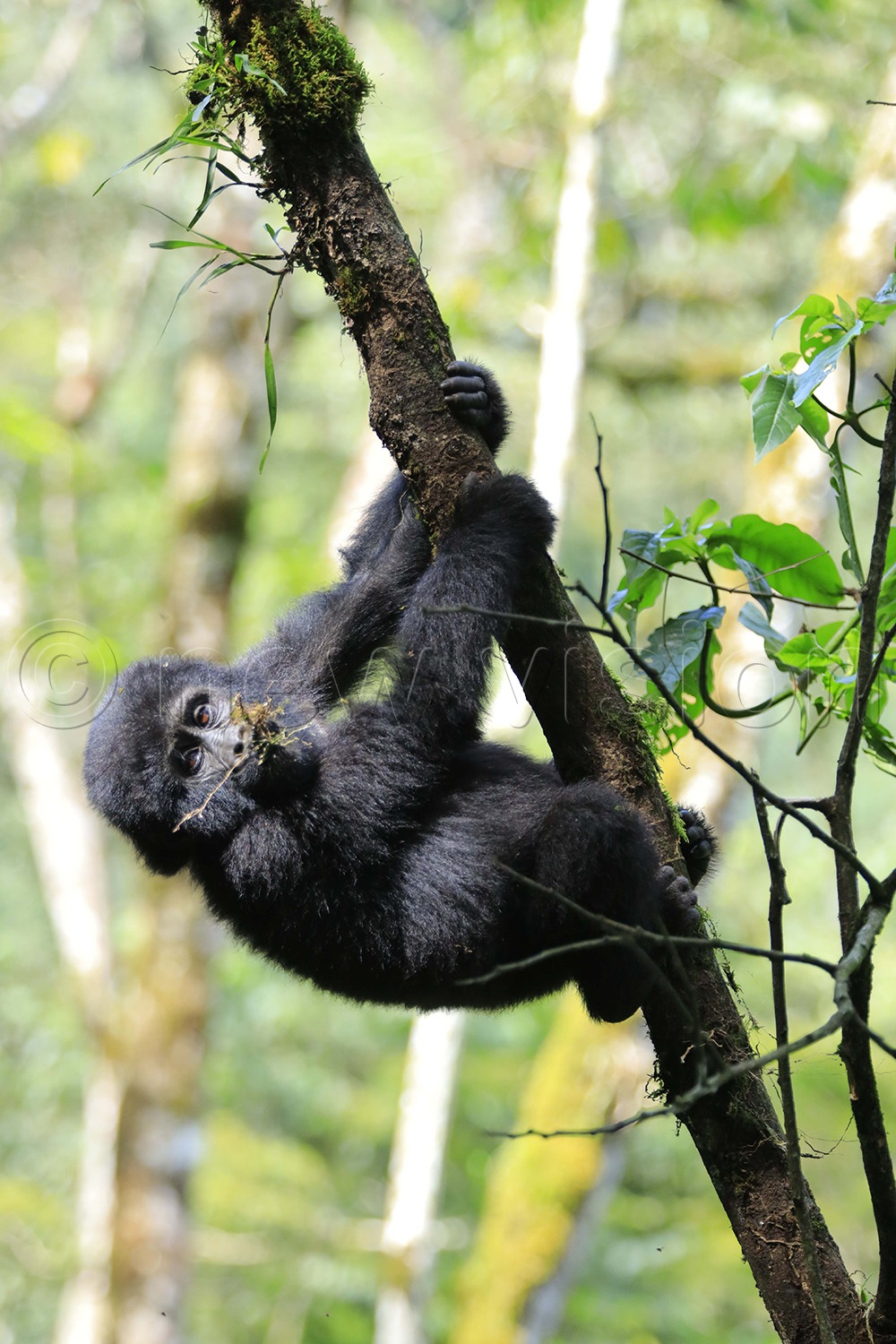
A baby gorilla of Posho family swinging by the tree in Bwindi National Park. (Photo by Julius Luwemba)
It is an encounter that can last only an hour, but its consequences stretch much further, from the forest floor to nearby villages, from porters carrying visitors' luggage along steep trails to lodges employing local people, and ultimately to Uganda's tourism economy.
This is the story behind World Gorilla Day, marked every September 24 as a global reminder that the survival of gorillas depends on collective action to protect the animals and the forests they call home.
Launched in 2017, the day coincides with the anniversary of Dian Fossey's Karisoke Research Centre and calls attention to the conservation of all four gorilla subspecies: mountain gorillas, Cross River gorillas, western lowland gorillas and Grauer's gorillas.
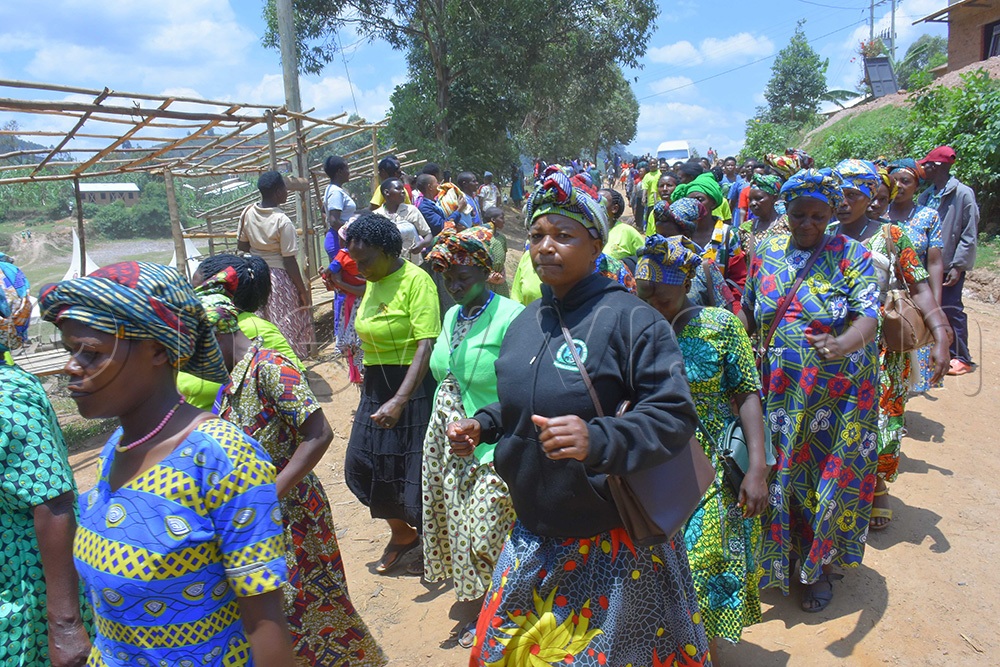
Women of Ruhija in Kanungu district marching for the celebration of gorillas. (Photo by Julius Luwemba)
Uganda is home to more than half of the world's remaining mountain gorillas, according to the 2018 census. The latest population census has been conducted, but the final 2025/26 figure is still being awaited as DNA analysis enters its concluding stages.
The activities on Monday and Tuesday included tree planting, general community cleaning, dialogue meetings, sports for conservation and a free medical camp, which saw more than 120 residents receive medical services from Rugarama Hospital.
The initiative was coordinated by Christina Katushabe, who heads Change A Life-Bwindi, a community-based non-profit organisation working to improve the welfare of communities living around gorilla habitats.
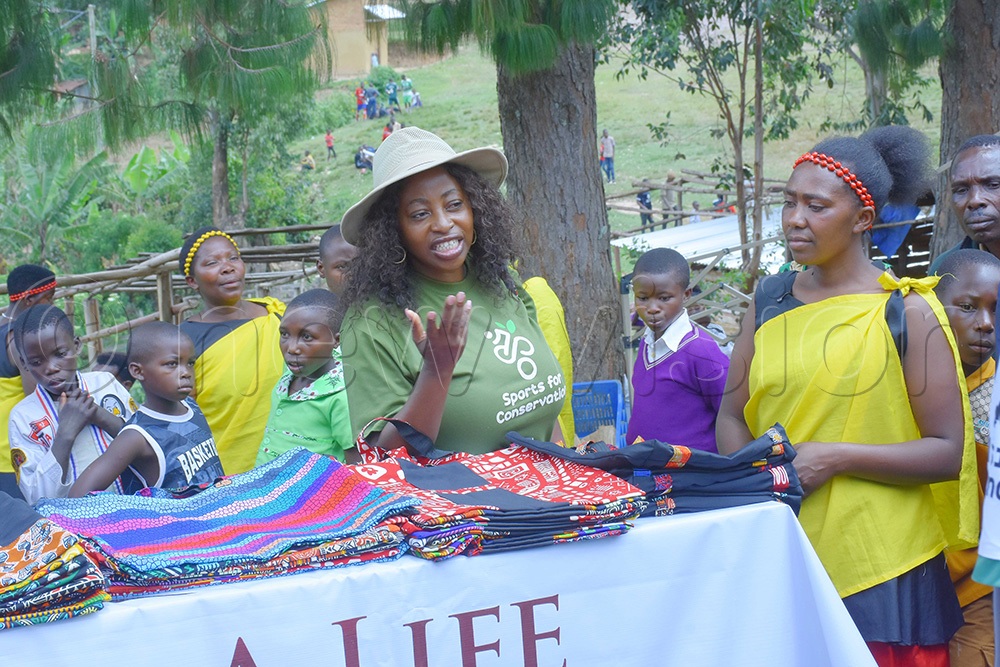
Christine Katushabe (left), the founder of Change A Life Bwindi, a non-profit-making organisation that strives to restore the ecology of the Bwindi landscape as well as peoples welfare. (Photo by Julius Luwemba)
Katushabe said conservation cannot be separated from the wellbeing of people living alongside protected areas because communities are among the first stakeholders to feel the benefits and challenges associated with wildlife. The community activities were supported by the Uganda Wildlife Authority (UWA), represented by Joseph Muhindo, assistant tourism and hospitality officer for the Ruhija sector.
Gorilla contribution to Uganda's economy
Bashir Hangi, the UWA spokesperson, stated that a total of 3,601 international and domestic tourists visited Mgahinga National Park during the financial year 2021/2022. The number increased to 5,325 visitors in 2022/2023 and 5,507 in 2023/2024 before rising to 6,222 in 2024/2025.
According to Hangi, Bwindi Impenetrable National Park recorded 20,367 visitors in 2021/2022, later increasing to 37,360 domestic and international visitors in 2022/2023. The numbers continued to rise to 43,984 visitors in 2023/2024 before slightly declining to 43,716 in 2024/2025.
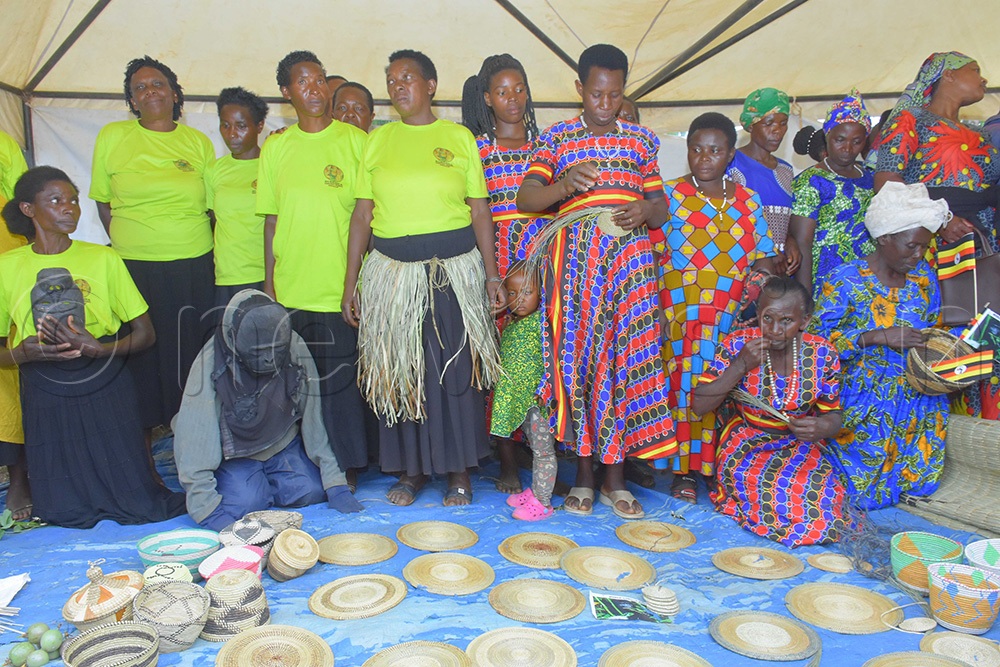
Some of the women groups staying in the Ruhija sector of Bwindi National Park benefit from selling handmade crafts to tourists who travel for gorilla tracking. (Photo by Julius Luwemba)
John Makombo, UWA's commissioner for biodiversity management, said both Bwindi and Mgahinga national parks generated more than sh109.8b from gorilla tourism alone in the financial year 2022/2023.
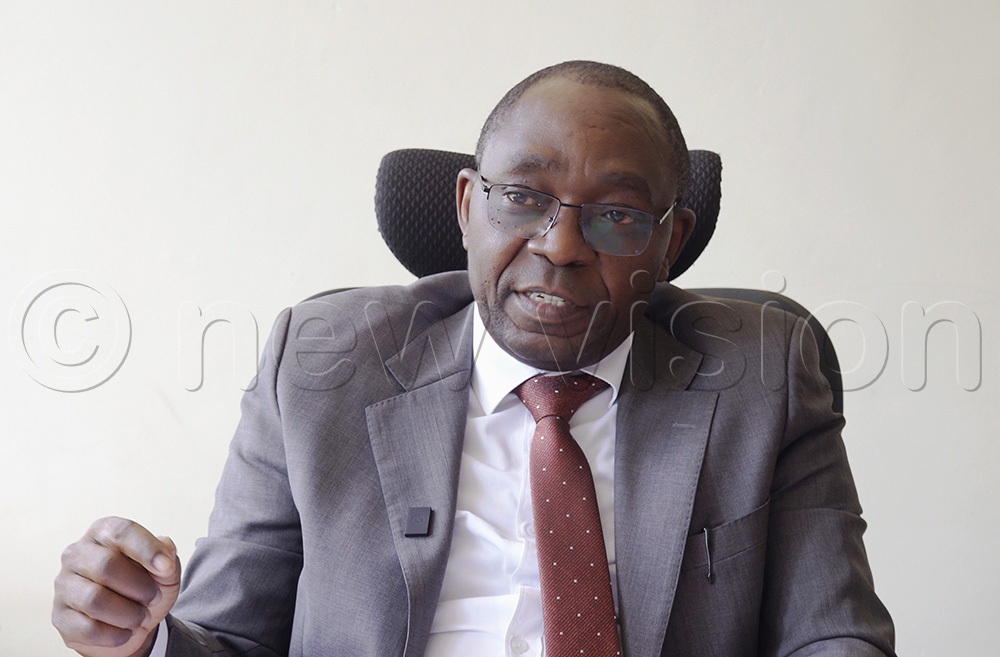
John Makombo, the Commissioner for biodiversity management under the Uganda Wildlife Authority. (Photo by Julius Luwemba)
During the same period, other tourism activities brought the total revenue collected from the two protected areas to sh147.9b. However, due to bad travel advisories issued by foreign missions, the revenue decreased to sh131.9b in 2023/2024, with gorilla tourism contributing sh86b.
Following rigorous campaigns by different stakeholders in the tourism sector, tourism revenue gradually increased to a total of sh142b in 2024/2025, with gorilla tourism contributing sh93b, before a full recovery to sh162.5b in 2025/2026. Of this, gorillas contributed sh110b.
Quoting the World Travel & Tourism Council report, Juliana Kagwa, the chief executive officer of the Uganda Tourism Board (UTB), remarked that tourism contributed sh11.8 trillion (6.9% of the GDP) in 2019 during the pre-COVID period.
"By 2024, the share stood at sh12.1 trillion, reflecting an annual growth of 12.6% despite the faster expansion of other sectors," Kagwa observed.
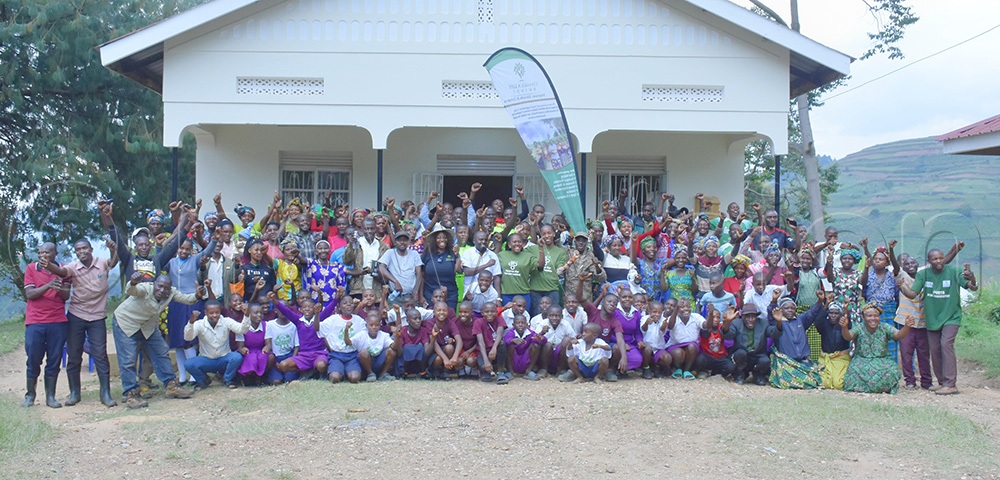
Residents of Kanungu district having a photo moment after the community dialogue on gorilla conservation at Mpungu sub-county headquarters. (Photo by Julius Luwemba)
The UTB boss echoed the Government's ambitious target of increasing the economy tenfold, from $50b to $500b by 2040. She recognised that tourism was given an ambitious target of 25%. Kagwa, however, remains optimistic that with Uganda's tourism endowments, and gorillas being at the centre, the country remains on a steady trajectory.
As Uganda celebrates its gorillas, the future of the species cannot be secured by conservation authorities alone. It depends equally on communities, tourism players, health providers, local leaders and other partners.