
Why Kaliro leaders want govt to fence off 210-acre UNITE campus
The local authorities say the campus, which occupies more than 210 acres in Namugongo sub-county, is vulnerable to encroachment because it lacks a perimeter fence and a properly secured main entrance.
Local leaders in Kaliro district have raised concerns over the security of the Uganda National Institute of Teacher Education (UNITE) campus. (Photo by Doreen Musingo)
________________
Local leaders in Kaliro district have raised concerns over the security of the Uganda National Institute of Teacher Education (UNITE) campus, calling for government intervention to protect the institution's land and infrastructure.
The local authorities say the campus, which occupies more than 210 acres in Namugongo sub-county, is vulnerable to encroachment because it lacks a perimeter fence and a properly secured main entrance.
Faizal Ali, the LC3 chairperson of Namugongo sub-county, where the campus is located, said that despite the institution having a land title and having undergone renovation and equipping, it lacked a perimeter fence and gate to provide security.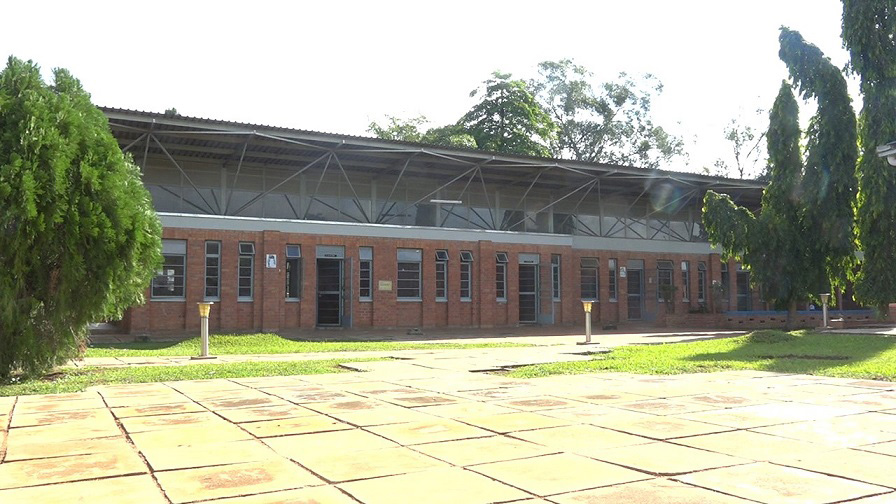
Local leaders in Kaliro district have raised concerns over the security of the Uganda National Institute of Teacher Education (UNITE) campus. (Photo by Doreen Musingo)
He explained that fencing the campus and installing a properly designed main entrance gate would establish a clear security boundary, protect government property and provide an organised environment for teaching, learning and administration.
He said protecting institutional land was particularly important because acquiring and developing alternative land in the event of encroachment could be expensive and divert resources from essential academic programmes.
Ali argued that fencing should therefore not be viewed merely as an aesthetic improvement but as a long-term investment in land protection, institutional security and the sustainability of government-funded infrastructure.
He raised the concerns during an interview with New Vision in Namugongo sub-county.
During a recent stakeholders' meeting at the Kaliro campus, resident district commissioner (RDC) Thomas Matende warned that the institution risked losing part of its more than 210-acre property to encroachers unless the government urgently intervened to fence off the campus and establish a secure boundary.
He urged the management to engage the government through the responsible ministry to prioritise the construction of a perimeter fence and installation of a main entrance gate to protect the institution's land and infrastructure.
"There is an urgent need for management to engage the government to fence off the institution, which is so open. Once people begin grabbing and settling on the land with permanent structures, it will be very hard to remove them," Matende said.
He cautioned that waiting until encroachers established permanent buildings, gardens or other developments could complicate efforts to reclaim the land, potentially subjecting the institution to lengthy legal battles and costly evictions.
Matende said securing the land should be treated as a priority, particularly because the government had invested heavily in renovating the institution at a cost of about $3 million (approx. sh11 billion). He said protecting the land was just as important as improving the buildings and other facilities.
He warned that failure to secure the property could undermine the government's investment and future expansion plans.
"The government has invested a lot of money in renovating this institution. We should not allow individuals to take advantage of the open land and start establishing themselves there. We must protect what the government has invested in," he said.
Matende explained that a perimeter fence would also strengthen security by controlling access to the institution, preventing unauthorised entry and making it easier for security personnel to monitor movements within the premises.
He said a designated main entrance gate would help management establish an effective access-control system, ensuring that visitors, students, staff, suppliers and others accessing the campus were properly identified.
Matende added that the current situation, in which people could access different sections of the institution without passing through a controlled entry point, exposed it to security threats.
Matende further warned that an unsecured campus could expose the institution to theft, vandalism, trespass and destruction of property. Equipment, construction materials, furniture and other valuable institutional assets could easily become targets if outsiders were able to access the premises freely.
Earlier, Emmanuel Acidri Bileti, the dean of the UNITE Kaliro campus, had raised concerns over the institution's porous boundaries and the absence of a properly established main entrance gate.
Acidri said the lack of a secure perimeter made it difficult for the institution to monitor people entering and leaving the premises, creating challenges in maintaining order and ensuring the safety of the campus community.
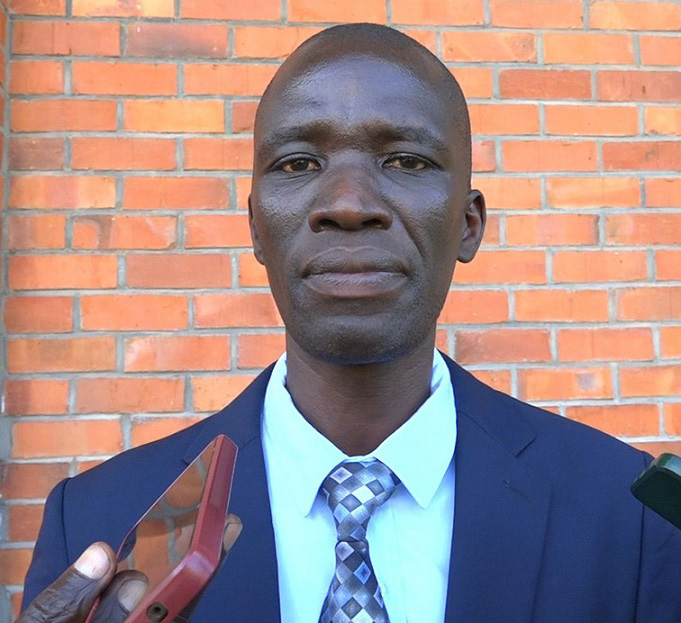
Emmanuel Acidri Bileti, the dean of the UNITE Kaliro campus, had raised concerns over the institution's porous boundaries. (Photo by Doreen Musingo)
He said securing the institution was necessary to support its transformation into a modern teacher-training institution, particularly as it continued to improve its infrastructure and expand its operations.
The concerns come at a time when the government is investing in strengthening teacher education through the transformation of former primary teachers' colleges and national teachers' colleges into UNITE campuses.
The Kaliro campus, which occupies more than 210 acres, has considerable land that could support future institutional expansion, including additional lecture rooms, student accommodation, staff housing, sports facilities, demonstration facilities and other academic infrastructure.
However, Acidri said that without proper boundary protection, the institution, which was renovated at a cost of about $3 million (approximately sh11 billion), risked facing challenges in implementing its long-term development plans.
“A perimeter fence would also help prevent illegal land subdivision, encroachment, dumping of rubbish, unauthorised cultivation and grazing, which could interfere with the institution's planned use of the land,” he said.
He said the institution was undergoing transformation and that the issue of securing its land would be presented to the responsible ministry for consideration. He also acknowledged the importance of addressing the concerns to strengthen the institution's capacity to deliver quality teacher education.