
URC steps up railway revival, targets modern passenger and cargo network
Kajuna noted that the operation would be extended to other parts of the country to protect railway land and infrastructure from further encroachment.
The Managing Director and chief executive officer of the Uganda Railways Corporation, Benon Kajuna, speaking during stakeholders meeting held at Mestil hote in Kampala on November 13. (Photos by Alfred Ochwo)
________________
Uganda Railways Corporation (URC) is intensifying efforts to revive the country's railway transport system through infrastructure rehabilitation, expanded passenger services and plans to develop a modern, electrified Standard Gauge Railway (SGR), as Government increasingly positions rail transport as a key driver of economic growth.
The revival strategy focuses on reclaiming railway land from encroachers, rehabilitating existing infrastructure and expanding the Corporation's capacity to transport both passengers and cargo.
URC launched a nationwide eviction exercise on October 19, 2020, following a Cabinet directive issued the previous month. The operation initially targeted encroachers along the Kampala–Kasese corridor, covering areas such as Madanda, Butaka, Nabbingo and Kyengera.
The Corporation's Managing Director, Benon Kajuna, said the exercise had encountered limited resistance, with more than 700 encroachers evicted. He noted that the operation would be extended to other parts of the country to protect railway land and infrastructure from further encroachment.
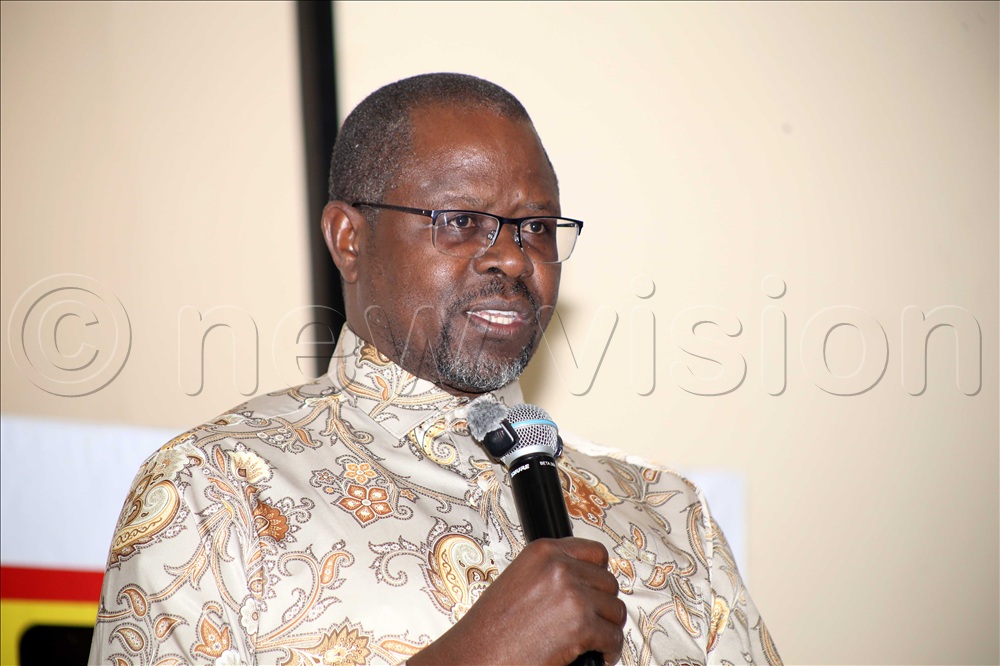
State Minister for Works and Transport Julius Maganda Wandera speaking during stakeholders meeting held at Mestil hotel in Kampala on November 13
As part of its rehabilitation programme, URC embarked on repairing 300 railway wagons and four locomotives to increase its freight-handling capacity. The Corporation also planned to resume passenger services between Kampala and Jinja, initially operating weekend trips because of limited coaches and locomotives.
Speaking at a stakeholder engagement meeting at Mestil Hotel in Kampala on Friday, Kajuna said preliminary studies would establish the project's feasibility and technical requirements, with the first train expected to operate by 2031.
He explained that the proposed railway would have two separate tracks, enabling trains travelling in opposite directions to operate simultaneously without disrupting each other's movement. The project is being developed in collaboration with the European Union and the French Development Agency.
Kajuna also revealed that URC was preparing to acquire two new locomotives to strengthen its passenger and cargo operations. The Corporation currently transports approximately 450,000 passengers annually, a figure he attributed partly to shortages of coaches and locomotives.
On freight operations, URC is rehabilitating 300 wagons, procuring 165 saddles for transporting steel coils and repairing four 98-class locomotives, each capable of hauling approximately 26 wagons.
The Corporation is also working to reopen the Tororo–Gulu railway line, with cargo destined for northern Uganda and neighbouring countries expected to be consolidated at the Gulu Logistics Hub.
At URC's inaugural Stakeholder Engagement Forum, Minister of State for Transport Hon. Julius Maganda Wandera underscored the importance of railway transport to Government's Tenfold Growth Strategy, which aims to expand Uganda's economy from approximately $50 billion to $500 billion by 2040.
He said the transportation of heavy cargo by road was accelerating road deterioration and increasing the cost of doing business. Shifting more freight to rail, he argued, would lower transportation costs, improve competitiveness and support industrialisation.
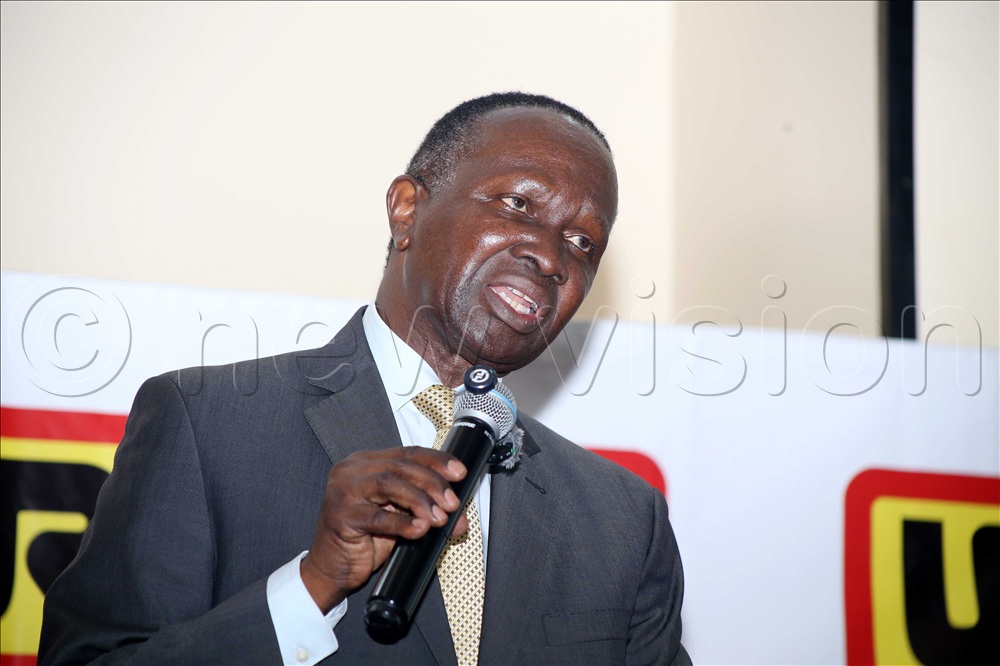
Chairman Uganda Railway Corporation Daudi Migareko, speaking during stakeholders meeting held at Mestil hotel in Kampala on November 13
Wandera said Government had allocated Shs100 billion annually to the railway subsector to support maintenance, rehabilitation and infrastructure development.
He also highlighted plans to expand the rehabilitated metre-gauge railway network from 215 kilometres to 667 kilometres, develop the 234-kilometre Malaba–Kampala SGR and reconstruct other strategic railway lines.
On the SGR project, he said implementation was progressing, with contractor Yapı Merkezi undertaking preliminary activities, including preparations for a sleeper factory and construction camp in Iganga. Approximately 70 per cent of the land required for the project had been acquired.
URC Board Chairperson Hon. Daudi Migereko called for accelerated implementation of railway development plans, urging the Corporation to minimise bureaucratic delays and strengthen partnerships with private investors.
He emphasised the importance of railway transport in moving bulky cargo, easing pressure on roads and enhancing Uganda's competitiveness in regional trade.
Development partners have also reaffirmed their support for Uganda's railway revival programme.
Jakob Haushofer of the European Union Delegation to Uganda said Team Europe had supported URC since 2018 through technical assistance, railway rehabilitation projects, the Gulu Logistics Hub and preparations for the Greater Kampala commuter railway.
The proposed commuter railway is expected to serve up to 400,000 passengers daily, providing an alternative means of transport while helping ease congestion in the Greater Kampala Metropolitan Area.