
Uganda targets 3,500 EV charging stations, 10,000 fast chargers by 2040
“We recognise that infrastructure is critical to this transition and our strategy includes scaling up charging networks across the country, with a target of at least 3,500 public charging stations and over 10,000 fast chargers by 2040,” Katushabe said.
SHIPU head Col. Edith Nakalema speaking during a high-level engagement held on April 28, 2026, at the State House Investors Protection Unit (SHIPU) offices on Lumumba Avenue in Nakasero, Kampala city. (Photos by Miriam Namutebi)
________________
Uganda has set ambitious targets to roll out at least 3,500 public electric vehicle (EV) charging stations and over 10,000 fast chargers by 2040, as part of a broader strategy to accelerate the country’s transition to electric mobility.
The plan was outlined during a high-level engagement held on April 28, 2026, at the State House Investors Protection Unit (SHIPU) offices on Lumumba Avenue in Nakasero, Kampala city.
Jacob Kahl Jepsen, Team Leader for Green Economy, Trade and Climate at the Embassy of Denmark making his remarks.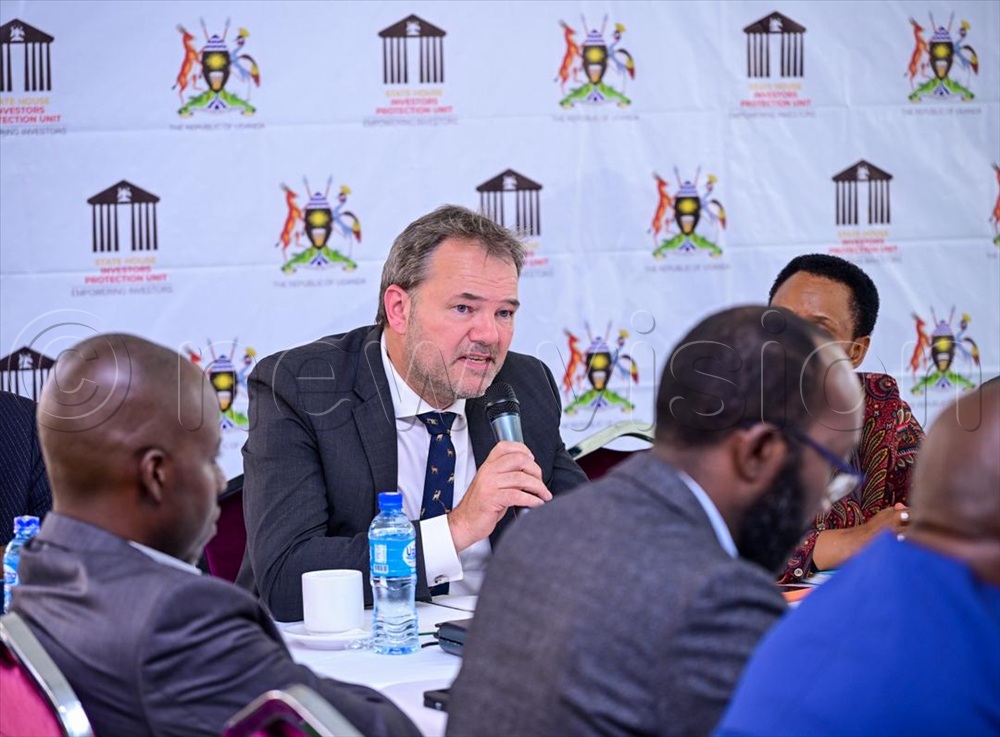

The meeting, led by SHIPU head Col. Edith Nakalema, brought together senior government officials, development partners, and key players in the automobile industry to address infrastructure gaps, policy alignment, and investment challenges in the e-mobility sector.
Opening the discussion, works ministry transport regulation and safety commissioner Winston Katushabe emphasised the central role of infrastructure in driving EV adoption.
“We recognise that infrastructure is critical to this transition and our strategy includes scaling up charging networks across the country, with a target of at least 3,500 public charging stations and over 10,000 fast chargers by 2040,” Katushabe said.
He noted that Uganda’s transport sector remains heavily reliant on imported fossil-fuel vehicles, which has implications for both the environment and the economy. To address this, the Government has positioned e-mobility as a key pillar of sustainable development, anchored in frameworks such as the Fourth National Development Plan (NDP IV) and the National E-Mobility Strategy.
However, stakeholders acknowledged that significant challenges remain, particularly in infrastructure development, financing, and coordination.
Nakalema called for urgent action to remove bottlenecks that continue to delay investment in the sector.
“We are operating under clear instructions from the President to ensure that everyone adding value to this country is supported and enabled. We must address bottlenecks that delay investment and deter capital in local manufacturing,” she said.
Winstone Katushabe, the Commissioner for Transport Regulation and Safety at the Ministry of Works and Transport speaking during the meeting.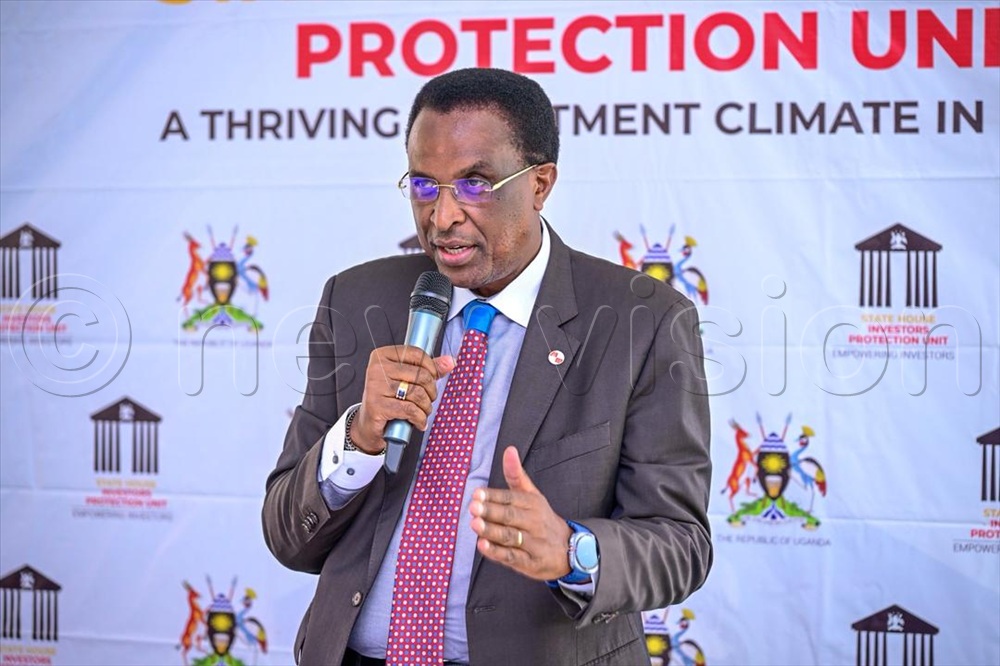
She identified key priority areas requiring immediate attention, including fast-tracking the electric vehicle policy, establishing a clear manufacturer authorisation framework, strengthening coordination across government agencies, and expanding green infrastructure such as EV charging networks.
“There is no justification for unnecessary delays. What is required now is effective execution,” Nakalema added.
Government officials also pointed to the lack of standardisation in EV systems as a major barrier to scaling up adoption.
Infrastructure standards
Judith Tracy Akello, the acting assistant commissioner for business policy at the Uganda Revenue Authority, said efforts are underway to harmonise infrastructure standards and ensure compatibility across systems.
“There is currently a lack of harmonised standards, which affects interoperability and limits large-scale deployment. We are developing regulatory frameworks to standardise infrastructure and support investment,” she said.
Local manufacturing
Beyond infrastructure, stakeholders highlighted the importance of local manufacturing and skills development in building a sustainable EV ecosystem. Katushabe noted that the transition presents opportunities for industrial growth, reduced operating costs, and increased private sector participation.
“Electric mobility creates opportunities for local industry and long-term investment,” he said.
Eng. Dr Patrick Rusongoza, the head of the Infrastructure Monitoring Unit at State House, emphasised the need for integrated planning to ensure the long-term success of the transition.
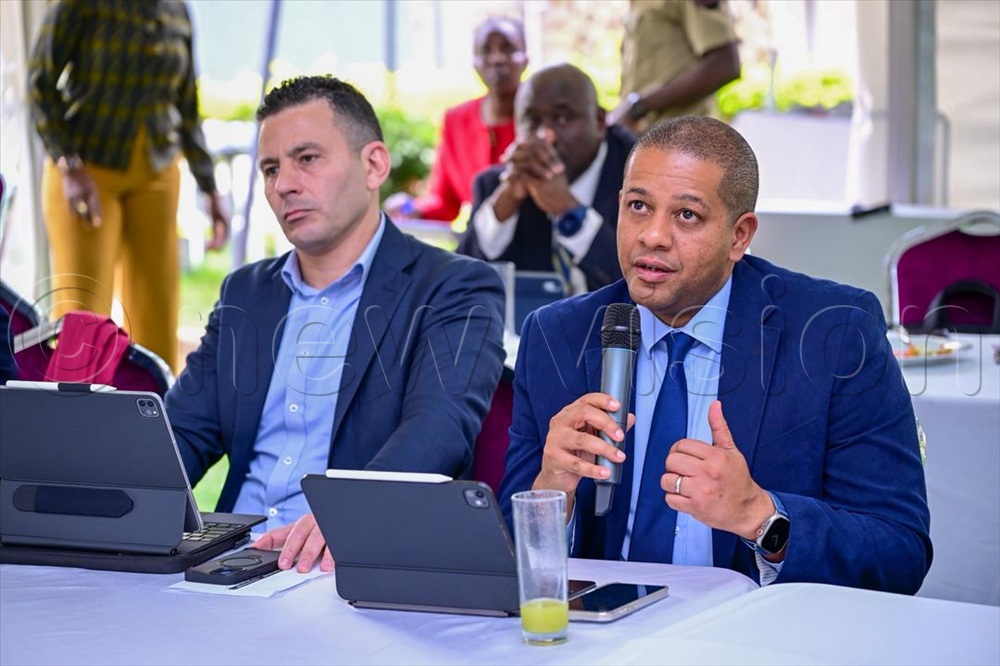

“We must involve all stakeholders in planning EV infrastructure. Policy must integrate future mobility into road and city design,” he said.
The meeting concluded with a commitment from SHIPU to work closely with Ministries, Departments, and Agencies to address policy, infrastructure, and investment challenges.
“The future of transport in Uganda must deliver a win-win outcome. Investors must achieve sustainable returns, while citizens benefit from safe, clean and affordable mobility,” Nakalema said.