
News
Uganda pushes parliamentary diplomacy at IPU Assembly
Oboth, who is leading a delegation of Ugandan MPs at the five-day Assembly, said Uganda’s participation in international parliamentary forums was aimed at advancing the country’s interests while strengthening cooperation among national legislatures.
Speaker of Parliament Jacob Marksons Oboth is leading a delegation of Ugandan MPs at the five-day Inter-Parliamentary Union (IPU) in Arusha, Tanzania. (Courtesy photo)
By: Ivan Tsebeni, Journalist @New Vision
________________
Uganda is using the 153rd Assembly of the Inter-Parliamentary Union (IPU) in Arusha, Tanzania, to strengthen parliamentary diplomacy and deepen relations with legislatures around the world, Speaker of Parliament Jacob Marksons Oboth has said.
Oboth, who is leading a delegation of Ugandan MPs at the five-day Assembly, said Uganda’s participation in international parliamentary forums was aimed at advancing the country’s interests while strengthening cooperation among national legislatures.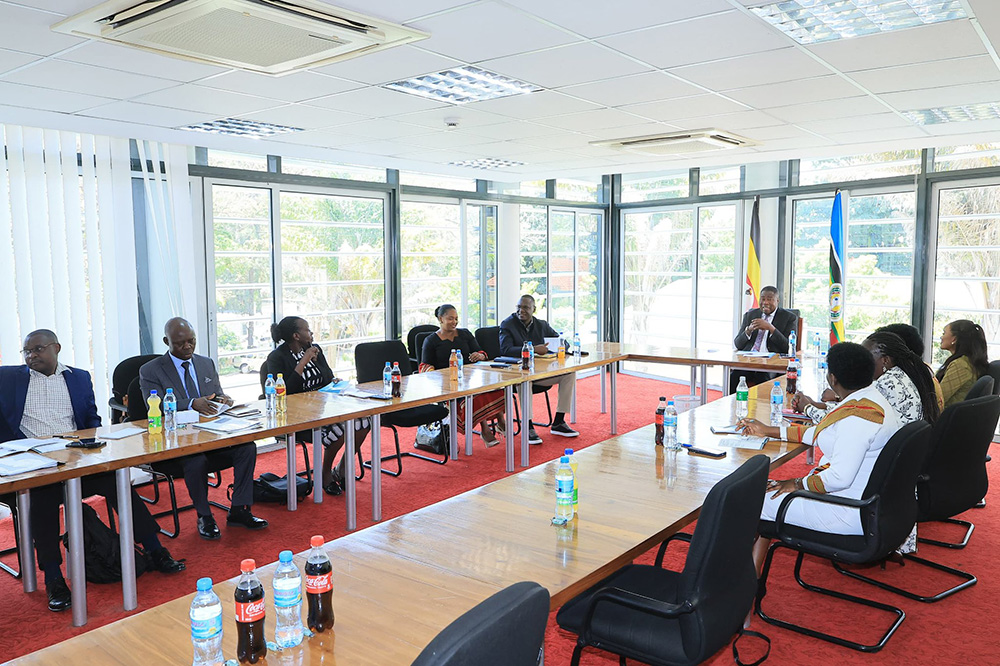
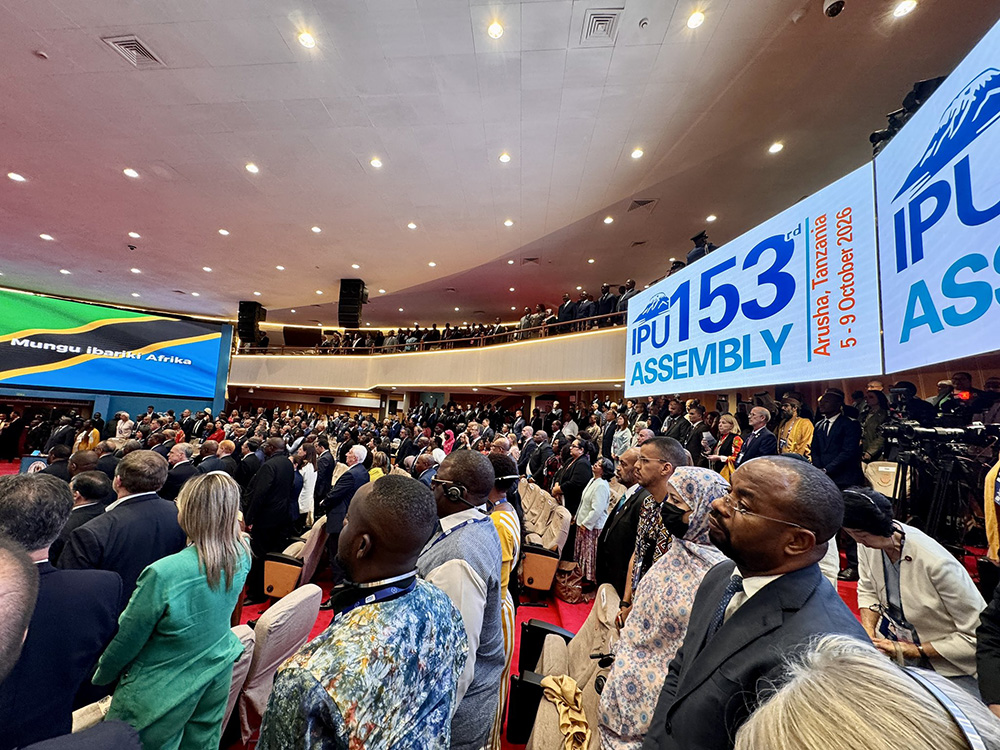
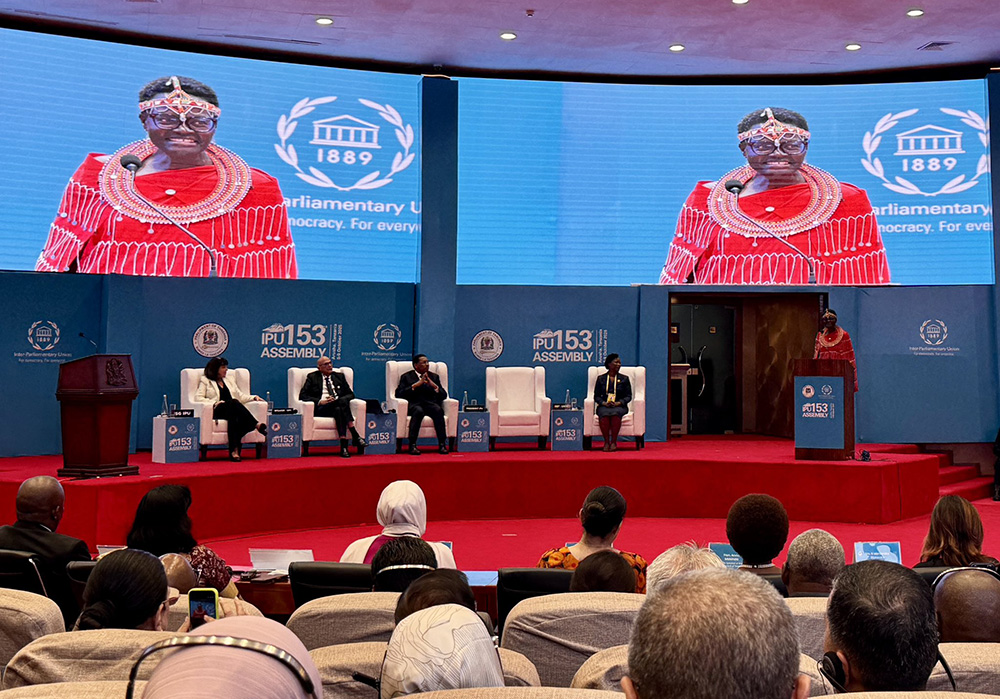
The Assembly, being held from October 5 to 9, 2026, at the Arusha International Conference Centre in Tanzania, has brought together hundreds of lawmakers from around the world under the theme, “Enhancing good governance and empowering communities through inclusivity, trust and opportunities for all.”
“On behalf of the 12th Parliament of Uganda, I have joined the 153rd Assembly of the Inter-Parliamentary Union currently underway in Arusha, Tanzania,” Oboth said in a statement.
He said the Ugandan delegation was attending the meeting “in furtherance of our mission to strengthen the Inter-Parliamentary Union and multilateral parliamentary diplomacy.”
The Speaker’s participation comes amid efforts by Uganda’s Parliament to give greater structure and practical value to its international engagements.
Last month, Oboth told MPs that parliamentary diplomacy should go beyond official visits and meetings, urging legislators involved in foreign engagements to return with partnerships, knowledge and opportunities that can benefit Uganda.
“We are not competing with Foreign Affairs, nor are we competing with the government. We are only complementing and supplementing,” Oboth said at the time.
He said Parliament was working to strengthen parliamentary friendship groups with countries including Australia, India and the United Kingdom, with Japan and Germany also being considered. The initiative is intended to create avenues for legislative exchanges, scholarships, investment and other forms of cooperation.
The IPU Assembly provides another platform for that diplomacy, bringing together legislators from national parliaments and regional parliamentary bodies. The organisation, founded in 1889, describes itself as the global organisation of national parliaments and promotes parliamentary cooperation on peace, democracy and sustainable development.
For Uganda, Oboth said the Arusha meeting was an opportunity to engage other parliaments on issues of mutual interest while contributing to global discussions on governance and inclusive development.
The Speaker also disclosed that he had interacted with the IPU Committee on Human Rights of Parliamentarians over human rights allegations brought before the body by a section of current and former Ugandan MPs.
“I am glad that I was granted a chance to interact with the IPU Committee on Human Rights over human rights allegations brought before it by a section of our current and former MPs,” he said.
He did not give details of the allegations or disclose the substance of his discussions with the committee.
“We are not competing with Foreign Affairs, nor are we competing with the government. We are only complementing and supplementing,” Oboth said at the time.
He said Parliament was working to strengthen parliamentary friendship groups with countries including Australia, India and the United Kingdom, with Japan and Germany also being considered. The initiative is intended to create avenues for legislative exchanges, scholarships, investment and other forms of cooperation.
The IPU Assembly provides another platform for that diplomacy, bringing together legislators from national parliaments and regional parliamentary bodies. The organisation, founded in 1889, describes itself as the global organisation of national parliaments and promotes parliamentary cooperation on peace, democracy and sustainable development.
For Uganda, Oboth said the Arusha meeting was an opportunity to engage other parliaments on issues of mutual interest while contributing to global discussions on governance and inclusive development.
The Speaker also disclosed that he had interacted with the IPU Committee on Human Rights of Parliamentarians over human rights allegations brought before the body by a section of current and former Ugandan MPs.
“I am glad that I was granted a chance to interact with the IPU Committee on Human Rights over human rights allegations brought before it by a section of our current and former MPs,” he said.
He did not give details of the allegations or disclose the substance of his discussions with the committee.
Oboth said his position on the matter would be communicated to the media by the press team in the Office of the Speaker.
The human rights engagement comes as the IPU holds meetings of its statutory bodies in Arusha, including its Committee on Human Rights of Parliamentarians. The Assembly is also expected to consider issues relating to democracy, human rights and the empowerment of communities.
Beyond Uganda’s national interests, the Speaker’s delegation is also participating in a broader East African diplomatic environment.
Earlier in Arusha, Oboth joined other Speakers from East African Community partner states and the East African Legislative Assembly for discussions on regional parliamentary cooperation and integration. The EAC Bureau of Speakers has been working to strengthen coordination among regional legislatures and give parliamentary cooperation a more formal institutional footing.
Oboth has argued that such engagements should ultimately deliver tangible benefits to citizens rather than remain ceremonial.
At the IPU Assembly, Uganda will therefore be seeking to balance its role in global parliamentary affairs with its broader diplomatic and development interests.
The Arusha meeting is expected to provide opportunities for bilateral discussions among Speakers and MPs, as well as debate on global issues ranging from good governance and disability rights to artificial intelligence, climate change, peace and international security.
For Oboth, the message is clear: parliamentary diplomacy should increasingly be treated as an instrument for advancing Uganda’s interests, building international partnerships and strengthening the country’s voice in multilateral affairs.
The human rights engagement comes as the IPU holds meetings of its statutory bodies in Arusha, including its Committee on Human Rights of Parliamentarians. The Assembly is also expected to consider issues relating to democracy, human rights and the empowerment of communities.
Beyond Uganda’s national interests, the Speaker’s delegation is also participating in a broader East African diplomatic environment.
Earlier in Arusha, Oboth joined other Speakers from East African Community partner states and the East African Legislative Assembly for discussions on regional parliamentary cooperation and integration. The EAC Bureau of Speakers has been working to strengthen coordination among regional legislatures and give parliamentary cooperation a more formal institutional footing.
Oboth has argued that such engagements should ultimately deliver tangible benefits to citizens rather than remain ceremonial.
At the IPU Assembly, Uganda will therefore be seeking to balance its role in global parliamentary affairs with its broader diplomatic and development interests.
The Arusha meeting is expected to provide opportunities for bilateral discussions among Speakers and MPs, as well as debate on global issues ranging from good governance and disability rights to artificial intelligence, climate change, peace and international security.
For Oboth, the message is clear: parliamentary diplomacy should increasingly be treated as an instrument for advancing Uganda’s interests, building international partnerships and strengthening the country’s voice in multilateral affairs.