
Uganda Judiciary sets special session to fast-track juvenile cases
The Principal Judge, Jane Frances Abodo, made the revelation during a roundtable meeting with the stakeholders at the Court of Appeal Conference Hall on Friday, October 23, ahead of the planned sessions aimed at fast-tracking cases involving juveniles.
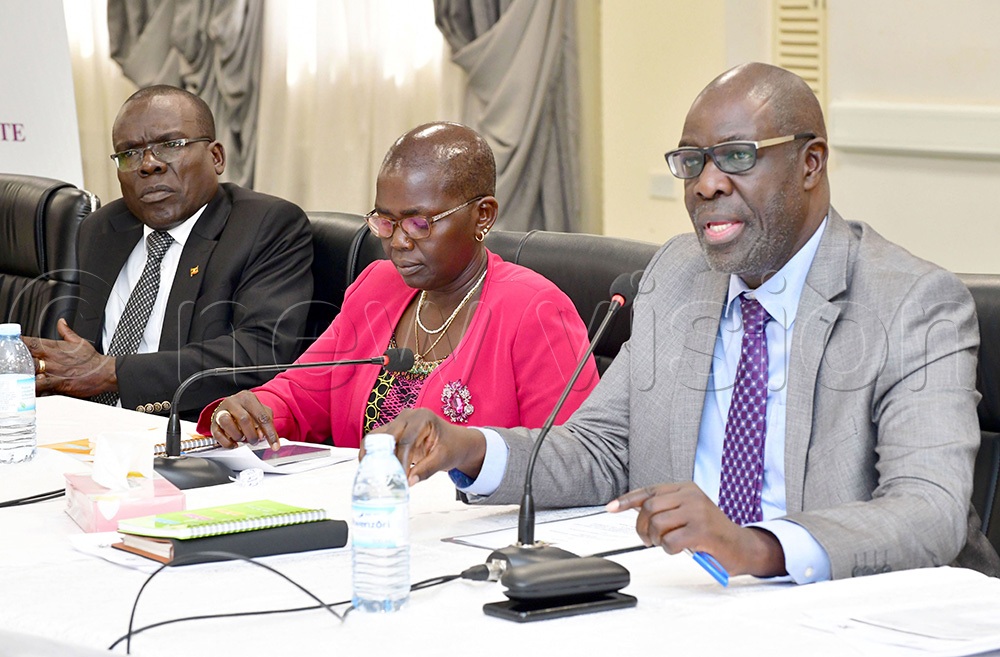
The Principal Judge, Lady Justice Jane Frances Abodo (right), interacting with the Deputy DPP Odumbi James Owere (left) and Justice Susan Okalany (2nd left). This was during the Juvenile Justice Roundtable at the Court of Appeal Conference Hall on Friday, 23rd October 2026. (Photo by Mpalanyi Ssentongo)
_______________
The Judiciary will, on Monday, October 26, 2026, begin a week-long special session to fast-track cases involving juveniles.
The Principal Judge, Jane Frances Abodo, made the revelation during a roundtable meeting with the stakeholders at the Court of Appeal Conference Hall on Friday, October 23, ahead of the planned sessions aimed at fast-tracking cases involving juveniles.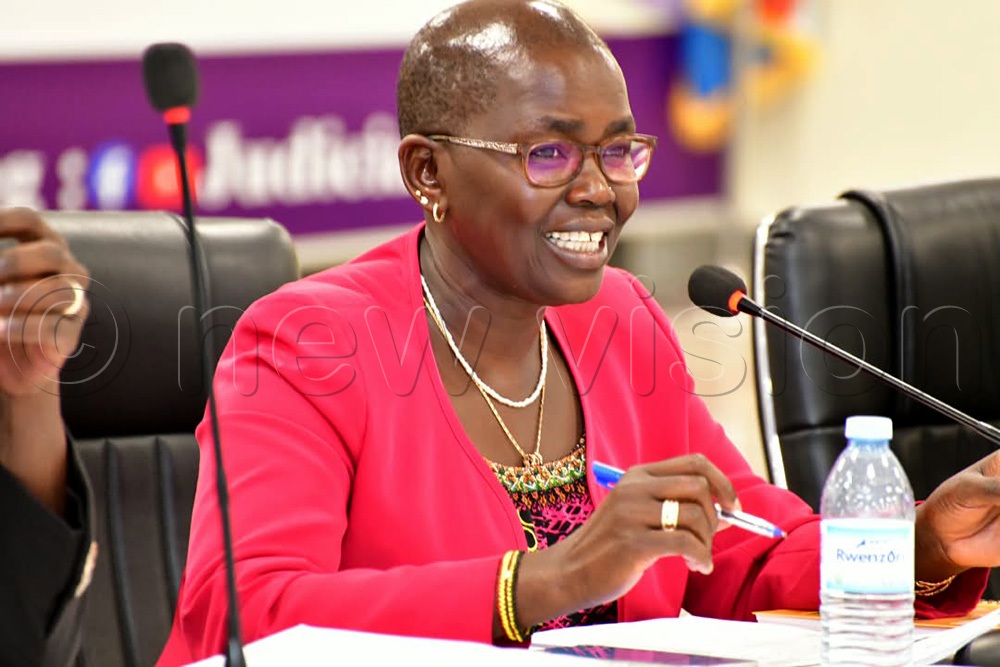
The Principal Judge, Lady Justice Jane Frances Abodo, speaking during the Juvenile Justice Roundtable at the Court of Appeal Conference Hall on Friday, 23rd October 2026. (Photo by Mpalanyi Ssentongo)
Abodo urged judicial officers to look beyond the offence and focus on the child behind it. “The decisions we make must have an impact on these children,” she said.
Uganda’s remand homes are holding 453 more children than they were built to accommodate, according to the state minister for Youth and Children Affairs, Mercy Faith Lakisa, describing the situation as one that “calls for urgent and coordinated action.”
According to Lakisa, the country’s remand homes have a recommended capacity of 780 children but currently house 1,233.
They are in Naguru, Fort Portal, Kabale, Masindi, Gulu, Arua and Mbale, alongside the Kampiringisa National Rehabilitation Centre. Naguru Remand Home accommodating 299 children is of particular concern to stakeholders.
Deputy Chief Justice Moses Kazibwe Kawumi speaking during the Juvenile Justice Roundtable at the Court of Appeal Conference Hall on Friday, 23rd October 2026. Looking on is Principal Judge Lady Justice Jane Frances Abodo. (Photo by Mpalanyi Ssentongo)
Lakisa said the figures raise hard questions about congestion, the welfare and protection of children, the adequacy of services, and whether the processes meant to dispose of cases quickly and support rehabilitation are working.
She named prolonged stays on remand, inadequate access to legal representation, delays in court processes, limited availability of social inquiry reports, and poor conditions in some remand homes as the challenges facing the juvenile justice system.
A child, she said, should not stay in detention longer than necessary because of delays in investigations, court proceedings, preparation of social inquiry reports, or weak coordination among the institutions responsible.
Lakisa called for timely social inquiry reports, effective case management, better conditions in remand homes, wider use of diversion and non-custodial measures where legally appropriate, and stronger community-based rehabilitation and reintegration programmes.
She said the remand homes, especially the Kampiringisa National Rehabilitation Centre, need stronger operational capacity, including staffing, infrastructure, psychosocial support, education, vocational skills training and preparation for children’s return to families and communities.
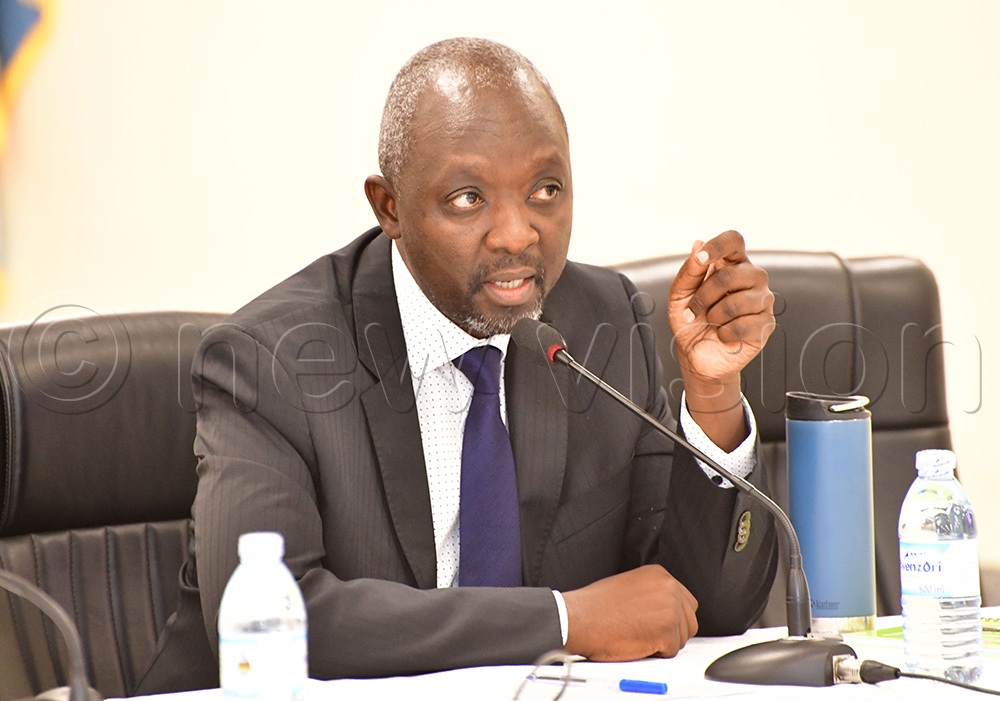
Prof. Justice Andrew Khaukha, Executive Director of the Judicial Training Institute (JTI), speaking during the Juvenile Justice Roundtable at the Court of Appeal Conference Hall on Friday, 23rd October 2026. (Photo by Mpalanyi Ssentongo)
She also acknowledged the judiciary’s role in upholding the law and safeguarding children’s rights.
“Our responsibility is not to compromise the independence of the courts but to strengthen the institutions and services that enable justice to be delivered fairly, efficiently, and in the best interests of the child,” she said.
Lakisa stressed that children in conflict with the law must be held accountable where appropriate but must also be given a real chance at rehabilitation, reintegration and “a second chance at life.”
Justice for children, she said, must go beyond punishment to address the circumstances that bring them into conflict with the law and to prevent reoffending.
“Our goal should not simply be to accommodate more children in remand homes but to ensure that fewer children enter the justice system unnecessarily," she said.
The Deputy Chief Justice Moses Kazibwe Kawumi urged the judicial officers to visit remand homes at least once a month as the judiciary moves to cut the time children spend in custody awaiting trial.
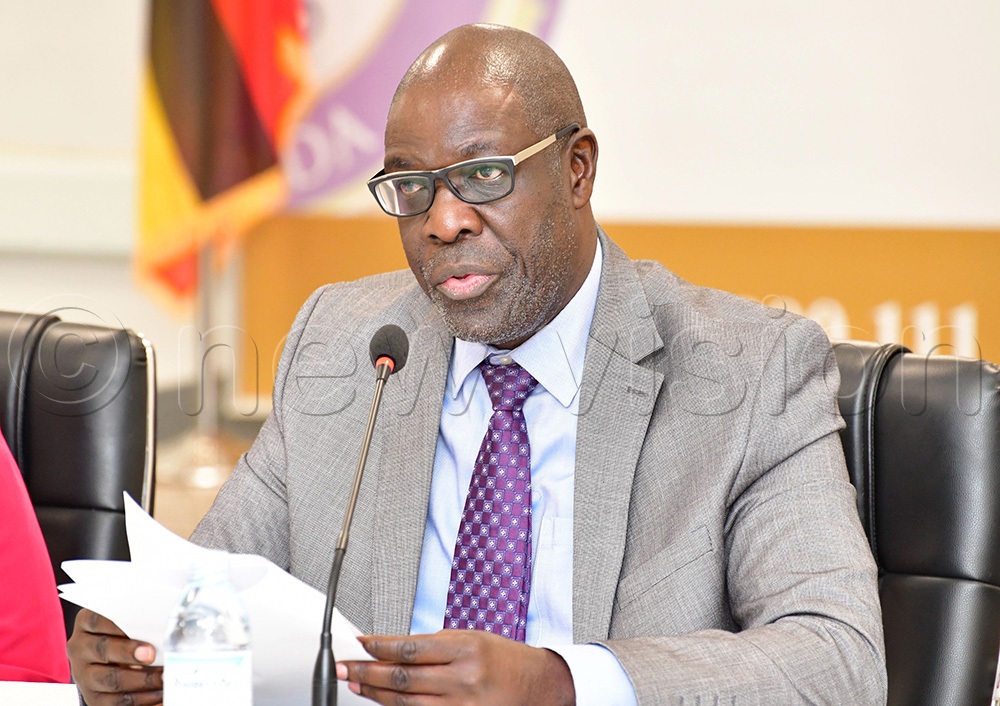
Deputy Chief Justice Moses Kazibwe Kawumi speaking during the Juvenile Justice Roundtable at the Court of Appeal Conference Hall on Friday, 23rd October 2026. (Photo by Mpalanyi Ssentongo)
“Heads of Circuit and Chief Magistrates must now visit the remand homes in their areas every month. On each visit, they are to review the list of children on remand, identify those near or past the limits under the Children Act, confirm that each child has a social inquiry report, hear pending matters on site, and order the release and reintegration of children who have completed their committal orders,” Kawumi said.
He urged police and prosecutors to prioritise diversion, probation officers to ensure no child appears in court without a social inquiry report, and the Uganda Law Society and legal aid providers to secure representation for every child, whether accused, victim or witness. Justice Kawumi linked the issue to the country’s economic ambitions.
Under the Magistrates Courts (Magisterial Areas) Instrument, 2024, signed by the Chief Justice Dr Flavian Zeija, all remand homes in Uganda have been gazetted as Magistrates Courts, allowing magistrates to hear children’s cases inside them.
The Deputy Director of Public Prosecutions (DPP) James Odumbi underscored the importance of restorative justice saying, “The only challenge we have is that our mandate stops at prosecution.
We need to reflect on this; otherwise, we need to ensure that these children [are] managed well." The focus, Odumbi said, should be on making the children better citizens.
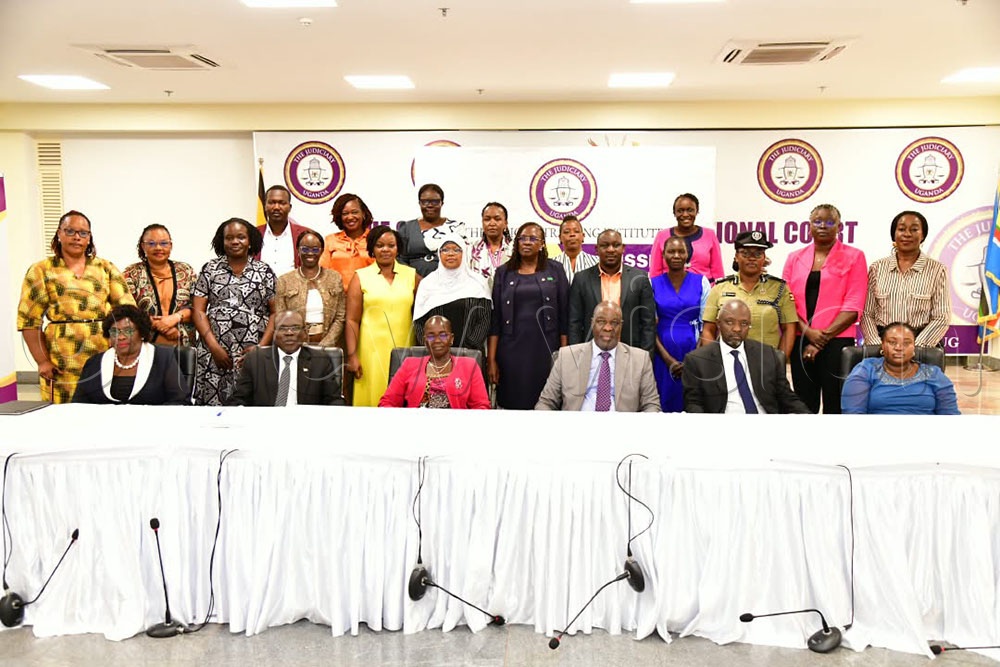
Prof. Justice Andrew Khaukha, Executive Director of the Judicial Training Institute (JTI), revealed that Pepperdine University, following an engagement with Chief Justice Dr Flavian Zeija, has decided to work with the Judiciary to ensure quick disposal of cases involving children in conflict with the law.
During a panel discussion over the matter, High Court judge Alice Komuhangi blamed the increased number of children in conflict with the law on poor parenting habits.