
Tumukunde takes over at gender ministry, vows crackdown on child trafficking
Tumukunde emphasised the need for closer coordination between political leaders and technical officers within the ministry, calling for teamwork and discipline in implementation.
Betty Amongi, the outgoing Minister of Gender handing over Ministerial documents to the incoming Minister of Gender Lt Gen (rtd) Henry Tumukunde. This was during the handover ceremony at Ministry of Gender head offices in Kampala on June 10, 2026. (Photo by Nancy Nanyonga)
_________________
Former security minister Lt Gen. (rtd) Henry Tumukunde on Wednesday (June 10) officially assumed leadership of the Ministry of Gender, Labour and Social Development, pledging to strengthen social inclusion, improve accountability and intensify the fight against child trafficking networks exploiting children from Karamoja.
Tumukunde said the government remains deeply committed to ensuring that public services reach all Ugandans without exclusion.
“The Government of Uganda is very sensitive about social inclusion and must ensure that everyone who needs government services gets them,” he said.
“We must ensure that our efforts make citizens feel truly included.”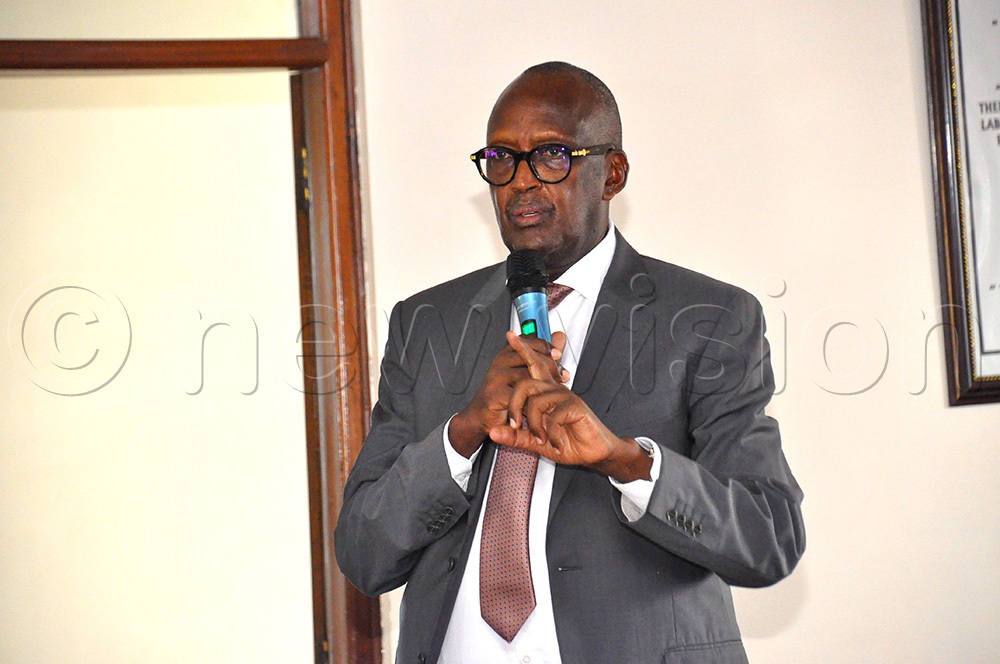
Lt Gen (rtd) Henry Tumukunde, the incoming Minister of Gender addressing during the handover ceremony at Ministry of Gender head offices in Kampala on June 10, 2026. (Photo by Nancy Nanyonga)
Tumukunde emphasised the need for closer coordination between political leaders and technical officers within the ministry, calling for teamwork and discipline in implementation.
“I urge you all to support the general machinery for running this ministry. Be supportive, be collaborative, and be available,” he told staff during the handover ceremony at the ministry headquarters in Kampala.
Concerns over labour migration
Tumukunde also raised concerns about the welfare of Ugandan women working abroad, particularly in the Middle East, describing it as a pressing human rights and reputational issue.
Data from the International Labour Organisation (ILO) indicates that between 2016 and late 2023, approximately 270,000 Ugandans migrated legally to Arab states. About 75% of these migrants were women, with an estimated 85% employed in domestic and care work, primarily women aged between 24 and 35.
Tumukunde stressed that the ministry must move beyond representation and ensure meaningful protection for affected workers.
“We cannot arrogate the responsibility of speaking for them; it should not be our sole obligation. They must speak for themselves,” he said.
“However, the ministry must stay on top of the situation and pursue every avenue to ensure they are protected.”
On internal management, Tumukunde called for equitable allocation of resources, warning that imbalances undermine service delivery and accountability.
“If public money is being spent, it must be trackable and traceable,” he said.
Crackdown on Karamoja child begging networks
Tumukunde also vowed to tackle the persistent problem of children from Karamoja being exploited on the streets of Kampala.
Recent investigations have exposed what is described as a structured syndicate operating in informal settlements in Kampala, commonly known as “Kikaramoja”. Children are reportedly recruited, transported and controlled by handlers who place them in busy parts of the city for forced begging. The proceeds are allegedly channelled through intermediaries to coordinators in districts such as Napak.
Questioning how such a syndicate could operate unchecked, Tumukunde drew a parallel with national security.
He issued a stern warning to those behind the operation, pledging a full crackdown.
“I am giving you a short time. Whoever is dealing in this business, stop it. I will track it to every level until I reach the commander of this racket. We will stop it,” he said.
Looking ahead, Tumukunde urged the ministry to leverage Uganda’s cultural and social assets to create economic value.
“We must stop being a consuming ministry and start creating value for the country,” he said.
New leadership team introduced
During the handover ceremony, Tumukunde officially received the instruments of power from outgoing minister Betty Amongi. He praised her service and urged her to remain available for consultation.
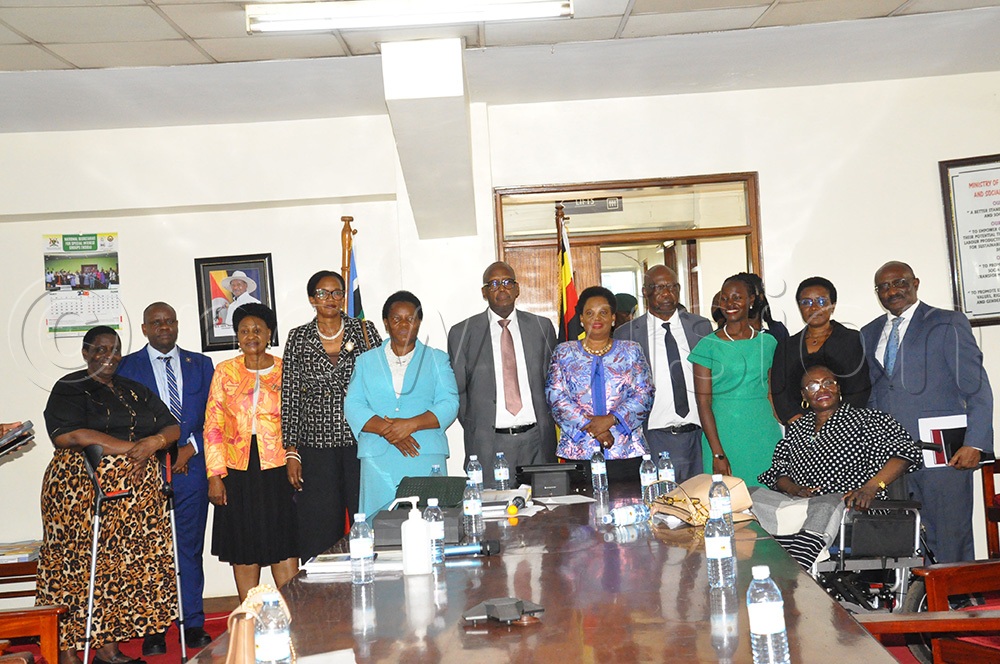
The incoming and outcoming ministers of gender pose for a group photo during the handover ceremony at Ministry of Gender head offices in Kampala on June 10, 2026. (Photo by Nancy Nanyonga)
“Don’t go far. Let’s keep in touch and compare notes on how far we can take our country. Uganda values your experience,” he told her.
The ceremony also introduced a new team of state ministers for the docket: Mary Kuteesa Kamuli (Gender and Culture), Mercy Lakisa Faith (Youth and Children Affairs), Simon Mulongo (Labour, Employment and Industrial Relations), Joyce Acan Okeny (Disability Affairs) and Jacqueline Mbabazi (Elderly Affairs).
Describing the ministry as a central institution for inclusion, Tumukunde framed the protection of vulnerable groups as a patriotic duty.
“The people who need our services are those who are struggling. We must have the mindset that without our support, many would have no way out,” he said.