
The boy who became king: Remembering Omukama Oyo
For nearly 31 years, Uganda watched him grow. The child became a pupil. The pupil became a young man. And the young man gradually grew into the responsibilities of the crown.
Omukama Oyo Nyimba Kabamba Iguru Rukidi IV. (New Vision Archives)
_______________
He was three years old when the crown found him. At an age when other children were learning the alphabet, playing with toys and discovering the world under the watchful eyes of their parents, Omukama Oyo Nyimba Kabamba Iguru Rukidi IV was being prepared to carry the weight of the Tooro Kingdom.
His father, Omukama Patrick David Matthew Kaboyo Olimi III, died of a heart attack on August 26, 1995.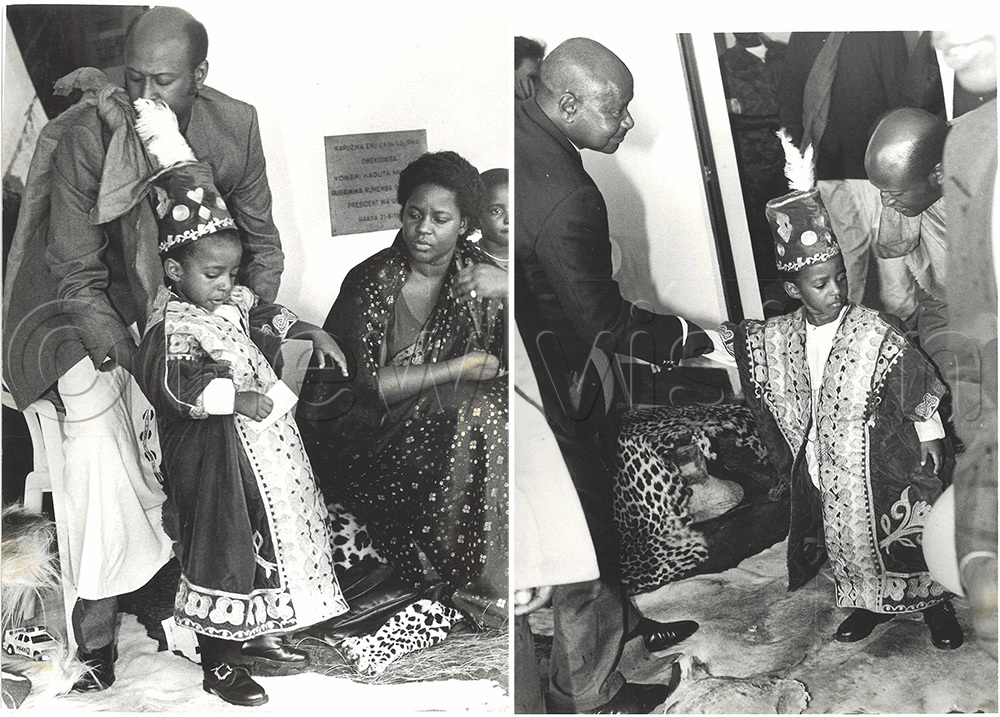
On the left, Jimmy Mugenyi helping Omukama Oyo Nyimba to sit in his throne and on the right, the coronation ceremony of the Omukama as President Yoweri Museveni congratulates him. (New Vision Archives)
Three weeks later, on September 12, the three-year-old prince ascended the throne as the Omukama of Tooro.
The little king soon graced the front pages of newspapers, including The New Vision.
Photographs of a child in royal regalia travelled around the world. He became a global curiosity - the world's youngest reigning monarch.
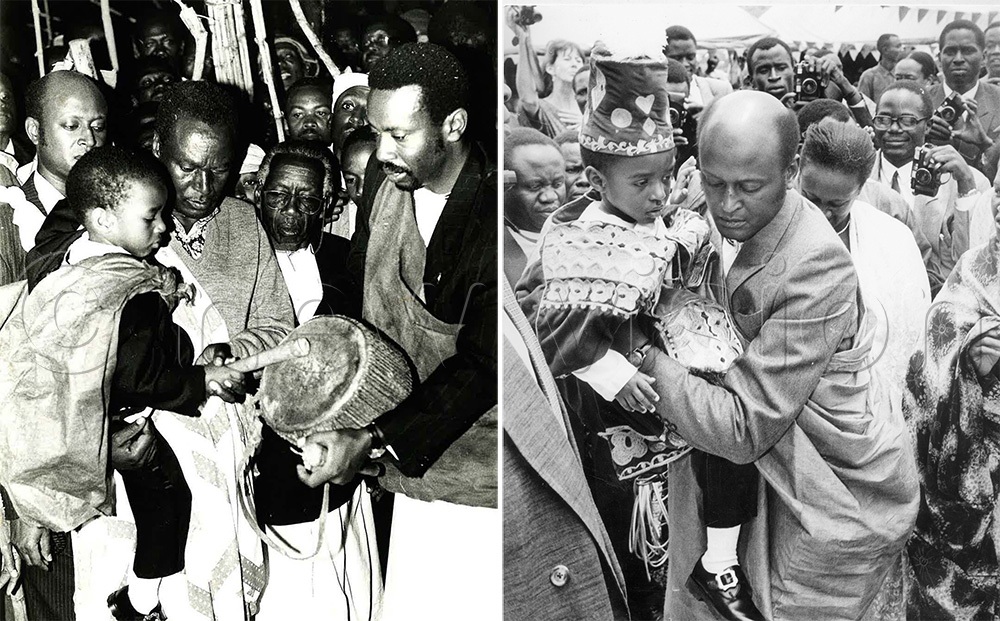
But behind the headlines was a little boy whose world still included toys.
For nearly 31 years, Uganda watched him grow. The child became a pupil. The pupil became a young man. And the young man gradually grew into the responsibilities of the crown.
He took full charge when he turned 18 years old. Oyo's was not simply the story of a king. It was the story of a child growing into an institution.
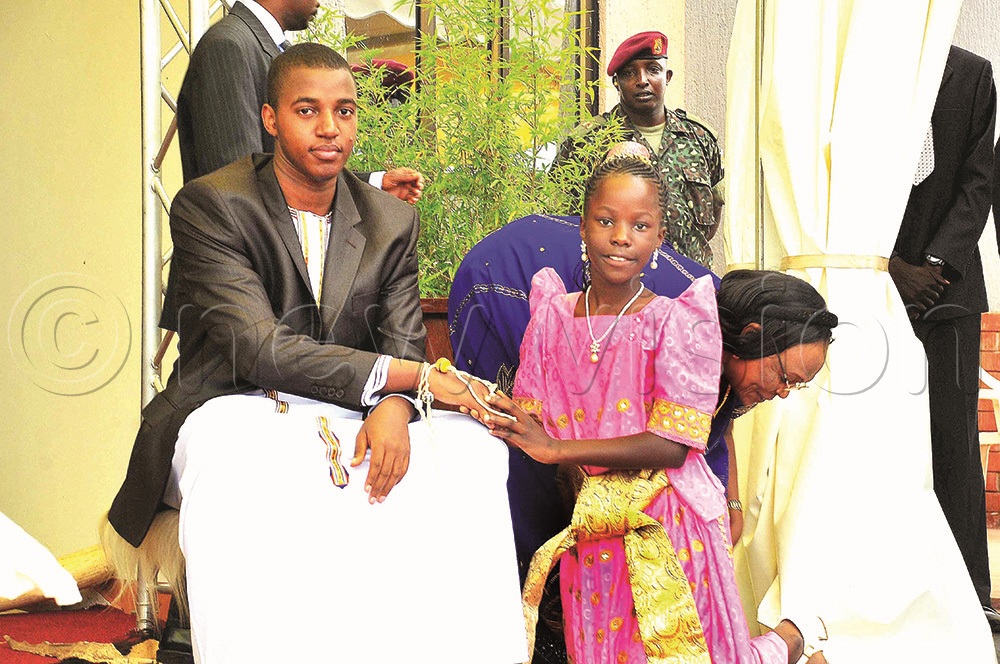
Princesses Ssangalyambogo of Buganda greets Omukama Oyo Nyimba Kabamba Iguru on his 18th birthday celebrations. (New Vision Archives)
Growing into the Crown
Oyo was born on April 16, 1992, to Omukama Olimi III and Queen Best Kemigisa.
His life was destined to be different from the beginning. His formative years included education at home.
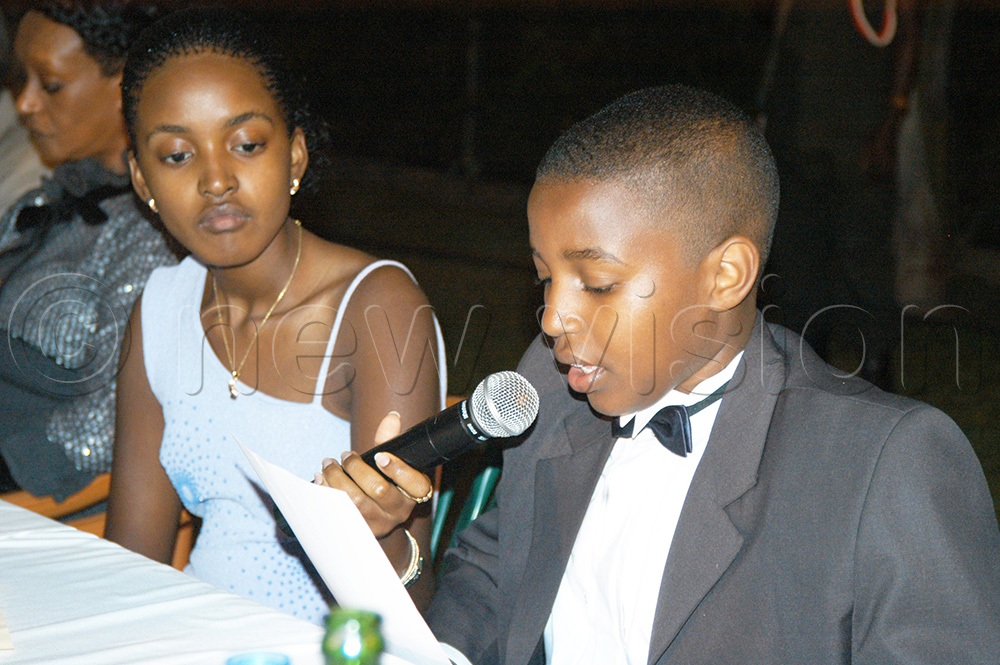
His Highness Omukama Oyo addressing his subjects at the 9th Anniversary of Tooro Kingdom Royal Annual Dinner which was sponsored by Celtel at Speke Resort Munyonyo on 8th September, 2004. Looking on is his sister Princess Komuntale (L). (New Vision Archives)
He later moved into formal schooling and later pursued university studies in business management. His education prepared him for a changing world.
But Karuziika Palace was teaching him something no classroom could fully provide - the responsibilities of kingship.
Ordinary children grow up discovering themselves away from public scrutiny.
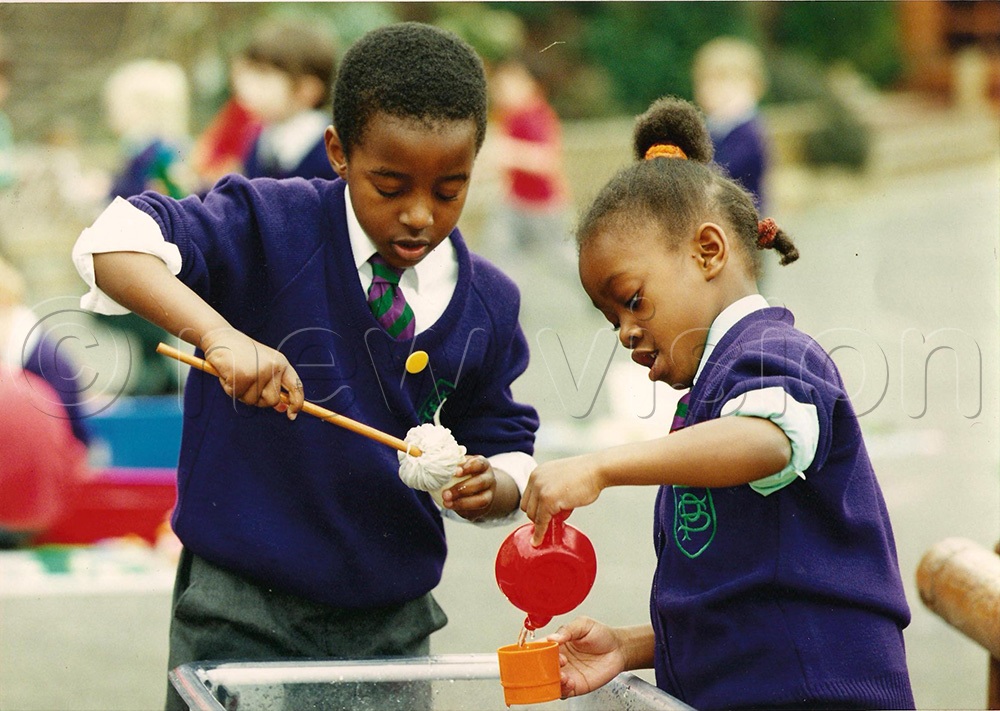
King Oyo as a child loved playing with other children. (New Vision Archives)
Oyo grew up with people watching. Every birthday marked another year in the life of a king.
Every public appearance reminded Ugandans that the little boy who had inherited the throne was growing into the man expected to carry it.
His mother, Queen Mother Best Kemigisa, stood beside him through those formative years.
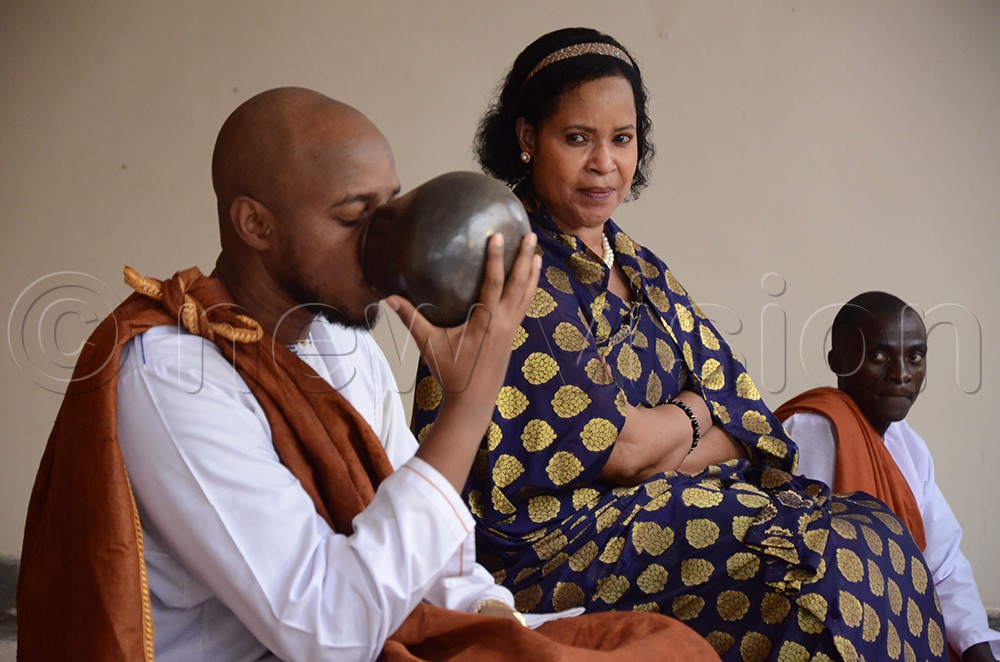
King Oyo drinking milk from a calabash as part of the rituals as Queen mother Best kemigisa looks on. (New Vision Archives)
After Oyo ascended the throne, she became Defender and Regent of the Tooro Crown, helping guide and protect the institution until her son came of age.
For Oyo, Karuziika Palace was therefore more than a royal residence. It was a school of kingship.
An Ancient Kingdom, a Young King
To understand Oyo, one must understand Tooro. The kingdom's history stretches back more than two centuries.
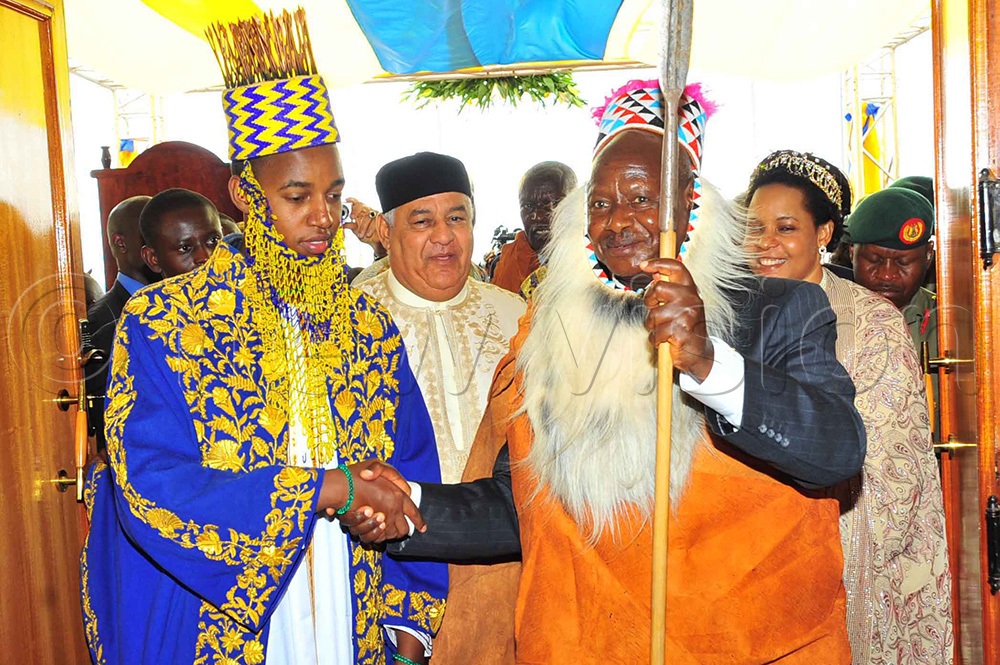
L-R: Omukama Oyo, Libyan Ambassador to Uganda Abdalla Bujeldain, President Museveni and Queen Mother Best Kemigisha officially opening King's Palace which was Renovated by Libyan Leader Muammar Gaddafi on 17/4/2010. (New Vision Archives)
Its institution was restored in 1993, after Uganda's traditional monarchies had been abolished in 1967, and it remains deeply woven into the identity, traditions and culture of the Batooro.
At Karuziika Palace in Fort Portal, history and modern Uganda meet.
Oyo inherited that history at three years old. But he also inherited a difficult question: How could an ancient institution remain relevant to a young and rapidly changing Uganda?
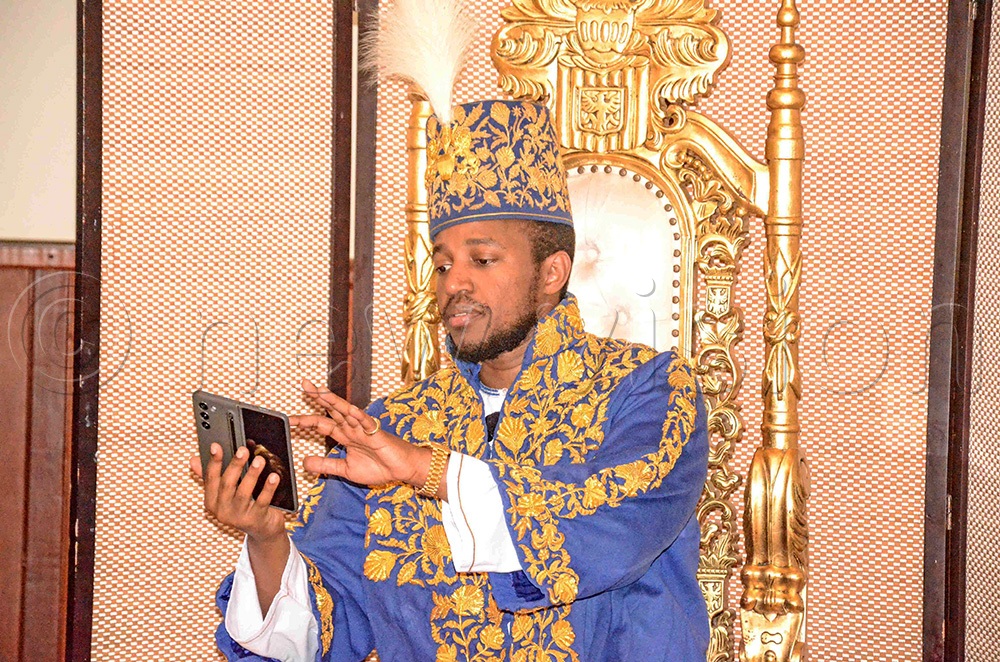
The old ways of belonging were meeting new ones. Oyo appeared to understand the challenge.
He associated the crown with youth empowerment, education, agriculture, ICT, tourism, health and environmental conservation.
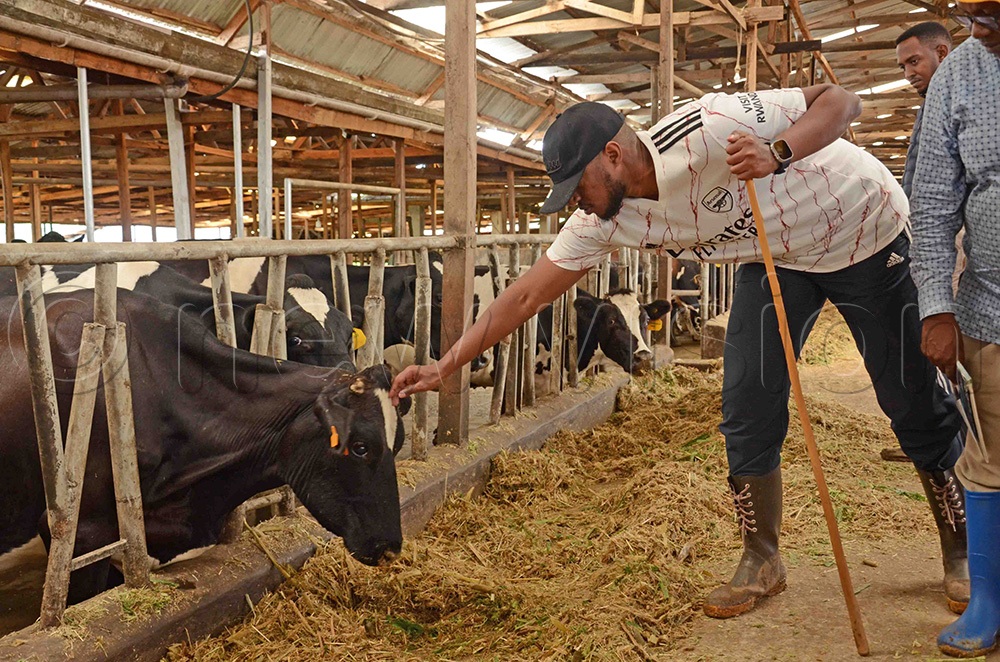
King Oyo admires one Of the dairy cattle animals as he toured Kabarole Dairy Farm in Gweri Parish. (New Vision Archives)
His Tooro Vision 2045 placed young people, skills development, agriculture, tourism, climate and the environment among the priorities for the kingdom's future.
He inherited an old crown but increasingly spoke to a young Africa. That may be one of his most enduring legacies.
A King Who Spoke to Young People
Perhaps nowhere was this clearer than in his advocacy against HIV/AIDS.
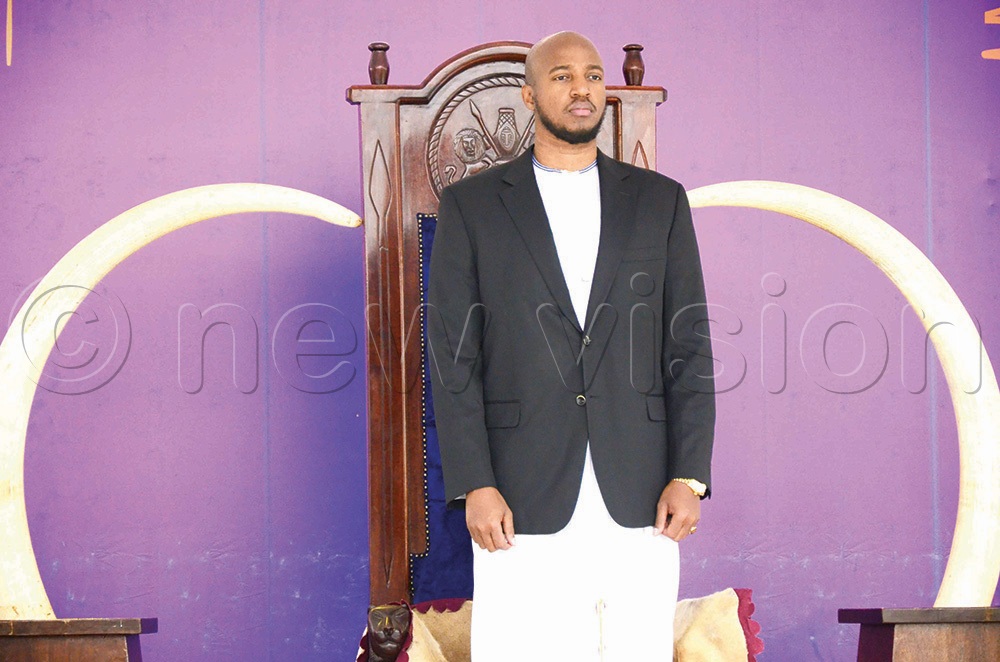
King Oyo Kabamba Iguru at his 28th coronation anniversary. (New Vision Archives)
In 2016, UNAIDS appointed Oyo a Cultural Champion for HIV and AIDS among young people in Eastern and Southern Africa. He was only 24.
He used the visibility of the crown to speak about an issue many young people found difficult to discuss.
He encouraged young men to take responsibility for HIV prevention and supported efforts to prevent mother-to-child transmission.
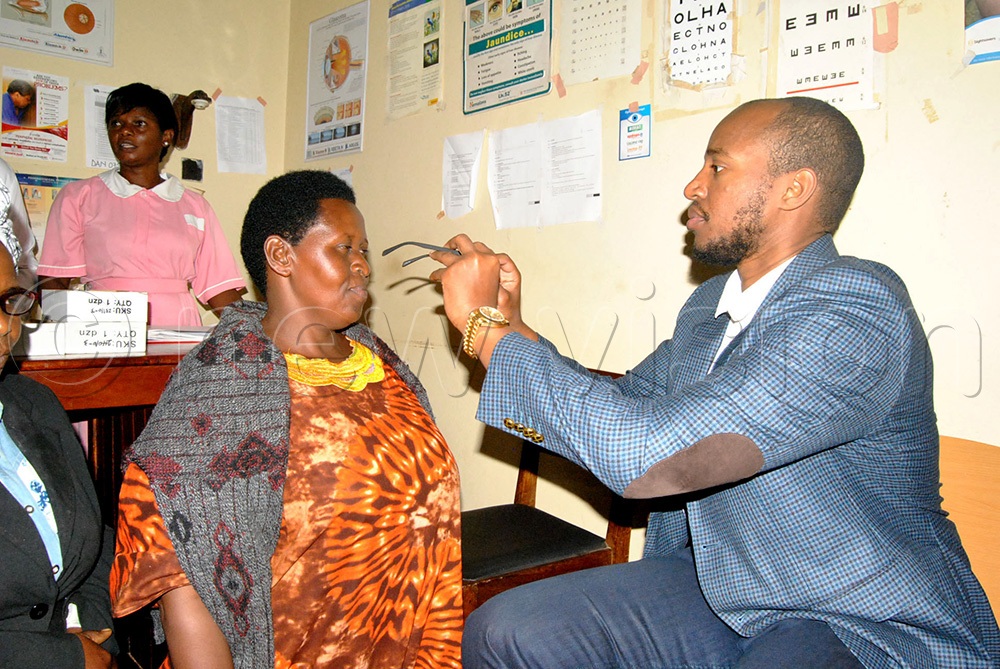
Mary Baguma, an eye patient recieves reading glasses from King Oyo at the Fort Portal regional Referral Hospital Buhinga ahead of Empango celebrations. (Photo by Sunday Rogers)
The appointment gave his voice a reach beyond the kingdom.
But the message was personal: young people had to take ownership of their health and their future.
Over the years, the crown ceased to be merely something seen at ceremonies. It became a microphone. And Oyo used it to speak to his generation and to his people.
The King Beyond the Palace
There was another Oyo - the young man who loved football. Football gave him a language understood far beyond the palace.
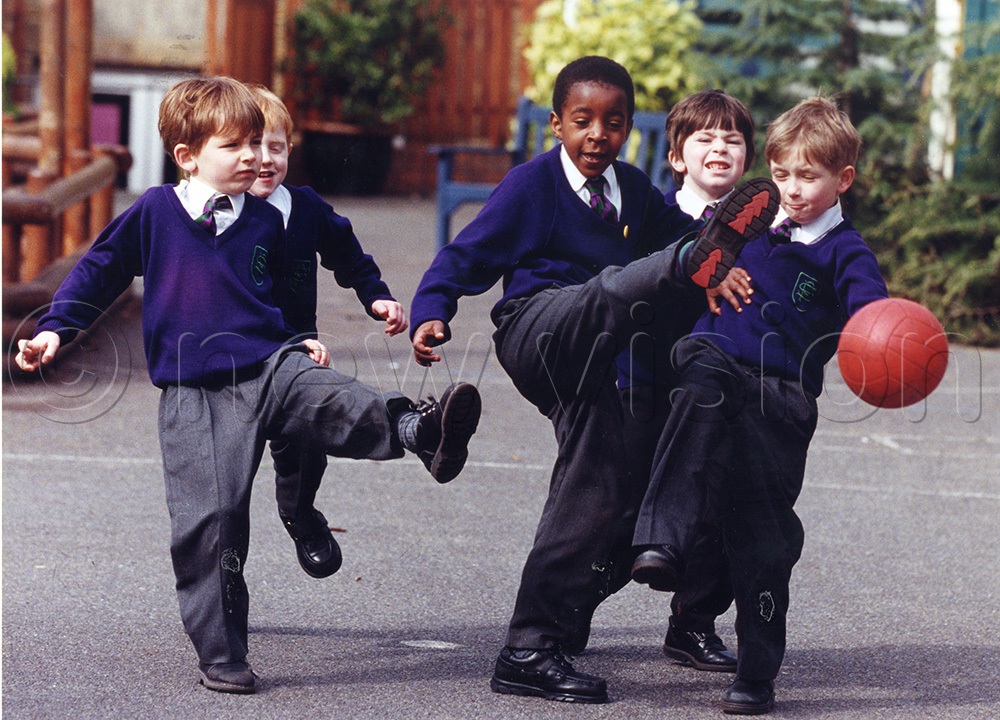
King Oyo (middle) playing with his school mates. (New Vision Archives)
He supported the Uganda Cranes, followed football development in Tooro and became a strong supporter of the FUFA Drum, which uses football to celebrate Uganda's cultural diversity; on the global stage, he was a diehard Arsenal Football Club fan.
There was something fitting about a king embracing a game in which everyone meets on the same field.
Football can bring together kings and commoners, ministers and boda boda riders, professors and schoolchildren.
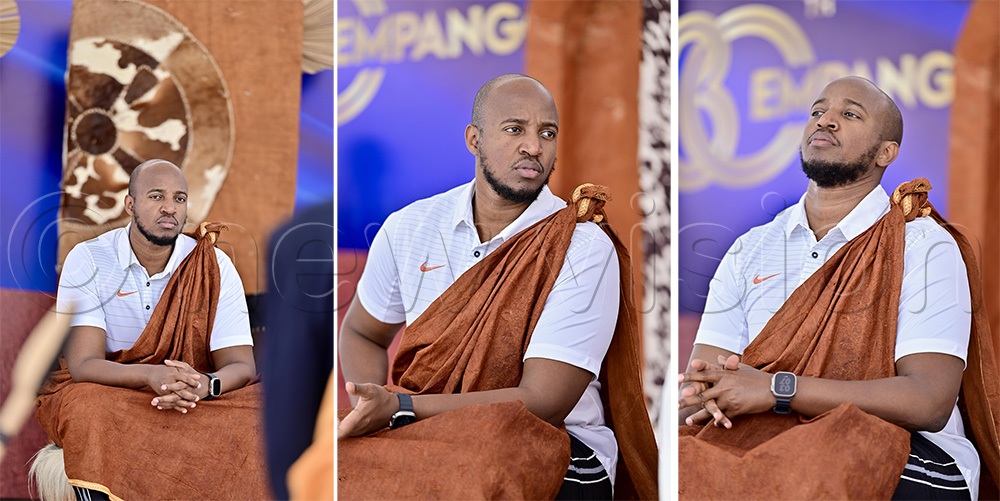
For 90 minutes, the palace and the street can share the same heartbeat. Oyo understood the power of that connection.
A King Climbs a Mountain
Then there were the Rwenzori Ranges. For a king whose life had begun inside the palace, the Mountains of the Moon offered another way of connecting the crown with the landscape of his people.
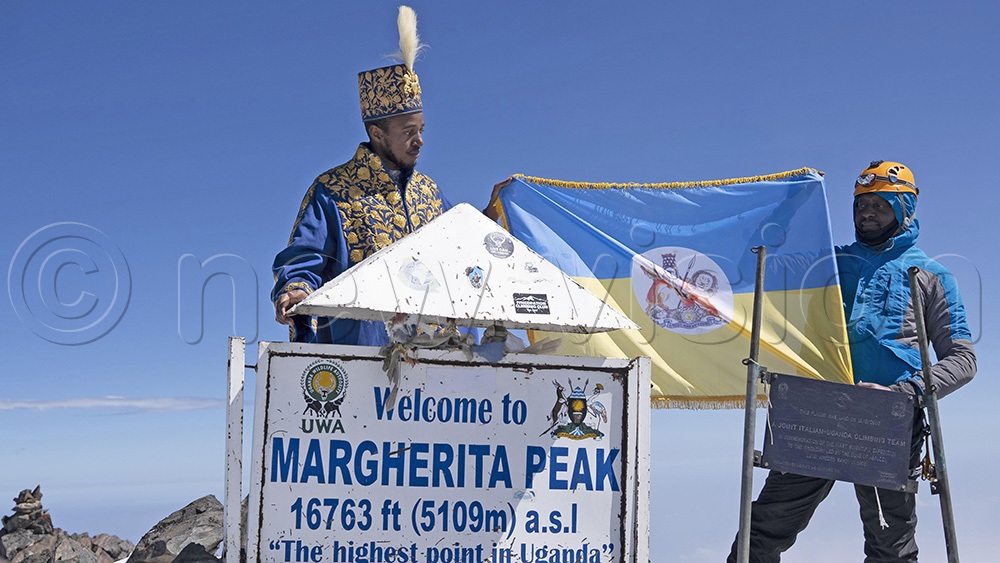
King Oyo Kabamba Iguru (left) and his executive assistant Jonathan Baala at the Margherita Peak upon conquering the 5,109 meters’ highest peak of Rwenzori Mountains. (New Vision Archives)
In 2022, Oyo led a royal expedition into the Rwenzori and climbed to Margherita Peak.
The journey was more than a personal adventure. It drew attention to tourism, environmental conservation and the natural heritage of Tooro.
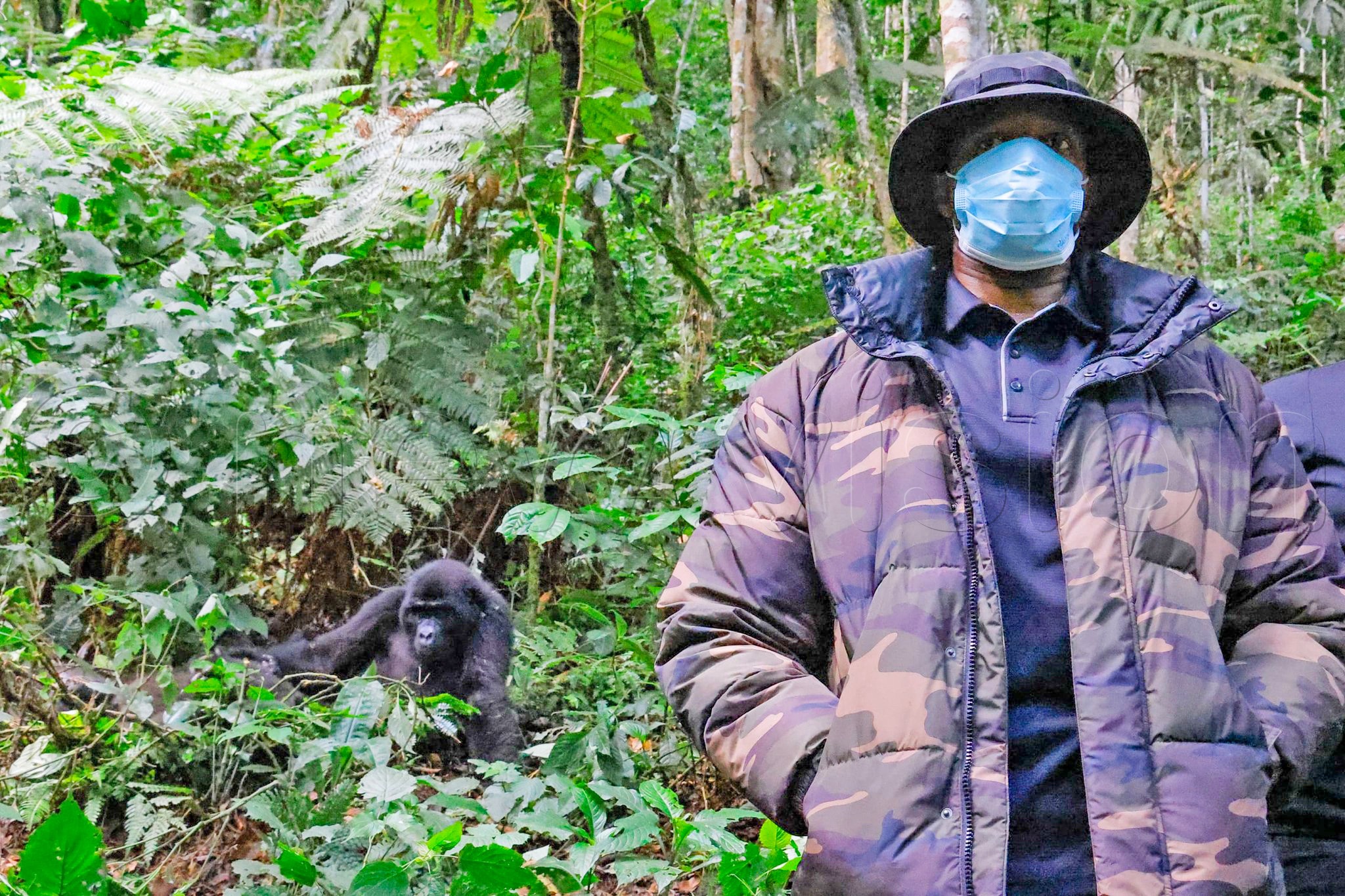
King Oyo during his Gorilla tracking expedition in Bwindi Impenetrable National Park. (New Vision Archives)
The Rwenzori was not simply a mountain. It was part of the kingdom's identity. The image of a young king looking towards the mountains remains powerful.
The Loneliness of the Crown
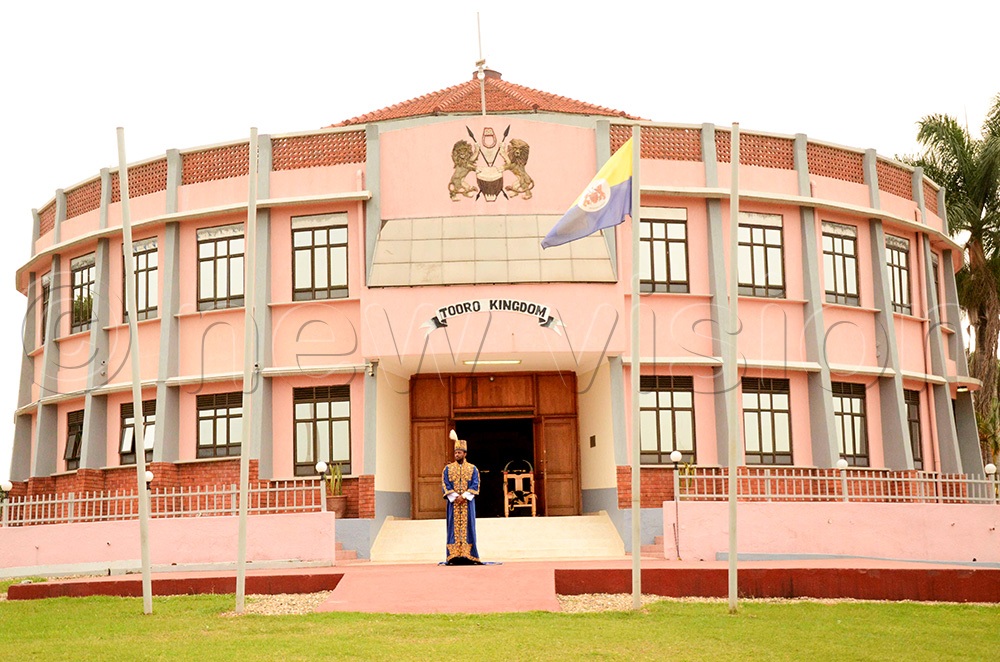
The world celebrated him for being the world's youngest monarch. But behind that distinction was a boy who had to grow up in public. He had to learn responsibility before most children had learnt independence.
He had to understand tradition while still discovering himself. He had to represent a people while still finding his own place in the world. That is the hidden burden of royalty. A crown can be beautiful to behold. It can also be heavy to carry.
From Boy King to Omukama Oyo
With time, the novelty disappeared. He was no longer simply the world's youngest king. He became King Oyo. The cameras that once focused on the child began to record a young man.
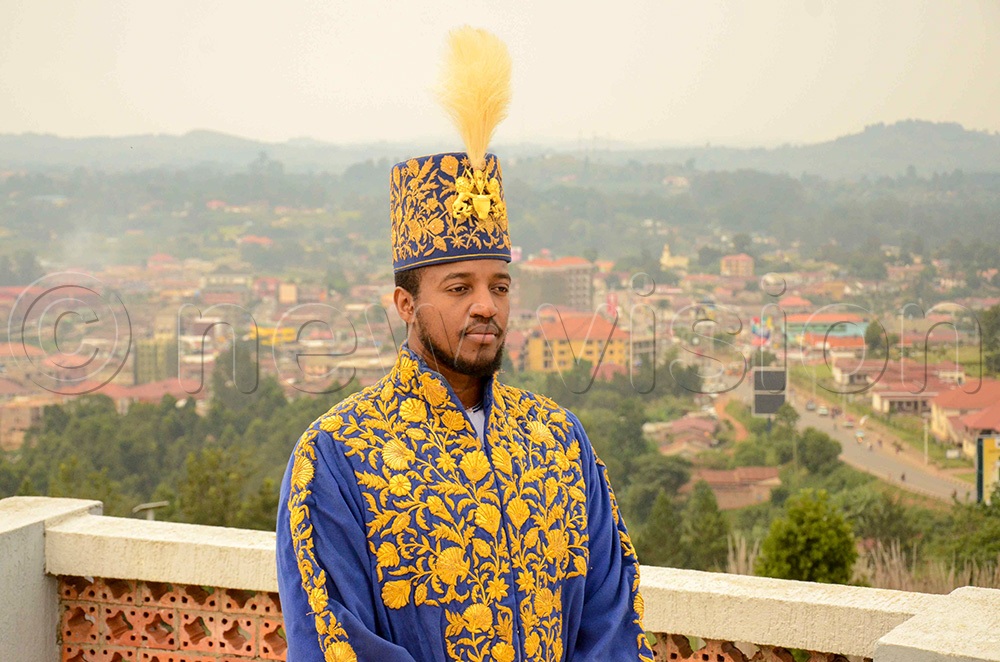
He developed into a national cultural figure and an advocate for his kingdom, maintaining a cordial relationship with the Government while championing development causes in Tooro.
He represented something larger than himself - a generation attempting to reconcile African tradition with modernity.
He was born at a time when Uganda was restoring its traditional kingdoms. He came of age in the era of smartphones, social media and globalisation.
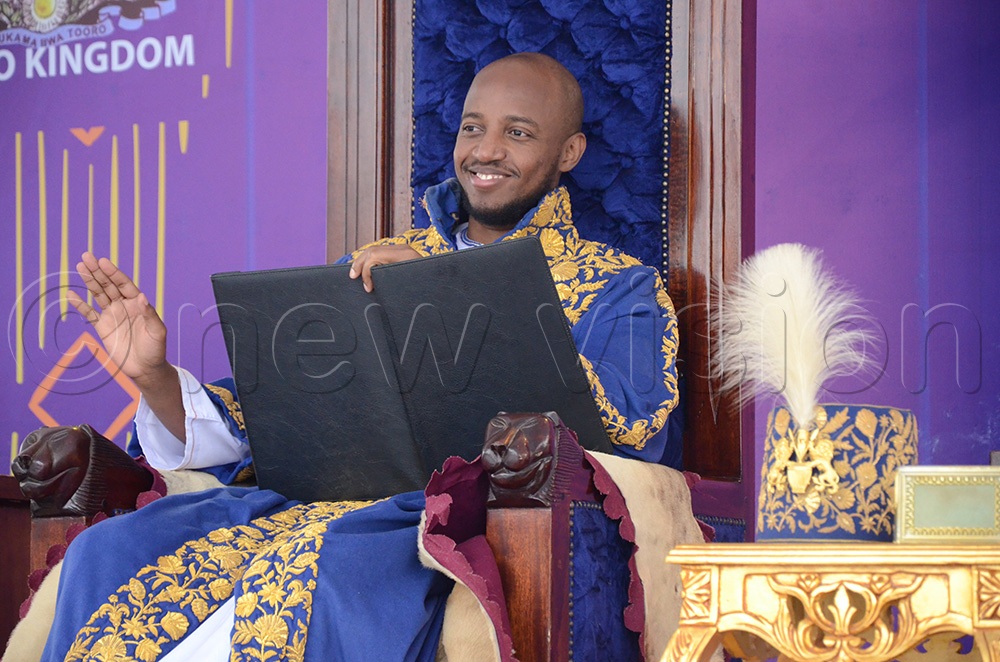
The Crown Falls Silent
On Thursday, August 27, 2026, that journey came to an unexpected end. Oyo died at about 10:00 pm while receiving medical treatment in the United States, according to the Tooro Kingdom.
He was 34. Thirty-four is painfully young.
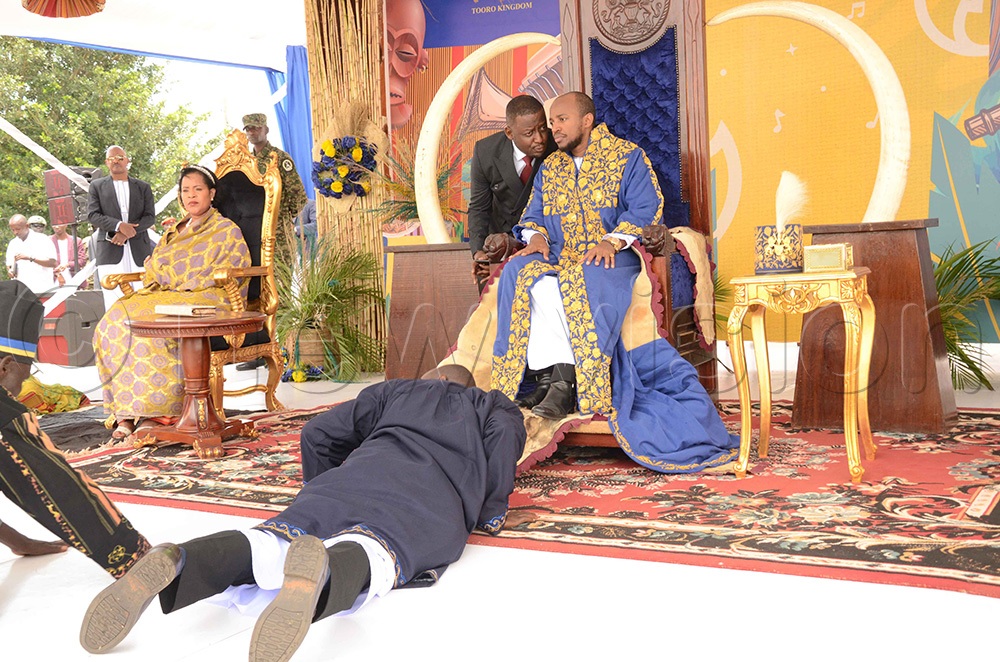
For many Ugandans, Oyo had always been the boy king - the child in royal robes who once appeared on newspaper front pages and television screens around the world. And yet that child had grown into a man.
He had spent almost his entire life carrying the crown. Now the crown had lost its wearer.
But Tooro Remains
The death of a king is not the death of a kingdom. Oyo is gone. Tooro remains. Its green hills and valleys remain.
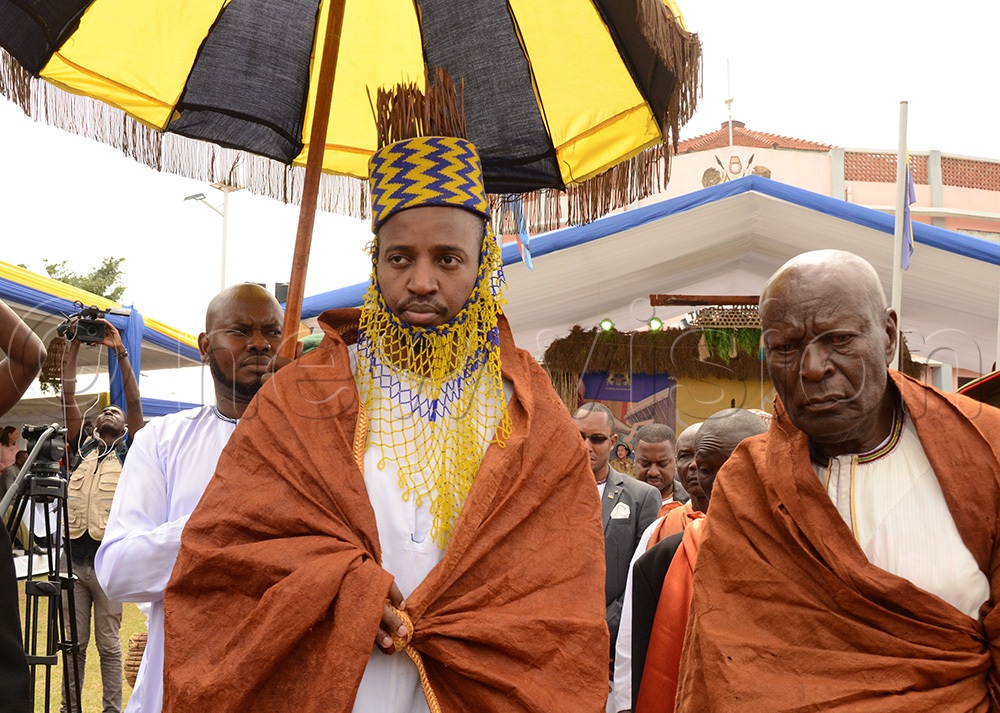
King Oyo flanked by his Uncle Charles Kamurasi performing some of the Empango rituals. (New Vision Archives)
Its people remain, carrying the language, clans, customs, songs and memories that bind generations together. Karuziika Palace remains.
The institution that received a three-year-old boy and watched him grow into a 34-year-old king remains. And so does the memory of the man who carried that institution for almost three decades.
The Tooro Kingdom has assured its people that the continuity of the Crown is secure and that Oyo leaves behind a prince who will become heir according to the kingdom's traditions.
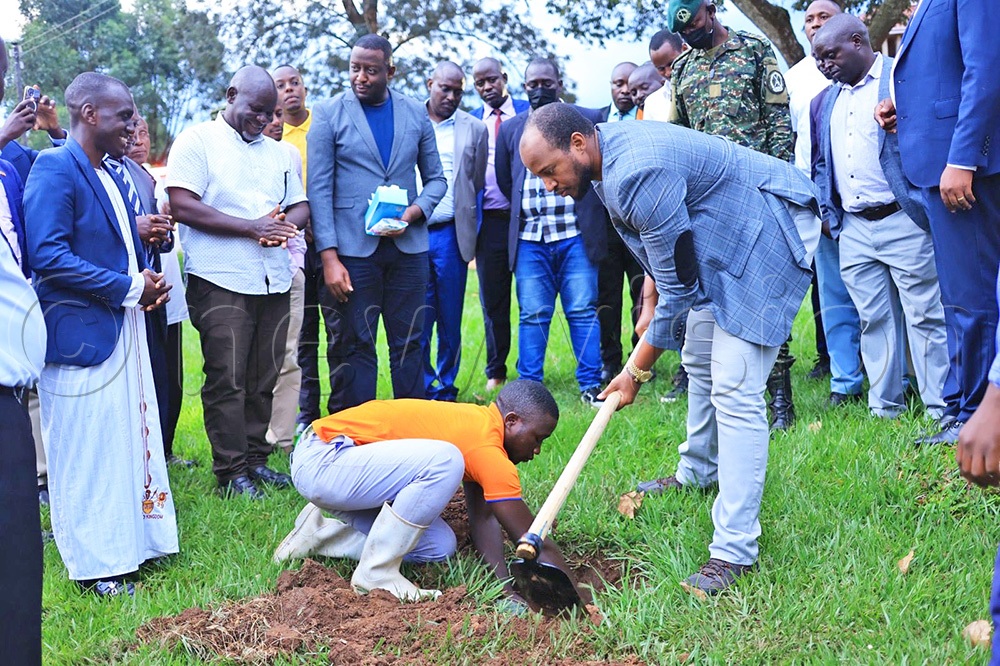
Omukama Oyo Nyimba Rukidi IV planting a tree at Ntara Christian Primary School playground after addressing his subjects in Kitagwenda district during his Royal tour. (New Vision Archives)
One king follows another. One generation hands its memories to the next. But no successor can take away the years in which Uganda watched Oyo grow.
The Boy We Watched Grow
Perhaps that is why his death feels so personal to so many Ugandans. We did not meet Oyo for the first time as a 34-year-old king.
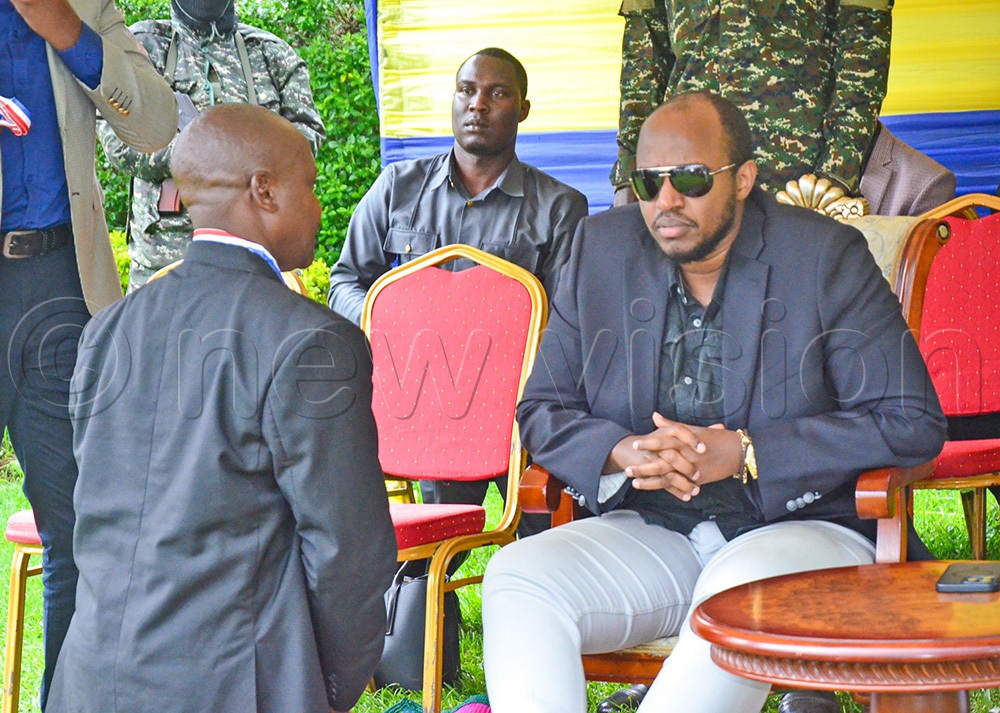
We met him as a three-year-old boy in royal robes and a crown too large for him. We watched him grow taller. We watched the boy become a student. We watched the student become a young man. We watched the young man grow into his crown.
And, slowly, the world's youngest monarch became simply Omukama Oyo - a king who belonged not only to Tooro, but to the memory of an entire generation of Ugandans.
He inherited a kingdom before he could understand what a kingdom was. He grew into the crown before he had the chance to grow up as an ordinary boy.
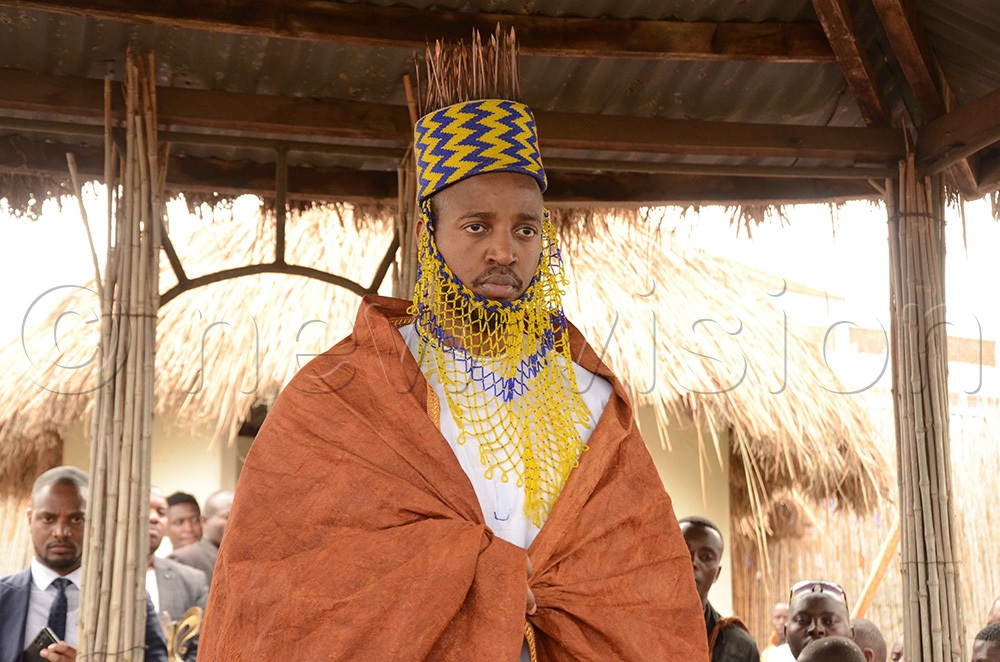
For nearly 31 years, he carried it. Now the boy king has become history. But the story he carried - the story of Tooro, its people, its traditions and its place in modern Uganda - continues. Perhaps that is the final lesson of a crown.
The king is gone. The kingdom remembers. And Tooro goes on.