
Study exposes harassment, pay gaps facing women in Uganda’s creative industry
Women reported discriminatory contracts, including restrictions on pregnancy, as well as limited access to childcare facilities, menstrual support and safe mechanisms for reporting harassment.
The study found that 64% of respondents had experienced gender-related burdens linked to care responsibilities, while 25% had turned down job opportunities because of childcare or domestic responsibilities. (Courtesy Photo)
KAMPALA - Young women working in Uganda’s creative industry face widespread sexual harassment, unequal pay, unsafe workplaces and discrimination, a new study has revealed.
The study also found that domestic and care responsibilities are limiting women’s ability to take up creative opportunities and advance their careers.
The findings are contained in the Behind the Scenes (BtS) Project, a multi-country research initiative conducted by the International Centre for Research on Women (ICRW) in seven African countries — Uganda, Kenya, Rwanda, Ethiopia, Ghana, Nigeria and Senegal.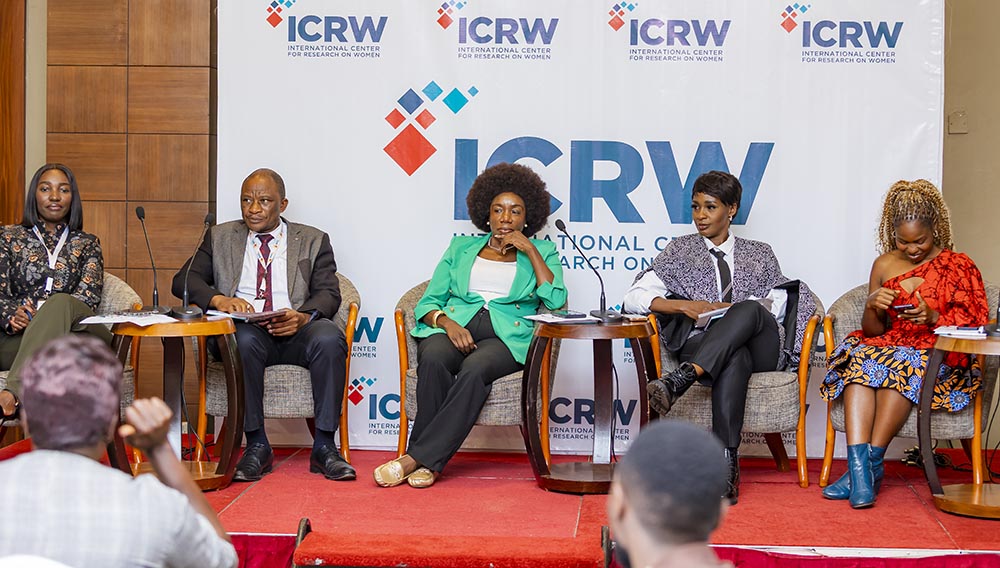
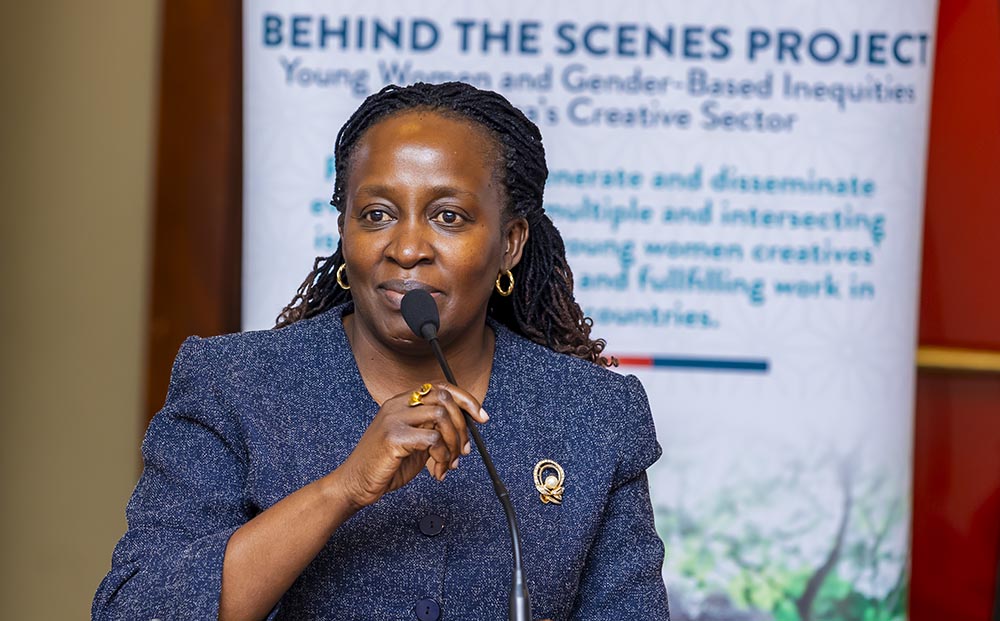
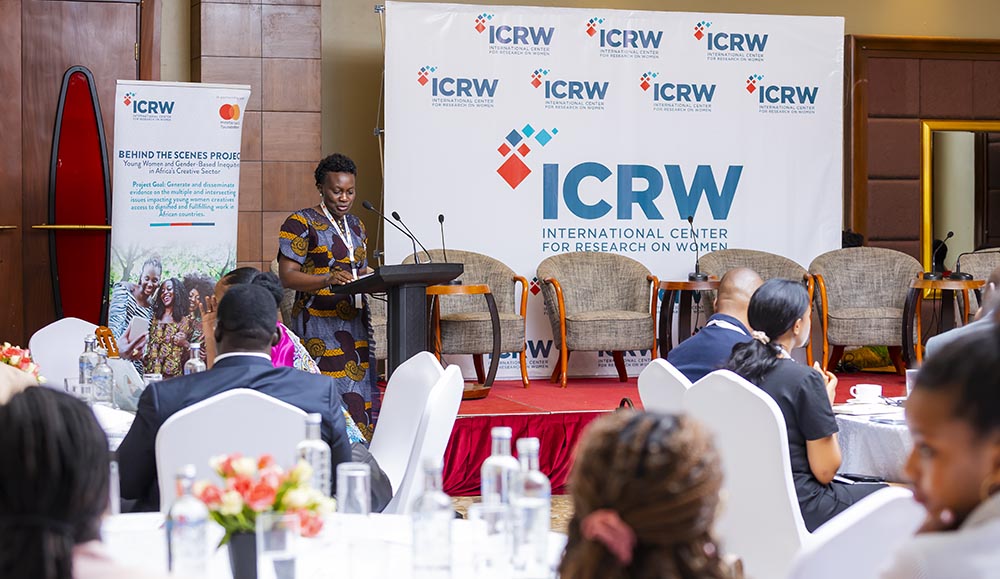
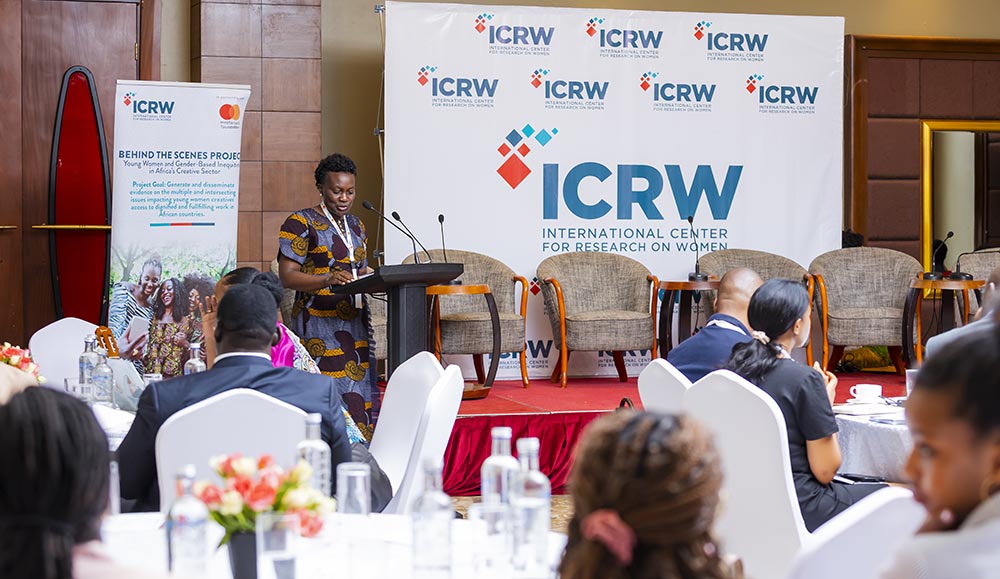
Anne Nkutu, an Icrw Africa board member.
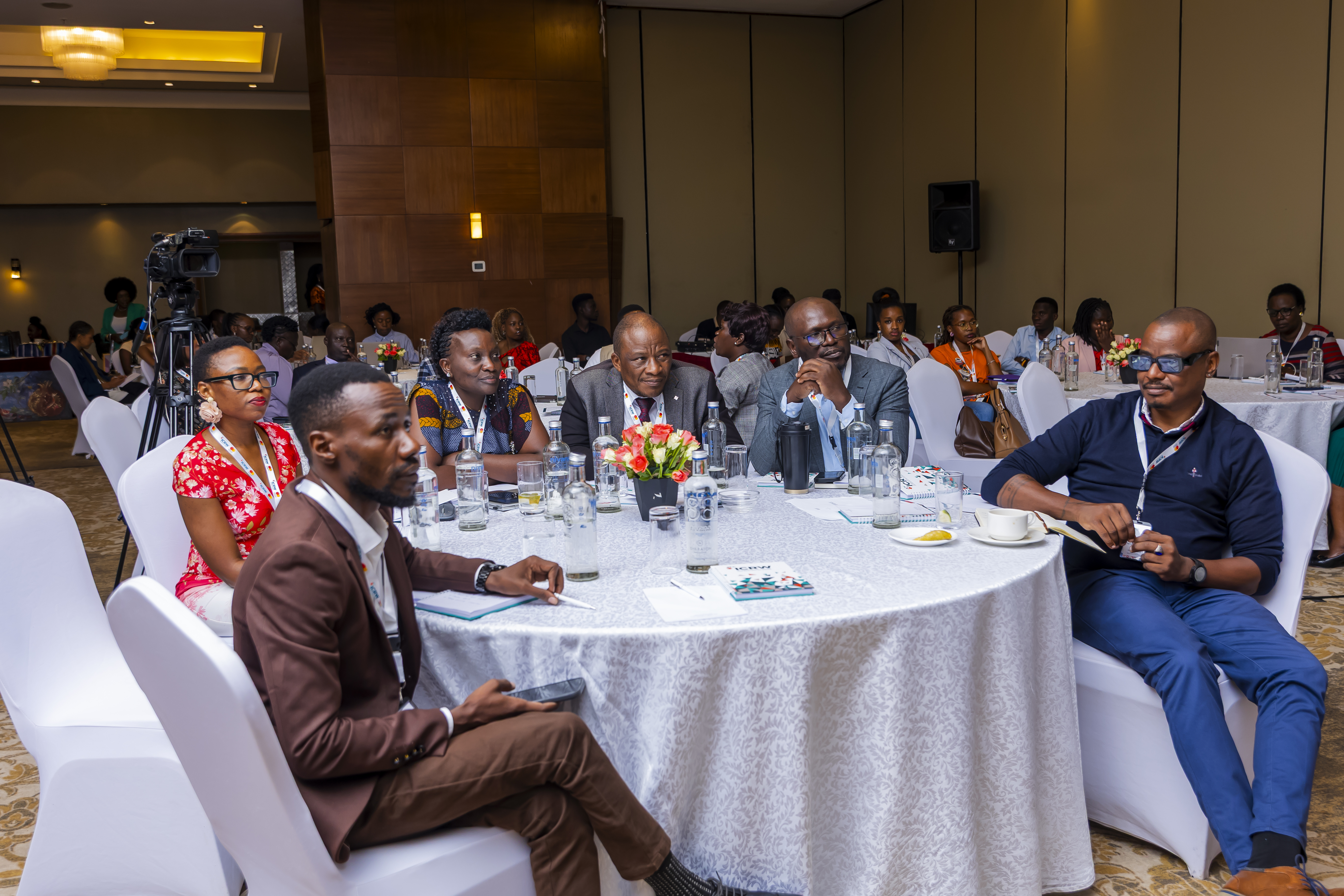
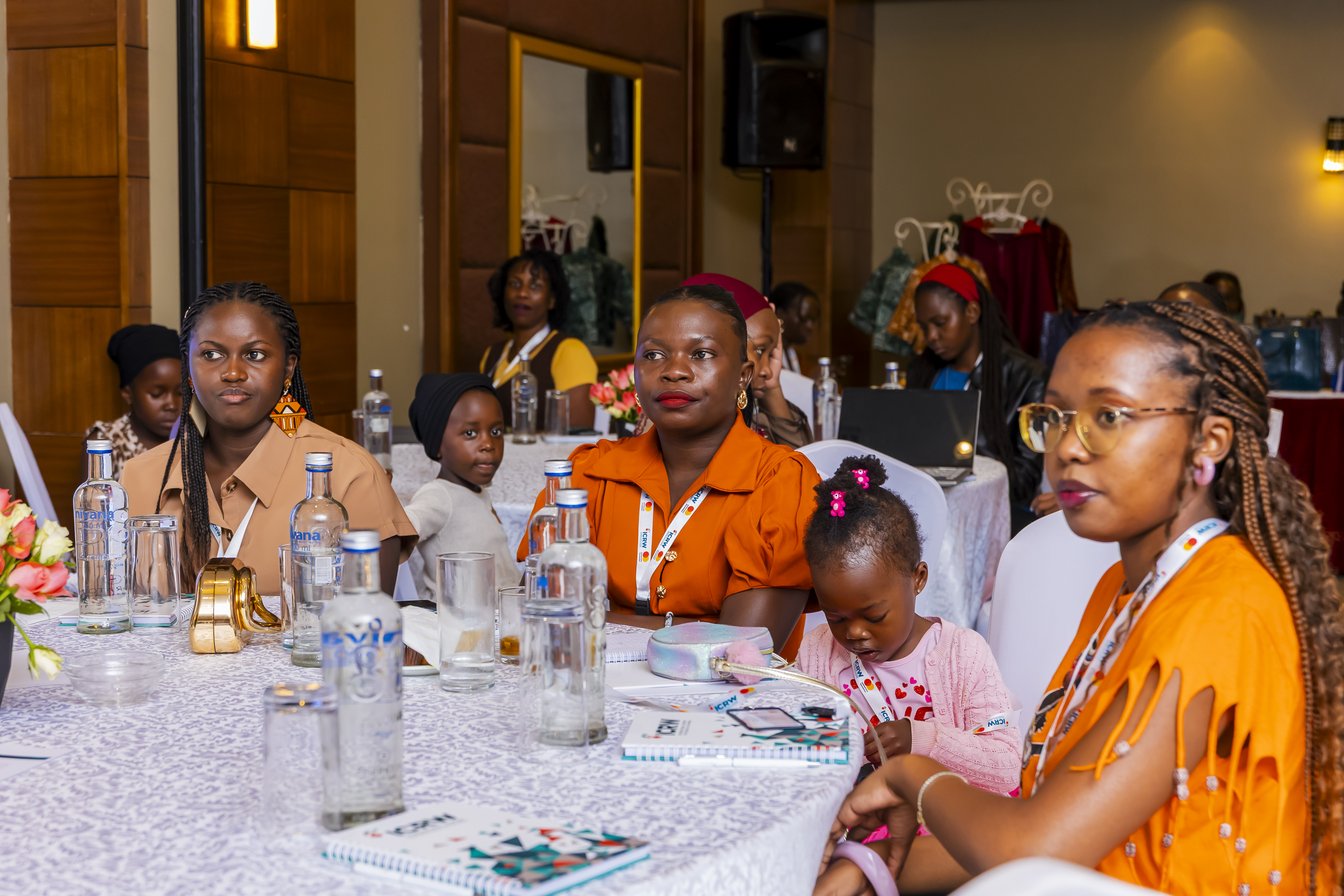
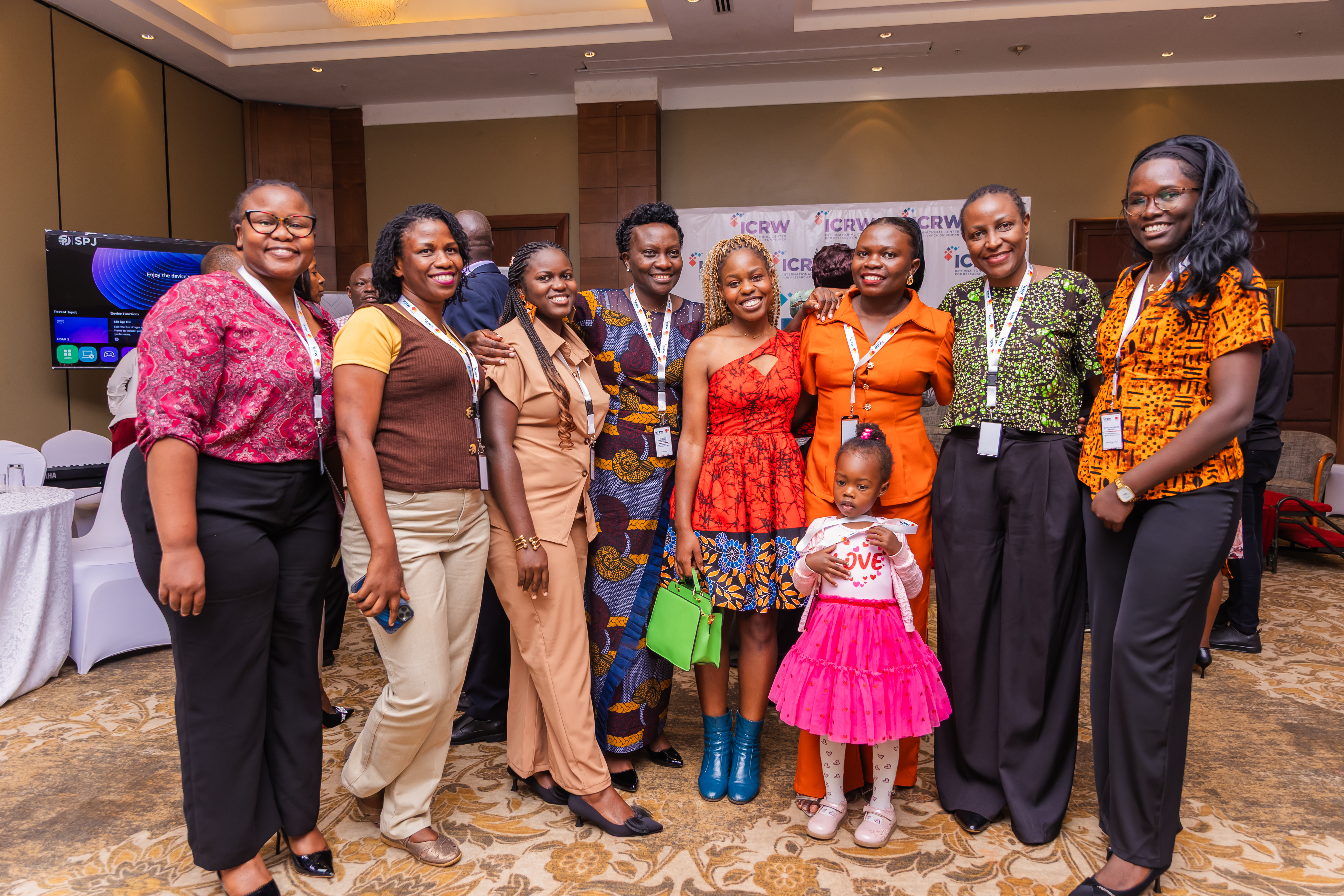
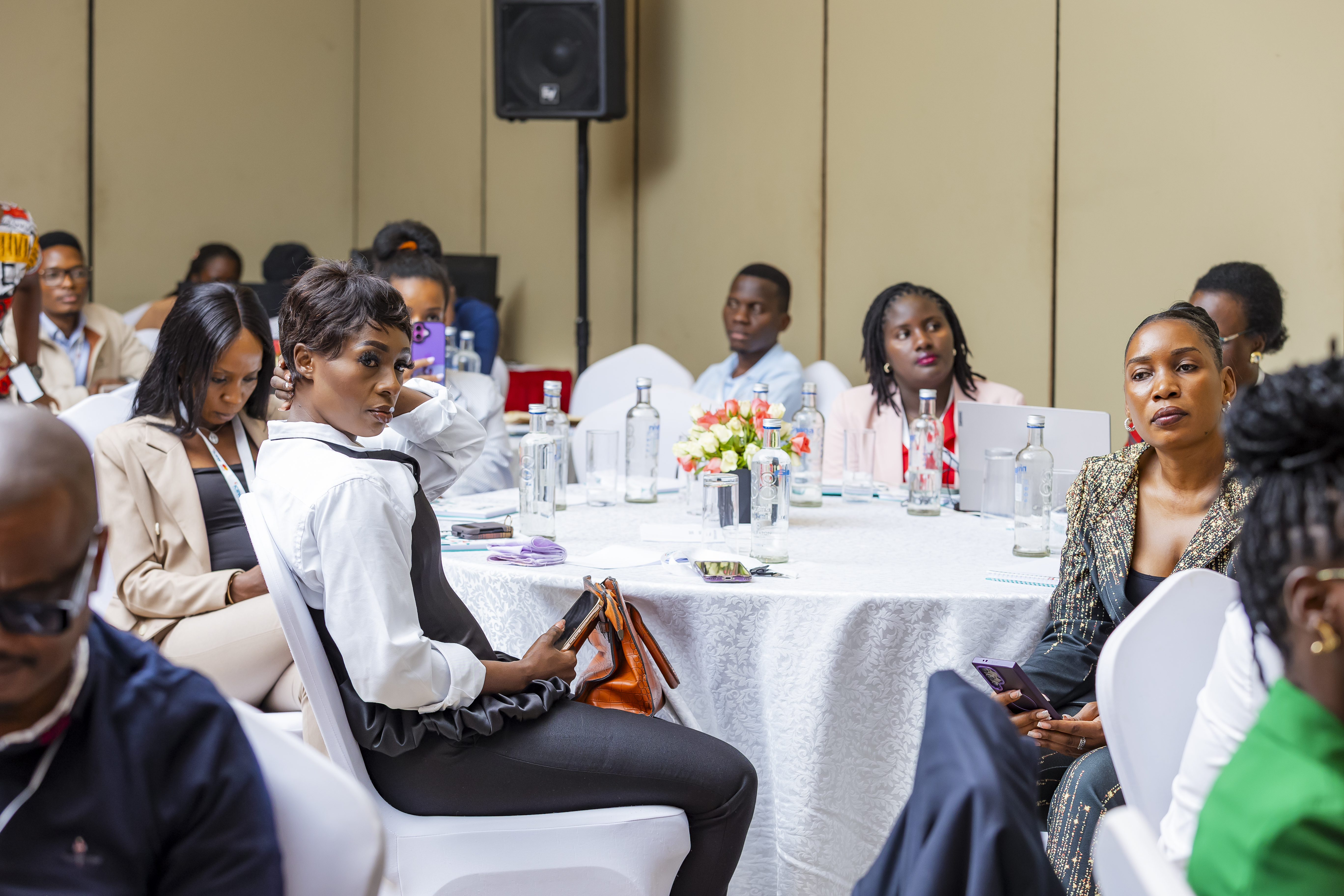
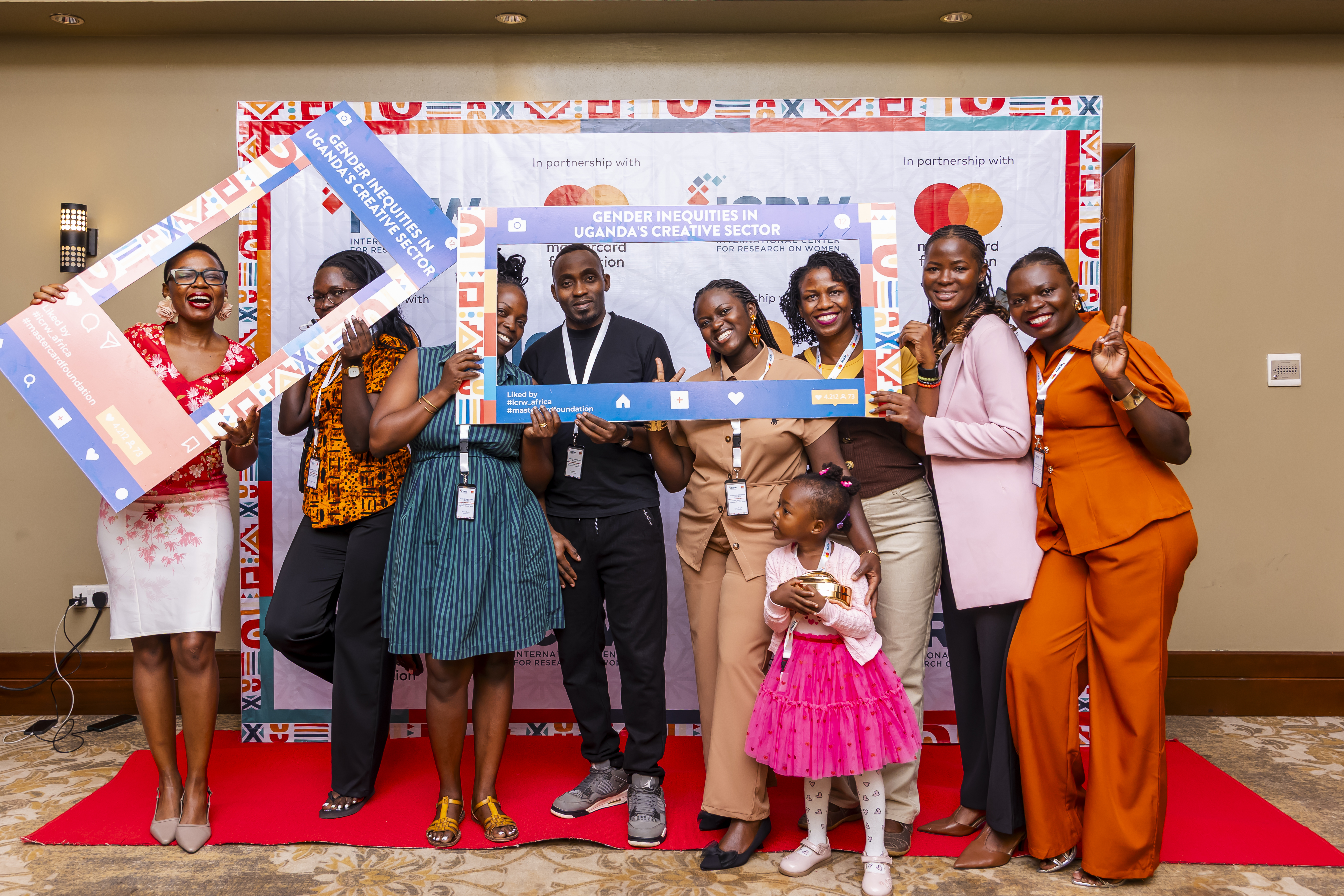
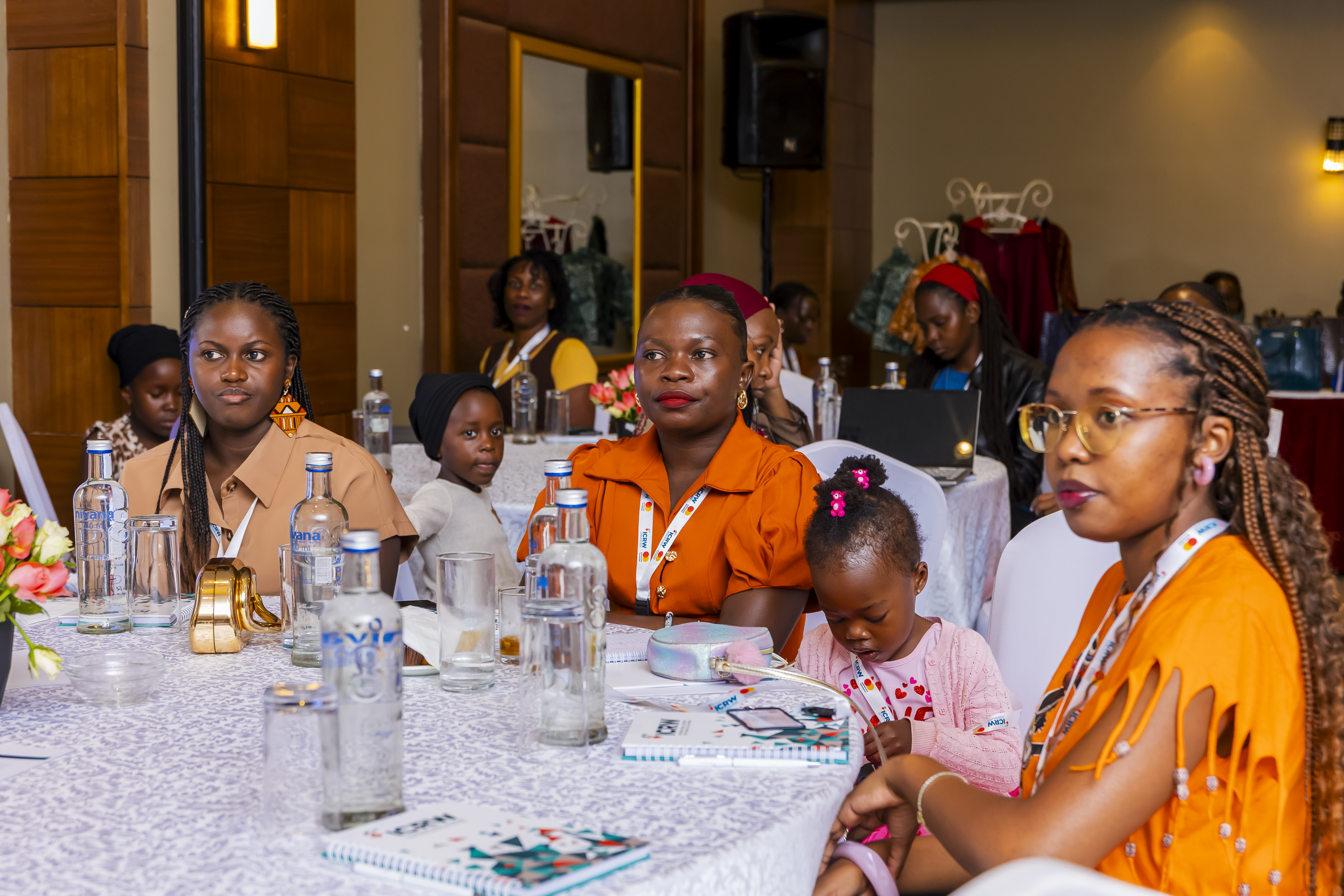
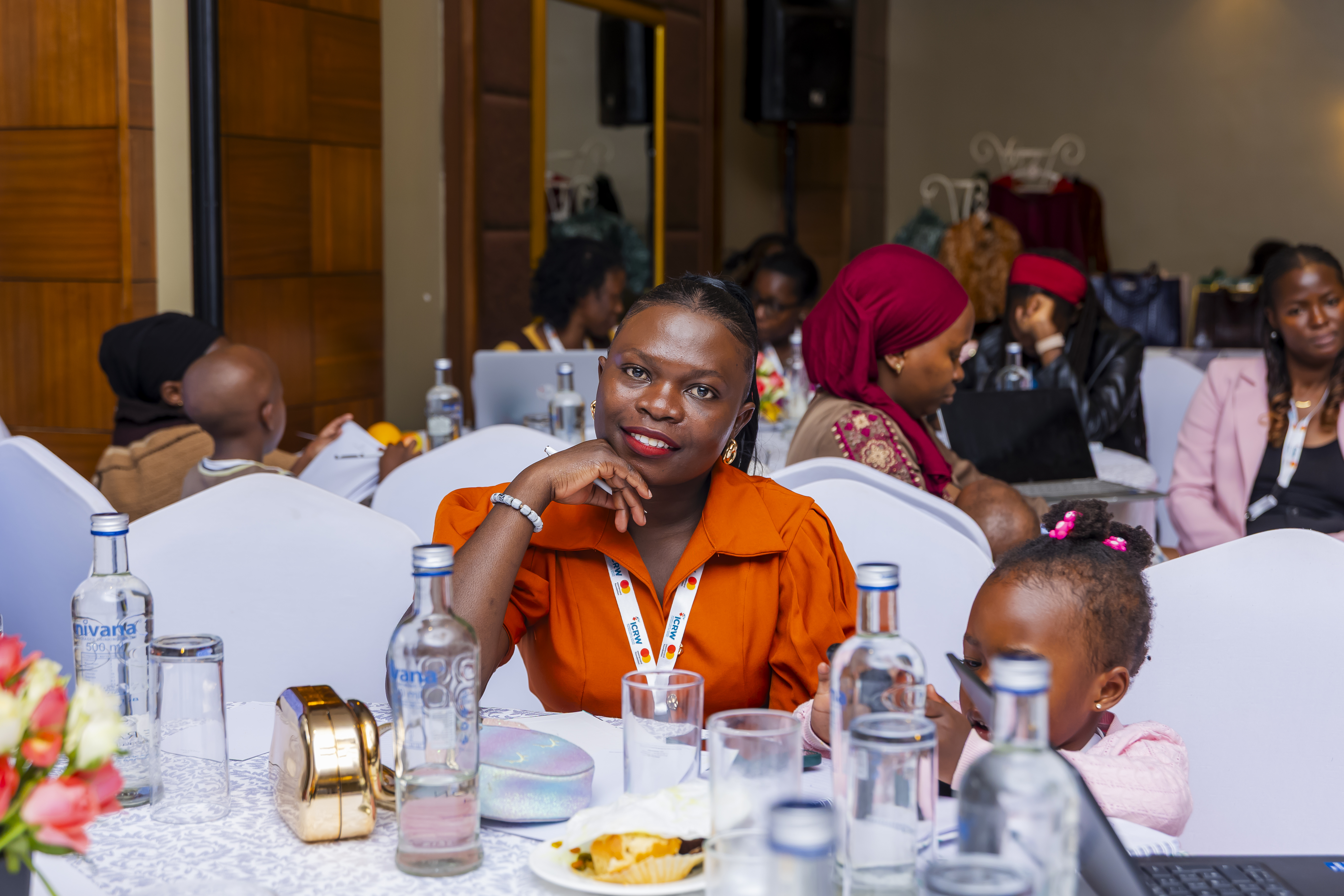
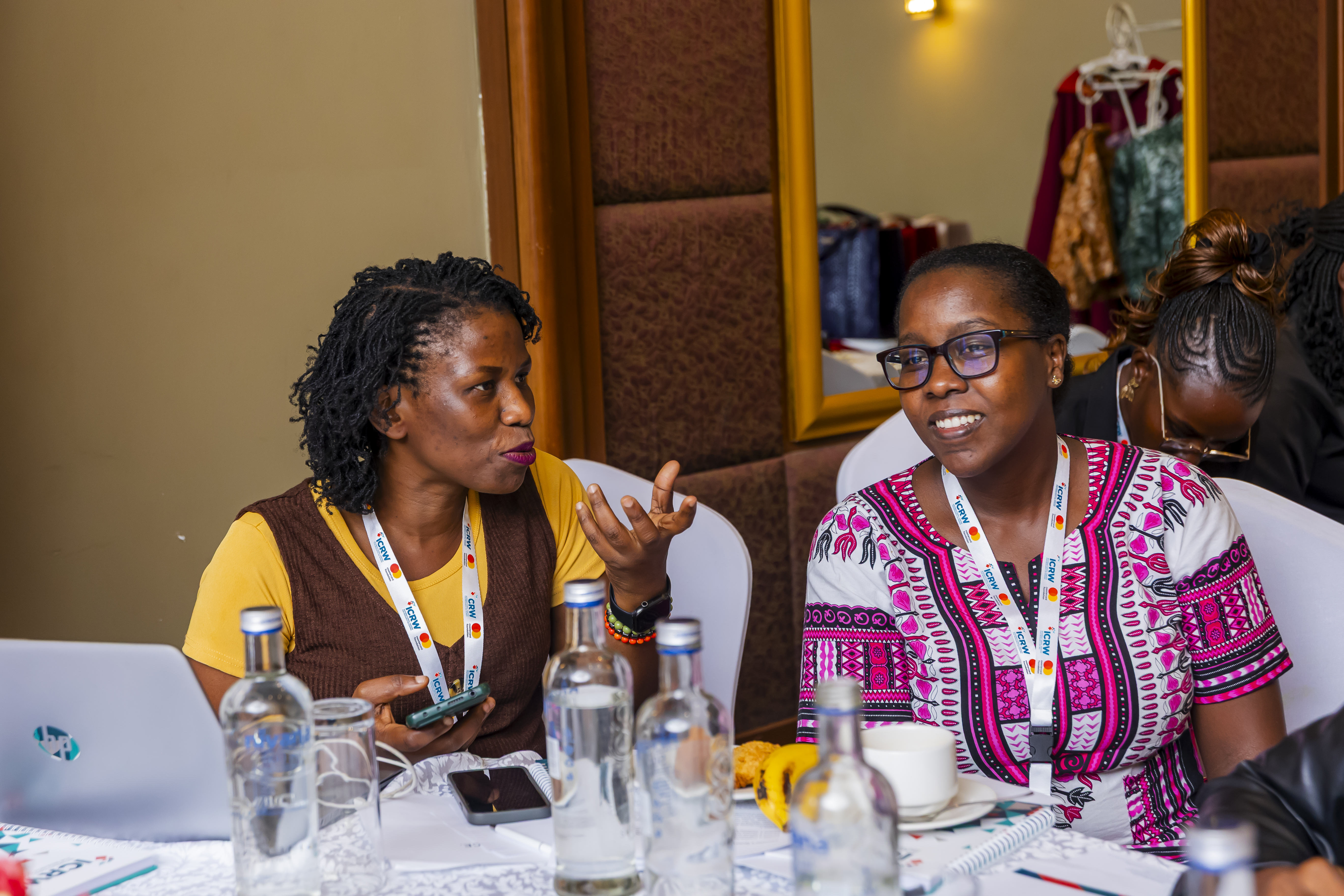
The findings were presented at a dissemination meeting held at the Sheraton Kampala Hotel, where government officials, creative industry players, researchers, development partners and young creatives discussed ways of making the sector safer and more inclusive for women.
The study involved 495 young women creatives aged between 15 and 35 years in Uganda.
It found that among women who had experienced workplace gender-based harassment, 79% reported comments about their appearance or bodies, while 73% experienced sexualised jokes.
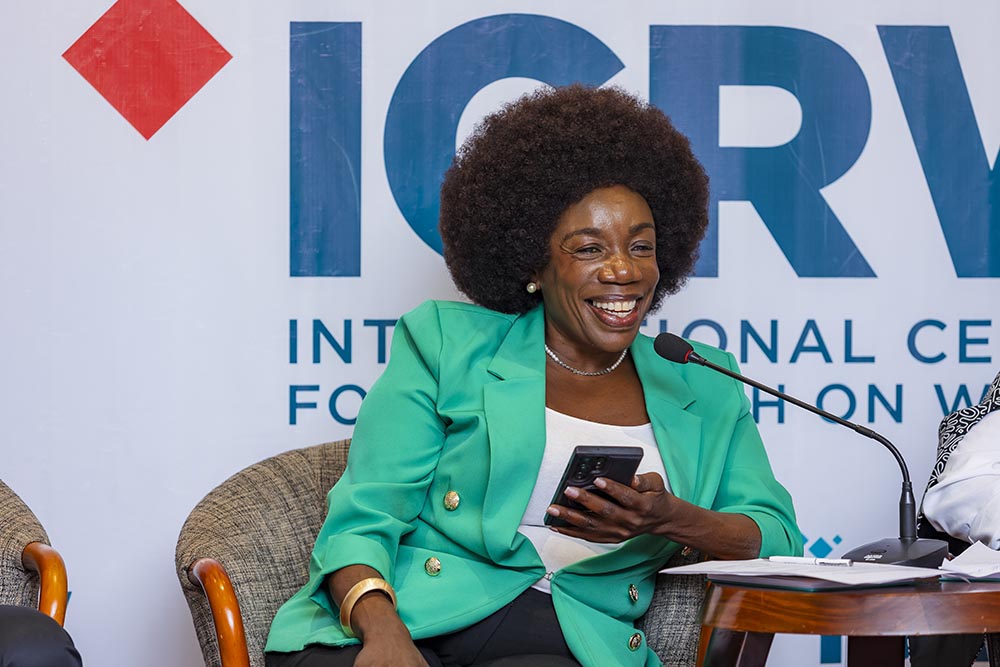
Rachael Magoola
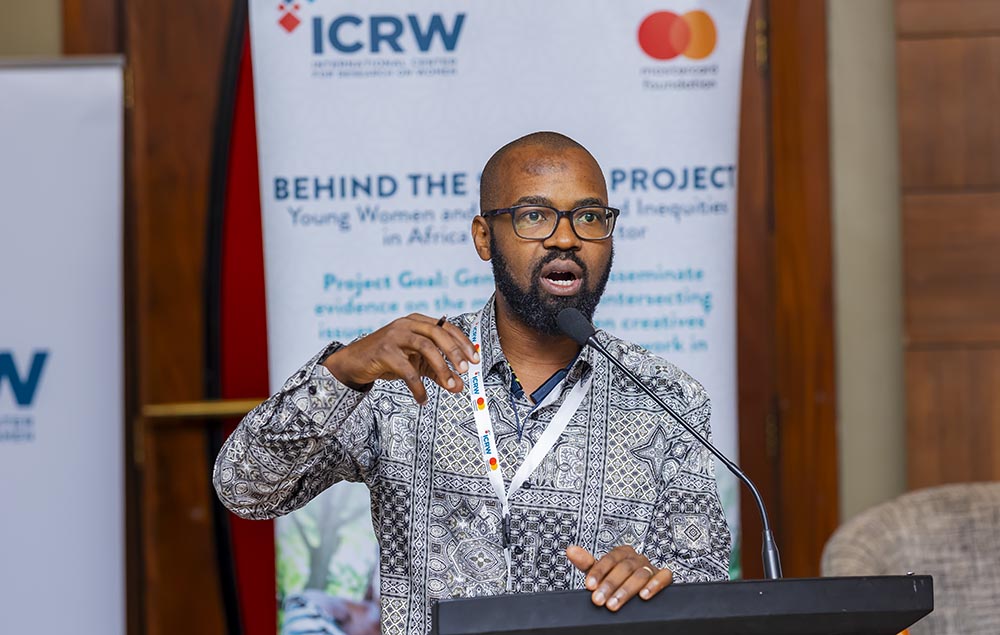
Venantius Bbaale Kirwana, a member of the BtS project team.
Another 52% reported experiencing sexual nicknames, while 44% said they had received inappropriate online messages.
The research also found that nearly half of creatives said there were no adequate protections against gender discrimination in their workplaces.
Women reported discriminatory contracts, including restrictions on pregnancy, as well as limited access to childcare facilities, menstrual support and safe mechanisms for reporting harassment.
The problem also extends to pay and access to opportunities.
One woman interviewed for the study said women often accept lower pay because of the financial pressures they face at home.
“A man will say, ‘I want Shs200,000,’ and refuse if it’s not met. But as a woman, you may accept Shs20,000 because you left your home with hungry children,” she said.
The study found that 64% of respondents had experienced gender-related burdens linked to care responsibilities, while 25% had turned down job opportunities because of childcare or domestic responsibilities.
The Ministry of Gender, Labour and Social Development said the findings should be used to strengthen policies and workplace protections.
Mupapa Moces Perbin, a senior social development officer at the ministry, said the findings showed that having women in the creative industry was not enough if they could not participate on equal terms.
“These are not merely statistics. Behind every statistic is a young woman whose talent, creativity, livelihood and potential contribution to Uganda may be constrained by circumstances that have little to do with her ability,” he said.
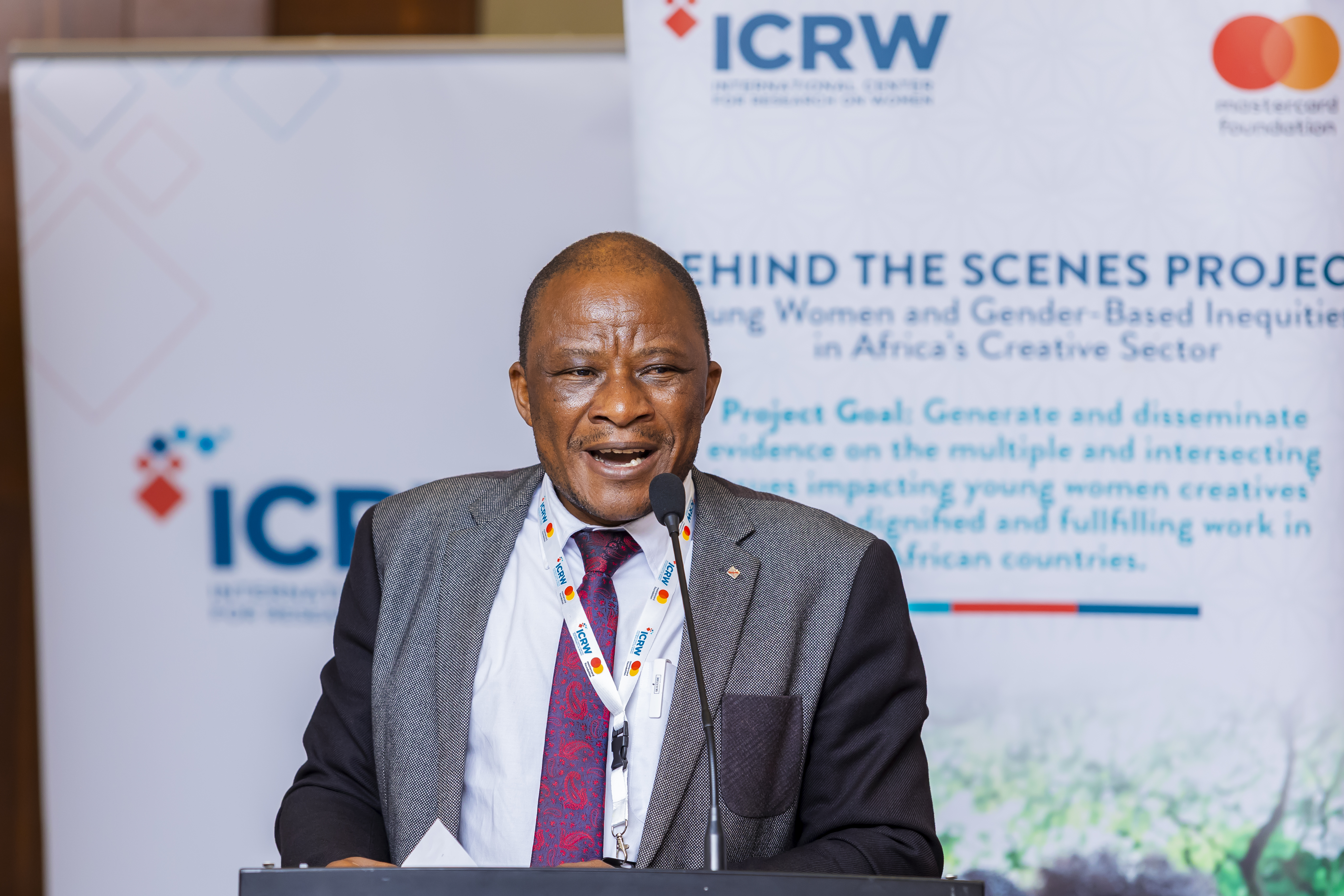
Moces Mupapa Perbin, a senior social development officer.
Mupapa called for stronger gender-responsive legislation, transparent pay practices, written contracts, social protection, leadership opportunities for women and stronger systems for reporting and responding to harassment and discrimination.
He also backed a proposal for Uganda to consider gender equity certification for creative enterprises that meet standards on pay, workplace safety and women's representation in leadership.
He urged stakeholders to ensure the research does not become another report that is launched and forgotten.
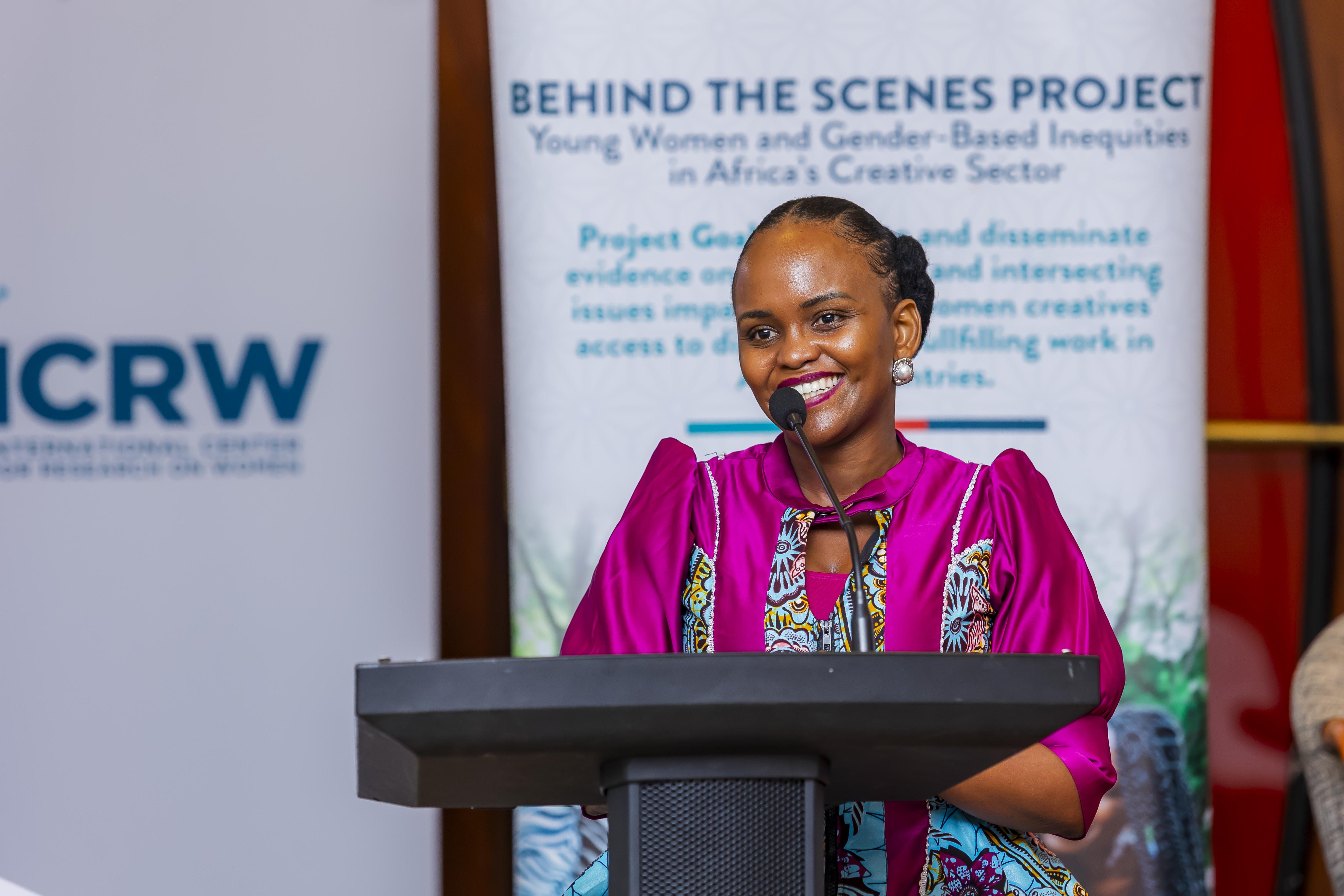
Dr Irene Mutuuzo remarks.
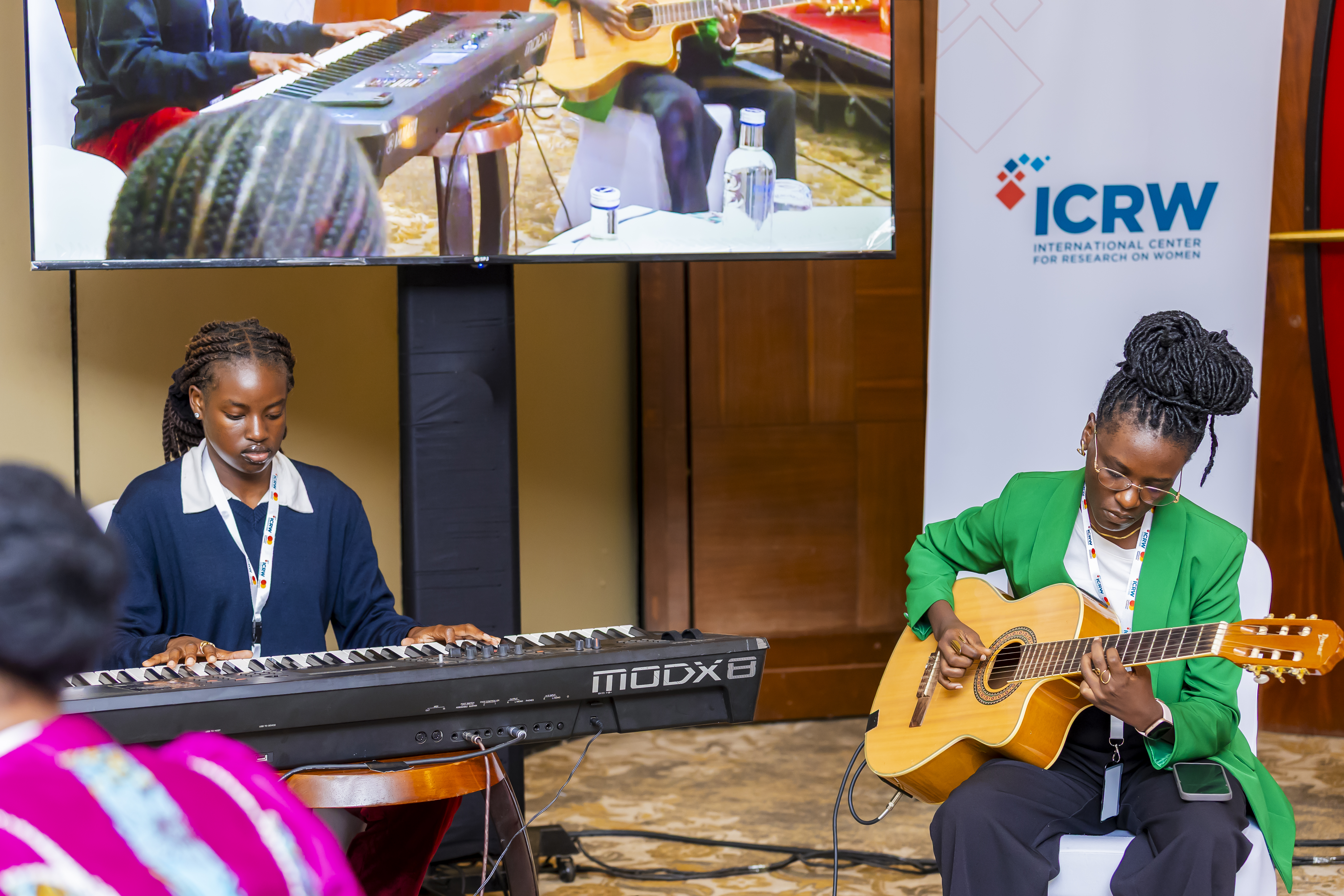
Ann Makula and Vania Lagumu
“The challenge before us is not simply to increase the number of women participating in the creative sector. Our objective must be to create a creative economy in which women can enter, remain, thrive and lead on equal terms,” Mupapa said.
Tom Aredo - Head, Country Programs Finance at Mastercard, said evidence was critical in addressing the barriers faced by young people, particularly young women.
“At my table earlier, someone asked me, ‘Why are we investing in this?’ And my answer is simple: we need data. We need evidence. We need information that can guide the decisions we make,” Aredo said.
He said the research should not simply sit on shelves, but should influence policies and industry practices.
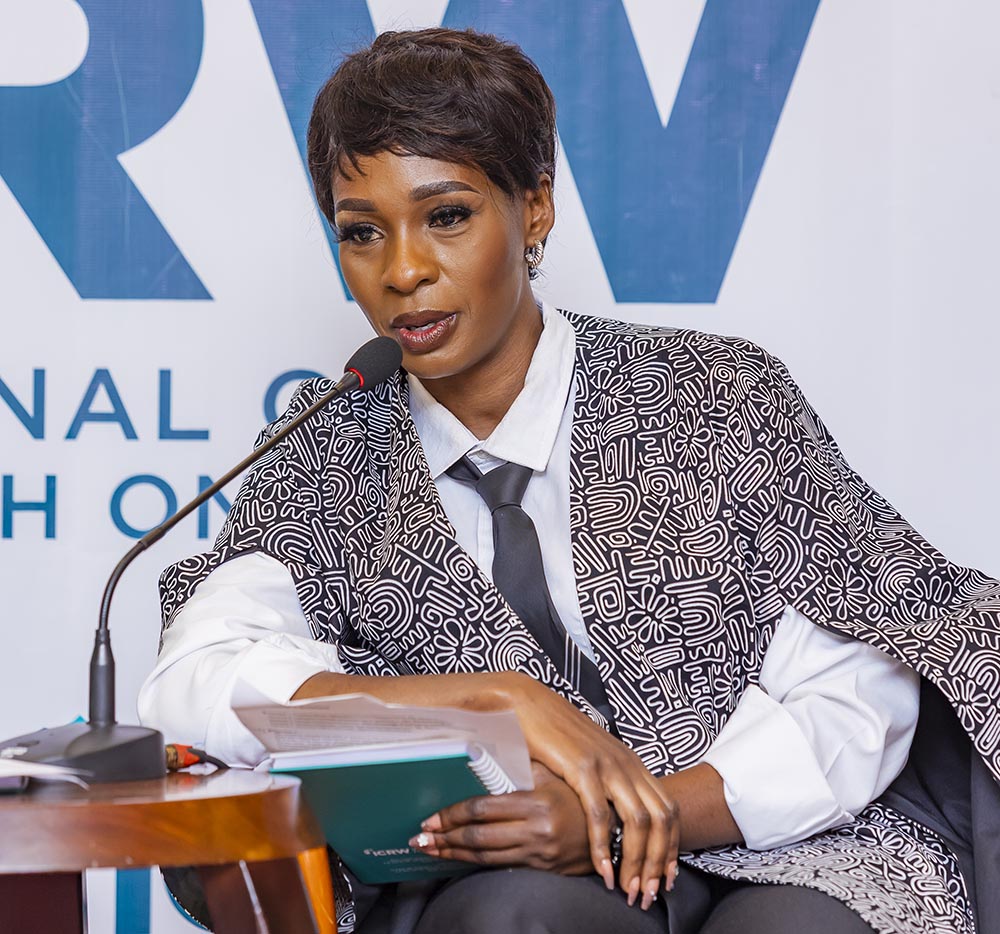
Musician Cinderella Sanyu
“Evidence is most valuable when it informs decisions, influences policy and inspires collective action,” he said.
The Mastercard Foundation aims to support 30 million young people across Africa, including 21 million young women, to access dignified and fulfilling work by 2030.
In Uganda, the foundation targets about 4.3 million young people, of whom about three million will be young women.
Aredo said achieving these targets would require partnerships between government, researchers, the private sector, creative industry players and young people.
Anne Nkutu, an ICRW Africa board member, said Uganda's creative sector was an important source of livelihoods, enterprise, culture and opportunity for young people.
However, she said the opportunities created by the sector's growth were not being experienced equally.
“The Behind the Scenes Project was undertaken to better understand these inequalities, with particular attention to the experiences of young women,” Nkutu said.
She said the research was designed to examine the conditions under which young people enter the creative sector, work, earn, progress and build careers.
Nkutu said young creatives were not merely respondents but were involved in generating and interpreting the evidence and identifying what needed to change.
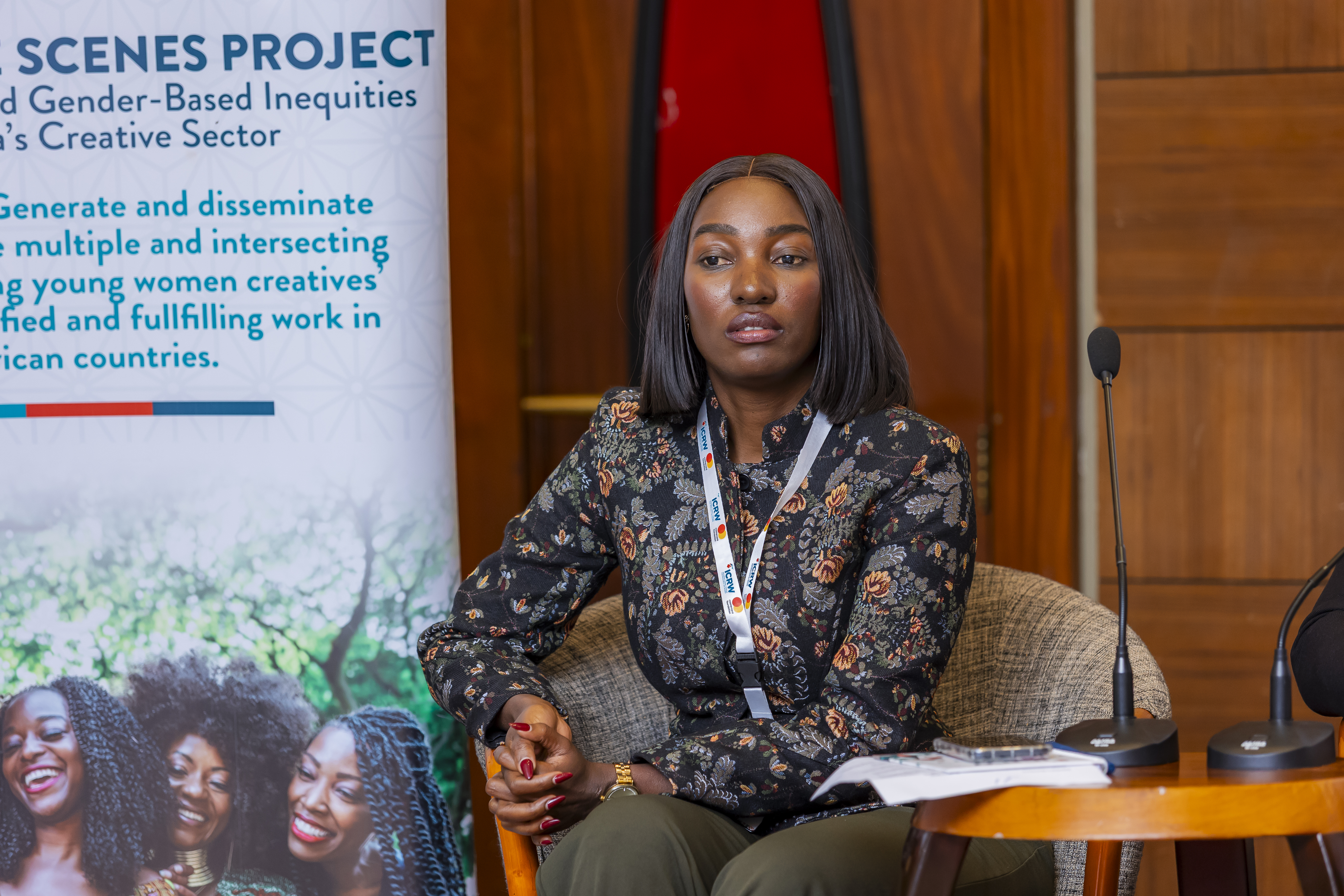
Doreen Sandra Kauma
She said the findings came at an important time as Uganda continues to strengthen its cultural and creative industries through policy processes.
“We have an opportunity to ensure that the sector’s growth is accompanied by fairer opportunities and viable career pathways for young women,” she said.
Linet Arisa of ICRW said the organisation's work was aimed at ensuring research informs policy and decision-making rather than remaining in academic publications.
“Research does not end on library shelves or in published academic articles. Research must inform policy, decision-making and programmes,” Arisa said.
She said the organisation would continue generating evidence on the creative economy, including issues affecting women's ability to build sustainable businesses and contribute to the economies of African countries.z
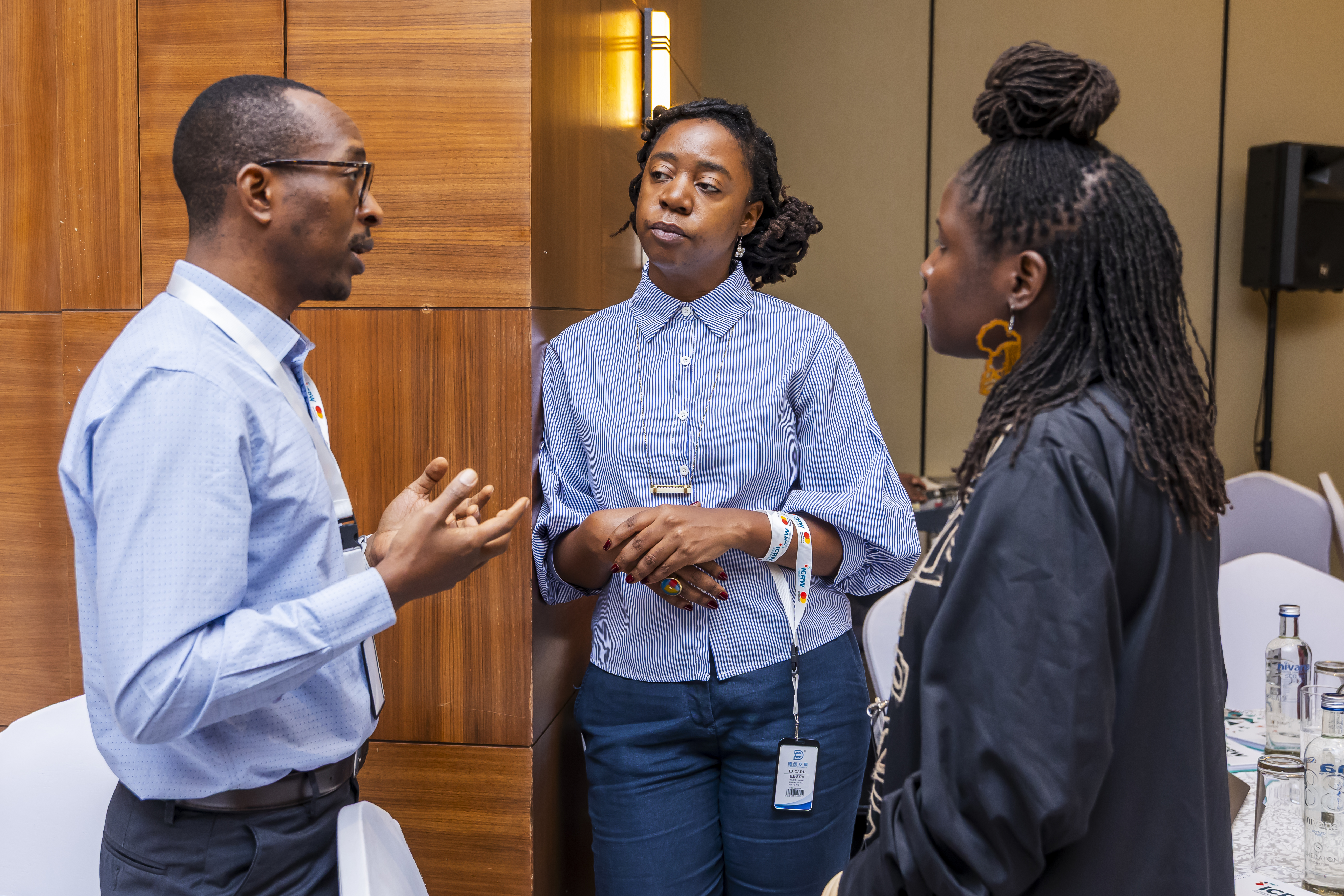
Venantius Bbaale Kirwana, a member of the BtS project team, said the research deliberately involved young researchers in all seven countries.
In Uganda, 15 youth researchers participated in the project, with women making up the majority
He said the young researchers moved from being beneficiaries to collaborators and eventually became initiators of research and advocacy activities.
“They started as beneficiaries, but a few weeks after their selection, they became collaborators,” Kirwana said.
He said the model was intended to ensure that evidence generation continues beyond the research project.
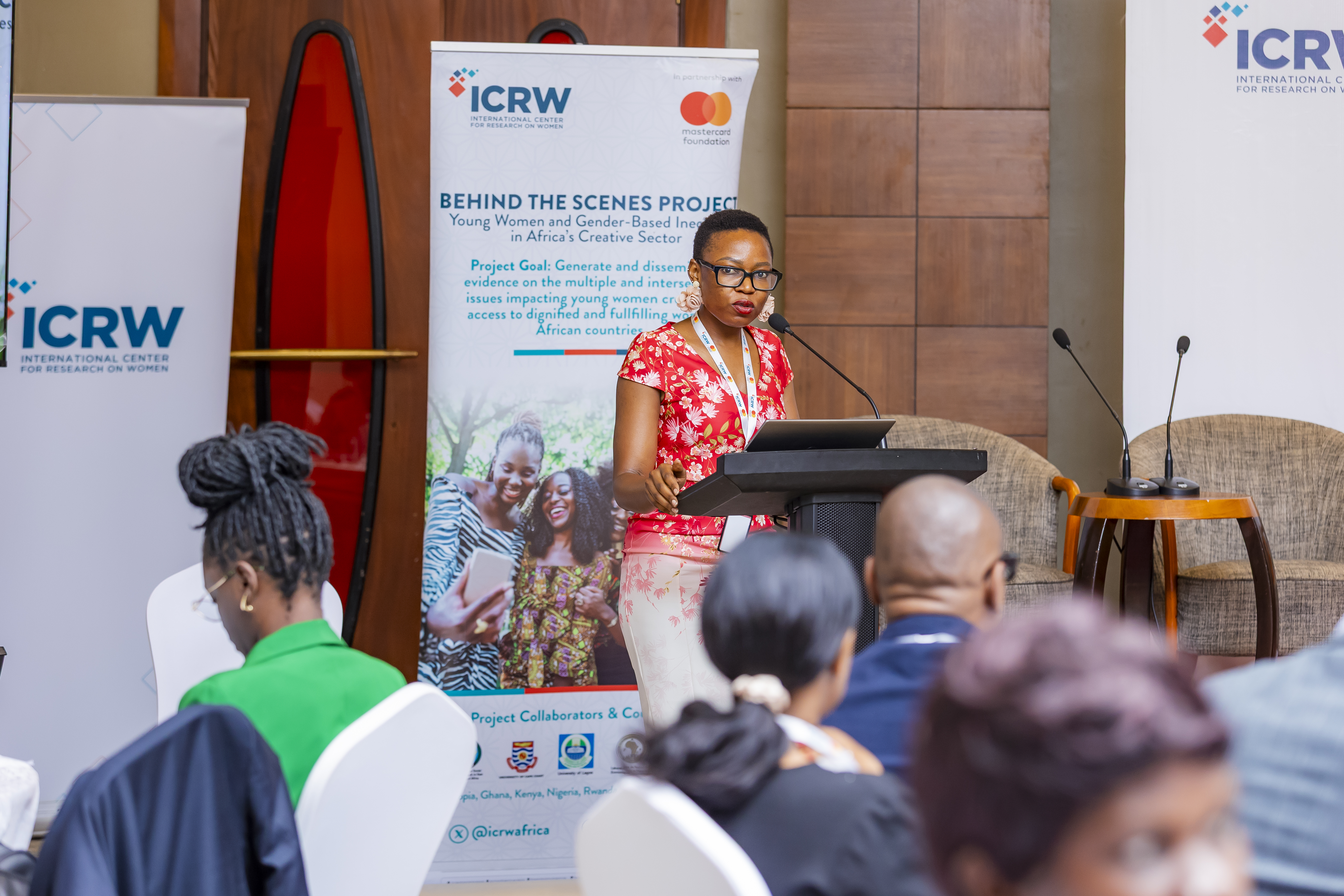
Suubi said the study, which combined quantitative surveys with qualitative storytelling, identified workplace harassment, gender pay gaps, limited leadership opportunities and inadequate support for maternal and domestic responsibilities as some of the major challenges facing women creatives.
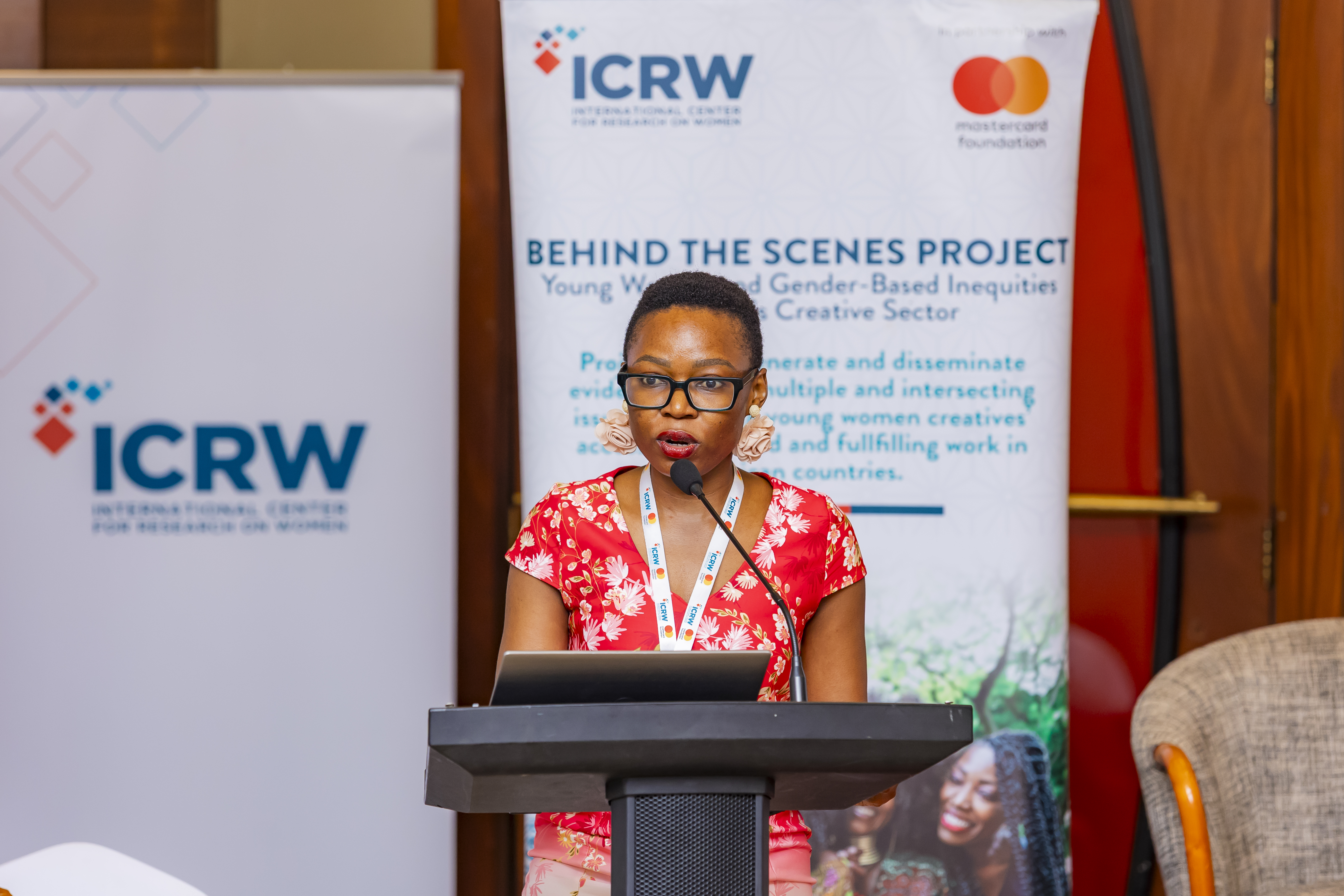
According to Kirabo Suubi, a research scientist at the International Centre for Research on Women (ICRW) and team lead for the Behind the Scenes study, the research provides a comprehensive analysis of the gender-based inequalities affecting young women in Uganda’s growing creative sector.
Suubi said the study, which combined quantitative surveys with qualitative storytelling, identified workplace harassment, gender pay gaps, limited leadership opportunities and inadequate support for maternal and domestic responsibilities as some of the major challenges facing women creatives.
She said although many women find fulfilment in their creative work, the sector remains largely male-dominated, with limited legal protections and institutional support hindering women’s career progression.
The findings, she said, provide a basis for stakeholders to take action through stronger legal and policy frameworks, safer workplaces and greater inclusion of women with disabilities.
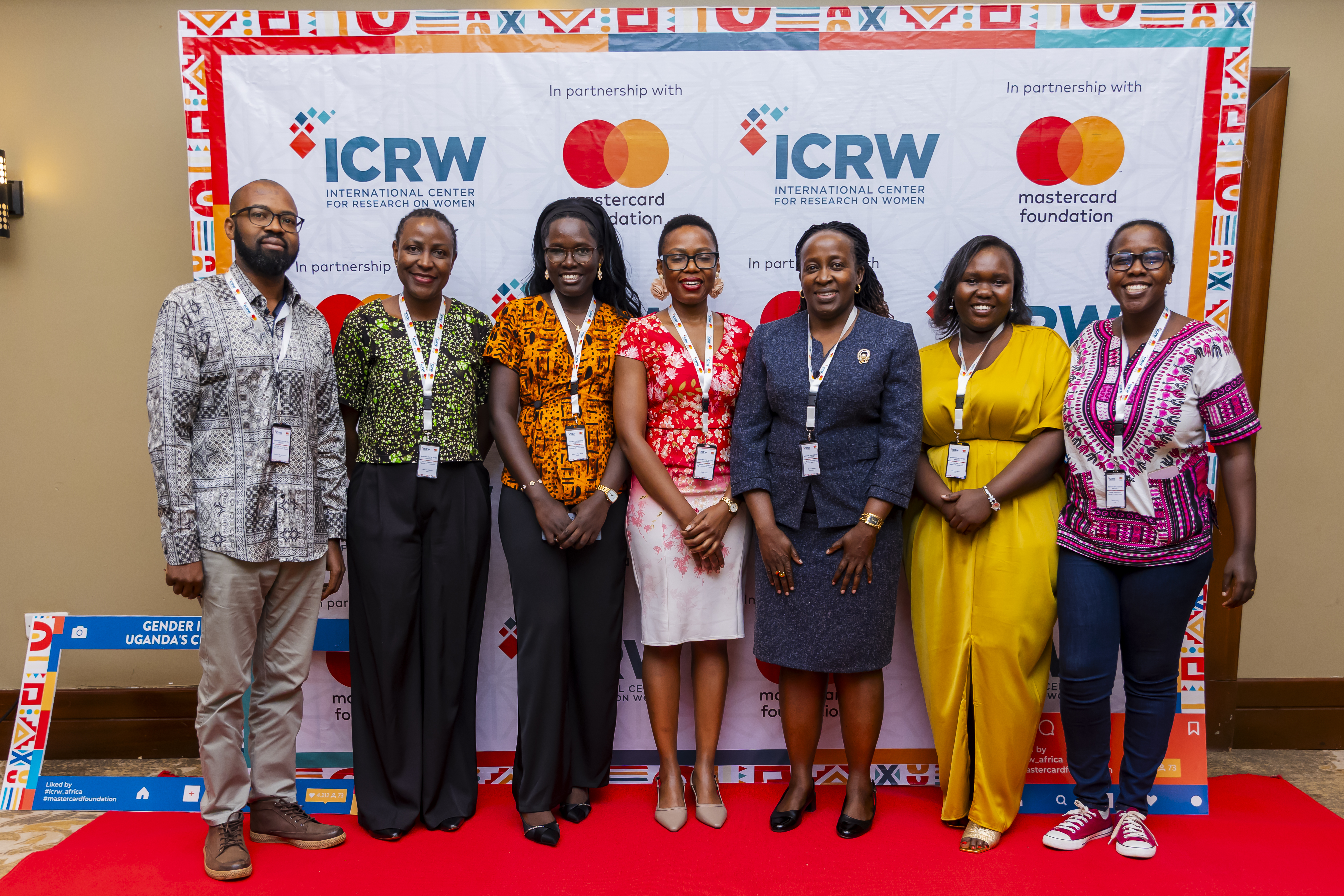
Suubi said the ultimate goal was to ensure that women could participate in Uganda’s creative economy with safety, dignity and equal opportunities.
The study comes at a time when Uganda's creative sector is growing as a source of employment, enterprise and cultural expression.
The research notes that young people aged 18 to 35 make up 48.7% of the creative sector, while women account for 55.8%.
Researchers argue that the sector cannot realise its full economic potential if women continue to face barriers linked to gender.
The study recommends stronger legal and institutional protections, fair and transparent pay, written contracts, safer reporting mechanisms, pregnancy and childcare protections, leadership opportunities for women and better inclusion of women living with disabilities.
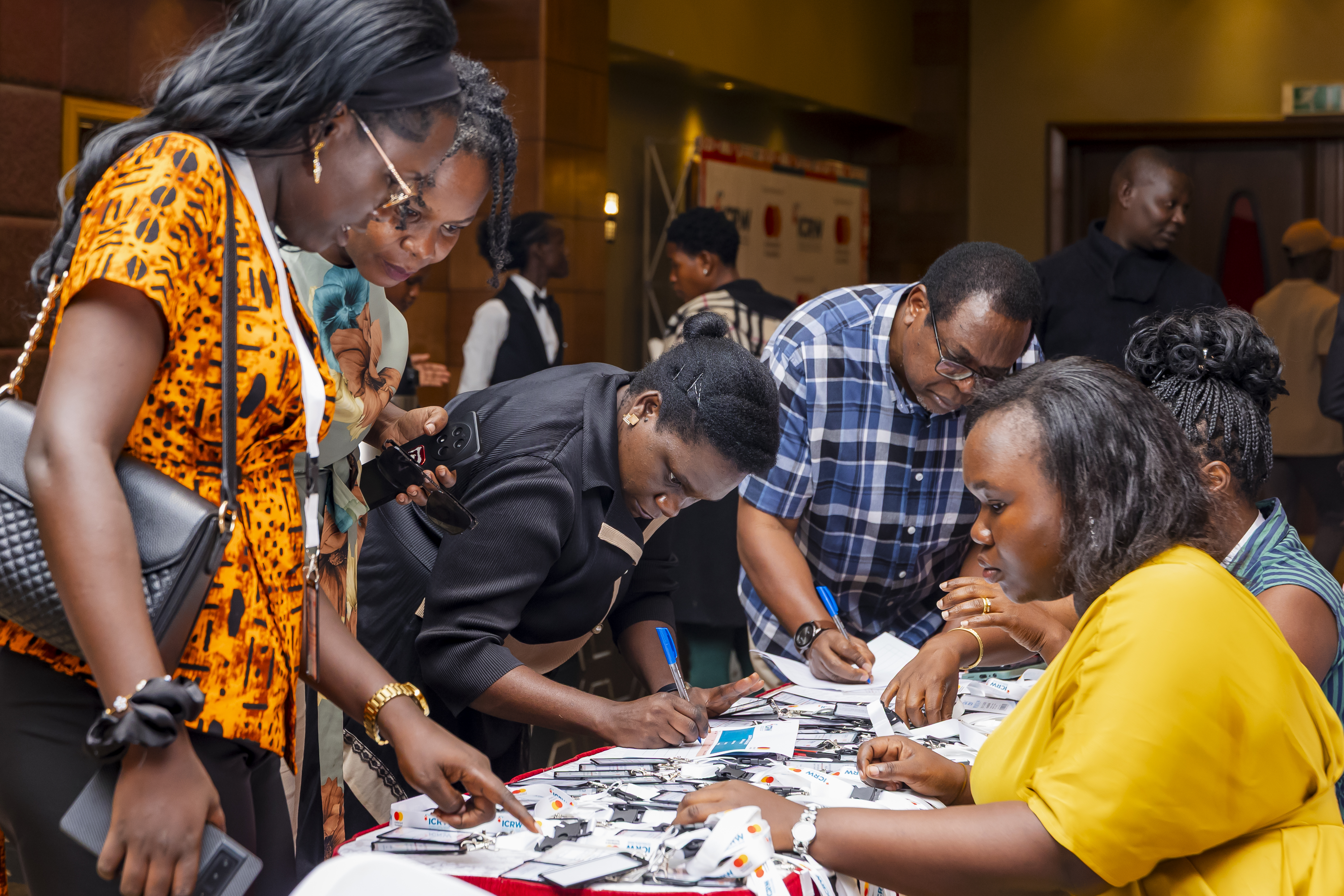
For the stakeholders gathered at the Sheraton, the challenge now is to turn the evidence into action.
As Aredo put it: “What changes are needed? Who must lead those changes? And how can we work together to ensure that the recommendations emerging from this study become a reality?”
The researchers say Uganda's creative economy must not only create opportunities for women to enter the sector, but also ensure they can work, lead and thrive with dignity, safety and equal opportunity.
The research findings were further reflected in a panel discussion where creatives shared first-hand experiences of working in Uganda’s creative industry.
Musician Cinderella Sanyu, popularly known as Cindy Sanyu, said women continue to work in an industry where patriarchal systems make it difficult for them to advance.
“The society that we are in is still matriarchal, but the systems are all patriarchal, so it becomes hard for women to manoeuvre through,” Sanyu said.
She said some barriers are not written down but become clear once women enter the industry.
“There are lines which you don’t see, which are blurred, but they are there. When you get into the industry, you realise that women are expected to stop here and are not expected to go further than that,” she said.
Sanyu urged women to build confidence and challenge limitations placed on them.
“You do not have to stop where men tell you to stop. You can go higher than that,” she said.
She said the Uganda Musicians Association was encouraging women to develop confidence and pursue leadership positions.
“In this industry, no man will simply step aside for you. No one will hand you a position. You have to prove yourself strong enough to take that seat. Once you do, others will have to make space for you,” Sanyu said.
Hon. Rachael Magoola, an artist and former Member of Parliament, said cultural attitudes continue to influence women's experiences in the creative industry.
“A lot of what happens in the creative industry is influenced by cultural mentality, where women are still expected to belong in the kitchen. Women need to stand up tall and believe in themselves,” Magoola said.
She identified inadequate infrastructure as a major challenge, particularly for mothers.
“There should be family-friendly spaces in creative workplaces where mothers can bring their babies and have a safe place for them while they work,” she said.
Magoola said motherhood should not be viewed as a disruption to a woman's career.
“Creative women are also mothers, and having a child should not be seen as a disruption or a reason to stop their careers,” she said.
Afrie Nassanga, head of the Kalaverse initiative, which empowers women to tell their stories through film and music, said many of the challenges facing women were rooted in systems that fail to support them.
She said structural changes were needed to create safer workplaces and enable women to participate fully in the creative economy.
Nassanga said Kalaverse had turned the ICRW research into a film to bring the experiences behind the statistics to a wider audience.
“We have turned this research into film to tell the real stories of what people are facing in the creative industry,” she said.
She urged the public and creative industry stakeholders to watch the film and engage with the experiences of women creatives.
Doreen Sandra Kauma, who spoke about disability rights in the creative sector, said people with disabilities remained largely excluded despite increased calls for inclusion.
She said some organisations talk about disability inclusion in their programmes, but fail to implement it.
“Most times you see organisations talking about inclusivity of people with disabilities in their programmes, but in actual sense it stops on paper. When it comes to implementation, we are actually excluded,” Kauma said.
She called on Government and organisations to move beyond policies and ensure people with disabilities are included in actual programmes, workplaces and opportunities.
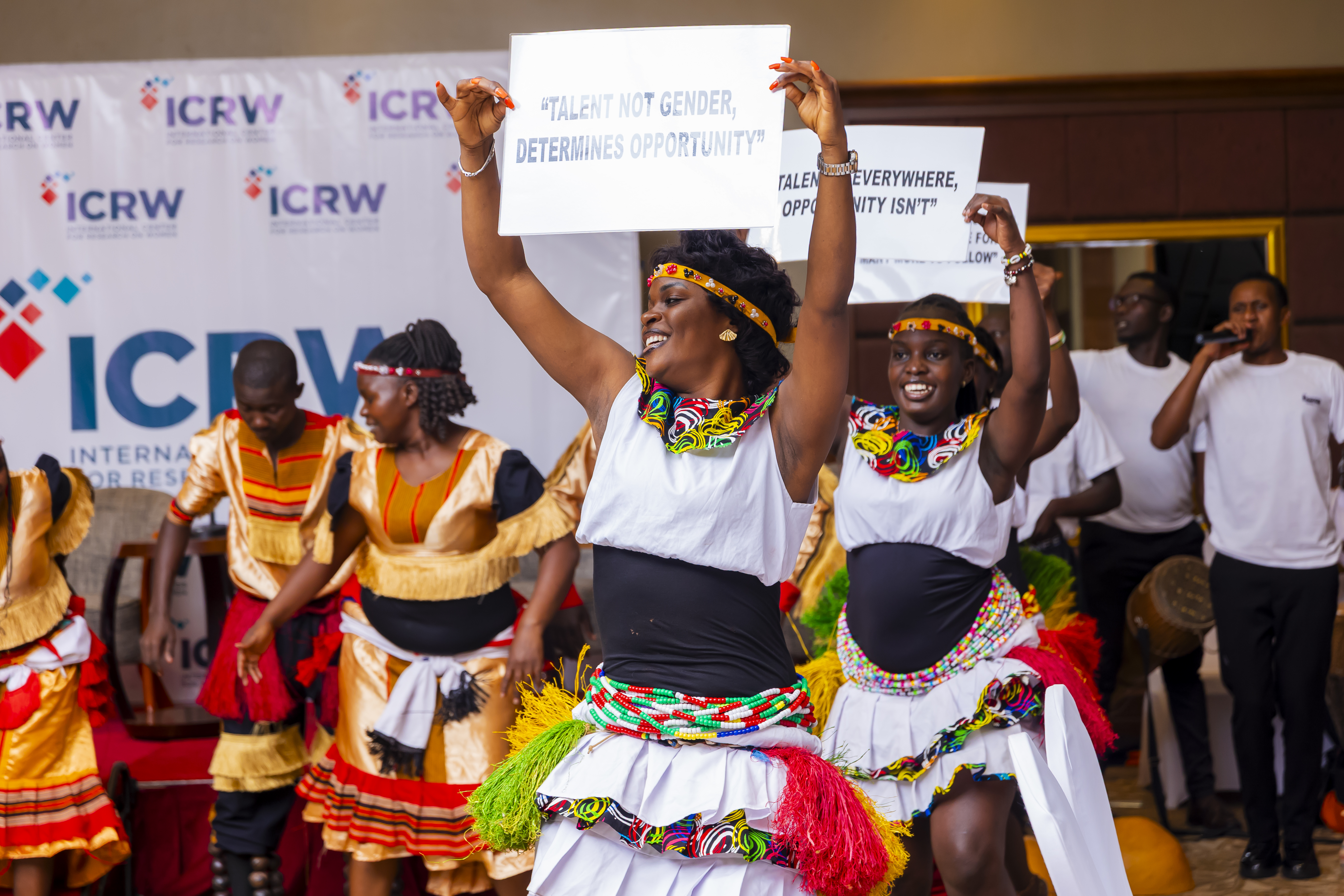
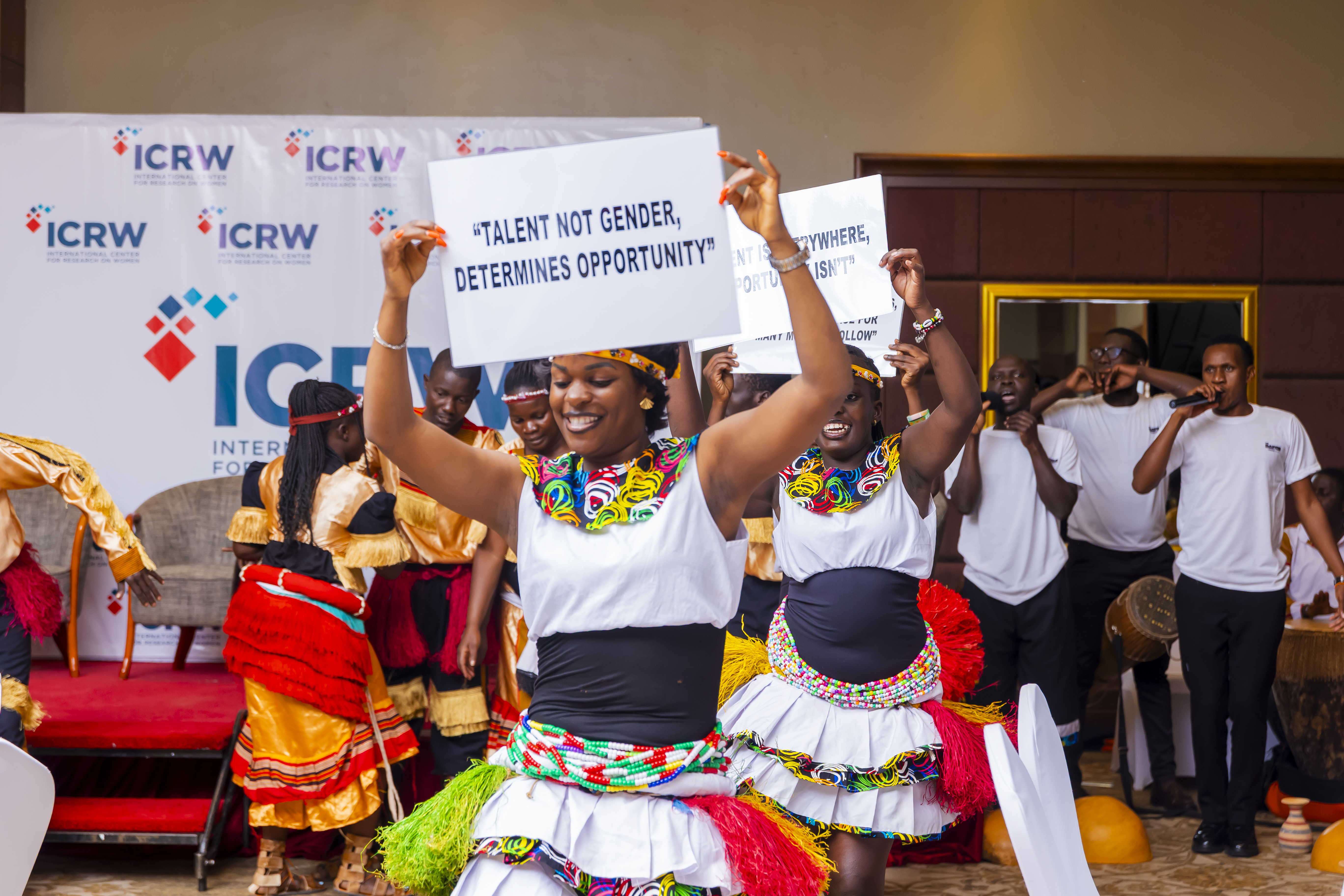
The dissemination meeting also showcased Uganda’s creative talent, with cultural performances from Dance N’ Beats entertaining the audience with a series of traditional dances.
Young performers Ann Makula and Vania Lagumu opened the event with guitar and piano performances, setting the tone for the meeting.
Award-winning spoken-word poet Dr Irene Mutuuzo, a Makerere University lecturer and AI ethics researcher, also presented a spoken-word performance highlighting some of the challenges women face.
The performances provided a fitting reminder of the talent within Uganda’s creative economy and the need to create an environment where young women can safely build and sustain their careers.
The research team said Uganda’s creative economy must not only create opportunities for women to enter the sector, but also ensure they can work, lead and thrive with dignity, safety and equal opportunity.