
Sh16.8b programme targets 830,000 GBV survivors in northern Uganda
Dr Katja Kerschbaumer, Austria's Head of Development Cooperation said violence against women and girls remained a major concern in the three sub-regions.
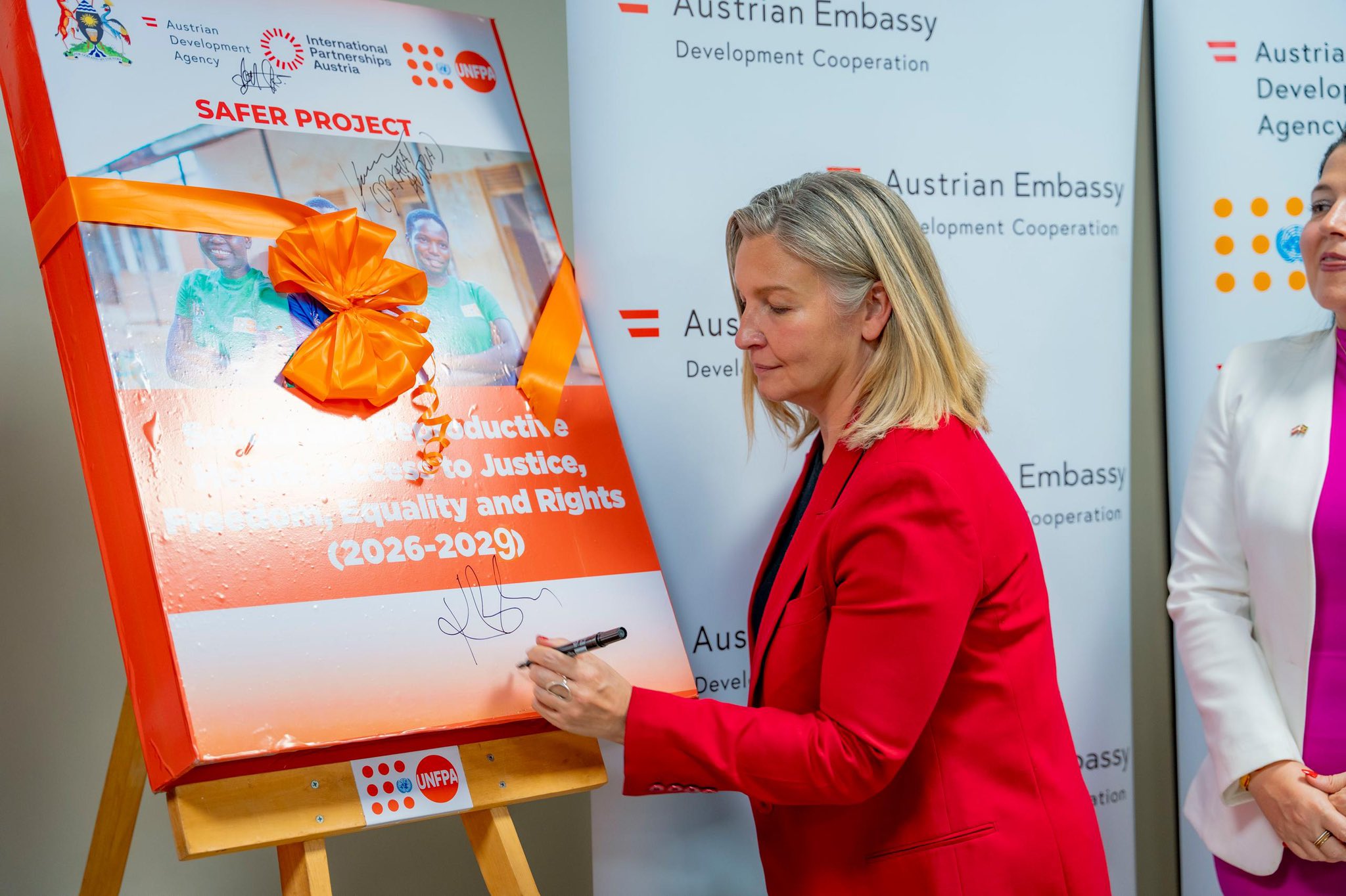
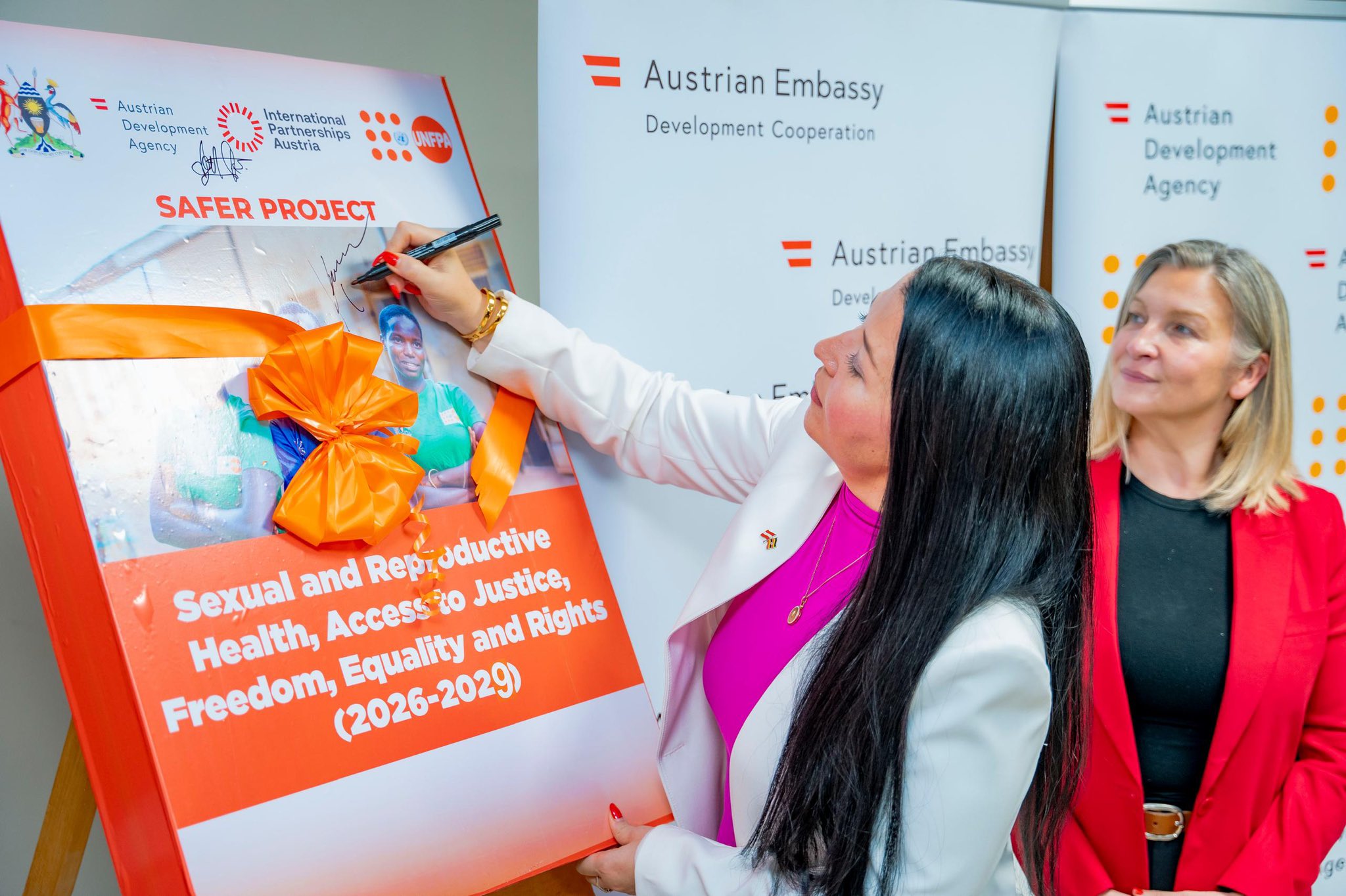
The partnership was formalised on Friday, October 23, 2026, at the Judiciary's JLOS Towers in Naguru, Kampala, with the Government of Uganda, Austria and UNFPA committing to strengthen services for survivors of gender-based violence.
A new sh16.8b (€3.42 million) programme targeting gender-based violence (GBV) is expected to reach 830,000 women and girls in northern Uganda, with interventions aimed at improving access to justice, healthcare and protection services for survivors.
The Sexual and Reproductive Health, Access to Justice, Freedom, Equality and Rights (SAFER) programme will focus on the Karamoja, Acholi and Lango regions, where many women and girls continue to experience violence, early marriage and other harmful practices.
The programme is supported by the Government of Austria, which has committed euros 3.2m (about sh15.7b), while the United Nations Population Fund (UNFPA) is contributing euros 220,000 (about sh1b).
The partnership was formalised on Friday, October 23, 2026, at the Judiciary's JLOS Towers in Naguru, Kampala, with the Government of Uganda, Austria and UNFPA committing to strengthen services for survivors of gender-based violence.
Dr Katja Kerschbaumer, Austria's Head of Development Cooperation said violence against women and girls remained a major concern in the three sub-regions.
She cited figures showing that 69.2% of women in Karamoja had experienced spousal violence in their lifetime, compared with 61.3% in Acholi and 48.6% in Lango.
Kerschbaumer also said only 28% of health facilities in Karamoja were equipped to provide comprehensive clinical management of rape, highlighting gaps in the medical support available to survivors.
She said gender-based violence extends beyond physical assault to include psychological, economic and technology-facilitated abuse, all of which can undermine women's safety, independence and participation in society.
The SAFER programme will strengthen coordination between the justice system, health facilities and community structures to help survivors obtain legal assistance, medical treatment and psychosocial support.
She said the program will also address harmful practices, including female genital mutilation and child marriage, while strengthening the capacity of government institutions to respond to cases of gender-based violence.
UNFPA Uganda Representative Kristine Blokhus said the new phase would build on the achievements of previous phases, including support for the handling of gender-based violence cases by the courts.
According to Blokhus, support for special court sessions under the previous phase contributed to the disposal of 785 gender-based violence cases.
She said lessons from the sessions informed the judiciary's development of a broader fast-track approach to handling such cases under the Justice for Her programme.
She said the new phase would focus not only on delivering services but also on ensuring that survivor-centred approaches become part of government systems.
“The task before us now is very clear. We move from commitment to implementation and from policy to survivor-centred institutional practice,” Blokhus said.
Robert Kasande, the Permanent Secretary in the Ministry of Justice and Constitutional Affairs, who represented Justice Minister Norbert Mao reaffirmed the government's commitment to working with Austria, UNFPA and other partners to improve access to justice and protect vulnerable groups.
“We are committed to ensuring that the project translates into meaningful and measurable results, including improved access to justice, stronger protection of rights, greater awareness of legal entitlements and more responsive institutions,” Kasande said.
Kasande said the government would work to ensure that the programme delivered measurable improvements, including stronger institutional coordination, greater awareness of legal rights and more responsive justice services.
The initiative comes amid growing recognition that survivors need more than legal remedies to recover from violence. Access to timely medical care, psychosocial support and safe reporting mechanisms is also critical to protecting their dignity and helping them rebuild their lives.