
School reopening: Govt moves to improve children’s safety on roads
On Saturday (September 12), the partners launched a road safety campaign in Naguru, Kampala, where they painted a pedestrian lane to provide pupils with a clearly marked crossing point.
Partners launched a road safety campaign in Naguru, Kampala, where they painted a pedestrian lane to provide pupils with a clearly marked crossing point. (Courtesy photo)
_________________
As schools reopen this week for the third and final term of 2026, the Intelligent Transport Monitoring System (ITMS), Kampala Capital City Authority (KCCA), Uganda Police Force, and the Ministry of Works and Transport have stepped up efforts to make roads around schools safer for children.
On Saturday (September 12), the partners launched a road safety campaign in Naguru, Kampala, where they painted a pedestrian lane to provide pupils with a clearly marked crossing point.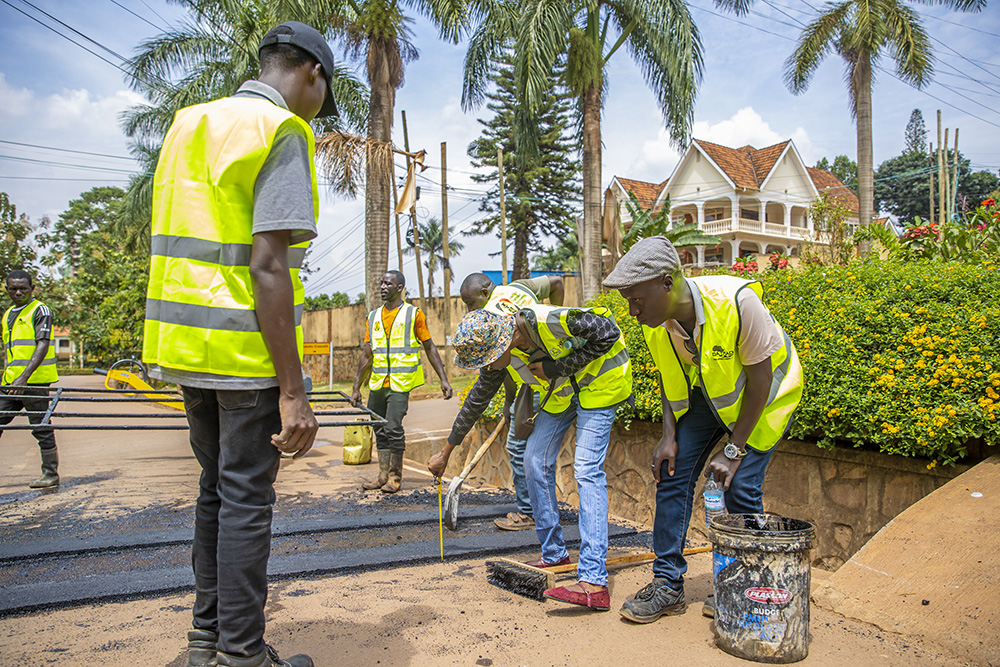
Partners launched a road safety campaign in Naguru, Kampala, where they painted a pedestrian lane to provide pupils with a clearly marked crossing point. (Courtesy photo)
The initiative, held under the theme “Safer Kids, Safer Roads, Safer Journeys,” is aimed at protecting children travelling to and from school and encouraging motorists to slow down and give priority to pedestrians around schools.
Rising road deaths
The intervention comes against a backdrop of rising road crashes and deaths in Uganda.
According to the Uganda Police Force Annual Crime Report 2025, road crashes claimed 5,383 lives in 2025, up from 5,144 deaths recorded in 2024, representing a 4.7% increase. Serious injuries also increased from 17,013 in 2024 to 18,444 in 2025.
In Kampala alone, about 407 people died in road crashes in 2025, according to KCCA road safety statistics.
The figures have heightened calls for stronger enforcement, safer road infrastructure, public awareness and responsible behaviour among all road users.
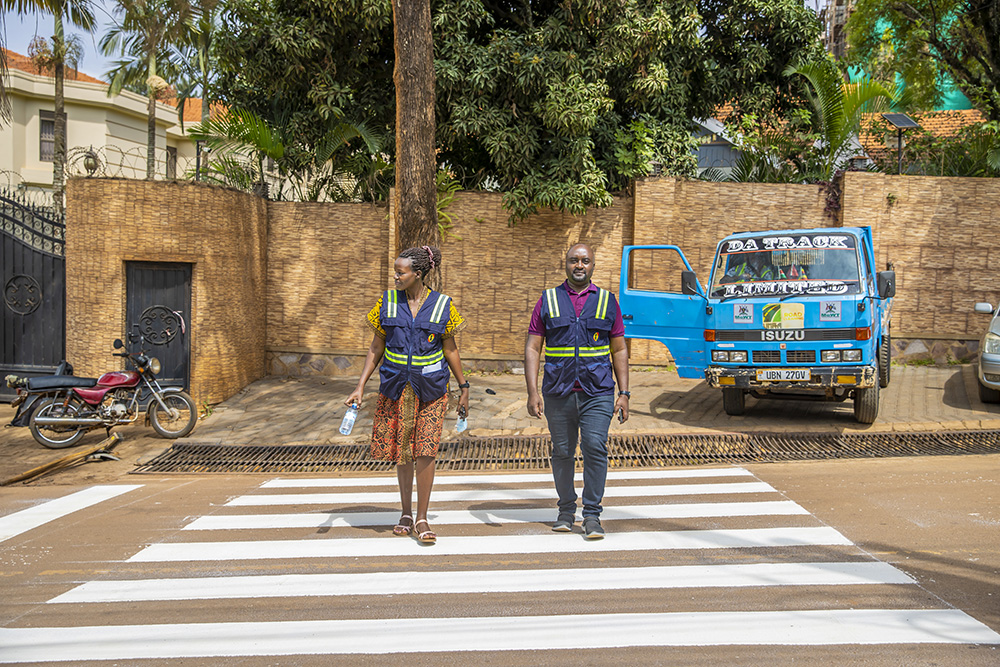
Partners launched a road safety campaign in Naguru, Kampala, where they painted a pedestrian lane to provide pupils with a clearly marked crossing point. (Courtesy photo)
ITMS public relations manager Steven Turyarugayo said road safety requires concerted efforts from government agencies, communities and other stakeholders.
“We are proud to work alongside government and community partners because safer roads require collective responsibility. Road signage and marking, complemented by Express Penalty System (EPS) technology, must translate into practical interventions that make everyday journeys safer,” he said.
School zone speed limit
The campaign also comes as the proposed law on the Express Penalty System is expected to introduce a 30km-per-hour speed limit around school zones, subject to government approval.
Police, through the Directorate of Traffic and Road Safety, also urged motorists to exercise greater caution as schools reopen and children return to roads in large numbers.
Traffic Police spokesperson Michael Kananura said children were particularly vulnerable because they may not accurately judge the speed or distance of approaching vehicles.
Kananura urged motorists to slow down near schools, remain alert and respect pedestrian crossings.
KCCA expands pedestrian infrastructure
KCCA road safety coordinator Jemima Nalumansi said the authority had identified pedestrian infrastructure, including walkways and marked crossings, as an important intervention in addressing road safety challenges in Kampala.
“Providing and maintaining visible pedestrian crossings, walkways and other road safety infrastructure is critical to protecting vulnerable road users,” she said.
Nalumansi welcomed the partnership, saying safer roads require the involvement of government institutions, communities, schools, parents, motorists and development partners.
Schools prepare for increased traffic
The partners also used the campaign to remind motorists that school reopening brings increased movement of children and other vulnerable road users, particularly during morning and afternoon peak hours.
Barbra Nalweyiso, an administrator at Peekaboo Pre-primary school, thanked ITMS for identifying their school for the road safety intervention.
“We welcome this initiative and now have the relief that our pupils are safer from motorists who do not slow down or give way to pedestrians,” she said.
Nalweyiso said painting the pedestrian lane was more than a road-marking exercise, describing it as a visible reminder that children deserve safer spaces to walk, learn and grow.