
NGO Bureau to automate registration and service delivery processes
Okello said improved documentation of NGO activities would help government institutions and other stakeholders better understand the organisations' contributions, including the communities they serve and the resources they mobilise.
Dr Stephen Okello, the secretary of the National Bureau for NGOs, speaking during the NGO Risk, Compliance and Resilience Conference 2026 at Kabira Country Club in Kampala on October 23, 2026. (Photo source: X/@NGObureau)
The National Bureau for NGOs is preparing to automate its registration and service delivery processes to enable non-governmental organisations (NGOs) to submit documents, make payments and access services online.
It is a move aimed at reducing administrative burdens and improving regulatory efficiency.
Dr Stephen Okello, the secretary of the Bureau under the Ministry of Internal Affairs, said the Government had allocated resources for the long-awaited automation initiative, with online registration expected to become available by the end of the current financial year.
He revealed this on Friday (October 23) during the NGO Risk, Compliance and Resilience Conference 2026 at Kabira Country Club in Kampala.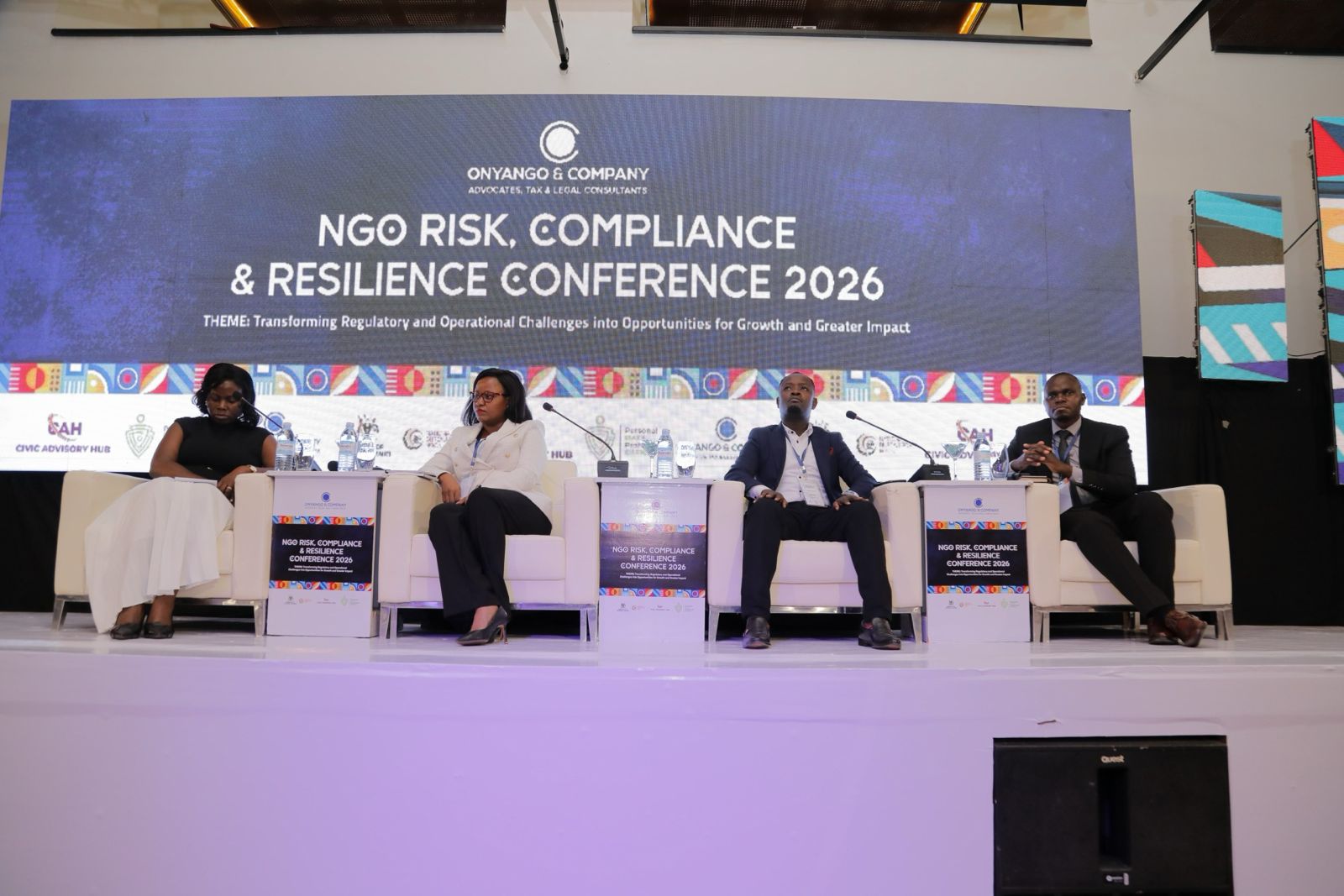
Panelists during the NGO Risk, Compliance and Resilience Conference 2026 at Kabira Country Club in Kampala on October 23, 2026. (Photo source: X/@NGObureau)
The inaugural conference was organised by Civic Advisory Hub in partnership with the Ministry of Internal Affairs, the National Bureau for NGOs and the Personal Data Protection Office (PDPO), among other partners.
The automation initiative is intended to enable organisations to conduct routine transactions remotely, although physical visits to the Bureau might still be necessary for services requiring in-person engagement.
The initiative comes amid growing demands for improved efficiency and coordination in the regulation of Uganda's civil society sector, whose organisations operate across areas including health, education, human rights, agriculture, environmental conservation and community development.
National report
Okello also revealed that the Bureau is spearheading the development of a State of NGOs Report to document the sector's contribution to Uganda's socio-economic development.
The report will consolidate information on NGO funding, beneficiaries, areas of intervention, and other indicators to provide a clearer picture of the sector's activities and contribution to national development.
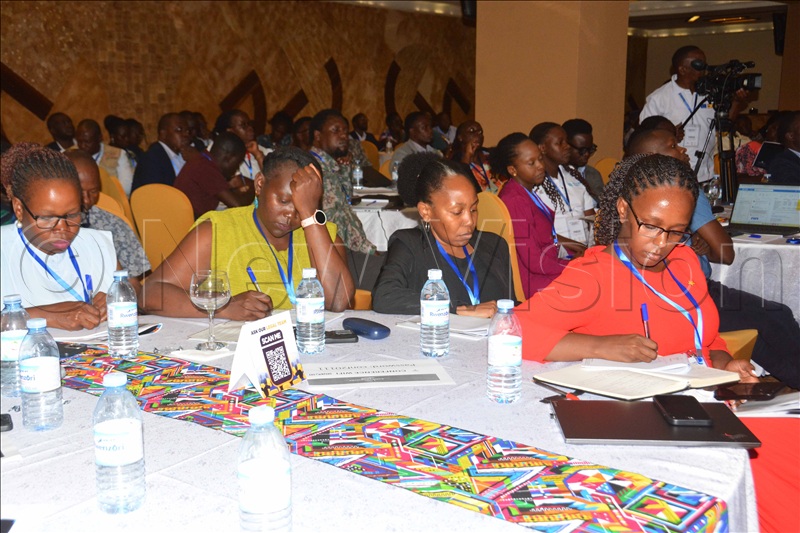
A cross-section of participants during Friday's conference. (Photo credit: Francis Emorut)
It will be presented to Cabinet by the internal affairs minister and subsequently shared with Parliament.
He also urged NGO leaders to strengthen accountability by understanding and adhering to their organisations' governing documents, warning that many concentrate on obtaining registration certificates and operating permits without adequately understanding the rules governing their institutions.
Community organisations
The Bureau is also verifying and validating the operations of community-based organisations (CBOs), which are said to outnumber NGOs.
CBOs had often operated under different approaches across districts, creating a need to harmonise and streamline their operations.
The verification exercise is intended to improve consistency in the way CBOs operate and engage with the relevant authorities.
The Ministry of Internal Affairs is preparing to launch an inter-agency platform to improve coordination among government institutions handling NGO-related matters. The platform is expected to strengthen information sharing and cooperation among agencies.
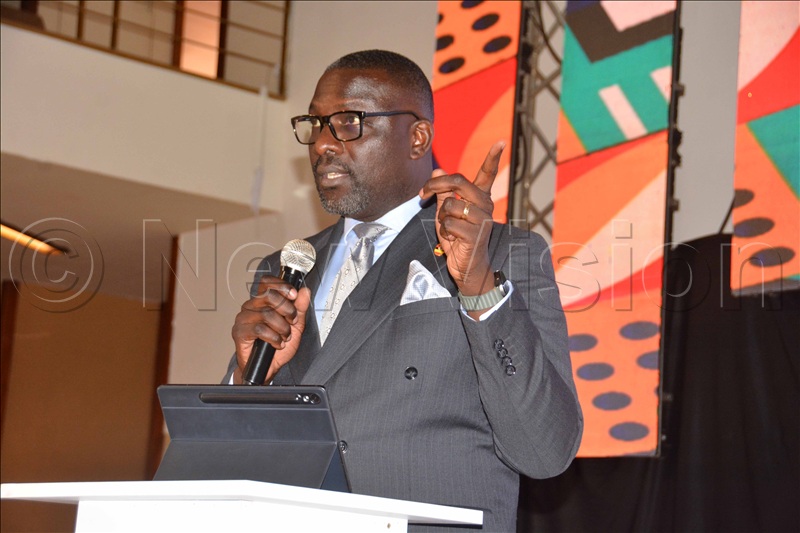
Industrial Court judge Justice Anthony Wabwire Musana urged NGOs and employers to follow the law when handling disciplinary matters and dismissals. (Photo credit: Francis Emorut)
Dismissal procedures
During the conference, Industrial Court judge Justice Anthony Wabwire Musana urged NGOs and employers to review their human resource manuals and follow the law when handling disciplinary matters and dismissing employees.
Musana said courts consider both procedural fairness, which examines whether an employer followed the required process, and substantive fairness, which determines whether there was a justifiable reason for dismissal.
He explained that an employer could have evidence of misconduct but still lose a case by failing to follow disciplinary procedures, including the organisation's own internal rules.
Musana urged employers to issue written notices, give employees adequate time to respond and conduct properly constituted disciplinary hearings.
Tighten compliance
Friday's conference brought together government officials, NGO representatives, legal practitioners and compliance experts to discuss regulatory obligations, organisational resilience and ways of improving cooperation between civil society and government institutions.
Yona Wanjala, the executive director of Civic Advisory Hub, called for fair and transparent enforcement of regulations governing NGOs, warning that suspensions and regulatory uncertainty were disrupting civil society operations.
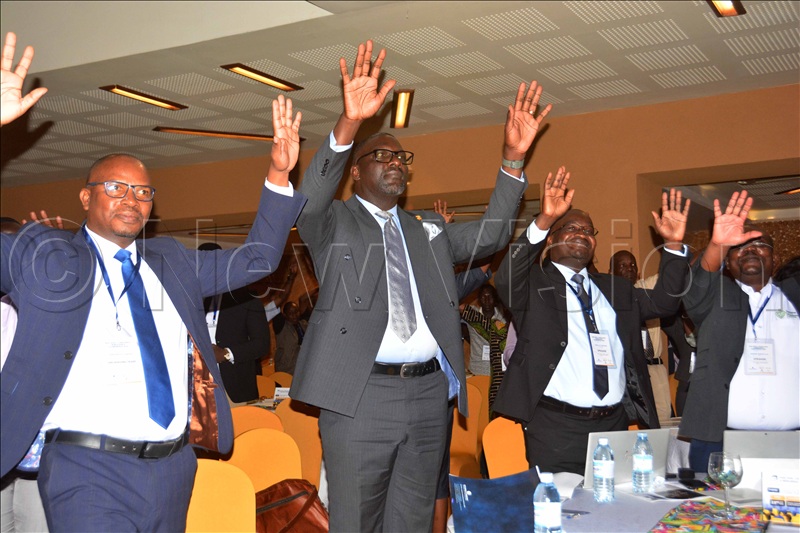
Participants take part in a health break. (Photo credit: Francis Emorut)
He said allegations relating to activities considered prejudicial to national security had created anxiety among organisations, calling for fairness in investigations and respect for due process.
Wanjala also highlighted declining donor support following the suspension of USAID funding and the departure of other development partners, including the Democratic Governance Facility.
He urged NGOs to explore income-generating activities and social enterprises to supplement donor funding and sustain their programmes
Annet Bada, the managing partner at Onyango and Co. Advocates, said Uganda's civil society sector had experienced significant changes in its regulatory obligations over the preceding 18 months
“Compliance is not the goal in itself, the goal is a sector that can keep doing its work, within the law and with confidence."
She cited employment law amendments, tax changes, evolving accounting requirements for grants and restricted funds, and enforcement of data protection legislation as areas requiring attention from NGO leaders.
Baker Birikujja, a legal compliance expert at the Personal Data Protection Office, reminded organisations that protecting personal information was a fundamental obligation.
“Privacy is a right, not a donor requirement. NGOs hold a lot of sensitive data."
Phionah Nabaggala, the manager of training and outreach at the Financial Intelligence Authority, said compliance was essential to protecting staff, safeguarding resources and maintaining public trust
Meanwhile, Osbert Asiimwe, a compliance expert at the National Social Security Fund (NSSF), warned NGOs against delaying workers' contributions, saying late remittances attract a 10% penalty on outstanding contributions.
He reminded employers to register all eligible workers and contribute 10% of employees' wages, alongside the 5% deducted from workers, bringing total monthly contributions to 15%.