
Nakut raises concern over poor implementation of laws on girls
“On the political spaces, policies and laws have, to a large extent, been made but we are struggling with implementation,” said Nakut, who is also the Woman MP for Napak District.
Uganda parliamentary Commissioner Faith Nakut speaking at a regional meeting on sustaining the girls’ agenda at Pullman Hotel in Nairobi, Kenya on October 26, 2026. (Courtesy photos)
________________
Parliament Commissioner Faith Nakut has raised concern over the poor implementation of laws and policies intended to protect girls, calling on regional governments to increase domestic funding and strengthen accountability to ensure that commitments translate into tangible results.
Speaking during a regional meeting on sustaining the girls’ agenda at Pullman Hotel in Nairobi, Kenya, on October 27, Nakut said countries had made progress in enacting policies but continue to struggle with implementation.
“On the political spaces, policies and laws have, to a large extent, been made but we are struggling with implementation,” said Nakut, who is also the Woman MP for Napak District.
The meeting was held under the theme “Sustaining the Girl’s Agenda: Building Systems, Partnerships and Investments for Lasting Impact.”
Nakut, who represented the Parliament of Uganda, cited Uganda’s menstrual health and hygiene policy, noting that it lacks a dedicated, traceable budget allocation, while public spending remains small and irregular, particularly for supplies.
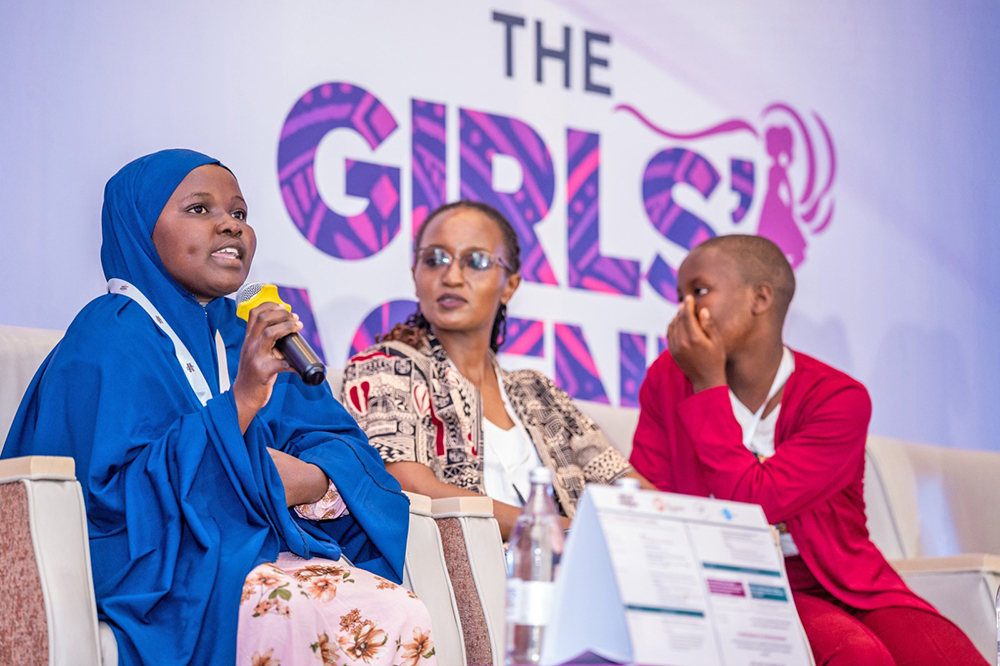
Participants at a regional meeting on sustaining the girls’ agenda at Pullman Hotel in Nairobi, Kenya on October 26, 2026
“Of course we acknowledge budget constraints of our governments in the region, but we can still do better,” she said, before urging regional governments to widen their tax bases and increase domestic revenue to finance recurrent expenditure.
Nakut warned that declining external assistance threatens the sustainability of menstrual health and hygiene programmes across the region, making it necessary for governments to take greater responsibility for funding interventions.
Nakut also called for stronger collaboration among ministries responsible for education, health and water, legislators, local governments, civil society organisations, and development partners to address the interconnected challenges affecting girls.
“The challenges affecting the girls in our present-day societies are multi-faceted and multi-sectoral in nature. They are interlocked, including economic challenges, access to education, access to health and privacy,” she said.
The legislator explained that poverty can expose girls to early marriages and pregnancies, leading to school dropout and perpetuating poverty across generations.
Nakut challenged fellow legislators to move beyond passing laws and expressing concern, saying they should also actively monitor government implementation of agreed interventions.
“For the legislature, it is necessary to have active and knowledge-equipped legislators, who will follow through recommendations of every committee report and trace them to the actions taken,” she said.
She urged Ugandan legislators to promote programme-based budgeting and participate in programme reviews to ensure that public resources deliver measurable results.