
Mwenda tours Dei Pharma, apologises to Museveni, plant owner Magoola
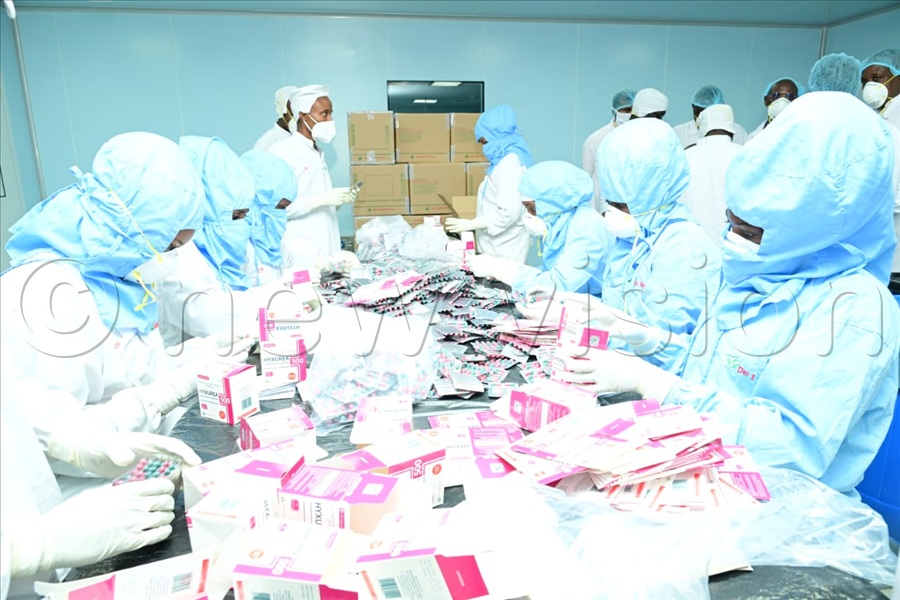
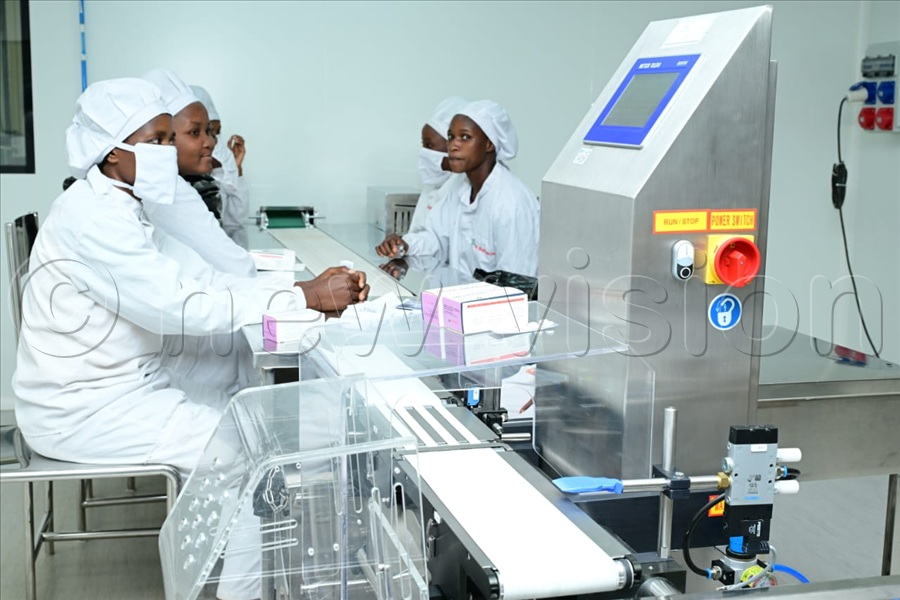
After touring the facility, Mwenda described what he saw as impressive and said the project had changed his perception. He said he would meet the President soon and give him a report of what he had seen; that is why he insisted on visiting every unit and kept on asking questions.
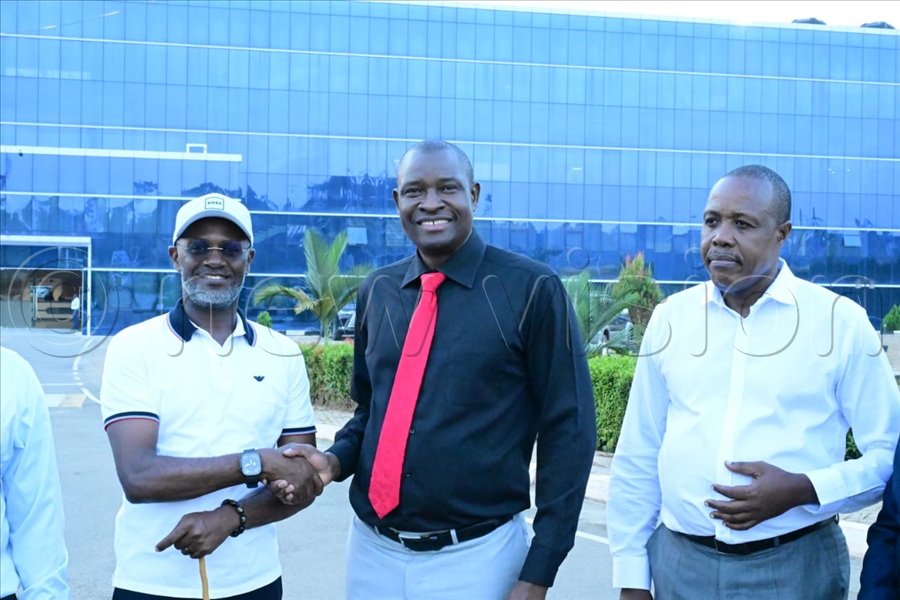
Mwenda also apologised to Magoola, saying he had failed to accord him natural justice by commenting on the mega project without first seeking his side of the story. (Credit: Eddie Ssejjoba)
WAKISO - Veteran scribe and political commentator, Andrew Mwenda, apologised to President Yoweri Museveni and Dei Pharma founder and executive director, Dr. Mathias Magoola, over his criticism of the Government’s decision to finance private enterprises.
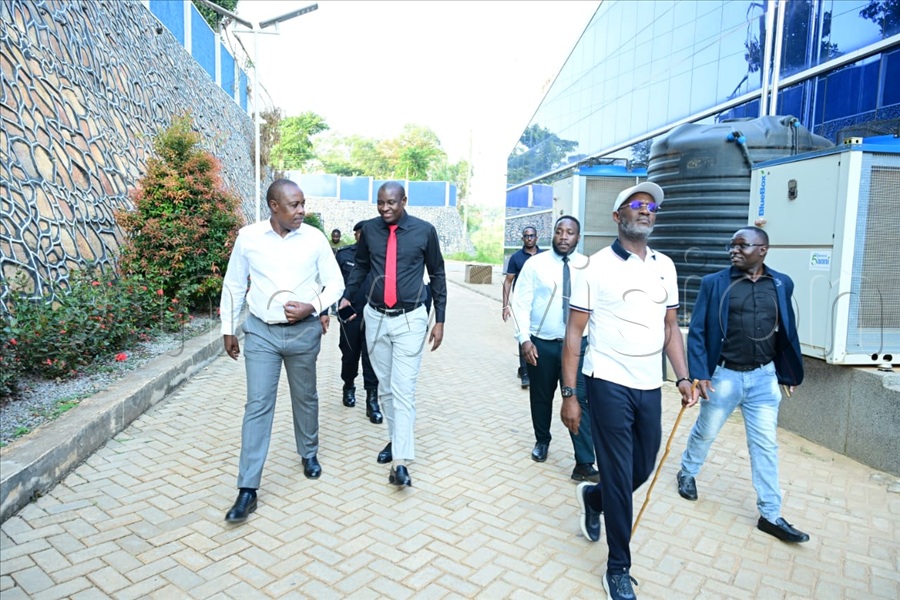
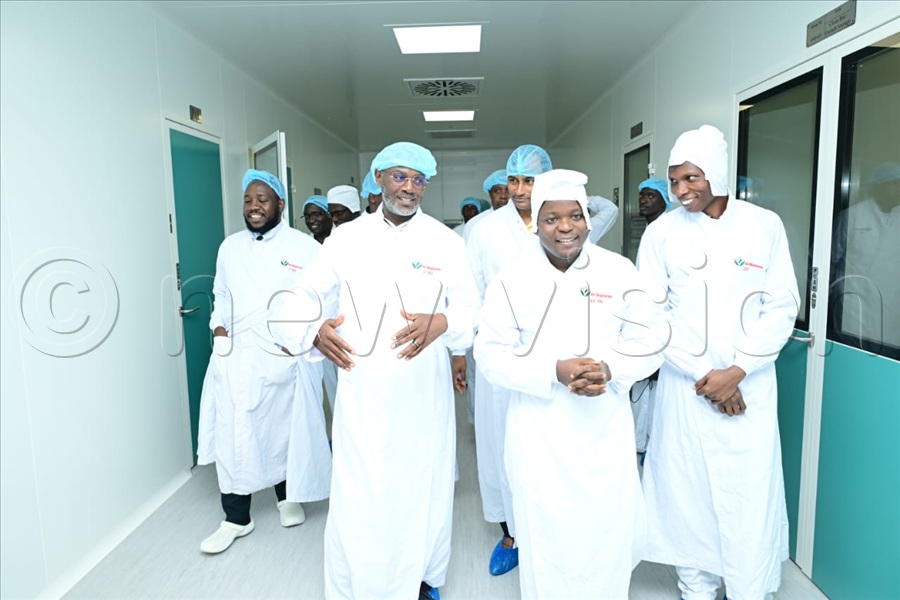
Mwenda made the apology on June 26, 2026, after spending six hours touring the Dei Pharma pharmaceutical and biotechnology complex in Kigoowa-Matugga in Wakiso district.
He admitted it was unfair and contrary to the principles of journalism to criticise the project before visiting the facility and verifying the facts.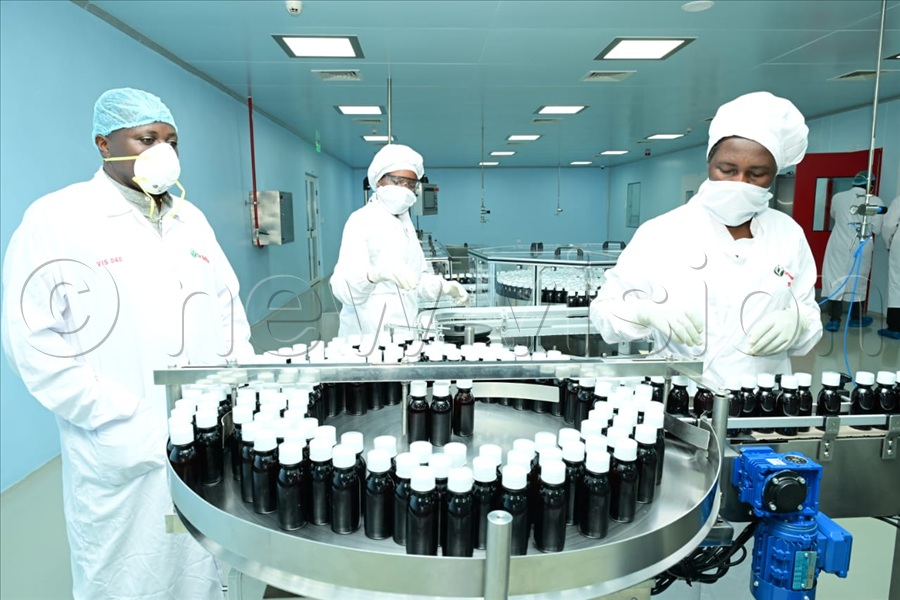
“I have talked to the staff, listened to Magoola’s explanations, and I am inclined to believe that investing in something like this can be very good for the country,” Mwenda said. (All Photos by Eddie Ssejjoba)
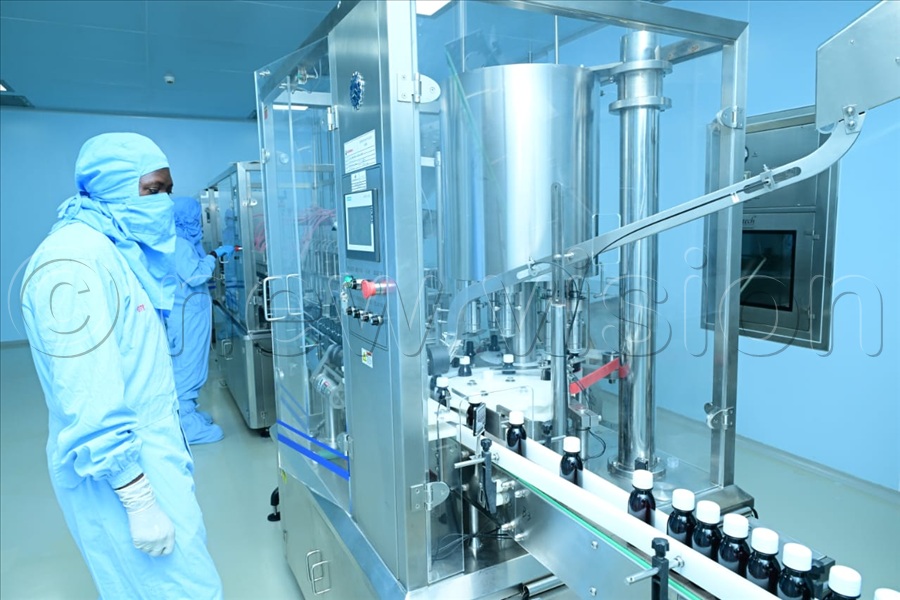
“So, Mr. Yoweri Museveni, I want to appreciate you, and I want you to know that your advice was taken seriously. I am now here at the facility, and I am happy that you are supporting a Ugandan to build such a big venture,” Mwenda said.
He also apologised to Magoola, saying he had failed to accord him natural justice by commenting on the mega project without first seeking his side of the story.
Mwenda repeated his apology three times during the tour. He arrived in time but had to wait for some time since Magoola was attending mass with the staff, which is often conducted at the site by a visiting priest.
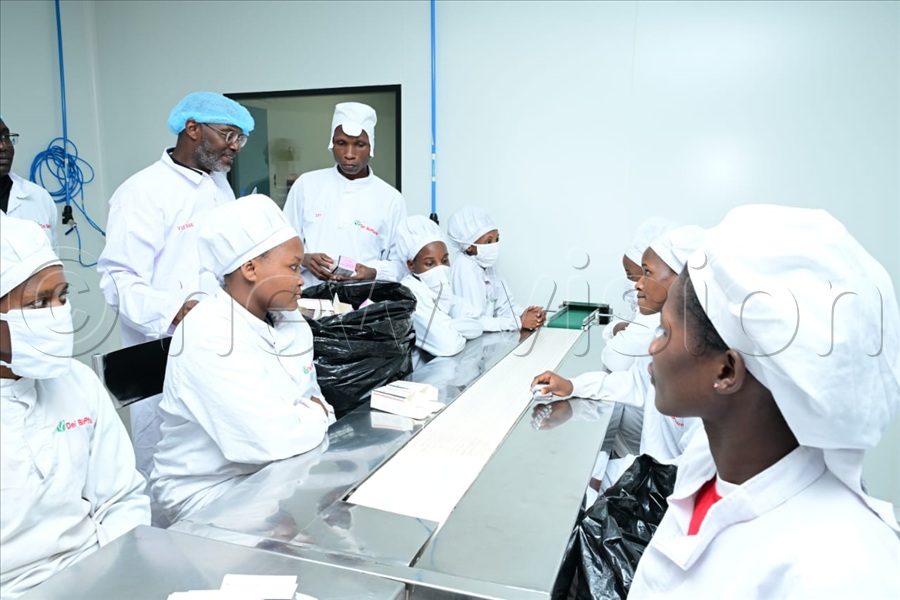
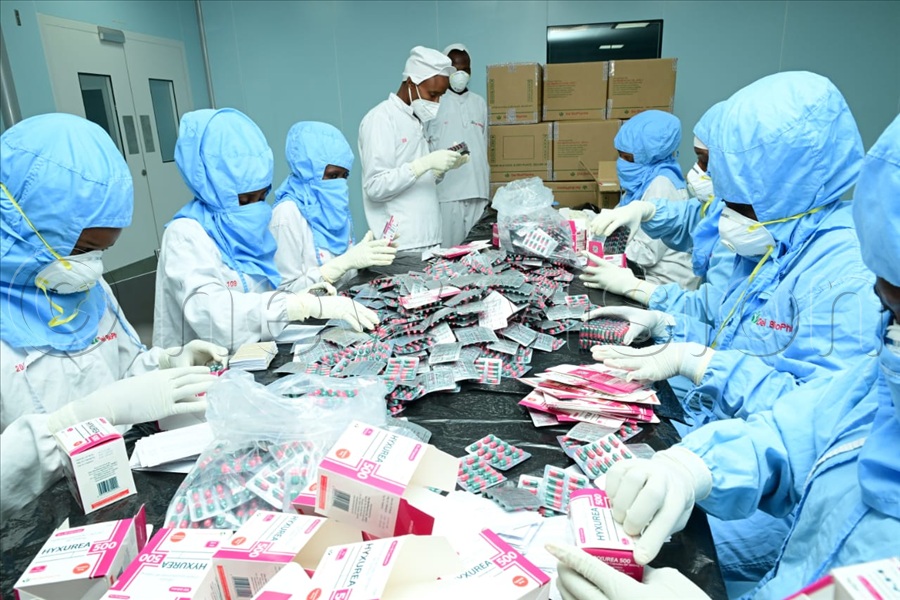
He was so excited when Magoola finally showed up, and when asked whether he would complete the tour, Mwenda said that he had the rest of the day dedicated to the task. Holding a support stick, he said, “Yes, I am prepared to complete the task; that is I put on sneakers”.
Mwenda’s apology followed a public exchange triggered by his criticism that some people were taking advantage of the President’s old age to influence him into committing billions of shillings to private companies, including Dei Pharma.
In a four-page statement dated May 23, 2026, President Museveni challenged Mwenda to visit the projects he had criticised before writing about them.
“You are supposed to be a journalist. Why do you not interview these ‘conmen’ such as Magoola and Senfuka? Visit Magoola’s factories in Matugga and Kamuli,” the President wrote, adding that journalists should establish facts before concluding.
Reflecting on the President’s response, Mwenda admitted he had fallen short of the professional standards he had upheld for more than three decades.
“I criticised the President because I thought people were manipulating him because of his age. But he reminded me that as a serious journalist, I should first visit these projects, talk to the people involved and establish the facts,” he said.
“That criticism touched me because I hold dearly the principles of journalism, which require us to be truthful, accurate, fair and balanced. I felt embarrassed that I was being reminded of my professional responsibilities by the President.”
Mwenda said he had promised the President he would visit Dei Pharma upon returning from China to assess whether the Government’s investment was justified.
After touring the facility, he described what he saw as impressive and said the project had changed his perception. He said he would meet the President soon and give him a report of what he had seen; that is why he insisted on visiting every unit and kept on asking questions.
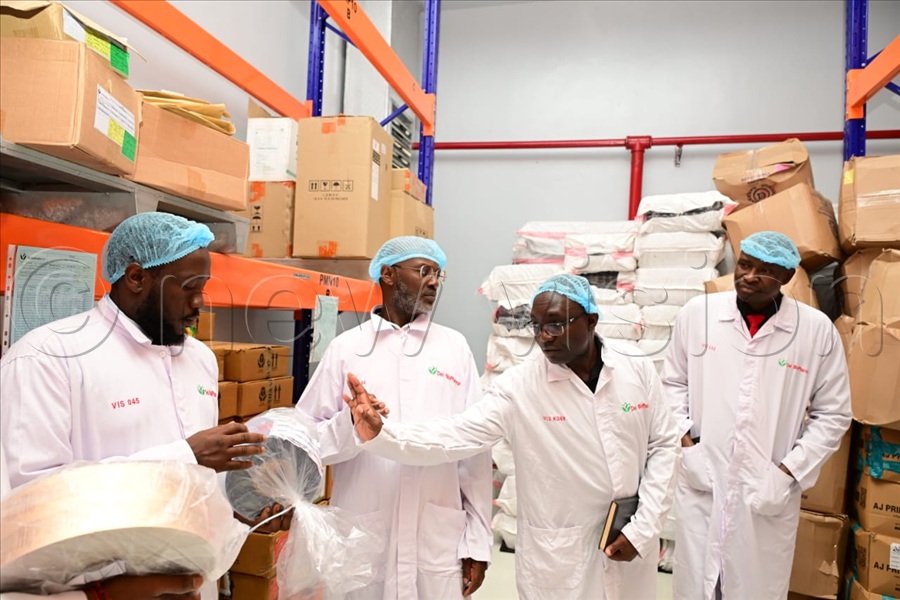
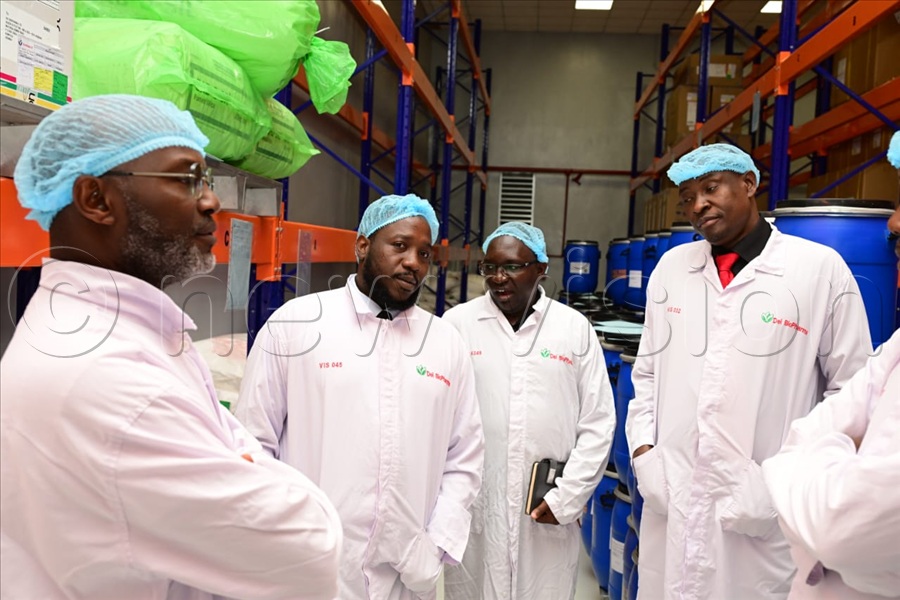
“I have talked to the staff, listened to Magoola’s explanations, and I am inclined to believe that investing in something like this can be very good for the country,” he said.
He added, “The plant is big, the machinery is amazing, but most importantly, his ideas are impressive. He spoke with passion and conviction, and I think he knows exactly what he is doing.”
Mwenda added that he now appreciates the importance of supporting indigenous enterprises capable of becoming national champions, saying projects such as Dei Pharma could transform Uganda’s economy.
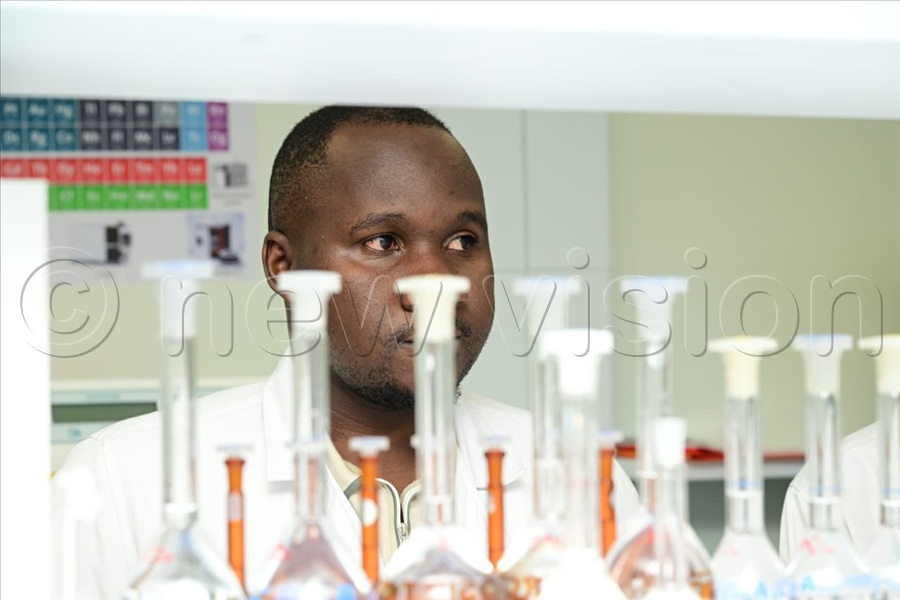
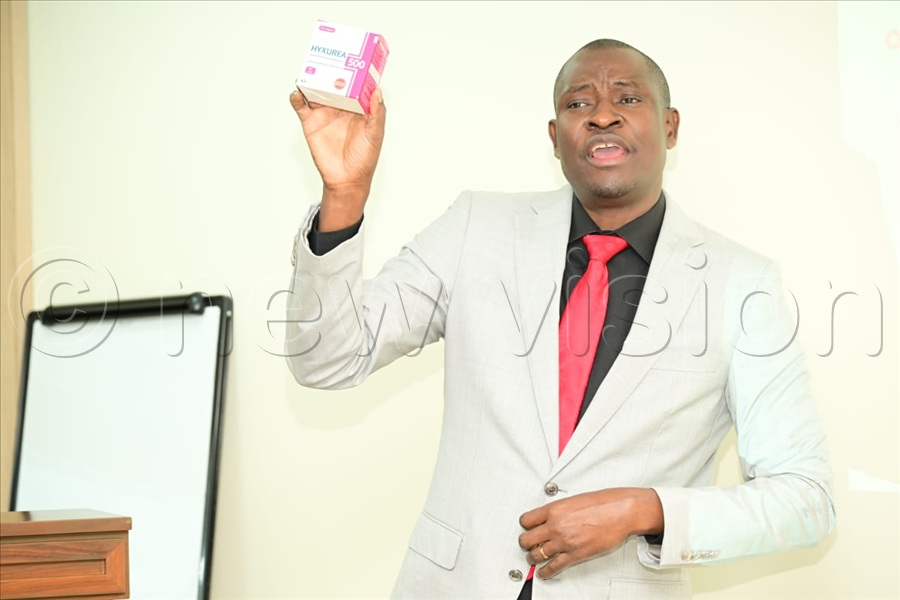
He said the heads of these agencies were all his personal friends and promised that he would talk to them.
At the end of his tour, Mwenda was told that he still had a long tour of the project, with new structures coming up, stretching over several acres.
About the project
Dr. Mathias Magoola, the proprietor of Dei Pharma, welcomed Mwenda’s apology, describing it as an act of humility. He said Dei Pharma’s vision is to manufacture affordable biological medicines and vaccines for Africans, noting that more than 80% of patients on the continent cannot afford life-saving treatments.
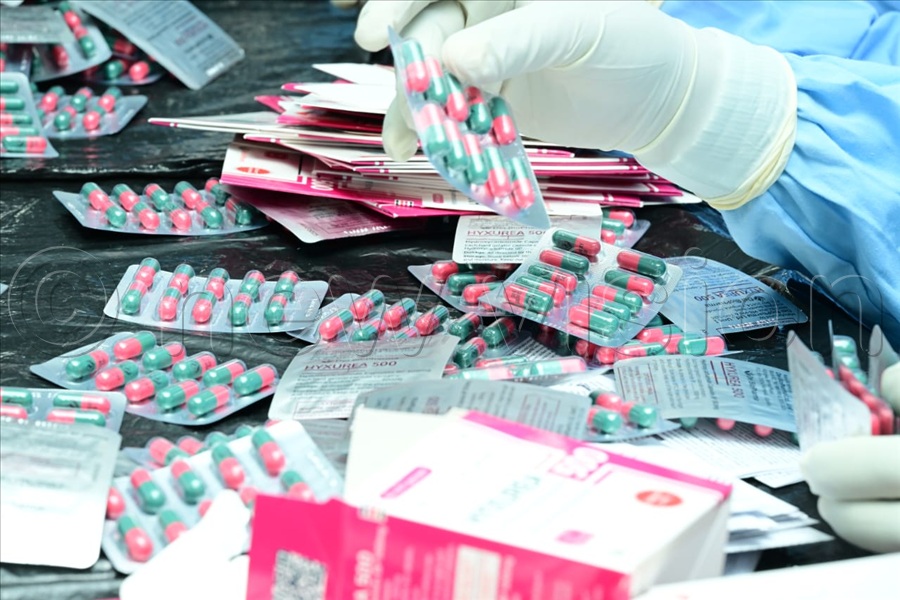
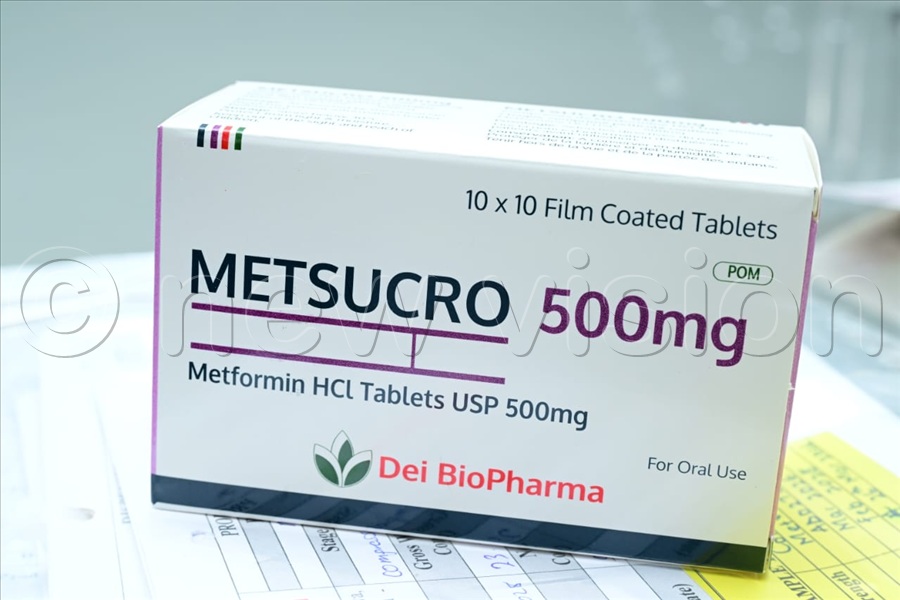
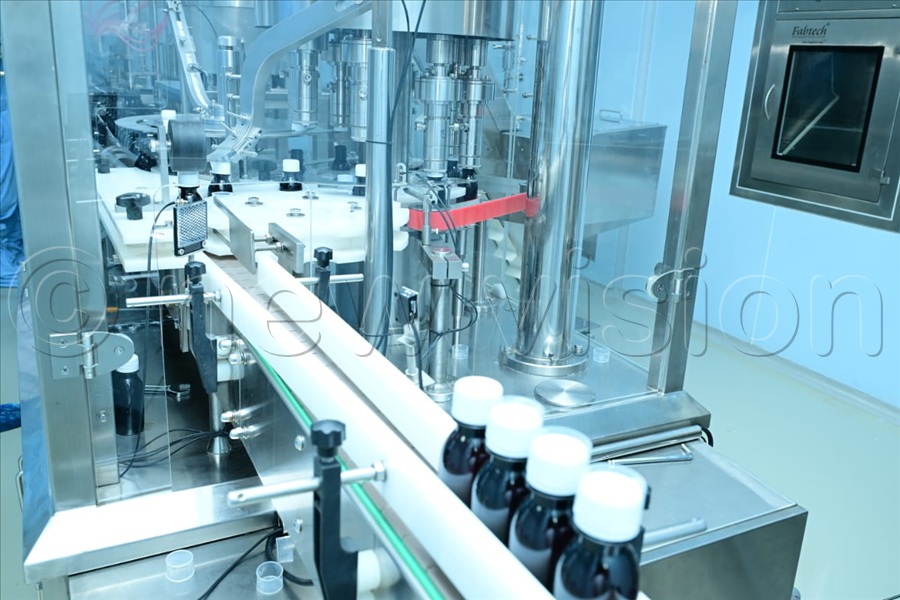
Magoola said the Matugga and Kamuli project, currently about 70% complete, will comprise more than 30 manufacturing units producing vaccines and essential drugs, including cancer treatments, antibiotics, anti-diabetic and antimalarial medicines.
He said the facility is expected to manufacture more than one billion doses of mRNA vaccines annually and eventually produce Uganda’s own active pharmaceutical ingredients, reducing the country’s dependence on imports.
Dei Pharma board chairman and Kabweri MP Dr. Patrick Wakida said the Government currently holds a 9.5% stake in the company, with Magoola retaining about 90%.
He added that cabinet had approved $300m to support the project, although the funds had not yet been released.
Wakida said the fully operational project is expected to create about 40,000 direct jobs and position Uganda as a major pharmaceutical manufacturing hub in Africa.
He pledged to mobilise legislators and other leaders to tour and understand what the company was doing.