
Muslim leaders in Uganda call for global peace amid rising tensions
The Mufti of Uganda, Dr Sheikh Shaban Ramadhan Mubaje, strongly condemned ongoing global conflicts, warning that violence and aggression cannot deliver lasting solutions.
The Mufti of Uganda, Dr Sheikh Shaban Ramadhan Mubaje said peace is the foundation of prosperity, stressing that without stability, development cannot be achieved. (Photos by Simon Peter Tumwine)
________________
Muslim leaders in Uganda have called for renewed commitment to peace and unity amid rising global tensions, emphasising that dialogue and faith must prevail over conflict.
During Eid el-Fitr prayers at Old Kampala Mosque on Friday to mark the end of the holy month of Ramadan, leaders urged the faithful to pray for those facing hardship, including prisoners and communities affected by war, and to remain steadfast in promoting harmony.
The Mufti of Uganda, Dr Sheikh Shaban Ramadhan Mubaje, strongly condemned ongoing global conflicts, warning that violence and aggression cannot deliver lasting solutions.
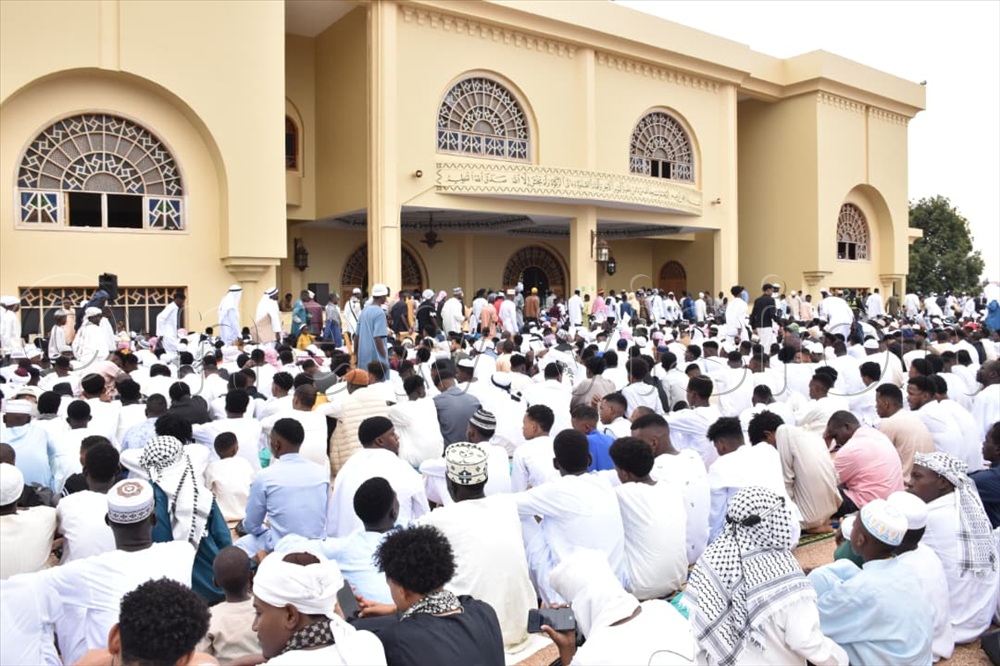
He expressed concern over escalating tensions among global powers, noting that innocent people often suffer the most in such confrontations.
Mubaje cautioned that continued hostility has devastating consequences and he therefore called for restraint and understanding.
“Force can never solve anything. Let us pray for peace and unity across the world. Let us return to Allah and direct our energy towards building our communities and our nations."
Mubaje also praised the strong relationship between the Uganda Muslim Supreme Council (UMSC) and the government, noting that it has played a key role in maintaining peace among Muslims in the country.
He expressed appreciation for the continued support from government, which has strengthened cooperation and national unity.
National asset
Uganda’s Secretary to the Treasury, Ramathan Ggoobi, attended the prayers at Old Kampala.
In his remarks, he highlighted that peace remains Uganda’s greatest national asset, as it attracts investment, boosts tourism, and creates jobs.
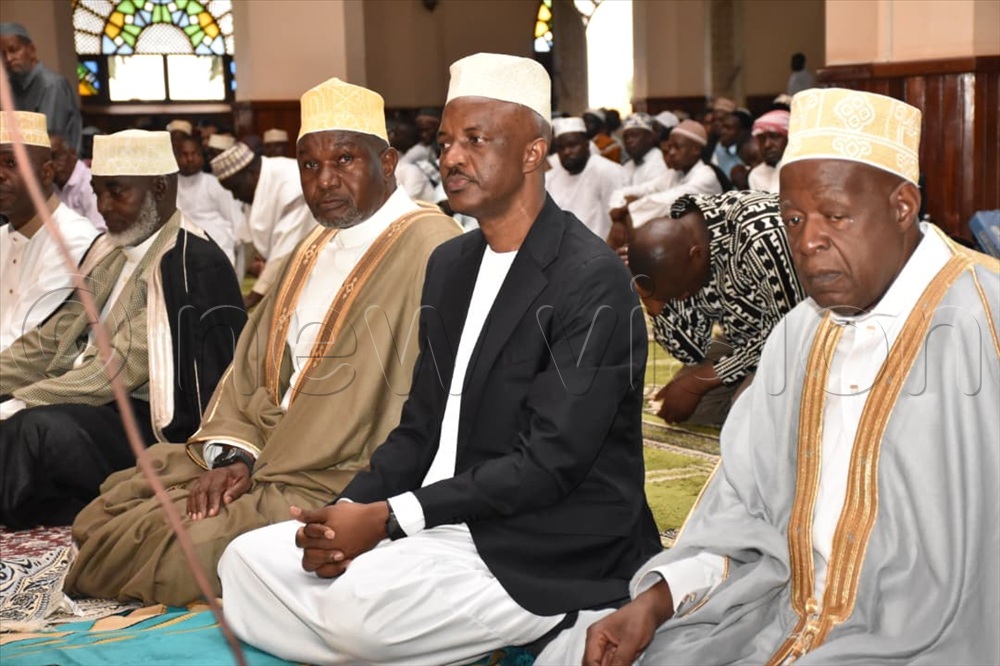
Ggoobi, who is also the finance ministry's permanent secretary, challenged Ugandans, especially the Muslim community, to take advantage of government wealth creation programmes.
He said many opportunities align with halal economic principles, such as livestock production, trade, logistics, and Islamic finance.
“Our future will not be determined by how much government spends, but by how much its people produce,” he said while encouraging the need for hard work, discipline, and unity.
Economic empowerment
Efforts to organize and empower the Muslim community are progressing steadily.
Hajji Abas Ssekyanzi, the secretary general of UMSC, said all imams across Uganda’s 87 Muslim districts have been registered, improving coordination, data collection, and the registration of Muslim SACCOs nationwide, an important step toward economic inclusion.
He said economic self-sufficiency programmes are also showing success, particularly in agriculture, where coffee and banana growing are improving livelihoods.
Ssekyanzi said partnerships with private sector players have expanded opportunities, including the opening of halal shops in Luwero and Kampala, with plans to extend to other Muslim districts as demand grows.
He said the growing culture of iftar dinners, often supported and attended by national leaders, reflects increasing recognition and visibility of the Muslim community.
The UMSC secretary general encouraged leaders to better plan for future Ramadhan activities to strengthen unity and participation.