
MPs verify that digital number plate tracking system works.
Members of Parliament’s Committee on Physical Infrastructure at the Police Command Centre, Naguru
Members of Parliament’s Committee on Physical Infrastructure have verified that the Digital Number Plate System can track and help recover stolen vehicles, but called for improvements in its implementation.
The committee, led by its chairperson, Mwine Mpaka, made the observation on October 2 after visiting the Police Command Centre at Naguru to see first-hand how the system operates. The visit followed concerns raised during the committee’s scrutiny of the digital number plate project, particularly over whether its security and vehicle-tracking functions were delivering the intended results.
On September 28, Mpaka said Parliament needed to establish whether the security component of the system was working after stakeholders appearing before the committee raised concerns about the project. Two days later, Police and government officials appeared before the committee to provide evidence on the system’s performance.
The Director of Police ICT, AIGP Felix Baryamwisaki, told the committee that 337 of 375 stolen motor vehicles had been successfully tracked and recovered, representing a 90% recovery rate. However, Mpaka and other committee members wanted to verify the figures and see how the system operates in practice. At Naguru, the MPs were taken through the system and shown how digital registration plates can help Police identify, track and recover vehicles.
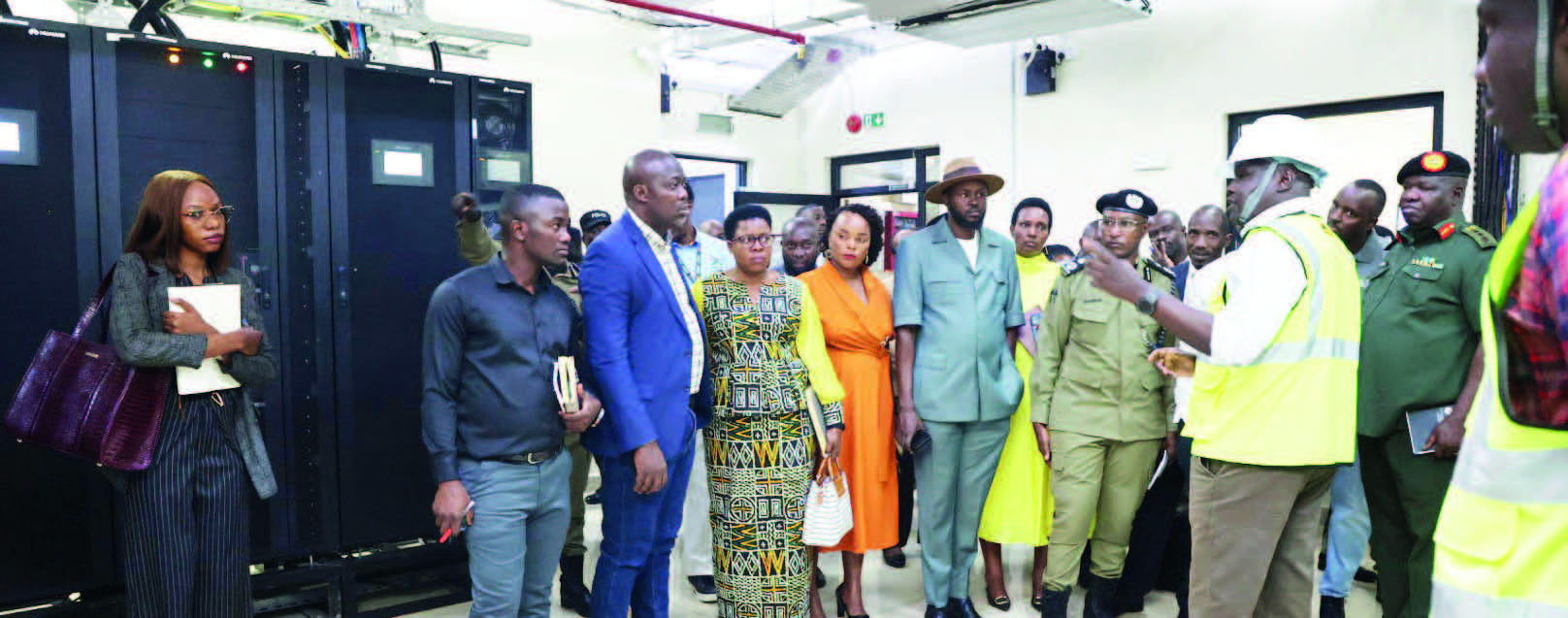
Parliament committee members wanted to verify the figures and see how the system operates in practice
The committee members were also shown how information generated by the system is processed and used to support Police operations. “Yes, indeed, we have established that cars and motorbikes can be tracked. The issue of digital number plates is clearly important. We just need to see how we can improve the system,” Mpaka said.
The committee also sought clarification on how information generated by the system is managed and stored.
Sam Okiding, the Deputy Chief of Defence Forces and UPDF representative in Parliament, said he was satisfied that the data generated by the system is stored in Uganda.
The inspection came against the backdrop of concerns raised during the September 28 hearings over delays in issuing number plates, production capacity, costs and communication with motorists.
The committee has been examining these concerns alongside the security capabilities of the system. Mpaka said the committee’s position was that the digital number plate system was necessary, but issues surrounding its cost and the contractor’s capacity needed to be addressed.
“One thing for sure is, the whole country needs the digital number plate system. As a committee, we are looking at the cost and the capacity of the contractor. Other than that, no one is against the project,” he said.
The visit to the Police Command Centre followed the committee’s inspection of the digital number plate production facility, giving MPs an opportunity to assess both the production and security components of the project.
During the production inspection, committee members were taken through the number plate manufacturing process and shown existing stocks of production materials, as well as ongoing production and installation operations.
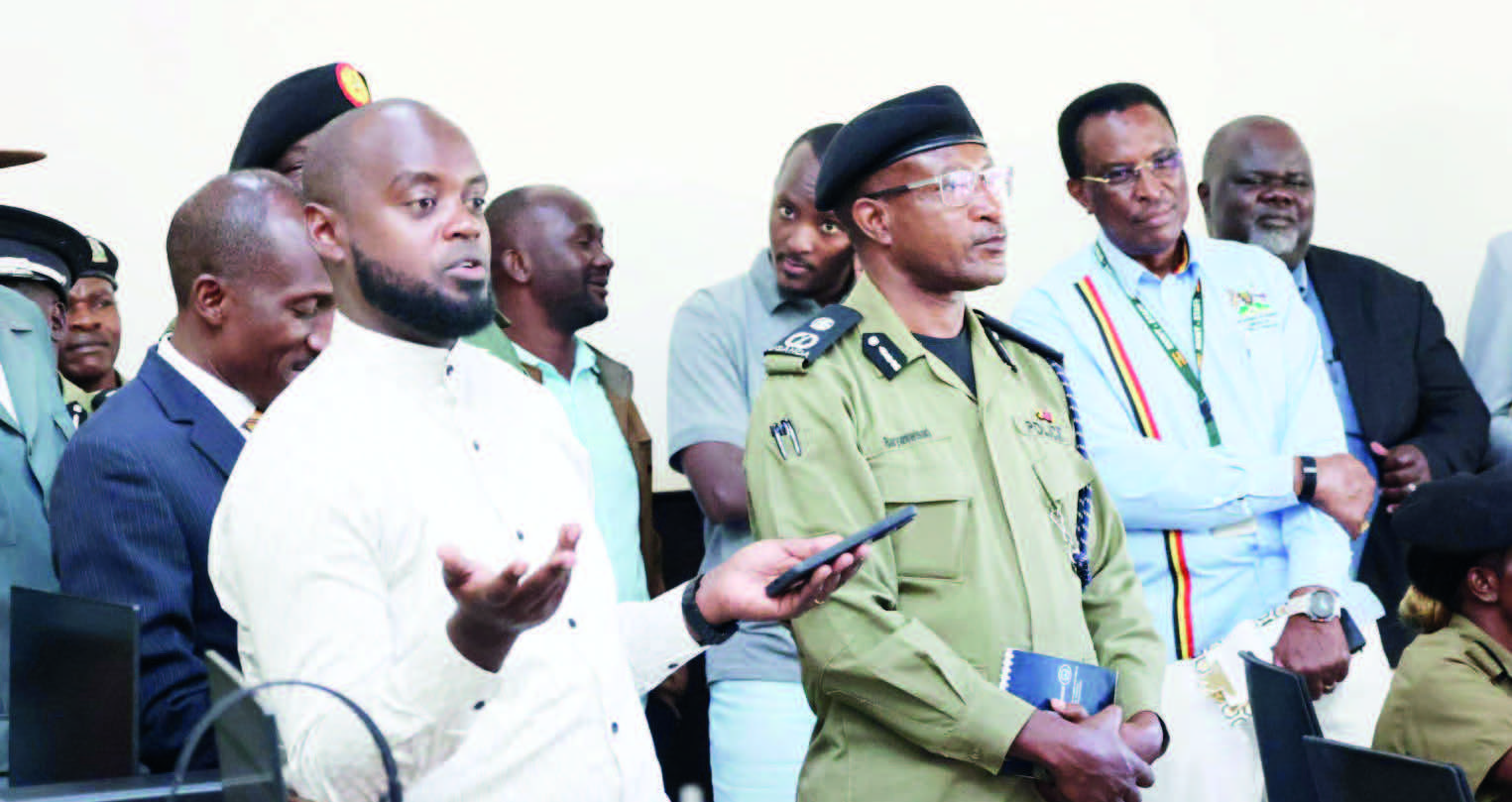
Mwine Mpaka chairperson of parliament’s committee on physical infrastructure
The facility currently has a production capacity of 2,500 number plate kits per day, or 50,000 per month, which officials said was sufficient to meet current registration and fitment requirements. The project employs more than 300 Ugandans directly and supports more than 900 additional jobs in related industries. Officials said localisation had reached 80%, making the facility the first full
fullcycle number plate production facility in East Africa. The inspection also enabled MPs to assess concerns previously raised about production capacity and the availability of number plates.
Instead of relying solely on figures presented during committee hearings, MPs were able to observe the production lines, available stocks and ongoing operations. Taken together with the security results presented by Police, the inspections provided Parliament with a broader picture of a project that has faced implementation challenges but has recorded improvements in service delivery and security performance.
The committee established that the system is operational and producing measurable results, including the clearing of the plate backlog, reduced registration and fitment times and the use of digital number plate technology by Police to trace and recover stolen vehicles.
However, the inspections also highlighted areas requiring further improvement, including coordination among participating institutions, Police operational and administrative procedures, and communication with motorists and other stakeholders.
The committee is expected to continue scrutinising the project, particularly its cost, implementation and capacity to deliver the intended benefits to the public.
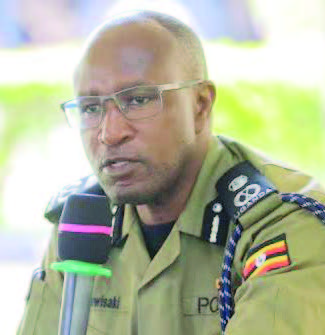
Felix Baryamwisaki, director of Police ICT
The facility currently has a production capacity of 2,500 number plate kits per day, or 50,000 per month.