
News
Minister Tanna urges judiciary to prioritise trade disputes
“Courts play an extremely critical role in the promotion of trade. So, my appeal to you is that if a dispute comes before court, you should offload them quickly so that the sector is not affected by delayed decisions.”
Minister Tanna urges judiciary to prioritise trade disputes
By: Farooq Kasule, Journalist @New Vision
_________________
The Minister of Trade, Industry and Cooperatives, Sanjay Tanna, has asked the judiciary to give priority to trade disputes, saying courts play a critical role in the promotion of trade.
“Courts play an extremely critical role in the promotion of trade. So, my appeal to you is that if a dispute comes before court, you should offload them quickly so that the sector is not affected by delayed decisions,” Tanna said on Tuesday during a stakeholder’s round table meeting organised by the Judicial Training Institute (JTI).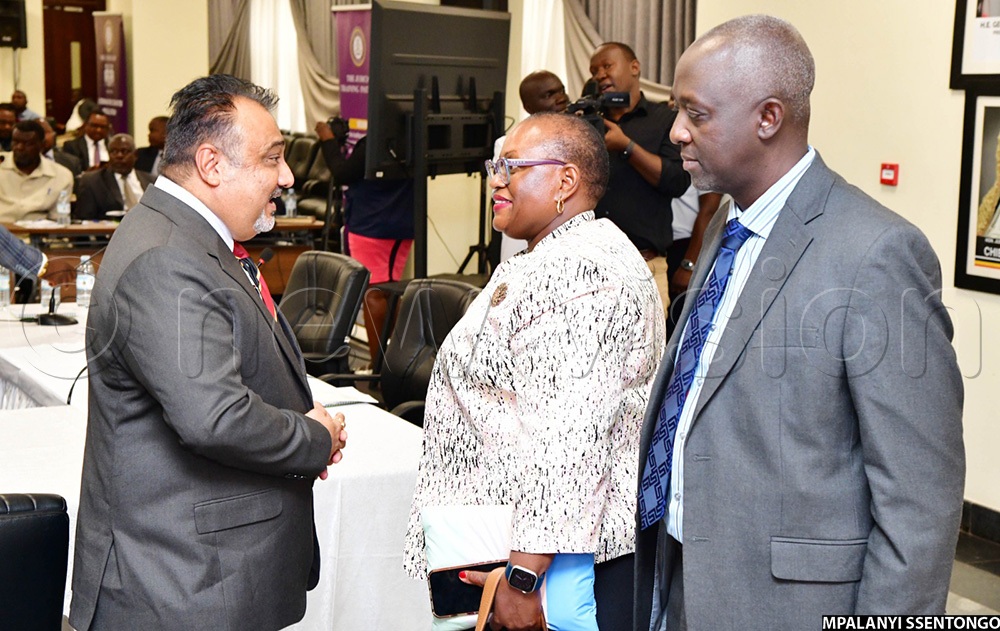
The meeting is in preparation for the forthcoming settlement fortnight targeting trade, construction and corporation-related disputes due in Kampala on Tuesday, August 11, 2026.
Using an example of India where courts worked day and night to fight case backlog that was hurting its economy, Tanna appealed to the judiciary to leverage on technology to ensure a 24-hour judicial service.
“I thank you for re-engineering Alternative Dispute Resolution (ADR) mechanisms. This is a brilliant approach because justice is becoming very expensive, especially for people in the rural areas,” Tanna said.
In the previous financial year, Uganda Revenue Authority (URA) collected 31.6 trillion from the trade sector, contributing 35% of the country's revenue.
Commercial Court head judge Anna Mugenyi revealed that the court has 7,480 unresolved cases, of which 1,424 cases (19.0%) fall within the trade, corporation and construction clusters.
“Trade disputes constitute the overwhelming majority of the cluster caseload, accounting for nearly 88% of the 1,424 pending matters, making them the primary focus for targeted mediation and backlog reduction during what we have termed as mediation fortnight,” Mugenyi said.
According to Mugenyi, the trade, corporation and construction dispute settlement will start on August 17 and run until August 27.
“We have listed 520 cases for mediation worth sh325b, and this will help to unlock substantial capital for the country’s trade, construction and corporate sectors, fueling economic activity,” Mugenyi said.
Mugenyi said the mediation demonstrates the court’s commitment to swift, efficient commercial justice after 30 years.
“Commercial mediation is not merely an alternative to litigation, it is a strategic tool that unlocks investment, preserves business relationships and promotes economic growth,” Mugenyi noted.
Drawing from the recently concluded banking mediation settlement fortnight in which 417 cases were resolved through mediation, unlocking about sh90b in a space of about three weeks, Mugenyi urged the parties to embrace the exercise, saying it enables them to avoid prolonged litigation, reduce legal costs, preserve commercial relationships and facilitate faster realisation of business outcomes.
Justice Mugenyi said mediation is not merely an alternative but the cornerstone of commercial justice.
At the same meeting, Deputy Chief Justice Moses Kazibwe Kawumi said the objective of the mediation settlement fortnights is not to replace courts but to expand access to justice by ensuring that disputes are resolved through the mechanism most suited to each case's circumstances.
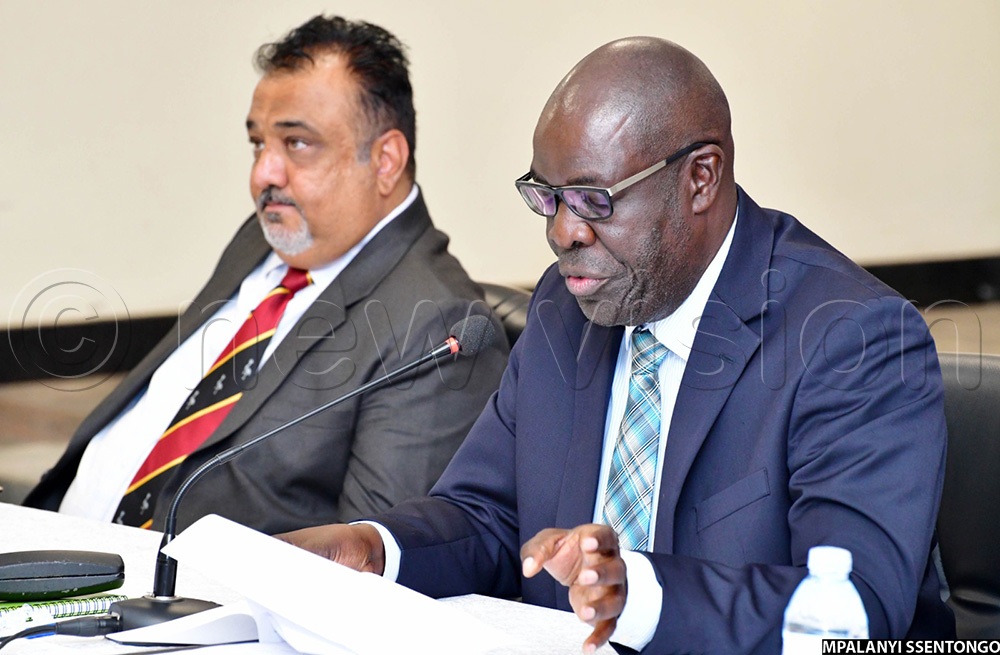
“This approach recognises an important reality that justice is not achieved only when a judgment is entered, it can also be achieved when parties reach a fair, timely and sustainable resolution that allows them to continue contributing to society and the economy,” Kawumi said.
“We have listed 520 cases for mediation worth sh325b, and this will help to unlock substantial capital for the country’s trade, construction and corporate sectors, fueling economic activity,” Mugenyi said.
Mugenyi said the mediation demonstrates the court’s commitment to swift, efficient commercial justice after 30 years.
“Commercial mediation is not merely an alternative to litigation, it is a strategic tool that unlocks investment, preserves business relationships and promotes economic growth,” Mugenyi noted.
Drawing from the recently concluded banking mediation settlement fortnight in which 417 cases were resolved through mediation, unlocking about sh90b in a space of about three weeks, Mugenyi urged the parties to embrace the exercise, saying it enables them to avoid prolonged litigation, reduce legal costs, preserve commercial relationships and facilitate faster realisation of business outcomes.
Justice Mugenyi said mediation is not merely an alternative but the cornerstone of commercial justice.
At the same meeting, Deputy Chief Justice Moses Kazibwe Kawumi said the objective of the mediation settlement fortnights is not to replace courts but to expand access to justice by ensuring that disputes are resolved through the mechanism most suited to each case's circumstances.
“This approach recognises an important reality that justice is not achieved only when a judgment is entered, it can also be achieved when parties reach a fair, timely and sustainable resolution that allows them to continue contributing to society and the economy,” Kawumi said.
He added that ADR mechanisms, including court mediation and structured settlements, aim to make the justice system faster, more accessible and more responsive.
The proposed settlement fortnight for trade, construction, and corporate disputes is therefore a key step that brings together the judiciary, advocates, mediators, business leaders and other stakeholders to identify barriers, develop solutions and foster a settlement culture where appropriate.
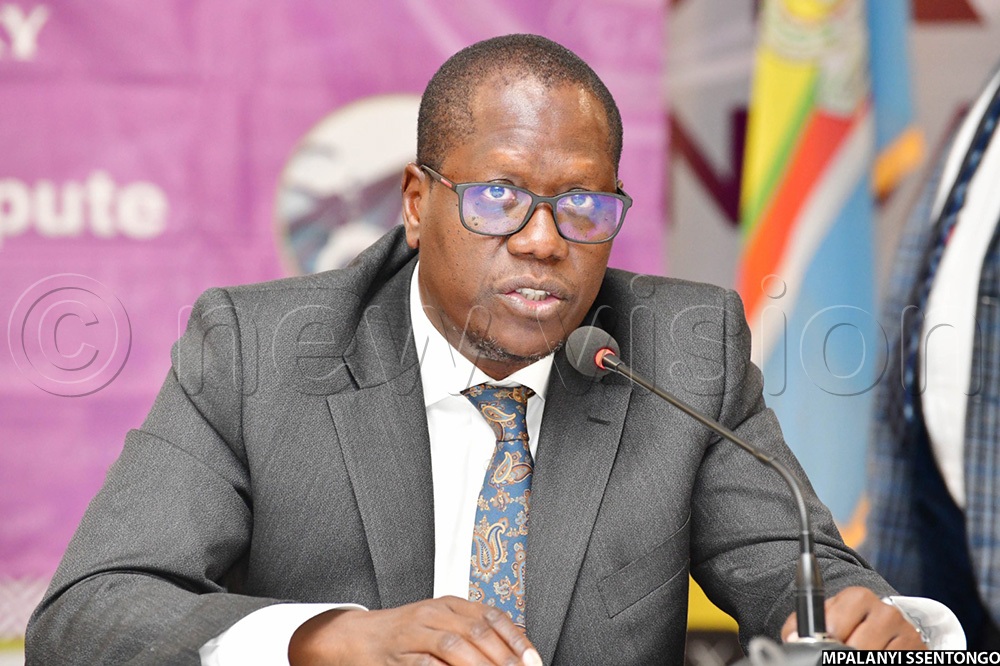
Underscoring the importance of timely adjudication of construction disputes, Kawumi said construction projects are not merely contractual arrangements between parties but are also engines of economic activity, creating employment, stimulating local industries, supporting manufacturing, generating tax revenue, and delivering infrastructure that improves the quality of life for our citizens.
“Disagreements over contracts, payments, delays, quality, procurement and project management can escalate into costly disputes. For example, a delayed road project hampers connectivity and trade, stalled housing affects employment and investment, suspended public projects delay essential services,” Kawumi noted.
Justice minister Nobert Mao commended the judiciary for bringing the key stakeholders on board, saying mediation works best when the stakeholders work together.
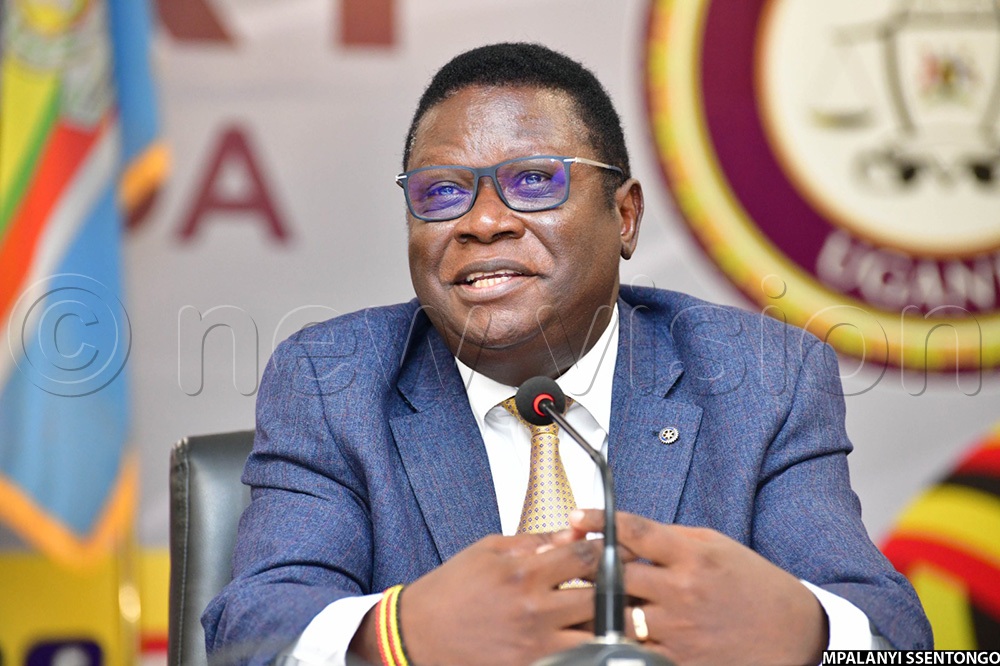
State minister for works Siraje Ali also appealed to the judiciary to give priority to the disputes relating to the sector.
Using an example of the Katosi road scam that was delayed by investigations and prosecution of the culprits, Ali underscored the importance of ADR in ensuring timely works.
“Settlement does not mean compromise on accountability, but I think it would be good that we use it in resolving some of the disputes in the sector so that the projects are not delayed,” Ali said.
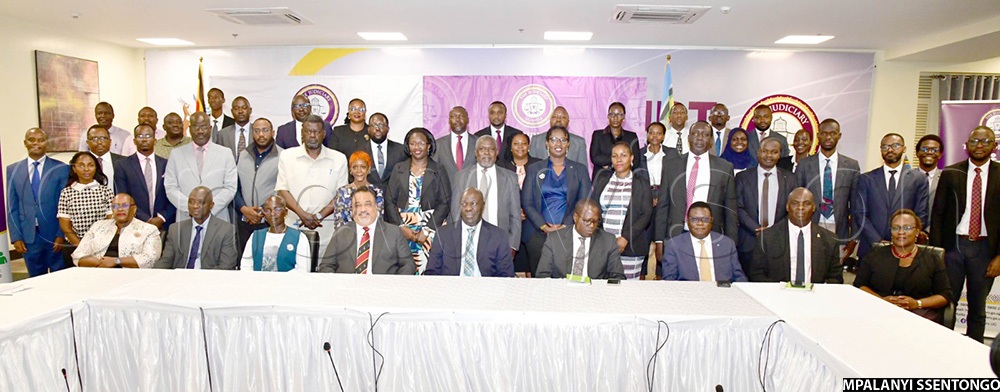
Prof. Andrew Khaukha, the executive director of the Judicial Training Institute, said the judiciary re-engineered ADR to ensure timely and amicable settlement of disputes.
The proposed settlement fortnight for trade, construction, and corporate disputes is therefore a key step that brings together the judiciary, advocates, mediators, business leaders and other stakeholders to identify barriers, develop solutions and foster a settlement culture where appropriate.
Underscoring the importance of timely adjudication of construction disputes, Kawumi said construction projects are not merely contractual arrangements between parties but are also engines of economic activity, creating employment, stimulating local industries, supporting manufacturing, generating tax revenue, and delivering infrastructure that improves the quality of life for our citizens.
“Disagreements over contracts, payments, delays, quality, procurement and project management can escalate into costly disputes. For example, a delayed road project hampers connectivity and trade, stalled housing affects employment and investment, suspended public projects delay essential services,” Kawumi noted.
Justice minister Nobert Mao commended the judiciary for bringing the key stakeholders on board, saying mediation works best when the stakeholders work together.
State minister for works Siraje Ali also appealed to the judiciary to give priority to the disputes relating to the sector.
Using an example of the Katosi road scam that was delayed by investigations and prosecution of the culprits, Ali underscored the importance of ADR in ensuring timely works.
“Settlement does not mean compromise on accountability, but I think it would be good that we use it in resolving some of the disputes in the sector so that the projects are not delayed,” Ali said.
Prof. Andrew Khaukha, the executive director of the Judicial Training Institute, said the judiciary re-engineered ADR to ensure timely and amicable settlement of disputes.