
News
Minister Musasizi to declare NSSF Interest rate at 14th annual members meeting
The announcement comes after the Fund reported its strongest financial performance yet, with total income rising by 85% to sh6.51 trillion from sh3.51 trillion in the previous financial year.
Minister Musasizi to declare NSSF Interest rate at 14th annual members meeting
By: Simon Okitela, Journalist @New Vision
______________
All eyes will be on the Minister of Finance, Henry Musasizi, Thursday (September 24), as he declares the interest rate that will be credited to National Social Security Fund (NSSF) members for the financial year ended June 2026.
The announcement comes after the Fund reported its strongest financial performance yet, with total income rising by 85% to sh6.51 trillion from sh3.51 trillion in the previous financial year.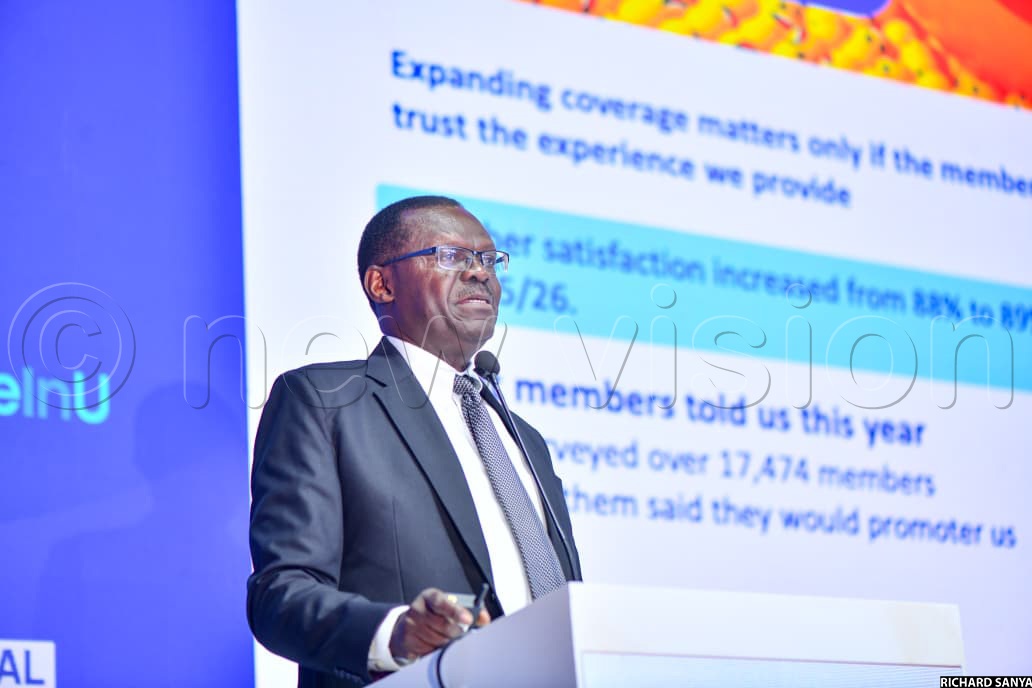
NSSF's assets under management also increased by 26%, from sh2.6 trillion to sh32.8 trillion, according to figures released ahead of the Fund's 14th Annual Members' Meeting.
Last year, the then finance minister Matia Kasaija declared an interest rate of 13.5%, resulting in about sh2.79 trillion being credited to members' accounts. The 2026 declaration will therefore be closely watched for how much of the Fund's stronger performance is passed on to savers.
At face value, the jump from sh3.51 trillion to sh6.51 trillion appears to create considerable room for a higher interest rate.
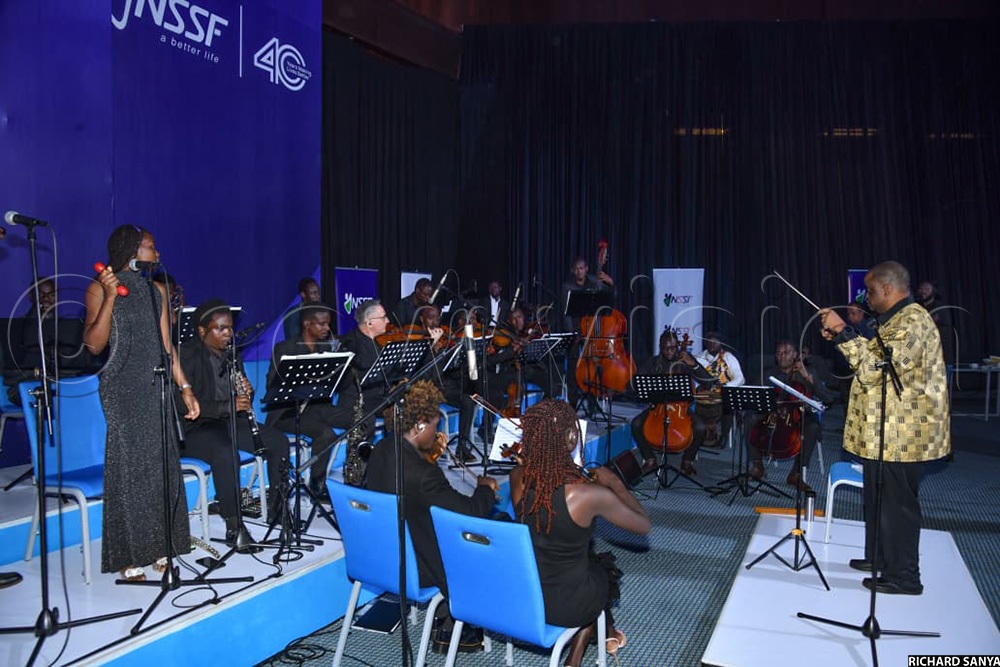
Across a section of National Social Security Fund (NSSF) members, expectations are high as they say the interest is more likely to shoot above last year’s 13.5% majorly attributed to stable performance by the Fund.
Financial experts say the clearest signal is in the money NSSF actually collected, as opposed to paper gains. The fund’s total realised income, meaning interest, dividends, and rent it received in cash, grew 24% in the year to June 2026, to sh3.88 trillion, from sh3.13 trillion.
“The 85% growth in income, where did it come from? Half of the sh6.2 trillion came from realised income. So, these are coupons from bonds, dividends from equities, and then rental income. The other half came from realised gains, which is majorly from two areas. One is the revaluation in the prices of listed companies we invested in, and then about sh200b came from the changes in the currency,” Kenneth Owera, chief investment officer at the NSSF, said.
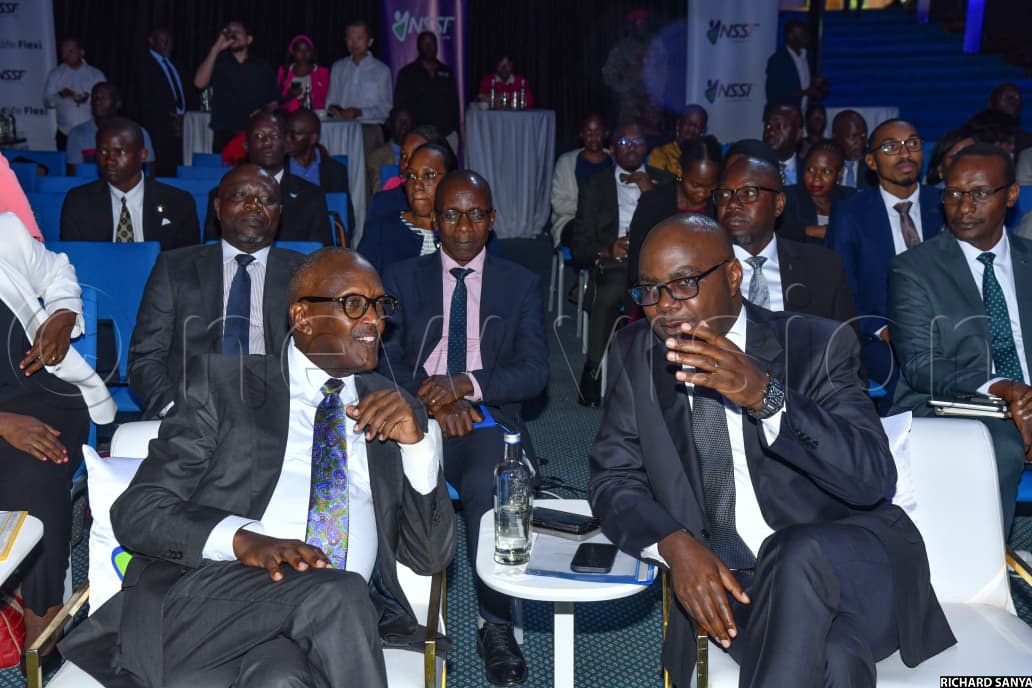
These figures show that the Fund did not rely entirely on gains in the value of its investments to produce the year's strong result. It generated substantially more cash income from its investment portfolio as well.
Across a section of National Social Security Fund (NSSF) members, expectations are high as they say the interest is more likely to shoot above last year’s 13.5% majorly attributed to stable performance by the Fund.
Financial experts say the clearest signal is in the money NSSF actually collected, as opposed to paper gains. The fund’s total realised income, meaning interest, dividends, and rent it received in cash, grew 24% in the year to June 2026, to sh3.88 trillion, from sh3.13 trillion.
“The 85% growth in income, where did it come from? Half of the sh6.2 trillion came from realised income. So, these are coupons from bonds, dividends from equities, and then rental income. The other half came from realised gains, which is majorly from two areas. One is the revaluation in the prices of listed companies we invested in, and then about sh200b came from the changes in the currency,” Kenneth Owera, chief investment officer at the NSSF, said.
These figures show that the Fund did not rely entirely on gains in the value of its investments to produce the year's strong result. It generated substantially more cash income from its investment portfolio as well.
This is particularly significant because NSSF remains heavily invested in fixed-income assets. At the end of June, about 76.5% of its portfolio was in fixed income, mainly government securities, compared with 18.4% in equities and 5.1% in real estate.

NSSF's regional investments benefited from higher equity valuations, while movements in exchange rates also contributed to valuation gains on some foreign-currency investments.
The pattern over the last five years shows the declared interest rate moves with the growth in the fund’s realised income more closely than with any other single number.

If that pattern holds, a repeat of 24% income growth suggests a similarly sized move this year, which would put the rate somewhere between 13.5% and 15.5%, rather than below it.
For perspective, analysts using NSSF's reported figures estimate that the interest-bearing member balance could be around sh24 trillion.
NSSF's regional investments benefited from higher equity valuations, while movements in exchange rates also contributed to valuation gains on some foreign-currency investments.
The pattern over the last five years shows the declared interest rate moves with the growth in the fund’s realised income more closely than with any other single number.
If that pattern holds, a repeat of 24% income growth suggests a similarly sized move this year, which would put the rate somewhere between 13.5% and 15.5%, rather than below it.
For perspective, analysts using NSSF's reported figures estimate that the interest-bearing member balance could be around sh24 trillion.