
Leaders at 2026 Women’s Convention call for digital inclusion, unity
Speaking at the convention, Betty Amongi, the Minister of Gender, Labour and Social Development, said the women’s movement in Uganda has evolved into a stronger force pushing for substantive equality.
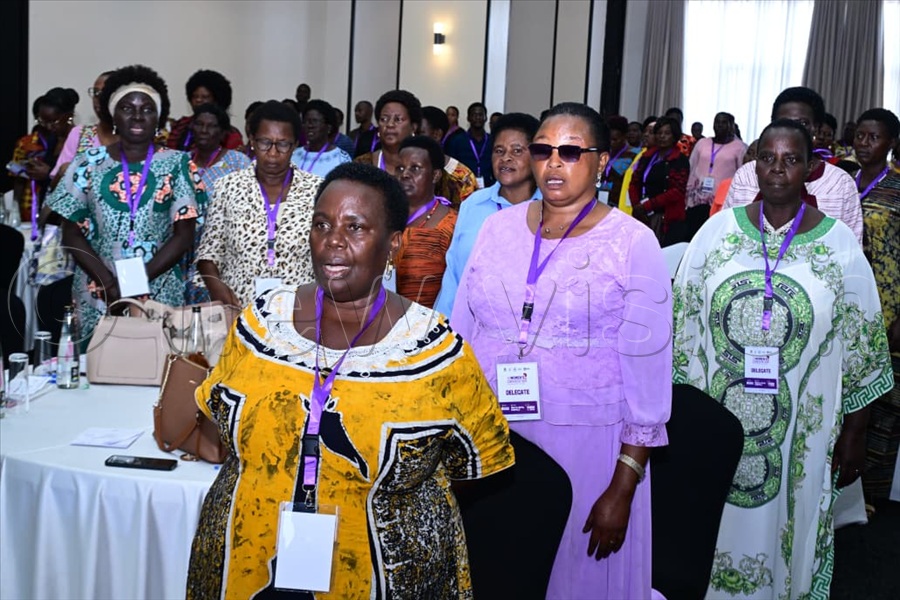
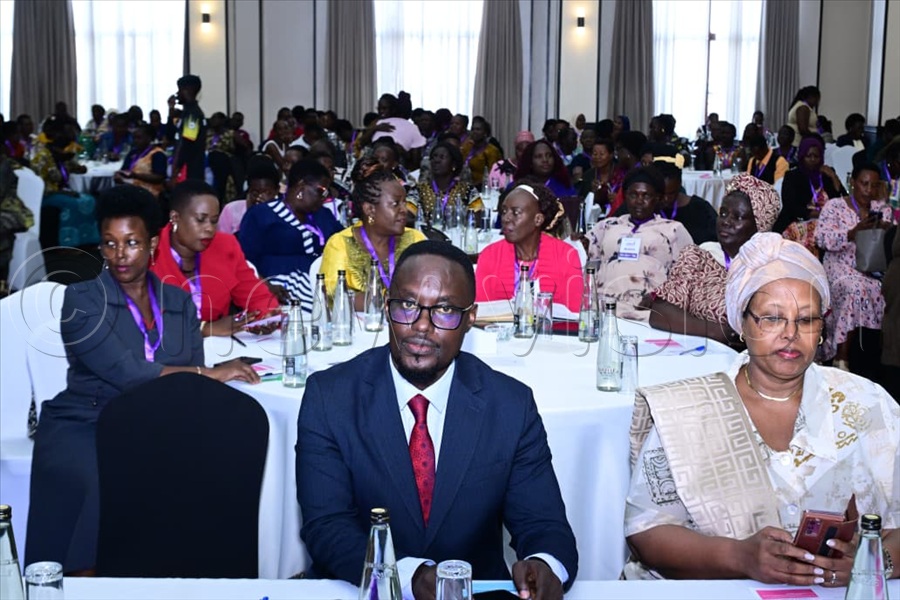
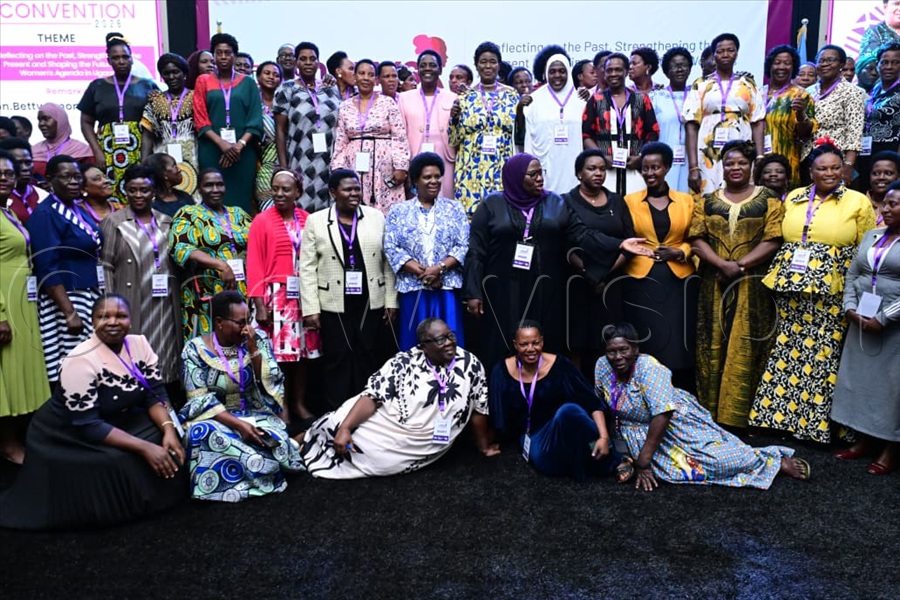
The event attracted more than 200 participants, including Members of Parliament, security personnel, district women representatives, and leaders from civil society organisations across the country. (Credit: Mpalanyi Ssentongo)
KAMPALA - Women leaders from government, civil society and grassroots structures have called for greater digital inclusion, unity and stronger institutions to advance the women’s agenda in Uganda.
The call was made during The Women’s Convention 2026, held at Mestil Hotel & Residences in Kampala on Friday.
The convention, organised as part of activities leading to International Women's Day celebrations scheduled for March 8 at Kololo ceremonial Grounds, was held under the theme: “Reflecting on the past, strengthening the present and shaping the future of the women’s agenda in Uganda.”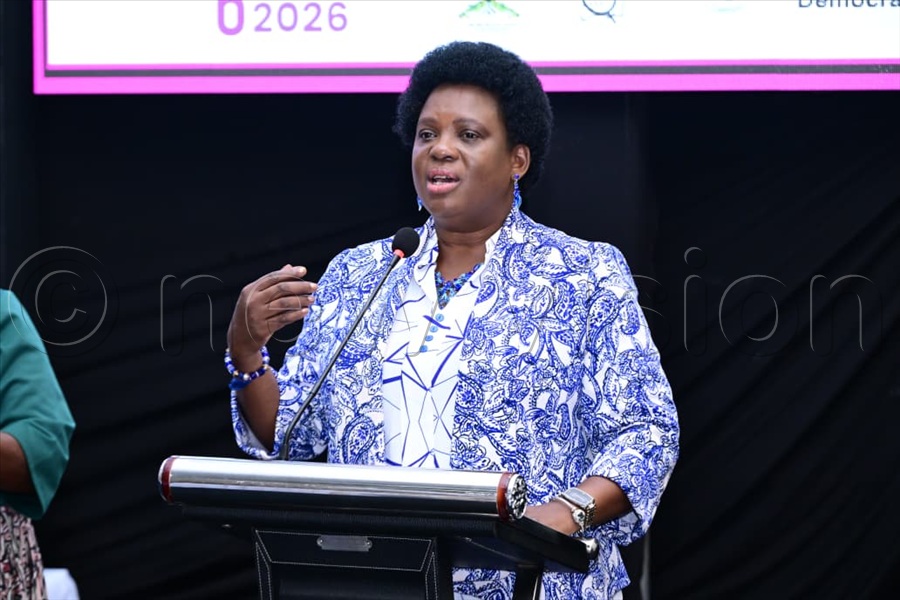
“The women’s agenda in Uganda has transitioned to a robust movement dedicated to achieving substantive equality,” Amongi said. (All Photos by Mpalanyi Ssentongo)
The event attracted more than 200 participants, including Members of Parliament, security personnel, district women representatives, and leaders from civil society organisations across the country.
Speaking at the convention, Betty Amongi, the Minister of Gender, Labour and Social Development, said the women’s movement in Uganda has evolved into a stronger force pushing for substantive equality.
“The women’s agenda in Uganda has transitioned to a robust movement dedicated to achieving substantive equality,” Amongi said.
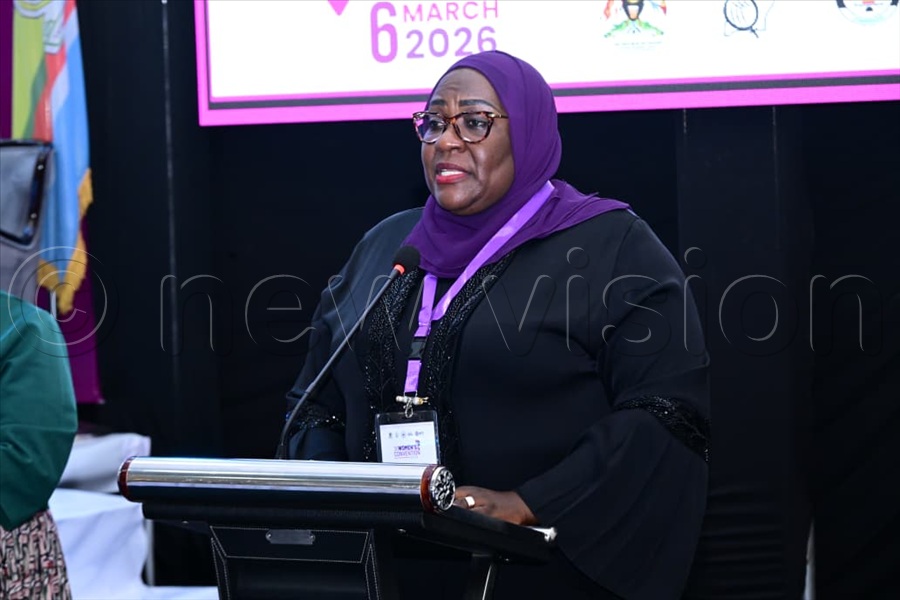
Hajjat Faridah Kibowa, chairperson of the National Women’s Council, praised the council for amplifying women’s voices from grassroots communities to the national level.
She noted that women have made significant progress in sectors such as health, energy and environmental management, but emphasised the need to accelerate digital inclusion to ensure women benefit from emerging opportunities.
“We are now going digital. We must ensure women are not left behind in the digital space,” she said.
Amongi also highlighted the need to address gender-based violence, revealing that her ministry has recently received numerous complaints involving prominent men who impregnate women and abandon them.
“If women have money, they invest it back in their families. But most times when men get money, they tend to marry another wife or acquire a mistress,” she remarked.
The minister added that women currently make up about 40% of business owners in Uganda, although only about 17% of women own land.
She also pointed to amendments to the Land Act requiring spousal consent before land can be sold or mortgaged, noting that some financial institutions have lost court cases due to failure to obtain such consent.
Hellen Asamo, the state minister for Disability Affairs, emphasised the importance of unity among women regardless of political affiliation.
Despite belonging to different political parties, Asamo praised her working relationship with Amongi, noting that cooperation among women leaders is essential to advancing shared interests.
“As Ugandan women, we all face the same challenges. What we need is unity in the women’s movement,” she said.
Asamo also expressed concern about changing social values among young women.
“These days, you meet very young, powerful women driving expensive cars but smoking shisha. What generation are we raising as mothers?” she asked.
Mariam Wangadya, the chairperson of the Uganda Human Rights Commission, said empowering women economically and digitally is essential for shaping the country’s future.
“Each time a woman stands up for herself, she stands up for the rest,” Wangadya said, while commending Joseph Munyangabo, the country director of the Westminster Foundation for Democracy, for supporting initiatives that promote women’s participation.
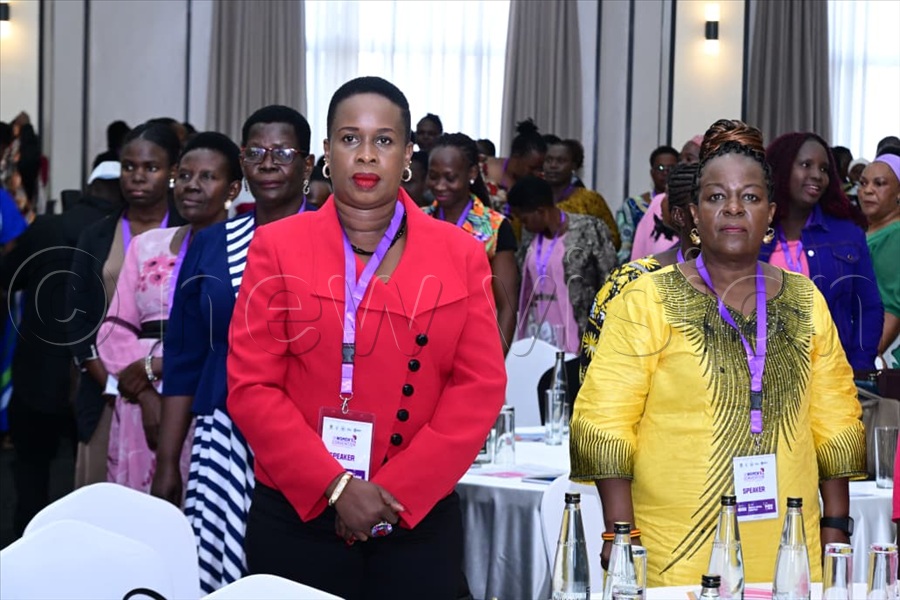
Hajjat Faridah Kibowa, chairperson of the National Women’s Council, praised the council for amplifying women’s voices from grassroots communities to the national level.
“We must continue strengthening institutions so that women can contribute meaningfully to national development,” she said.
Meanwhile, Osborn Turyasingura, the executive secretary of the National Secretariat for Special Interest Groups, shared a personal story about how his mother’s resilience shaped his life after the loss of his father.
He credited women mentors for supporting his career and revealed that women now dominate the leadership structure he works with.
“I am the only man at the National Executive Council; the rest are women,” he said.
Angela Nakafeero, commissioner for gender and women affairs at the gender ministry, called for greater unity among women to confront negative masculinity and strengthen collective advocacy.
“We will not benefit if we stand disorganised. If we are disorganised, we shall not be able to counter negative masculinity,” she said.
Participants concluded the convention with a renewed call for collaboration, stronger grassroots empowerment and expanded digital opportunities for women across the country.