
Katumba, Otafiire clash over functionality of Digital Tracking System
While Katumba said the ITMS was conceived to improve crime detection and vehicle tracking, Otafiire described the system as "useless" and said he did not know its current performance. "I don't know whether they have improved, whether they have made it even better," Otafiire said.
Otafiire defended the earlier Police surveillance infrastructure equipped with Huawei cameras, although he acknowledged that it lacked nationwide coverage and that some cameras were not functioning. (Credit: Miriam Namutebi)
KAMPALA - Former Works and Transport Minister Gen. Katumba Wamala and former Internal Affairs Minister Kahinda Otafiire have given contrasting accounts of Uganda's Intelligent Transport Monitoring System (ITMS), with Otafiire questioning its effectiveness while Katumba defended its role in strengthening national security.
The disagreement emerged during their interface with Parliament's Physical Infrastructure Committee during hearings into the Digital Number Plate Project today (October 13).
While Katumba said the ITMS was conceived to improve crime detection and vehicle tracking, Otafiire described the system as "useless" and said he did not know its current performance. "I don't know whether they have improved, whether they have made it even better," Otafiire said.
His criticism focused on the project's earlier implementation, including what he described as the installation of just two computers at the Police Command Centre.
"You know, they brought two computers. I've been away for a little bit of time, so I don't know if it would have improved, but my honest view is that there was no value added."
The contrast comes at a time when Parliament has witnessed a live demonstration of the digital number plate system's tracking capabilities at the Naguru Police Command Centre.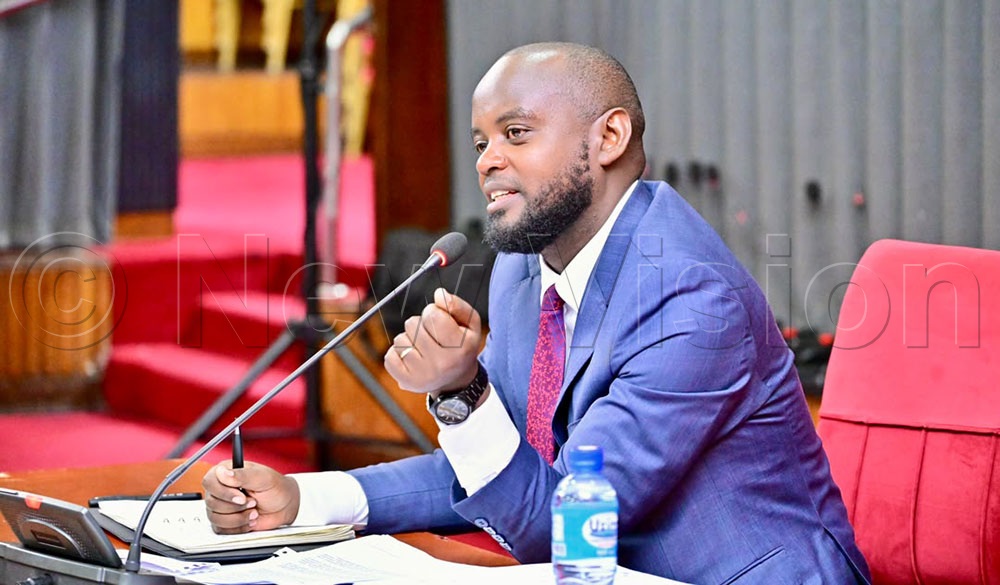
"Yes, indeed, we have established that cars and motorbikes can be tracked. The issue of digital number plates is clearly important. We just need to see how we can improve the system," Mpaka said. (Credit: Miriam Namutebi)
Challenges on earlier Chinese system
“It didn't cover the whole country, but where the police have installed cameras by Huawei, they are functional. Of course, some of them are not working, but that's a technical problem, you know," Otafiire admitted.
The Huawei-equipped Closed Circuit Television (CCTV) was at the centre of a major corruption scandal during the time Otafiire was Minister of Internal Affairs.
In May 2026, President Yoweri Museveni ordered senior officials in charge of the project in police and internal affairs into forced leave over allegations of bribery linked to the Sh31.37b CCTV camera maintenance payments.
While Otafiire dismissed the malfunctioning cameras as merely a "technical problem", the controversy over their maintenance raised serious questions about oversight of the system that was under his watch.
During the meeting with MPs, Otafiire also questioned why the Government had moved away from GM Tumpeco, a company owned by businessman Gordon Wavamunno, which was manufacturing number plates. "Why did we abandon the Wavamunnos who were making number plates?" he asked.
GM Tumpeco had held a longstanding government contract to manufacture vehicle registration plates since 2004.
Otafiire also questioned the ITMS technology's sophistication, comparing it with commercial fleet-tracking platforms.
"Uber is a more advanced system than what we have on the ground because these are just trackers," he told MPs.
Otafiire's latest criticism is not new. In August 2023, while serving as Minister of Internal Affairs, he appeared before the same parliamentary committee and raised objections to the Digital Number Plate Project, questioning the procurement arrangements and the involvement of Uganda Police.
In November 2023, the digital number plate programme was officially launched, and it has continued operating to date.
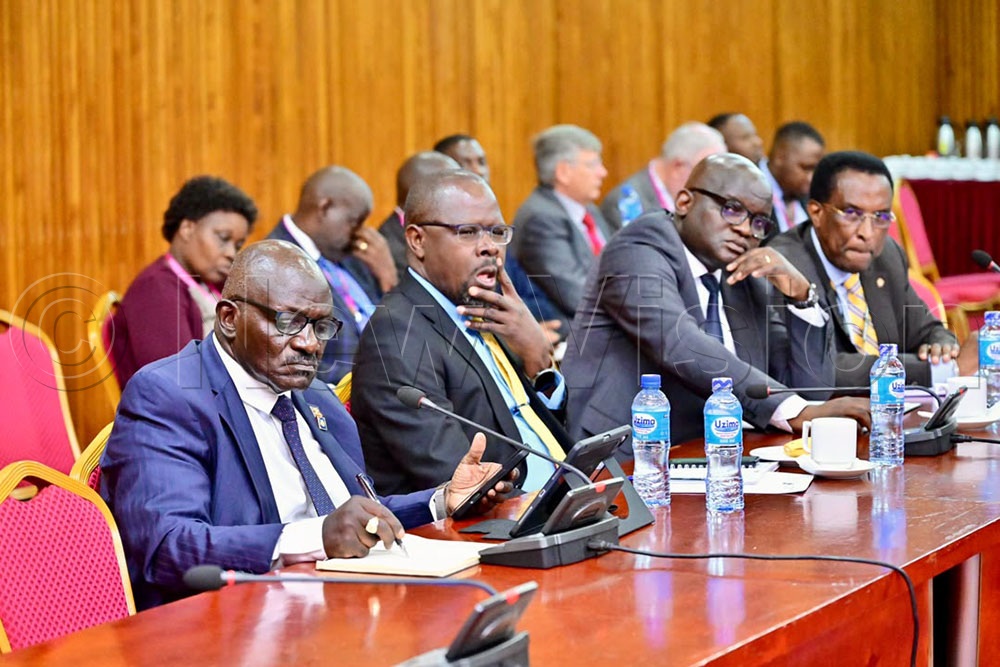
Katumba explained that President Museveni directed government to establish an integrated vehicle-monitoring system to support Police investigations. "The whole project was mainly a security-related project," Katumba said. (Credit: Miriam Namutebi)
Why ITMS was brought on board
Katumba explained that President Museveni directed government to establish an integrated vehicle-monitoring system to support Police investigations. "The whole project was mainly a security-related project," Katumba said.
He explained that the initiative involved Police, the Uganda People's Defence Forces, the Ministry of Finance and the Solicitor General, with technology transfer and eventual participation by the National Enterprise Corporation also envisaged.
On September 30 this year, the Police Director of ICT, Felix Baryamwisaki, reported to Parliament that 337 out of 375 stolen motor vehicles had been tracked and recovered, representing approximately 90 percent of the reported caseload.
On October 2, Members of Parliament's Physical Infrastructure Committee, led by Mpaka, witnessed a live demonstration of ITMS at the Police Command Centre in Naguru.
"Yes, indeed, we have established that cars and motorbikes can be tracked. The issue of digital number plates is clearly important. We just need to see how we can improve the system," Mpaka said.
The Committee is expected to assess their testimony alongside operational evidence, procurement records and submissions from other stakeholders.