
Jinja city urged to turn UNESCO recognition into lasting development gains
The workshop, organised by the Uganda National Commission for UNESCO, brought together leaders and technical officials from several cities, including Jinja, the newest entrant, as well as Masaka, Lira, Fort Portal and Mbarara, to discuss the opportunities, responsibilities and benefits associated with UNESCO city networks.
Charles Draecabo, the coordinator of the UNESCO Regional Office for Eastern Africa, described the city's admission into the global network as a historic milestone that presents new opportunities for development and international collaboration. (Credit: Doreen Musingo)
JINJA - Officials from the Uganda National Commission for UNESCO have challenged Jinja city leaders to capitalise on the city's recent admission to the UNESCO Global Network of Learning Cities by promoting lifelong learning, social inclusion and sustainable development.
Charles Draecabo, the coordinator of the UNESCO Regional Office for Eastern Africa, described the city's admission into the global network as a historic milestone that presents new opportunities for development and international collaboration.
Draecabo congratulated Jinja on the achievement and welcomed the city into a growing international community of cities committed to lifelong learning, social inclusion, sustainable development and improving the quality of life of citizens.
He was speaking during the closure of a two-day capacity-building workshop on UNESCO city networks at Jinja City Chambers on June 19, 2026.
The workshop, organised by the Uganda National Commission for UNESCO, brought together leaders and technical officials from several cities, including Jinja, the newest entrant, as well as Masaka, Lira, Fort Portal and Mbarara, to discuss the opportunities, responsibilities and benefits associated with UNESCO city networks.
"This workshop has been particularly significant because it comes at a very historical moment for Jinja city following its admission into UNESCO's Global Network of Learning Cities," he said.
According to UNESCO, learning cities are urban centres that effectively mobilise resources across sectors to promote inclusive learning, from basic education to higher education and throughout life.
During the workshop, participants reflected on practical ways through which Ugandan cities can benefit from participation in UNESCO networks.
“You have been provided with provided insights into the principles and operational framework of the UNESCO Global Network of Learning Cities and allowed participants to learn from cities that have already begun implementing learning city initiatives,” he noted.
He added that they should also establish clear policies and strategic plans to guide their development agenda.
“Jinja can be looked at as a small city but once well profiled and packaged, you will come to learn that the city has become famous and well known for its creativity and critically strategic innovations of small activities like Nyege Nyege where people come from all over the world for entertainment,” he noted.
He also urged learning cities to embrace twinning arrangements with cities in the developed world. He said such partnerships provide opportunities for mutual learning and development, given the diverse products and experiences each city has to offer.
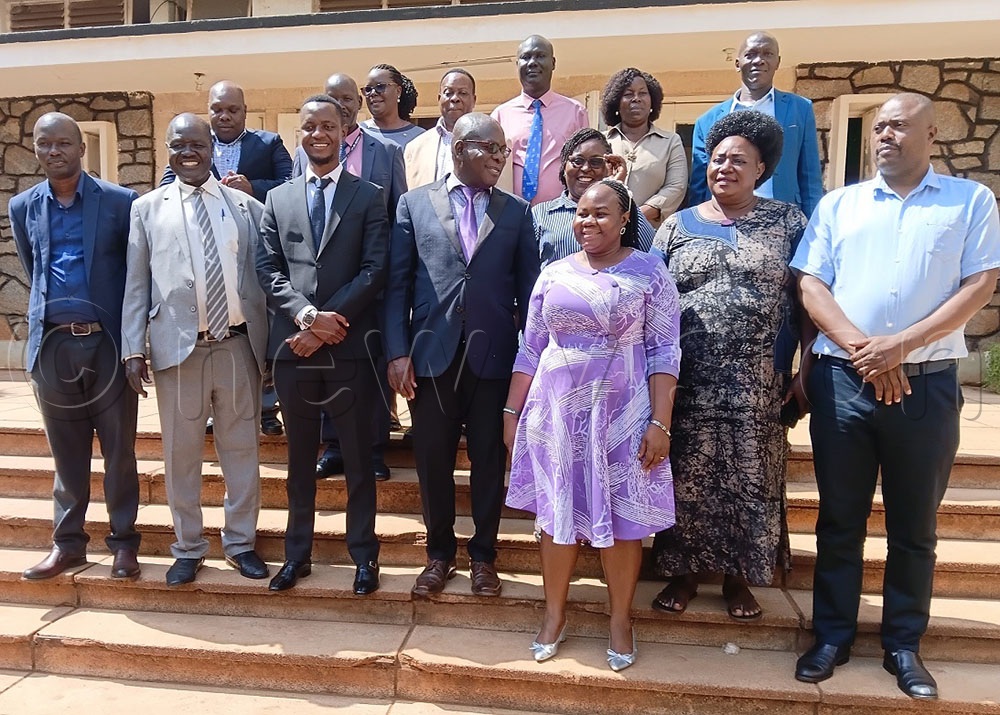
Mawerere expressed optimism that as Jinja begins its journey as a UNESCO learning city, it will become a model for promoting lifelong learning and sustainable development in Uganda. (Credit: Doreen Musingo)
Dr Dominic Venture Lali Mundrugo-Ogo, the acting secretary general of the Uganda National Commission for UNESCO, underscored the importance of strong political leadership in ensuring the success of learning city initiatives.
He said meaningful transformation can only be achieved if city leaders demonstrate commitment to lifelong learning and community development programmes.
"I am very happy that the Jinja top city authorities are part of the meeting and have pledged total support towards this cause. That kind of commitment underscores the importance of establishing learning cities," he said.
He explained that leadership support is critical in helping cities achieve their aspirations and implement sustainable development programmes.
He noted that, according to UNESCO, partnerships among these stakeholders are essential in creating vibrant learning ecosystems capable of addressing the social and economic challenges facing urban populations.
Peter Mawerere, the Jinja assistant city clerk, agreed that learning cities can only thrive when different sectors work together to improve access to education, skills development and innovation opportunities.
Mawerere expressed optimism that as Jinja begins its journey as a UNESCO learning city, it will become a model for promoting lifelong learning and sustainable development in Uganda.
He said Jinja has numerous tourism and heritage sites, including the Source of the Nile, Ripon Falls, the Ripon Falls Hotel, Owen Falls Dam, the Uganda Railway Station and Museum, Igenge Hill and Mpumwire Hill, which serves as a sacred coronation site where a series of pivotal cultural, traditional and spiritual rites take place following the election of the Kyabazinga of Busoga Kingdom.
Jinja city mayor Ali-Hajji Nagaya Abdulhafiz, who also attended the function, pledged political support and called upon city leaders, institutions and residents to work together to translate the recognition into tangible benefits for communities.
Daniel Kaweesi, an official with UNESCO, said one of the key lessons emerging from the workshop was the importance of monitoring progress and sharing experiences among cities.
“Continuous assessment allows cities to identify challenges, measure achievements and adopt innovative approaches from peers,” he said.
He noted that cities around the world are increasingly recognising the role of learning, culture and innovation in achieving inclusive, sustainable and resilient urban development.
He encouraged local governments across the country to explore opportunities within UNESCO networks and use them to improve service delivery and empower communities.
George Mubiru, the assistant city commissioner, said that since Jinja is the capital of the Busoga sub-region, there is a need for government to improve the road network to accelerate development and set a benchmark for other local governments in the region.